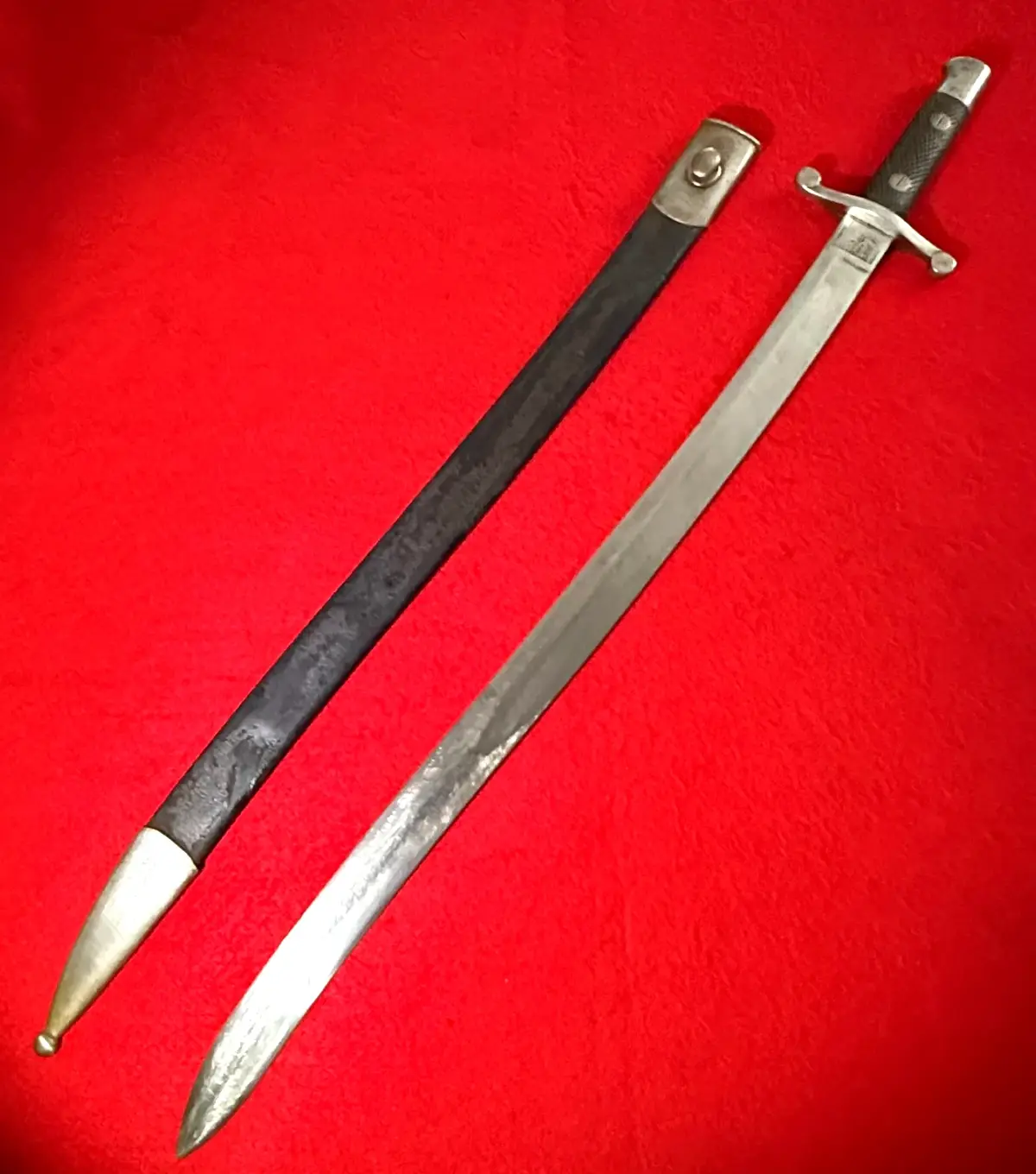
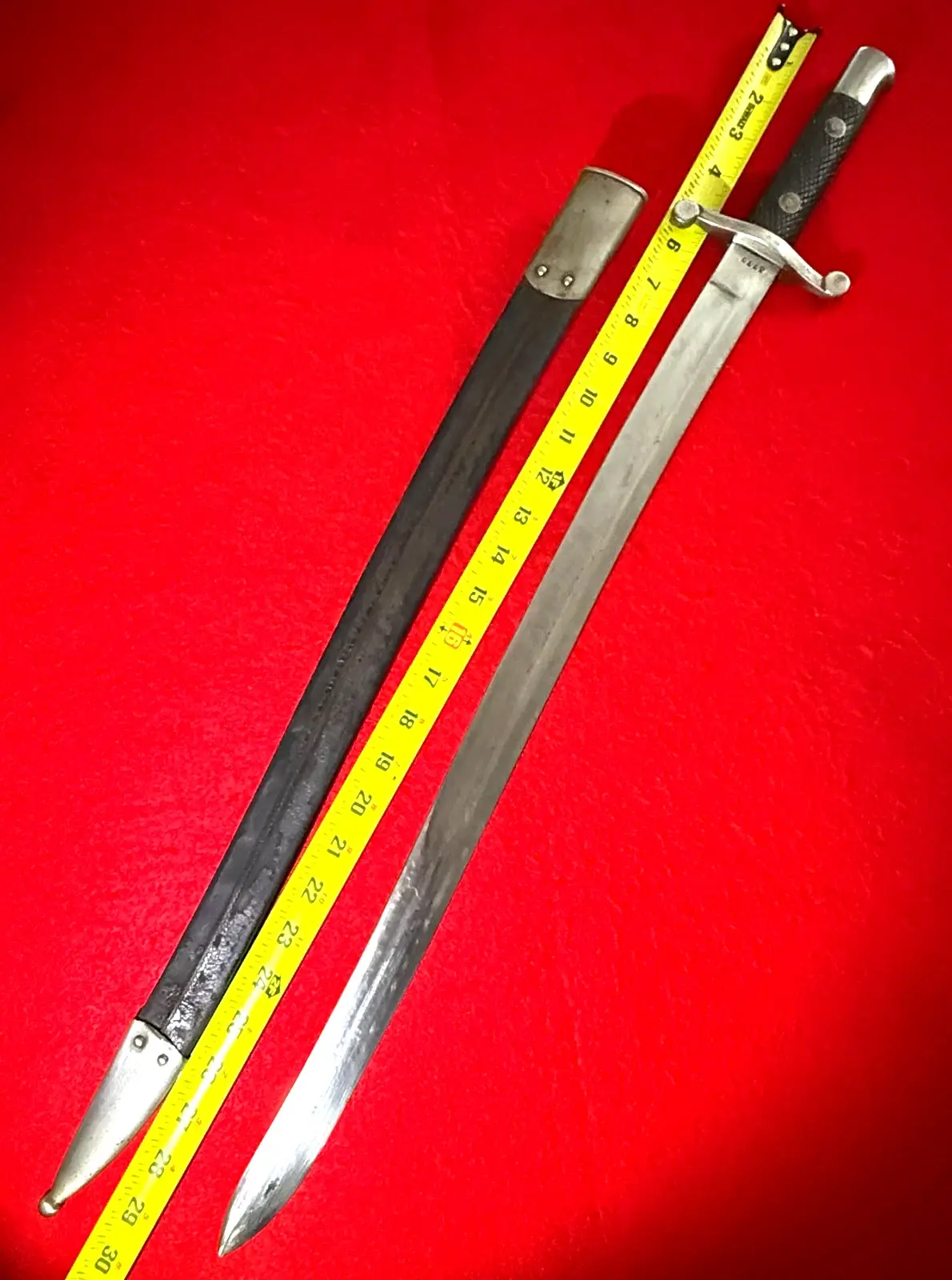
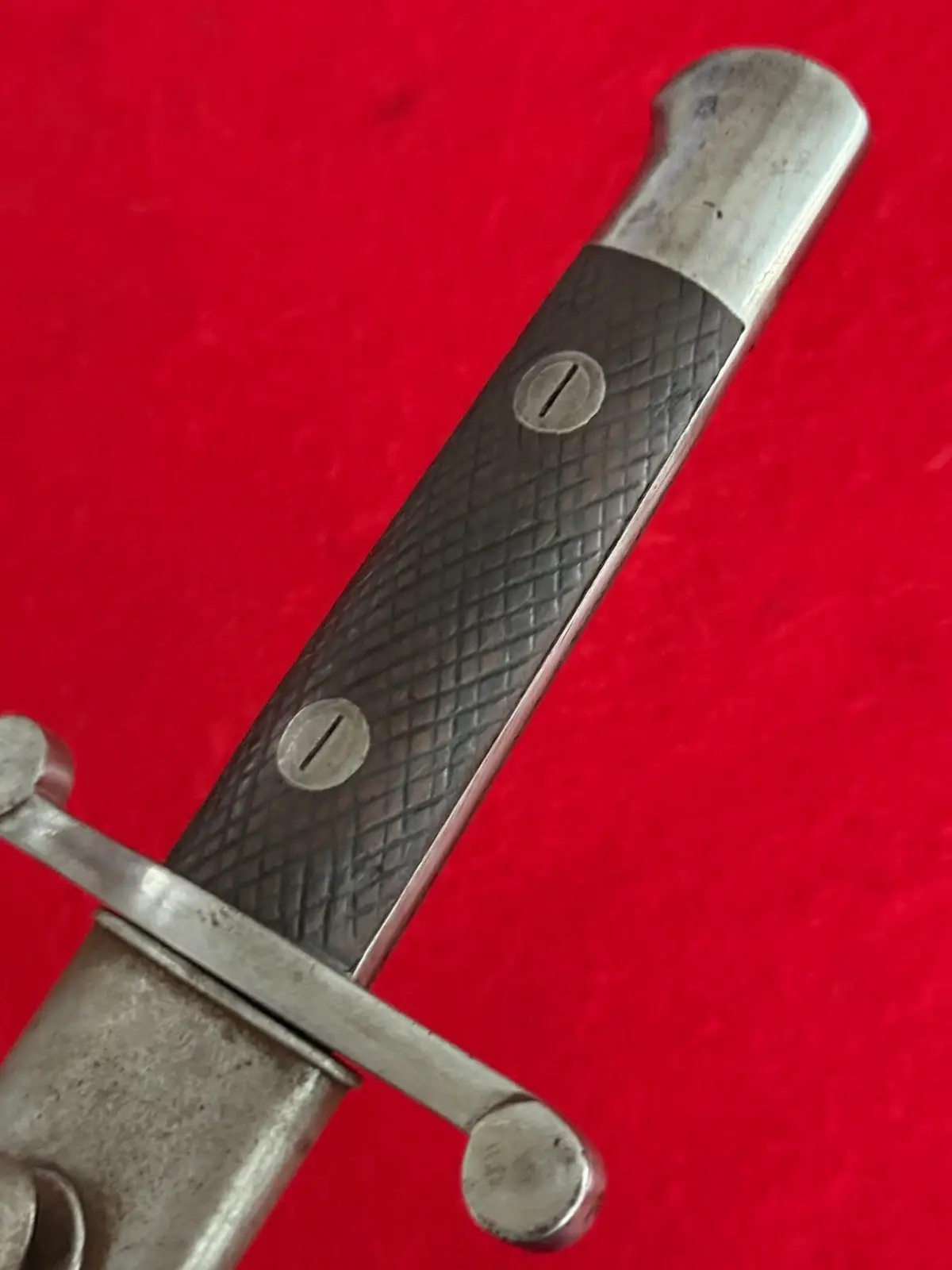
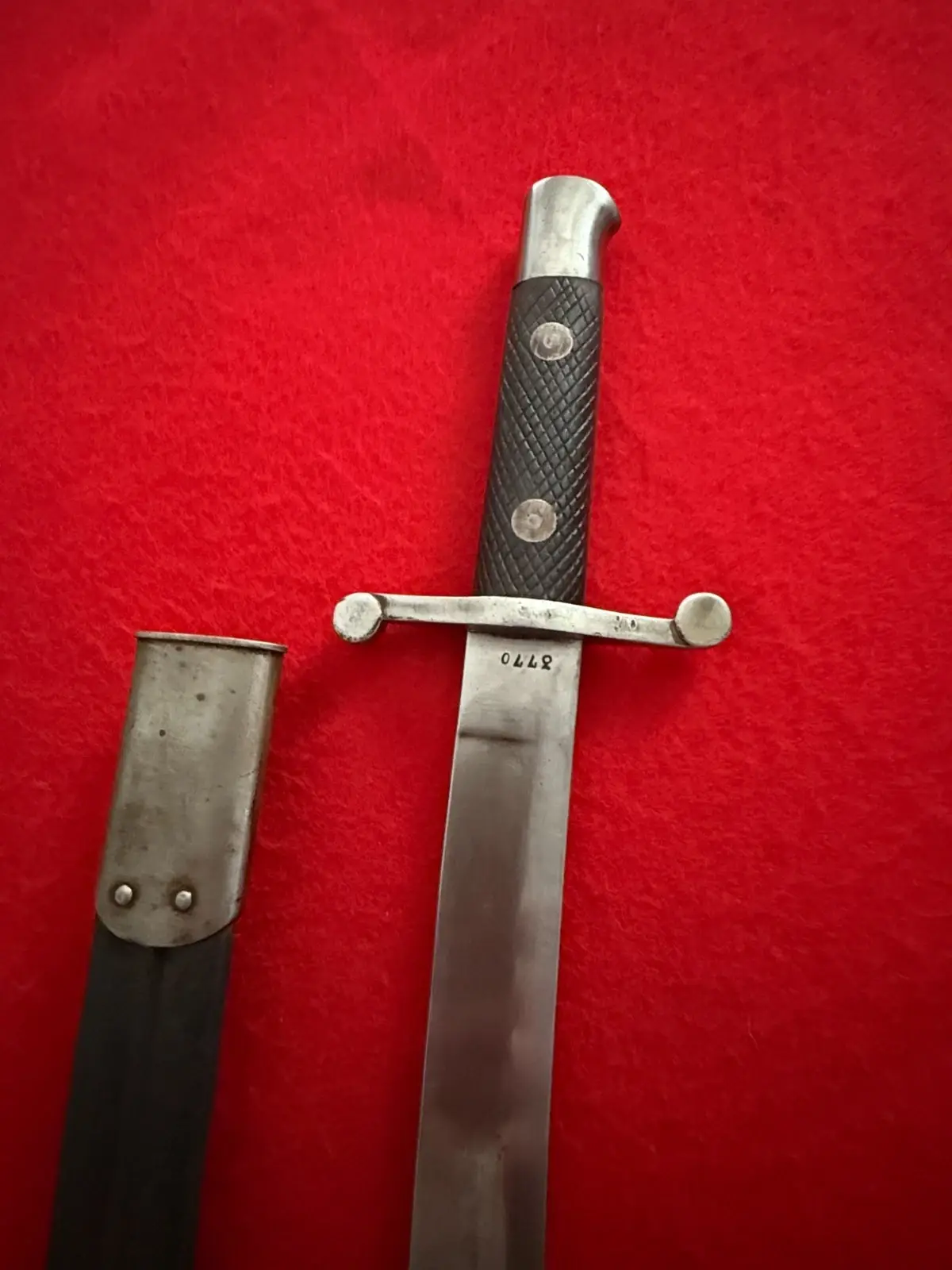
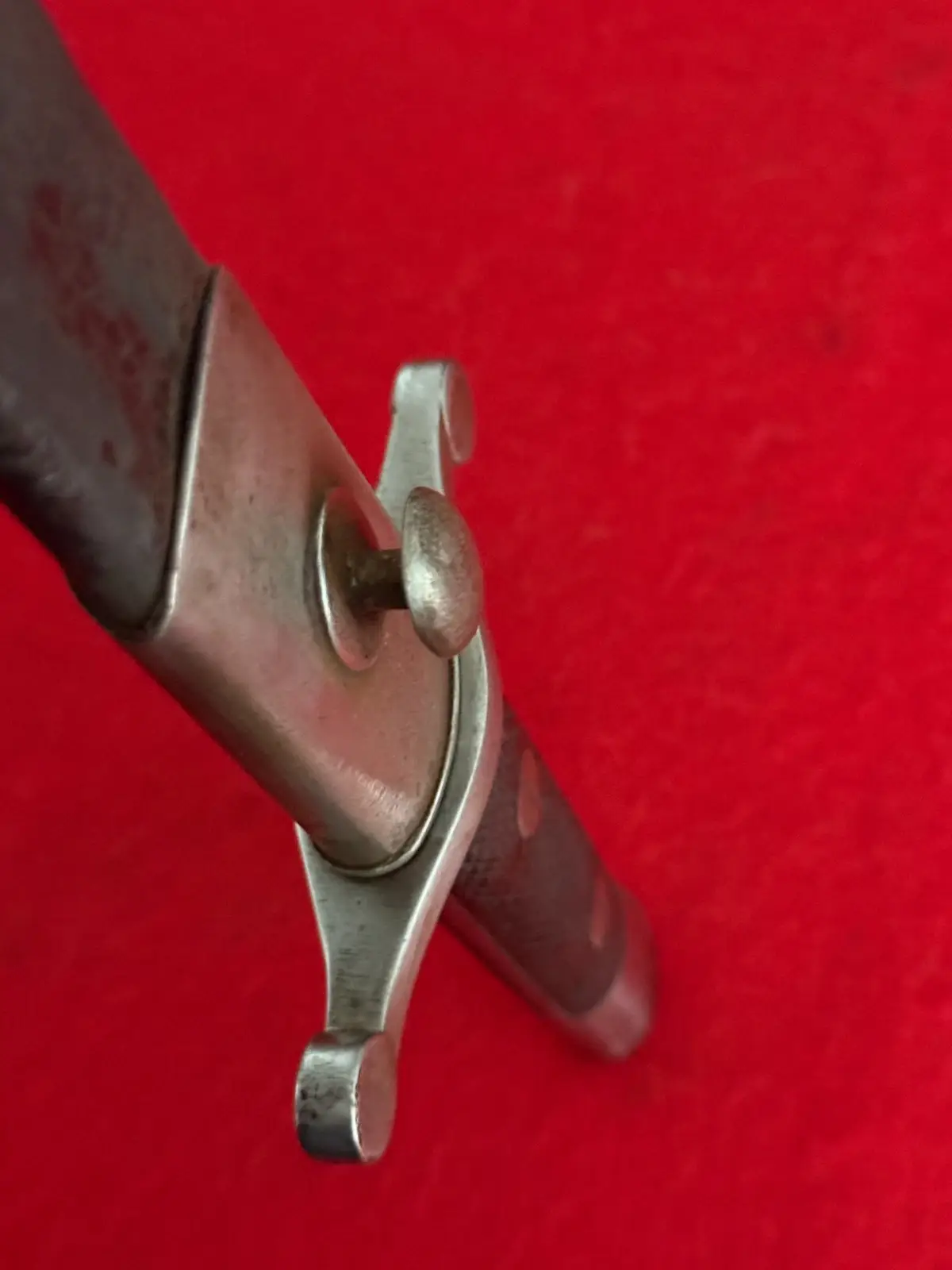
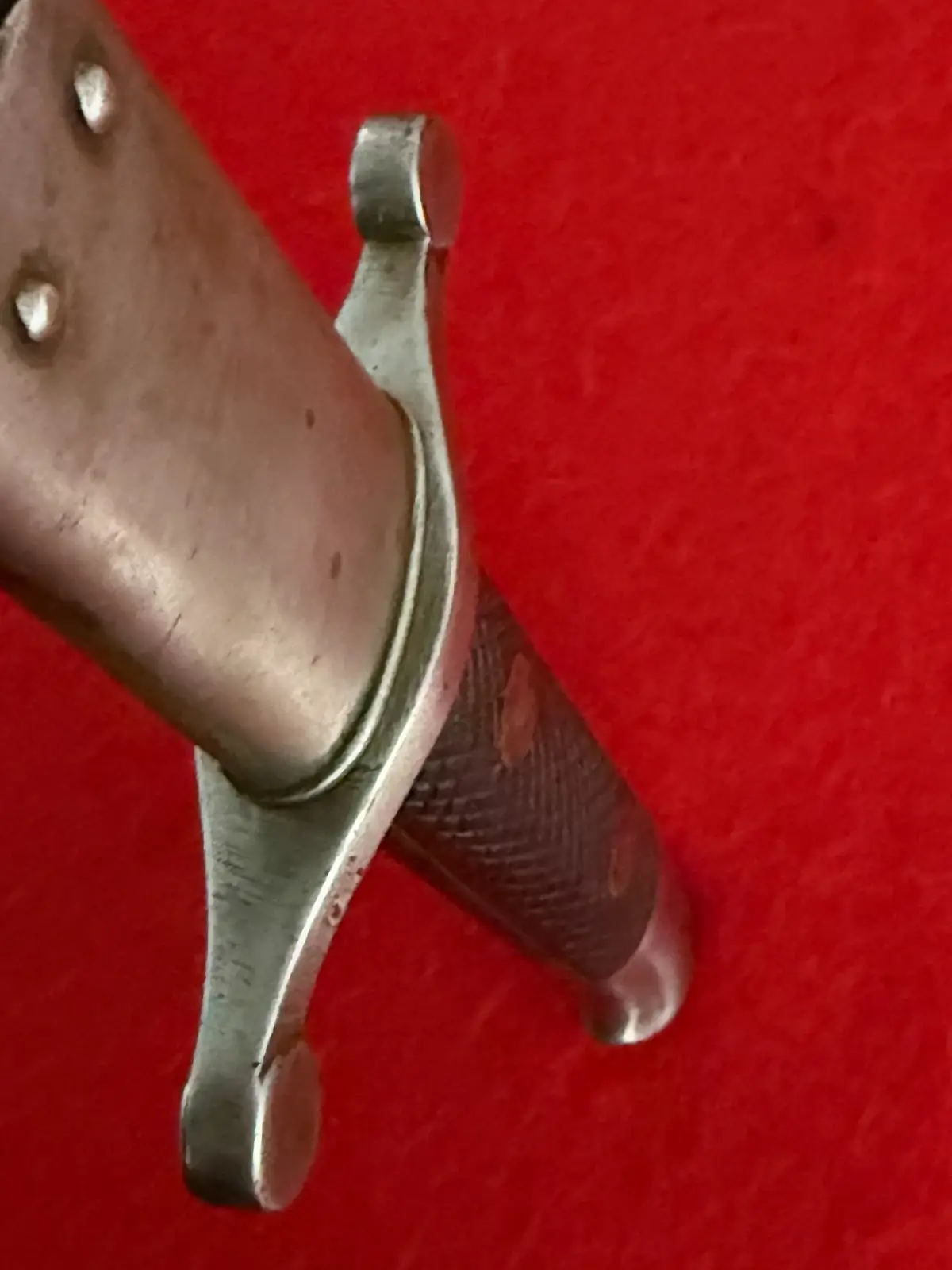
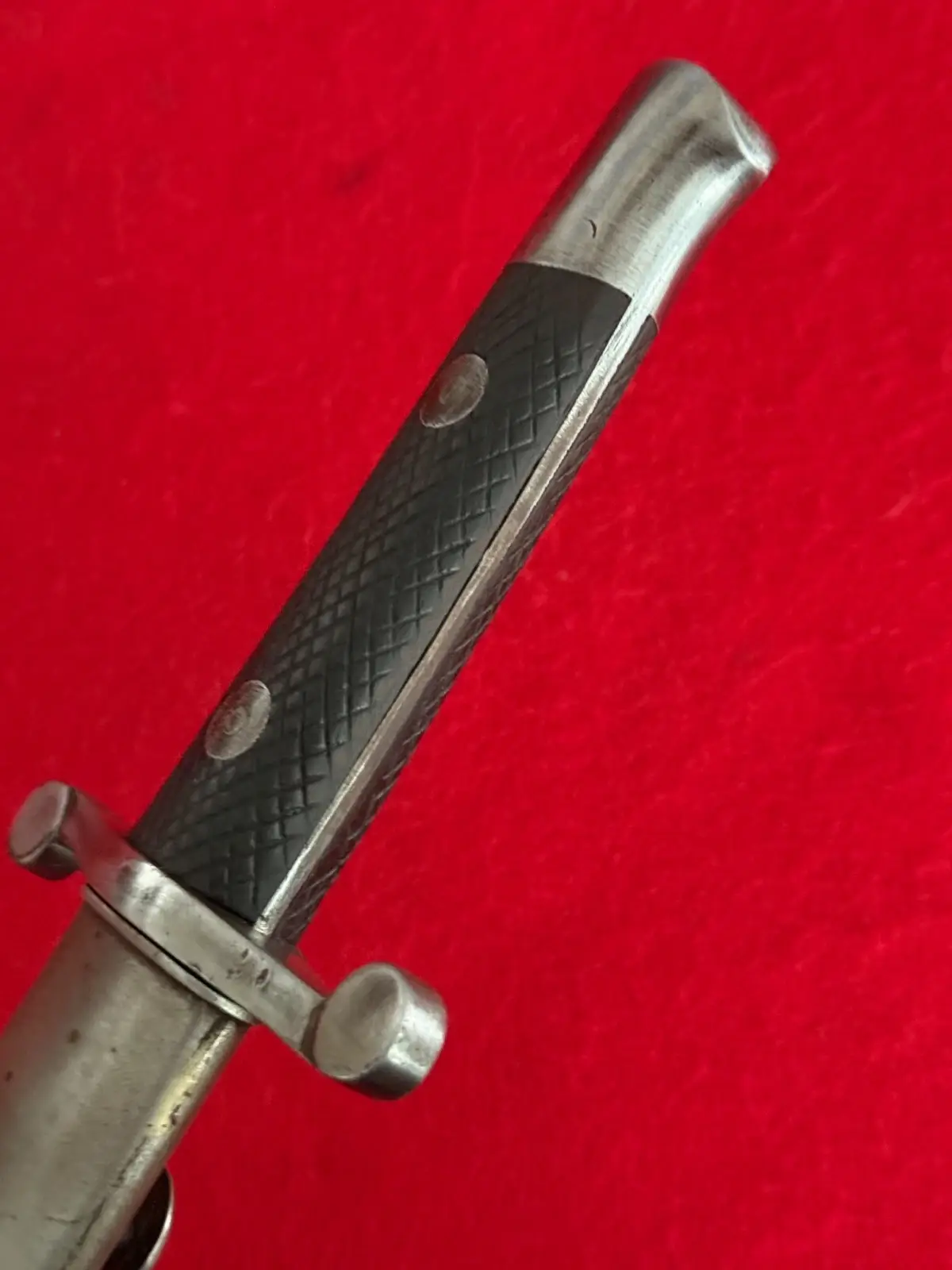
Original German WW1 Cavalry Saber
Description: German WWI Cavalry Officer's Sword
This distinguished sword is a German WWI Cavalry Officer's Sabre, a piece that embodies the military traditions and craftsmanship of early 20th-century Germany. Used by cavalry officers during World War I, this saber was both a status symbol and a functional weapon.
Key Features:
Era: World War I (1914-1918)
Origin: Germany
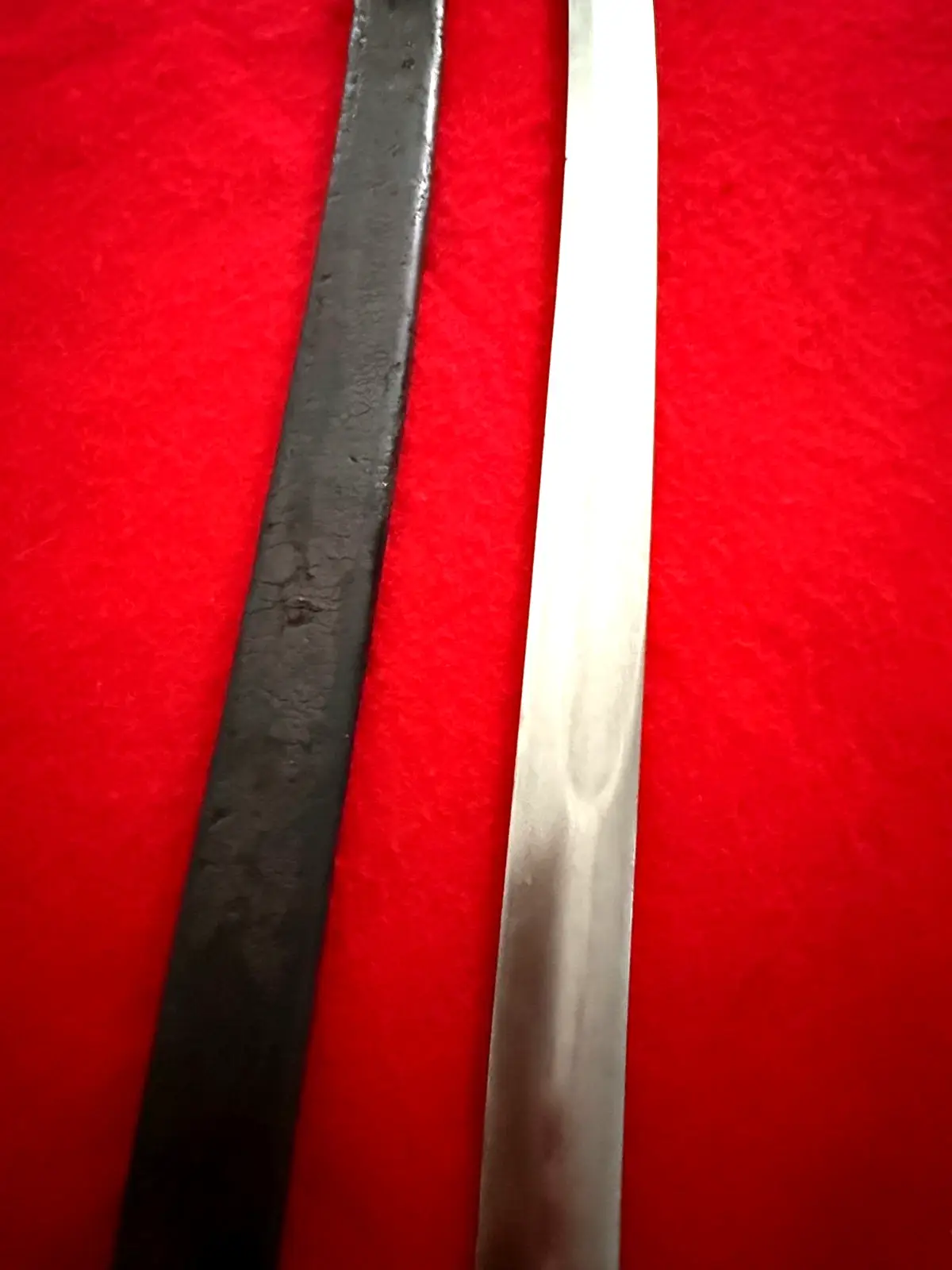
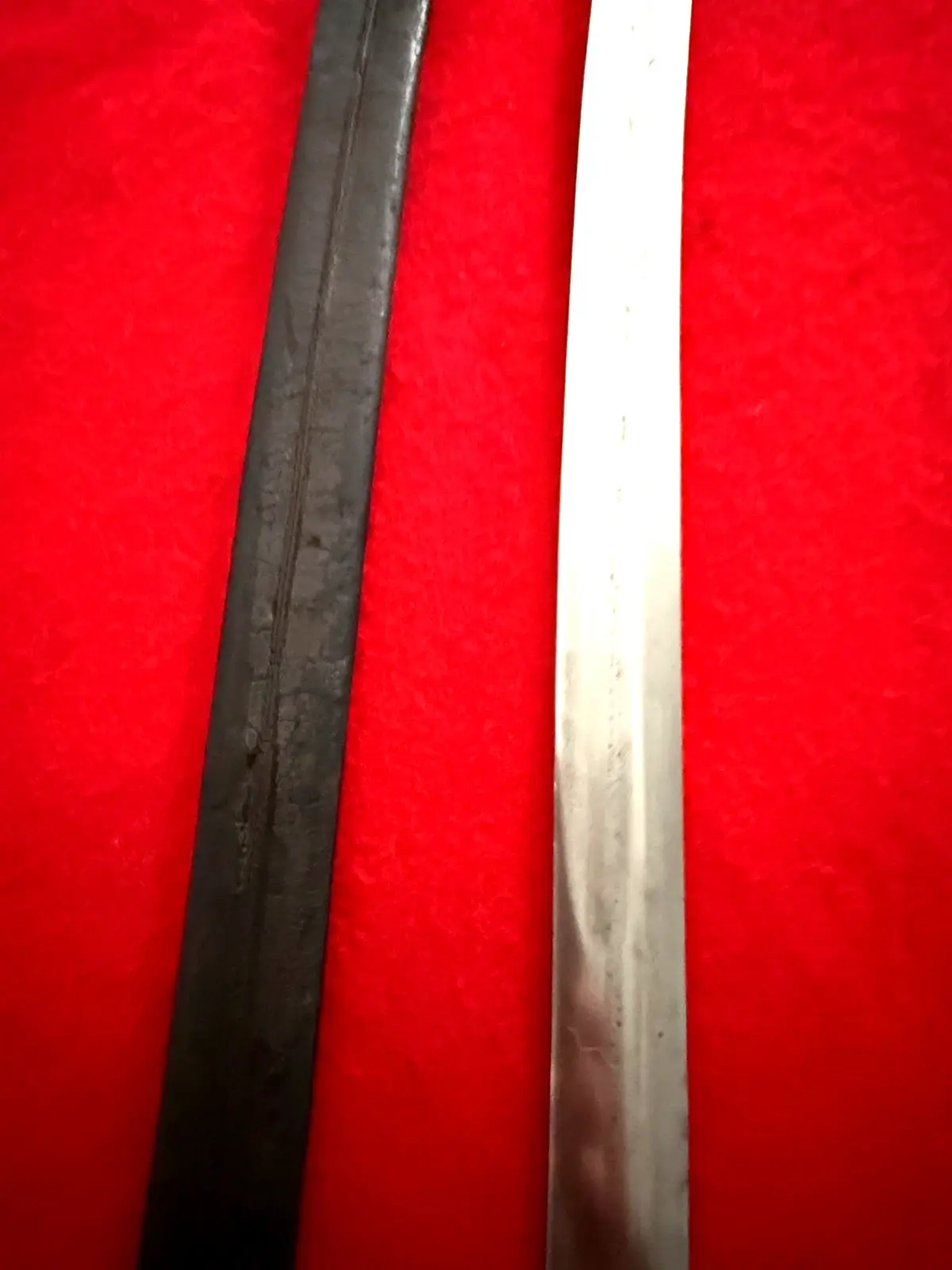
Blade: Curved and single-edged, designed for effective slashing while mounted. Often features intricate etchings or decorations.
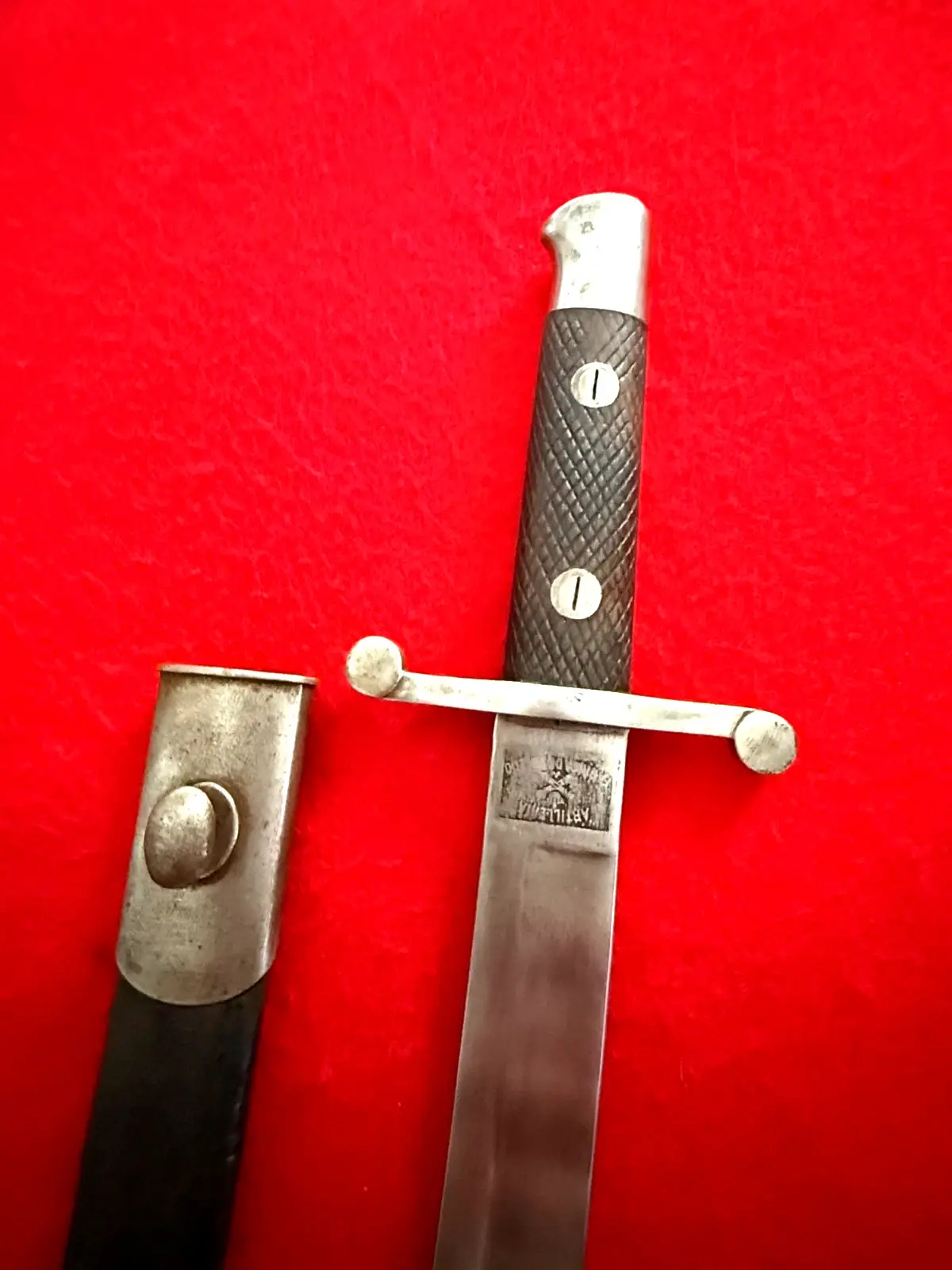
Hilt: Brass or steel with an ornate guard, often featuring a knuckle bow and a wire-wrapped or leather grip for secure handling.
Pommel: Typically rounded or slightly ornate, designed for balance and added decoration.
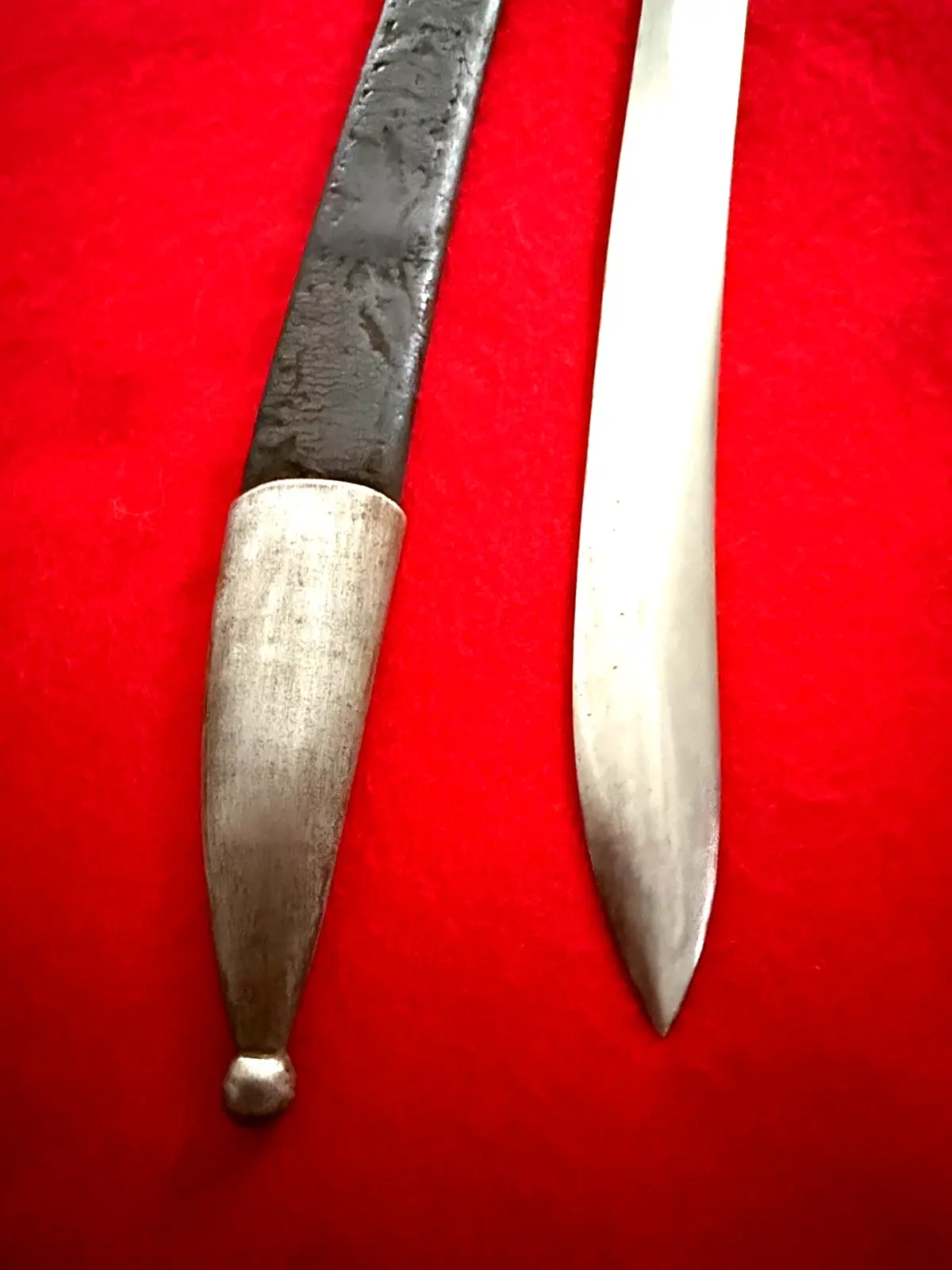
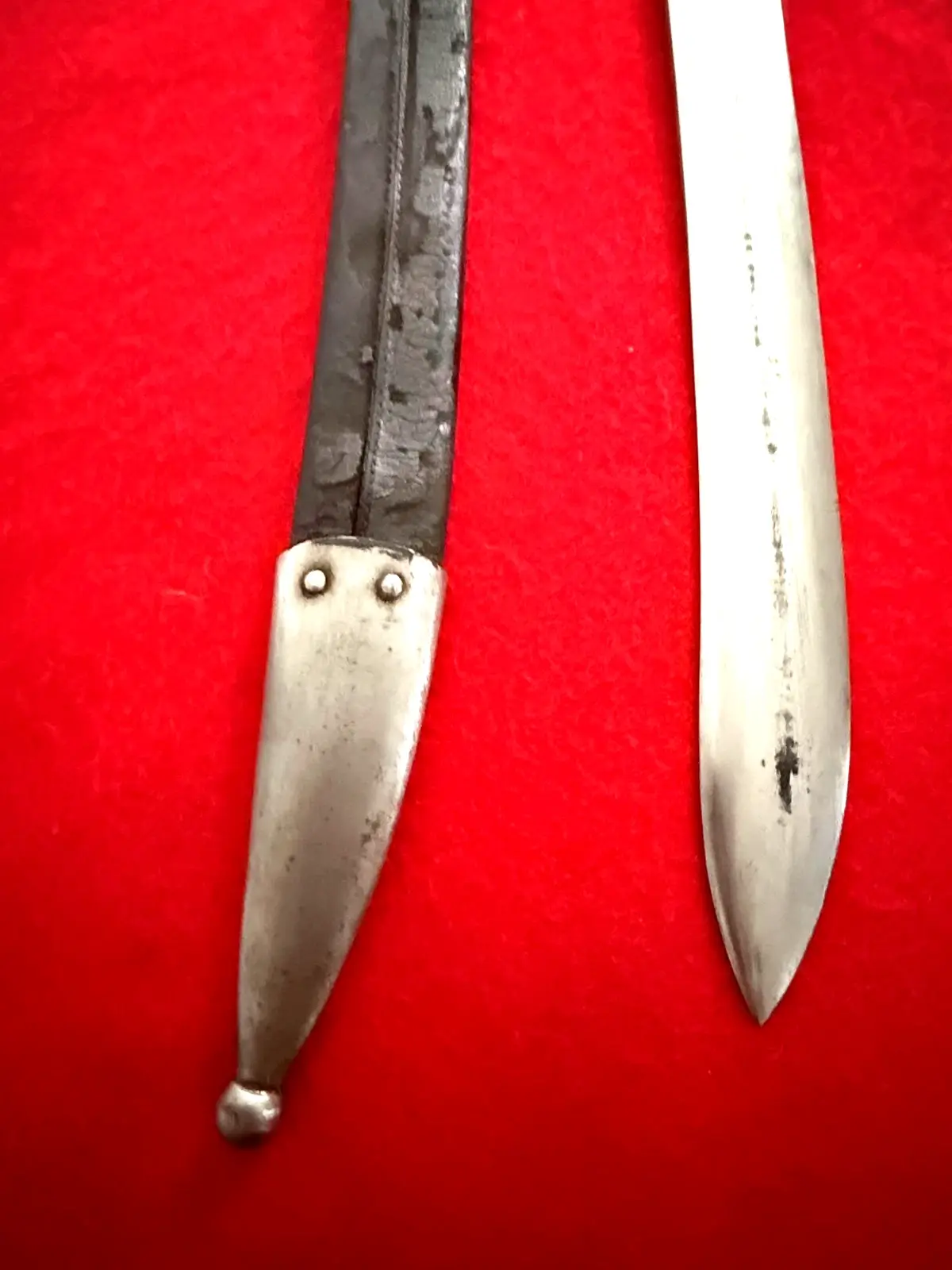
Scabbard: Made of metal, often painted black or blued, with fittings for attaching to a belt or saddle.
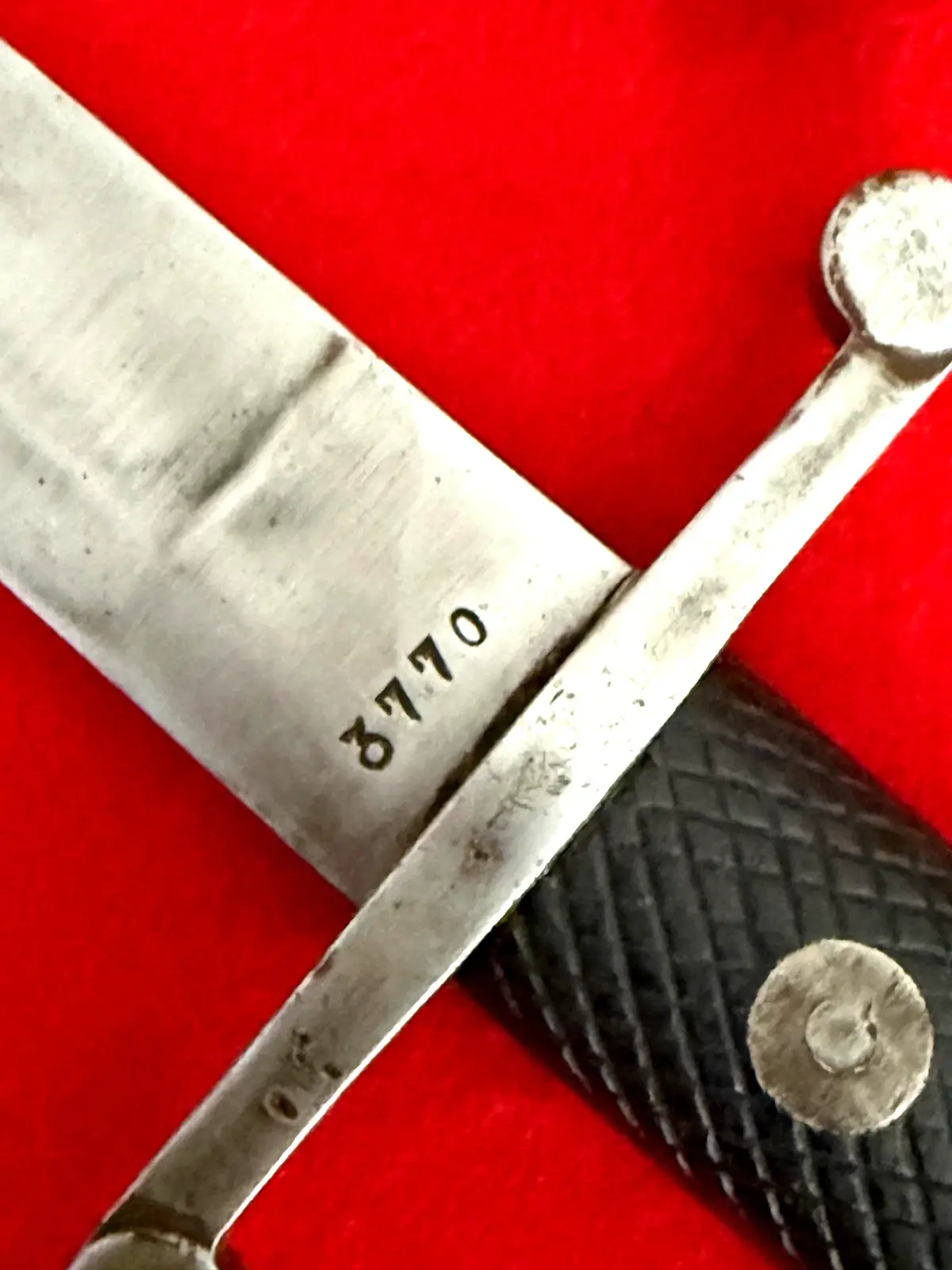
Markings: May include manufacturer’s marks, regimental identifiers, or other historical inscriptions.
Condition: Excellent antique condition with minor signs of age, preserving its historical integrity.
This German WWI Cavalry Officer's Sword is a significant piece for collectors and military history enthusiasts. It offers a tangible connection to the officers who led cavalry charges and maneuvers during one of the most significant conflicts in history, reflecting both the artistry and the martial traditions of the time.