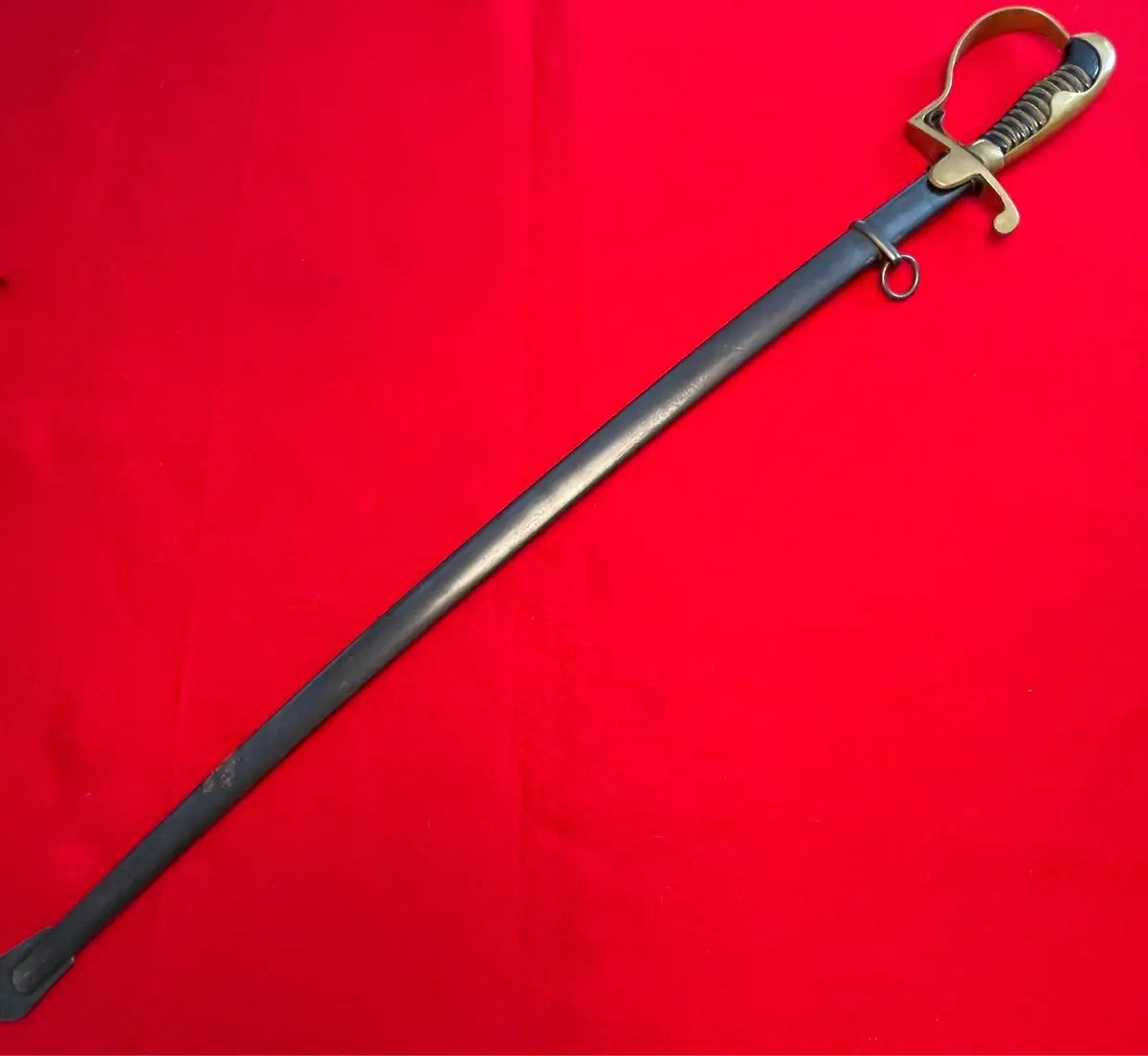
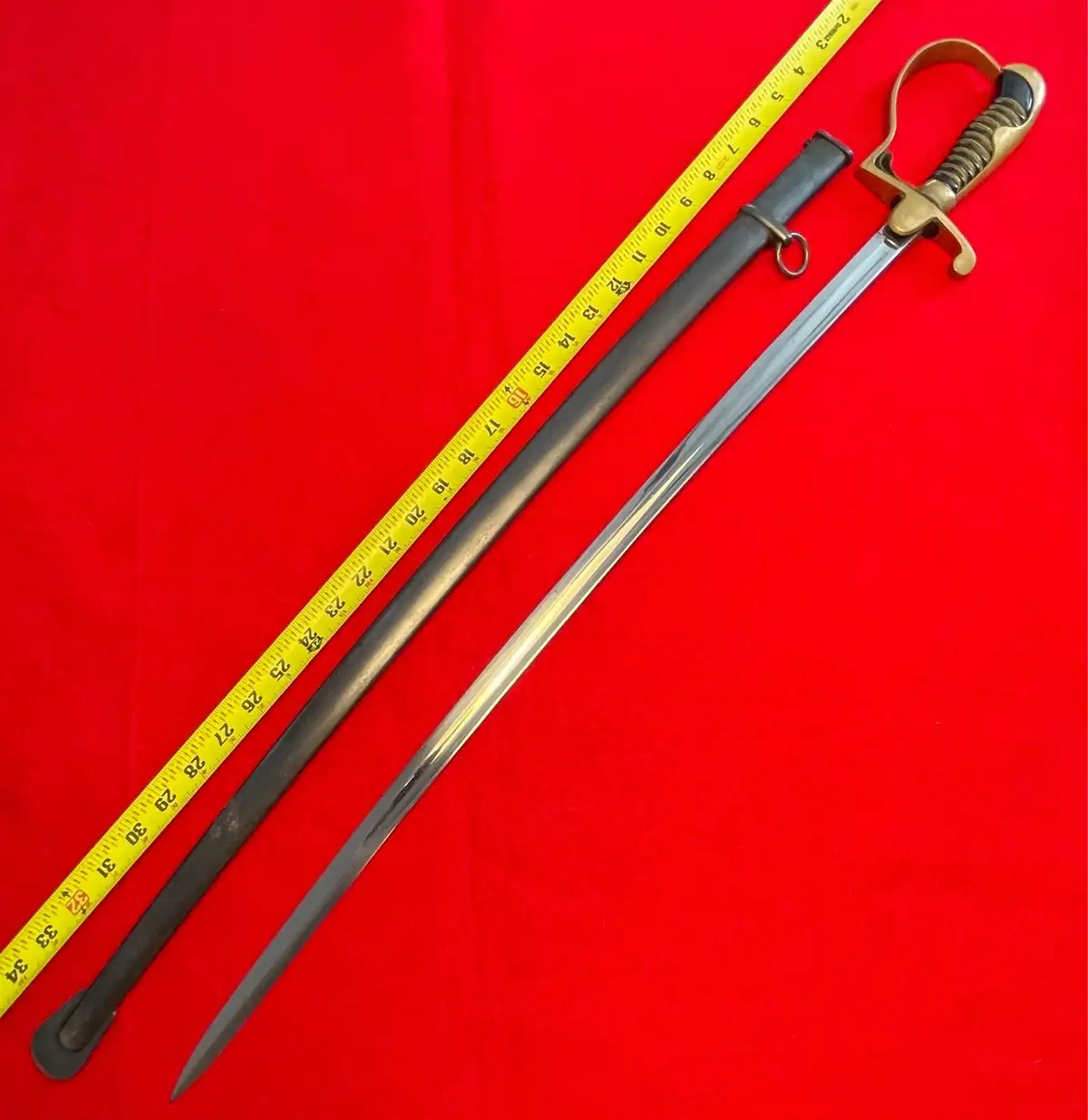
Carl Eickhorn
Known in the trade as Eickhorn.
A Solingen firm founded in 1865 whose squirrel mark changed six times in thirty-five years — which is what makes its blades datable, and whose largest years were its worst ones.
A grinder's town and a punning mark
Solingen sits above the Wupper, and the river is the reason it makes blades. Water wheels in the valley cottages — the Kotten — drove grinding stones from the fourteenth century. The knifemakers' guild is first recorded in 1571.
Carl Eickhorn founded his firm in 1865, into a trade already five centuries deep. The mark he chose was a joke about his own surname: Eichhörnchen is German for squirrel. Between 1906 and 1941 the squirrel appears on Eickhorn blades in six different forms, and in the last war years it comes off the blades altogether.
That sequence is what makes an Eickhorn blade datable, because the firm kept redrawing the mark and collectors have mapped the changes to years.
Kitchen knives, then sword blades
Eickhorn began with steel goods for the household and the hunt. The company's own account puts a first production building at 1875 and a second at 1885. In 1900 it built its first large factory.
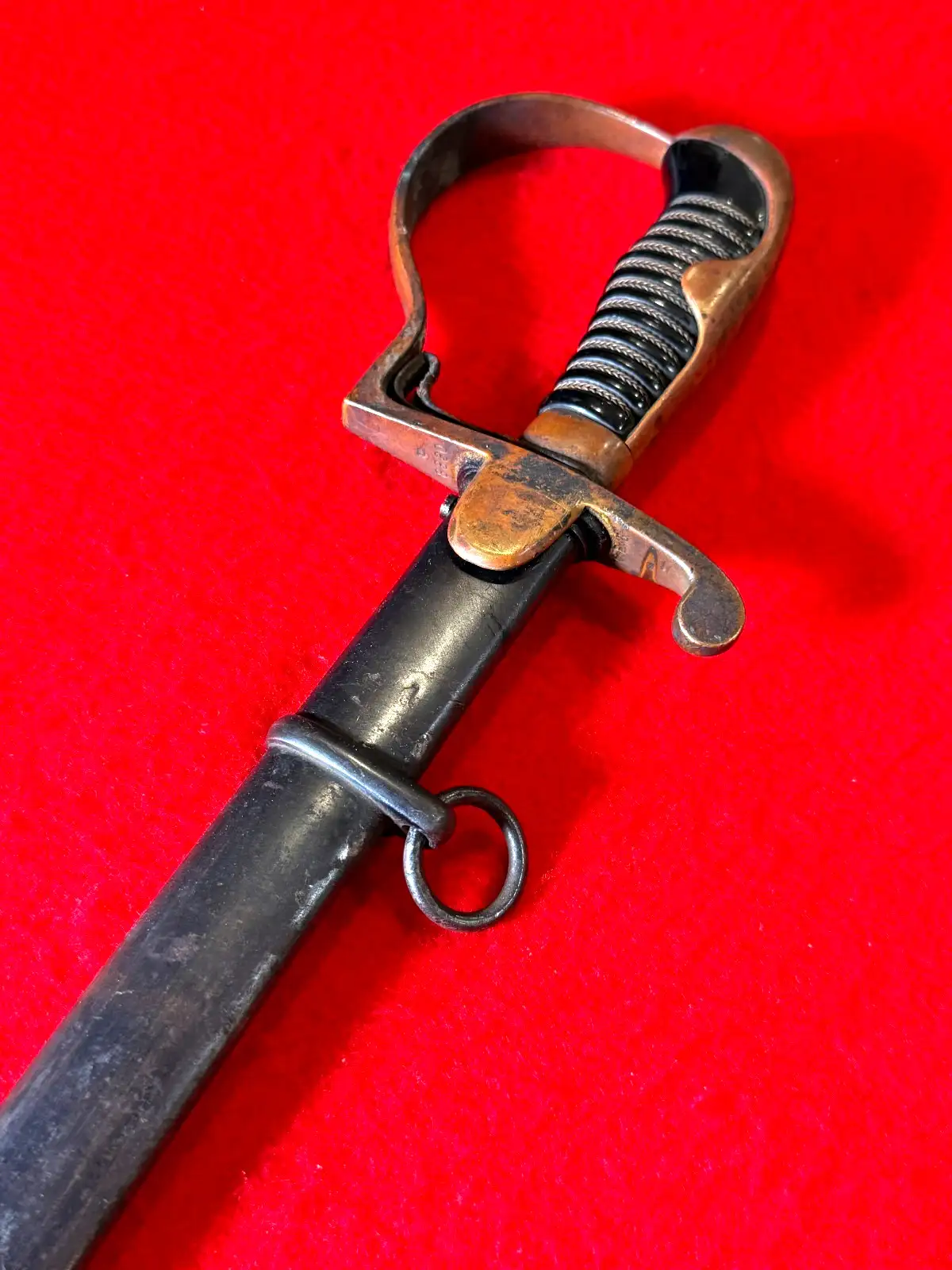
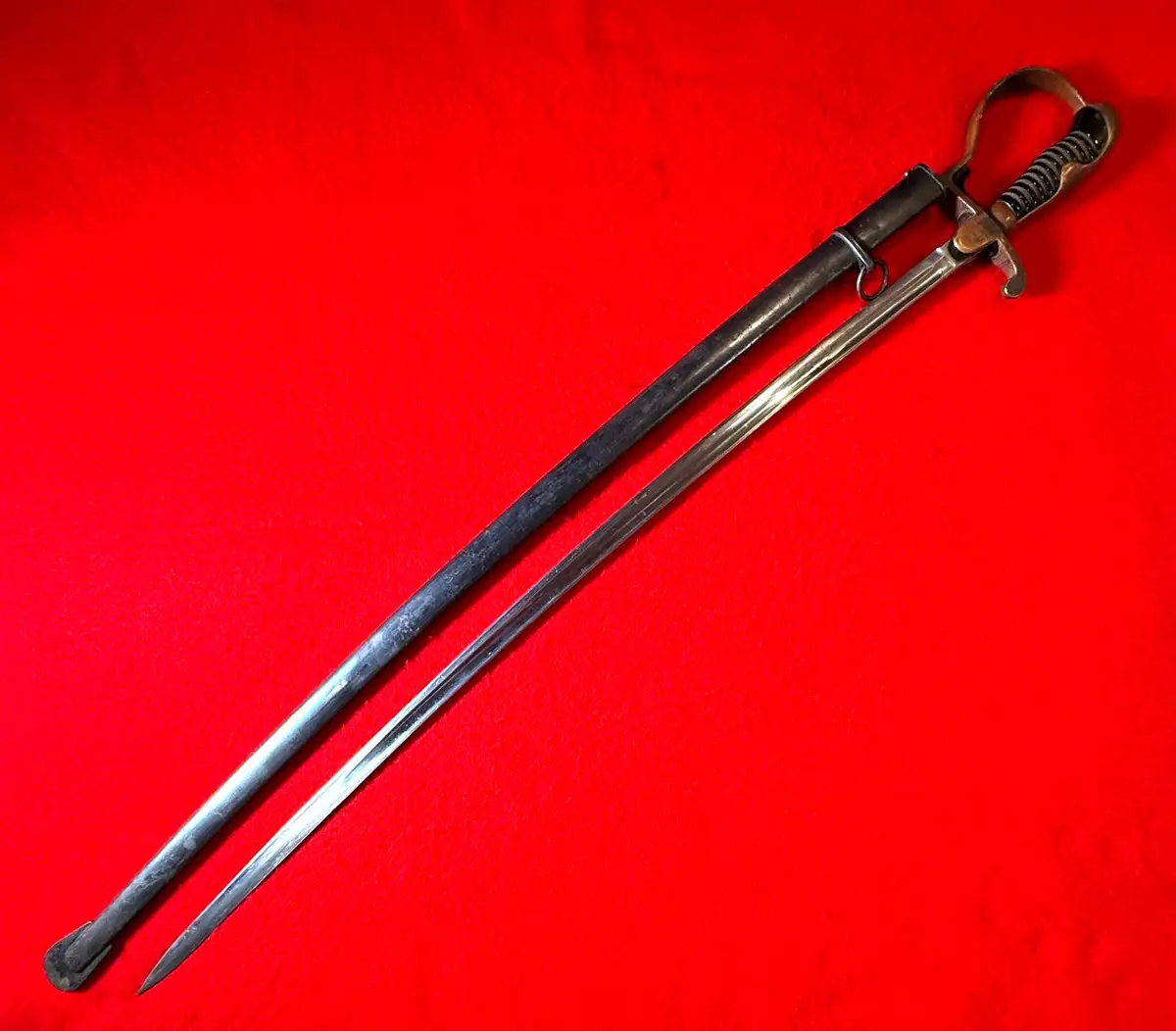
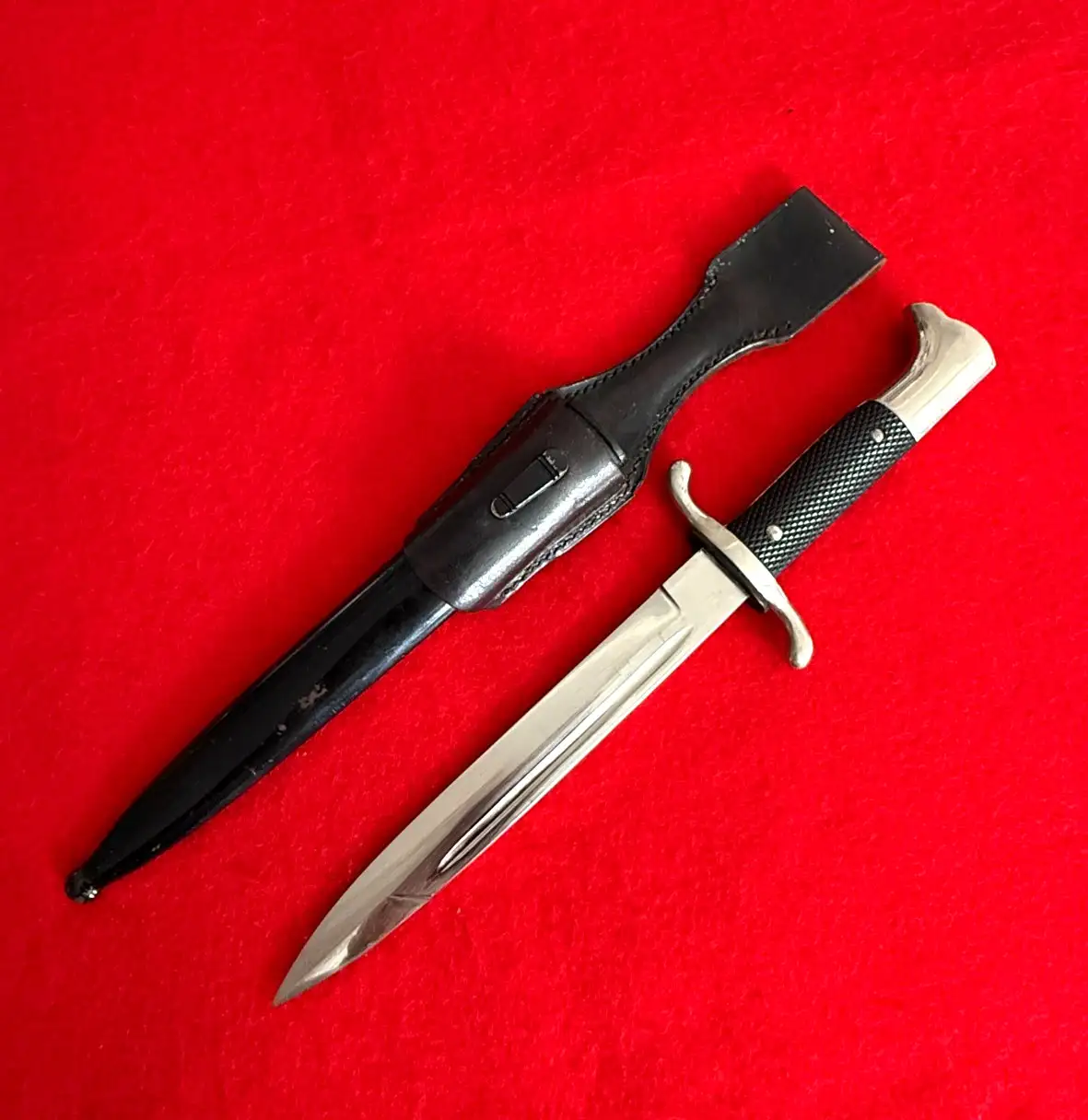
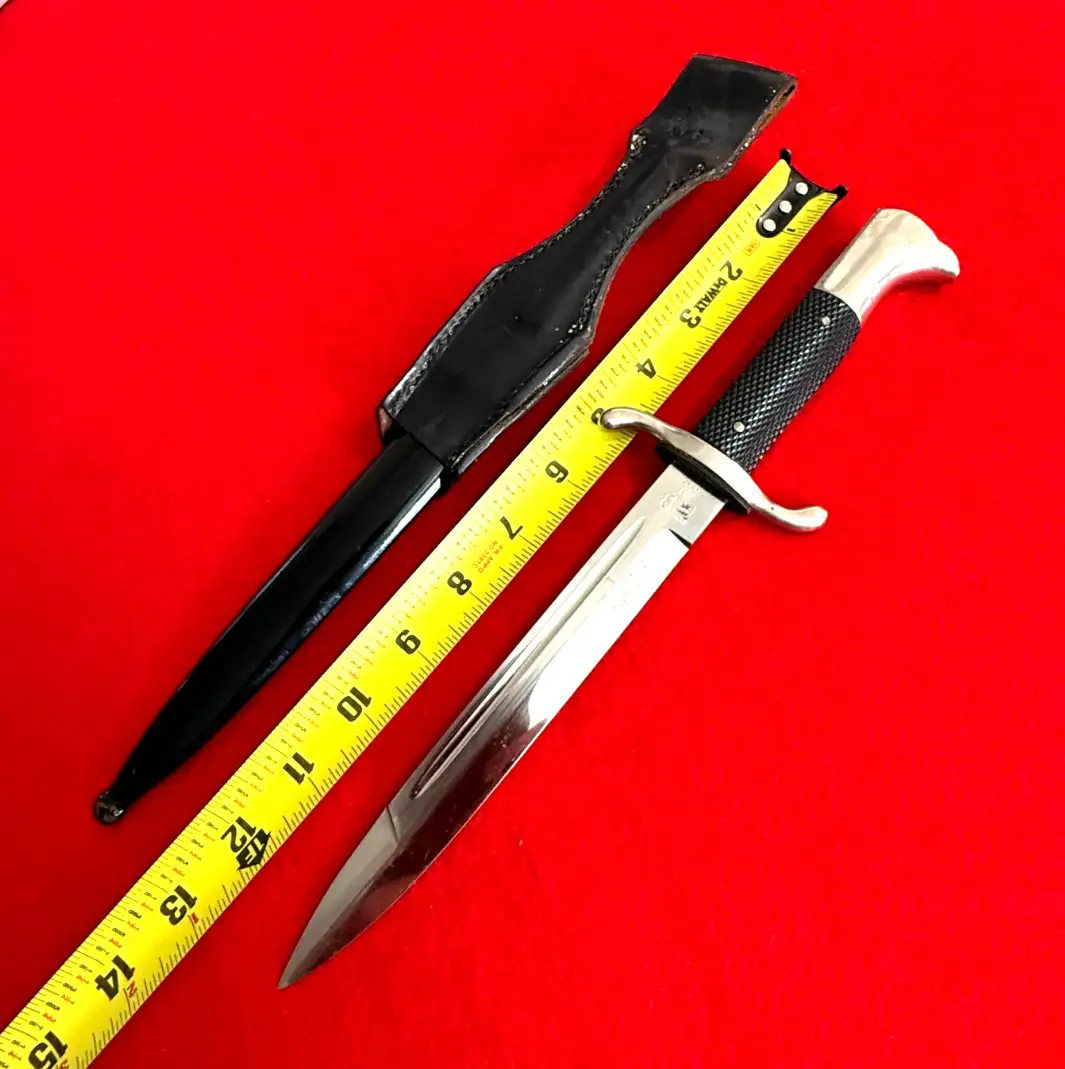
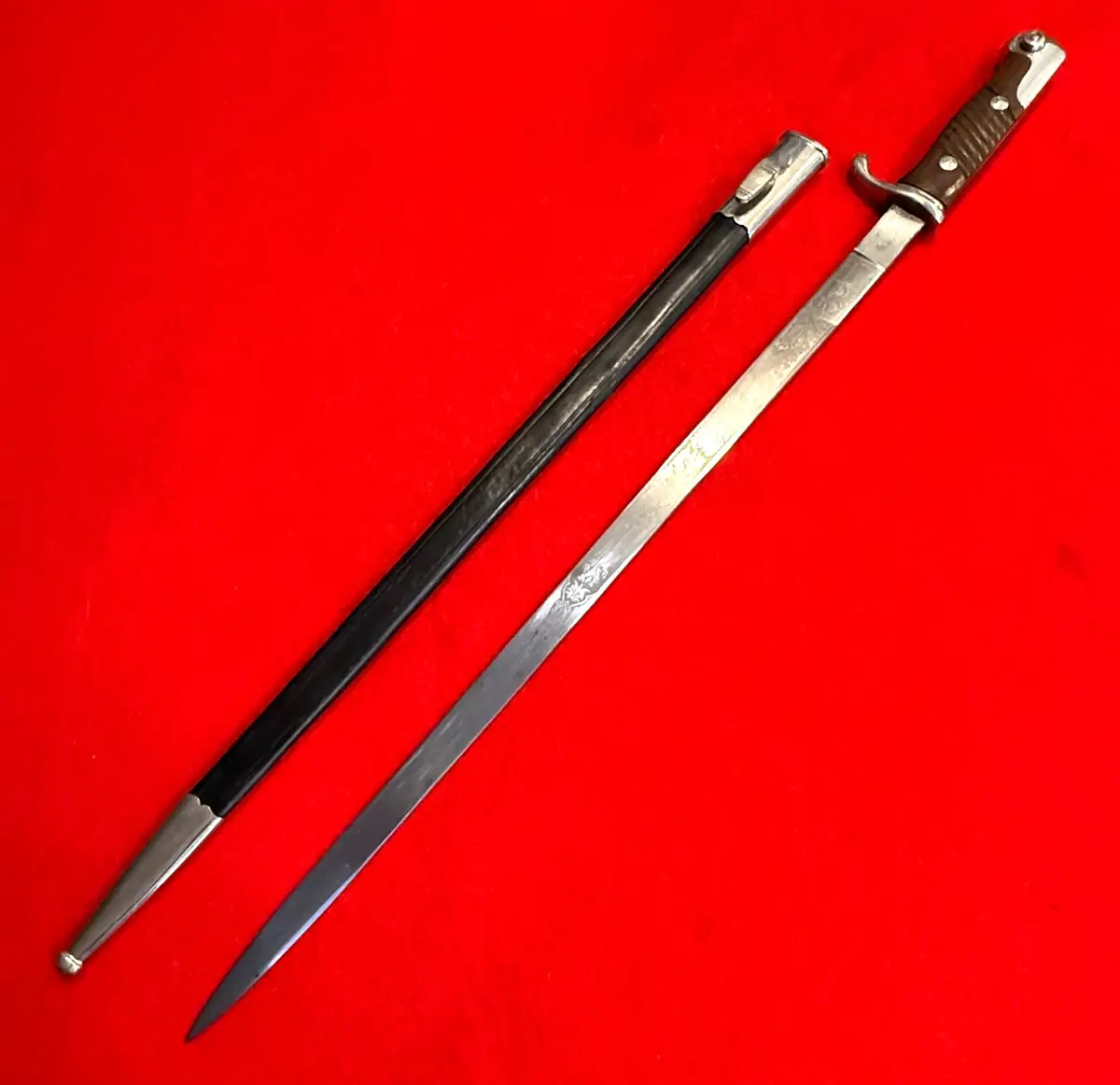
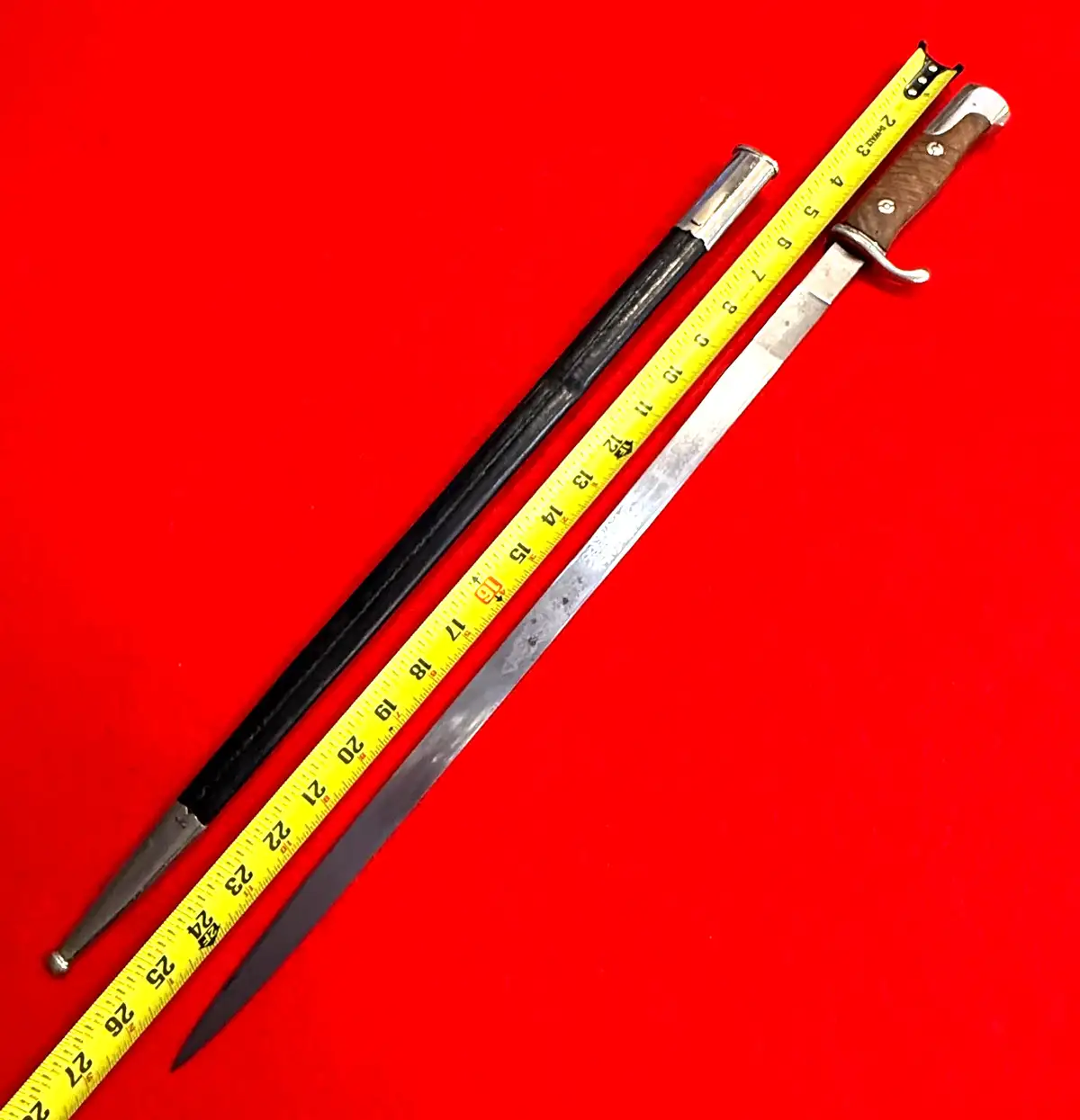
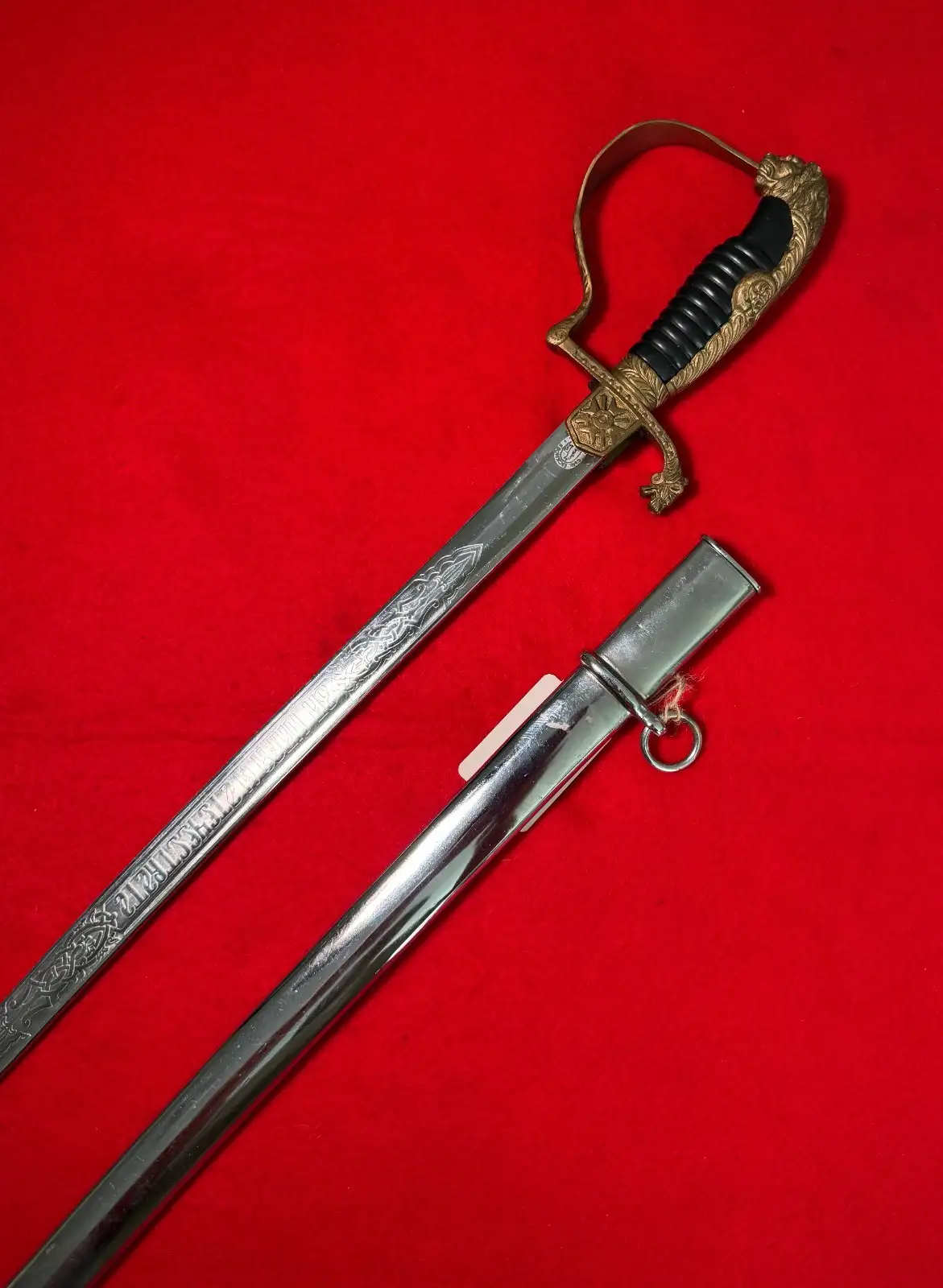
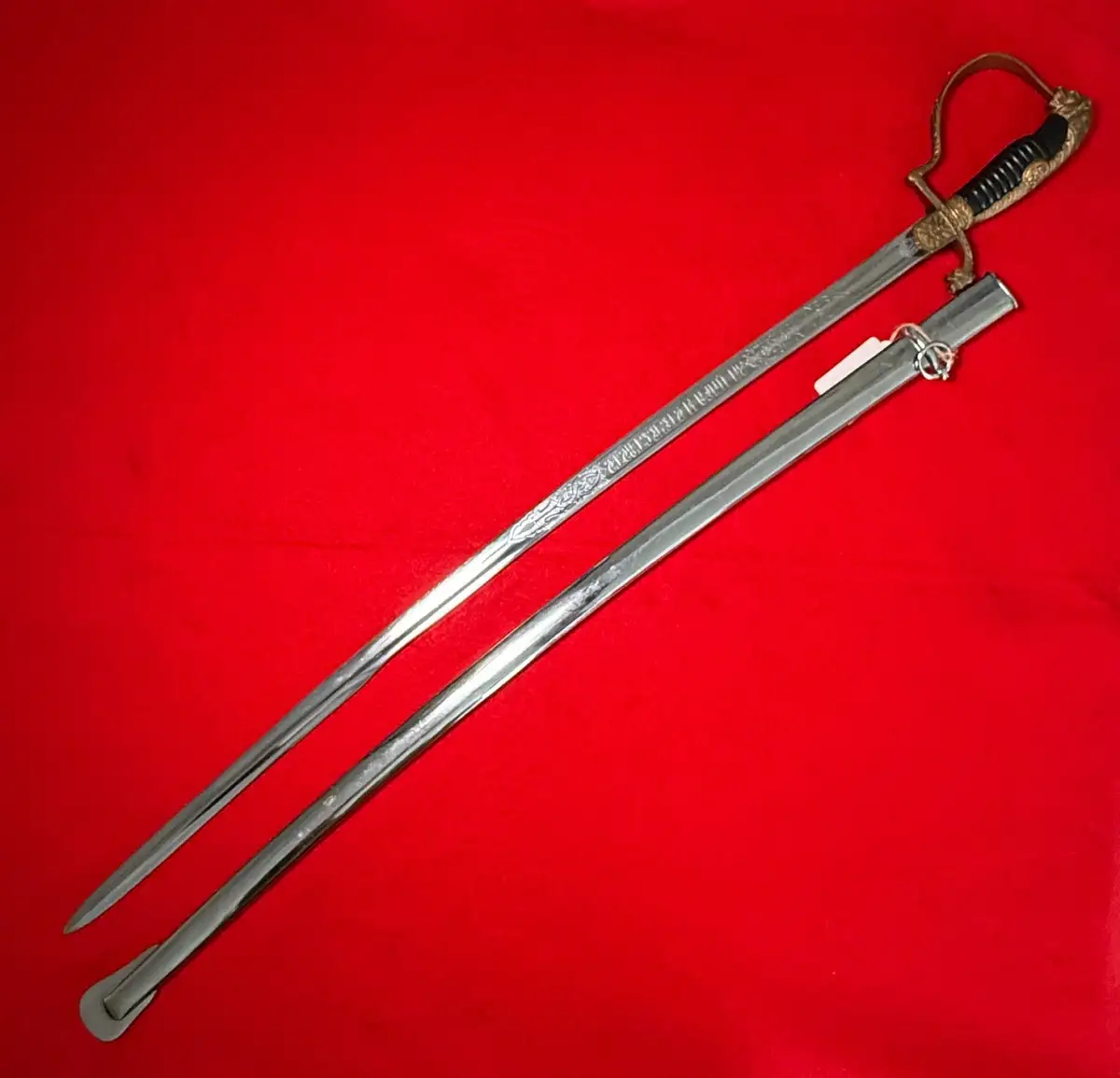
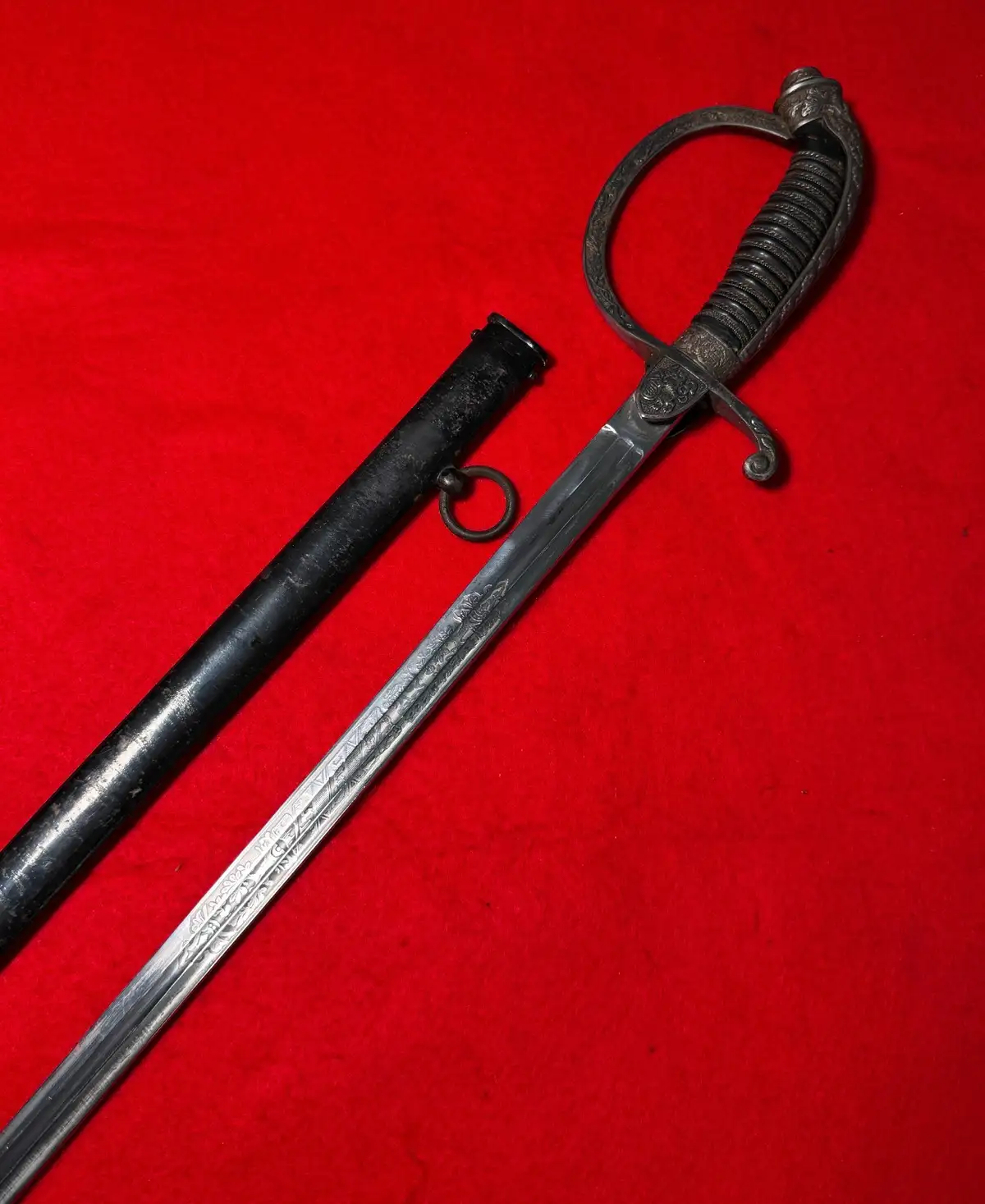
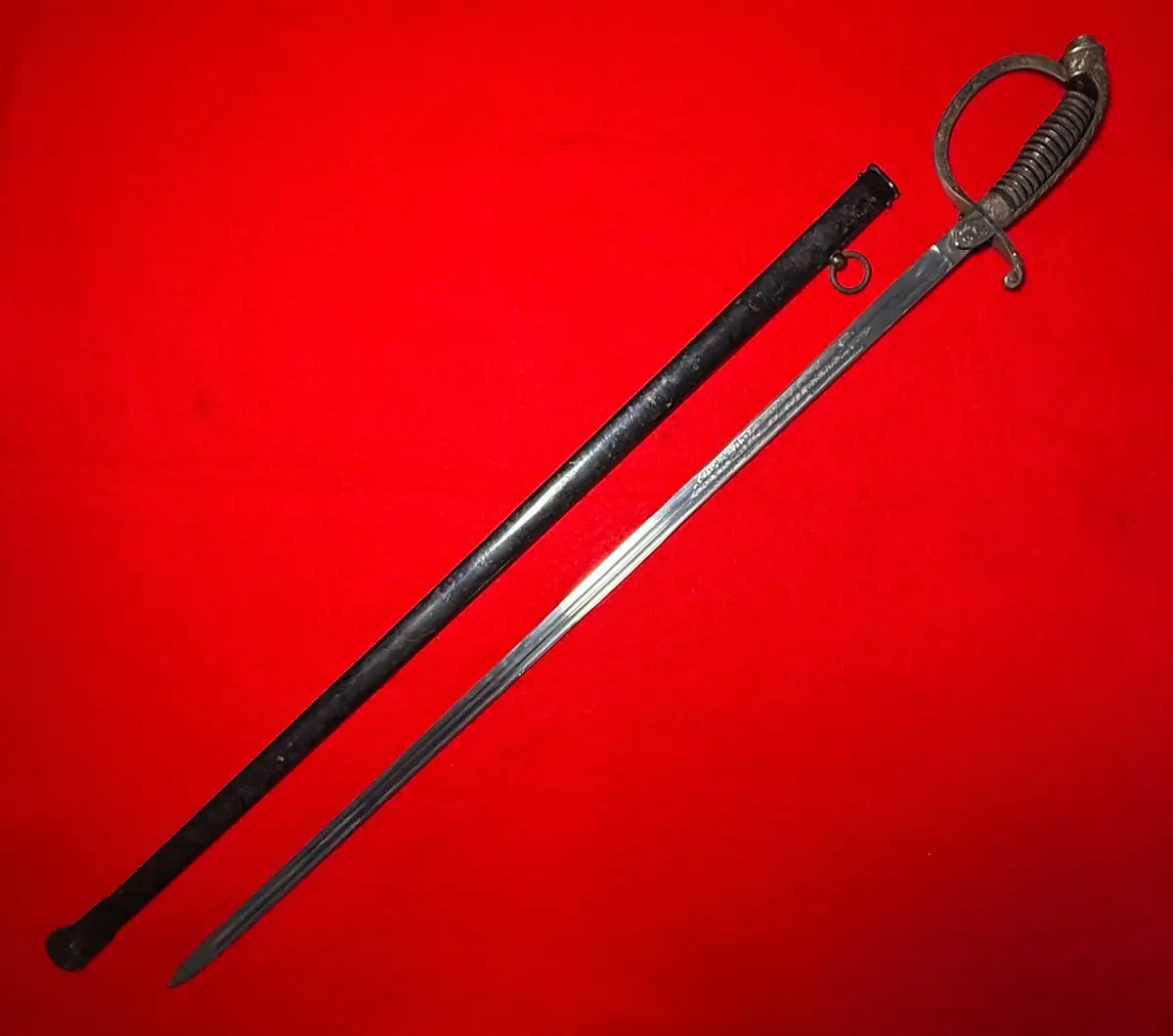
In the First World War its blades went out as cavalry sabres, dove's-head and lion's-head officers' swords, bayonets, and trench knives. The German close-combat knife came both as ordnance issue — the War Ministry began distributing small numbers in 1915, with standardised allocations following in 1916 and 1917 — and as a private purchase, which is why the surviving patterns vary so widely.
Then the Treaty of Versailles capped the German army at 100,000 men and took the sword trade down with it. Eickhorn spent the 1920s back on cutlery.
1933 to 1945
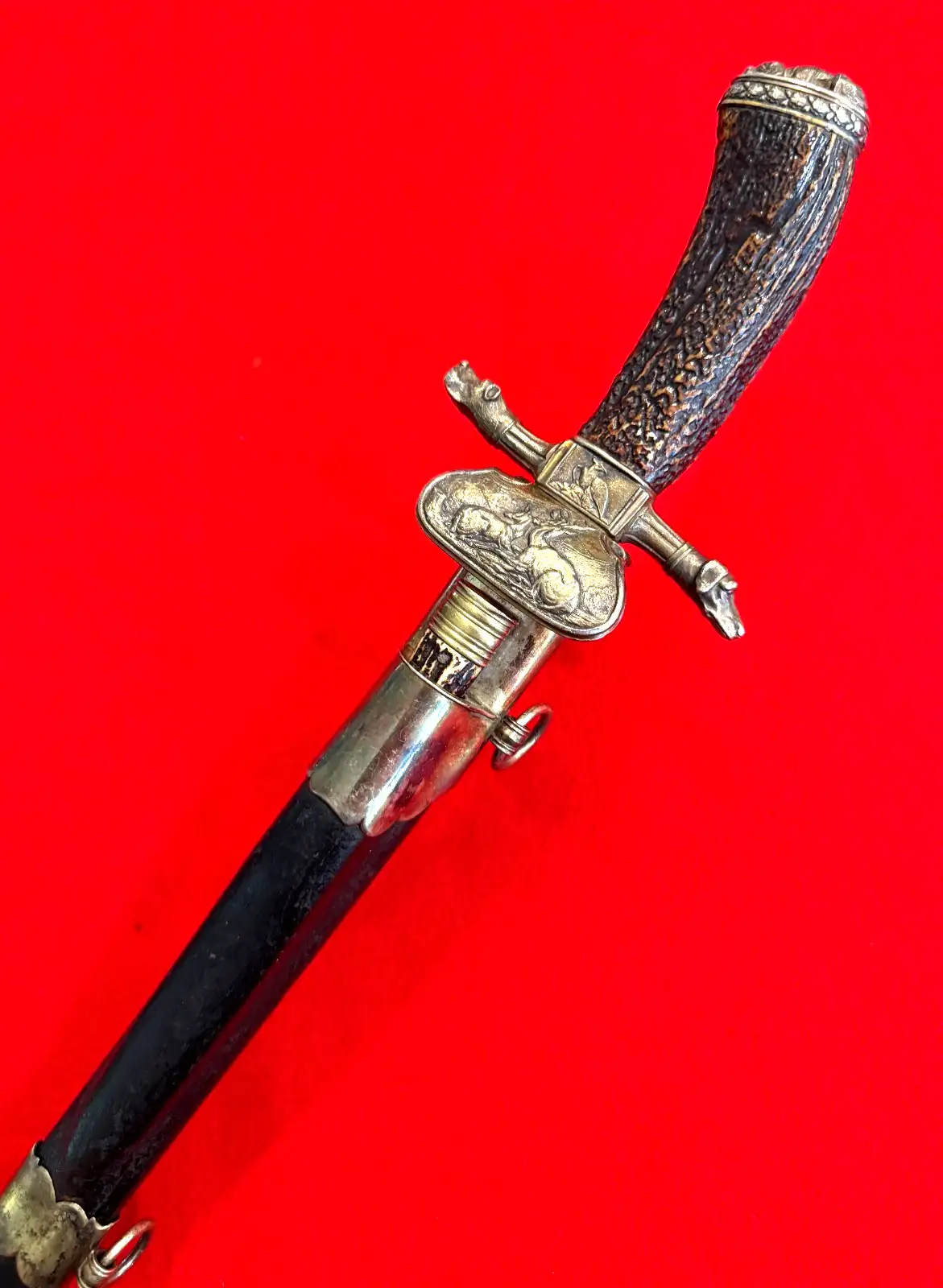
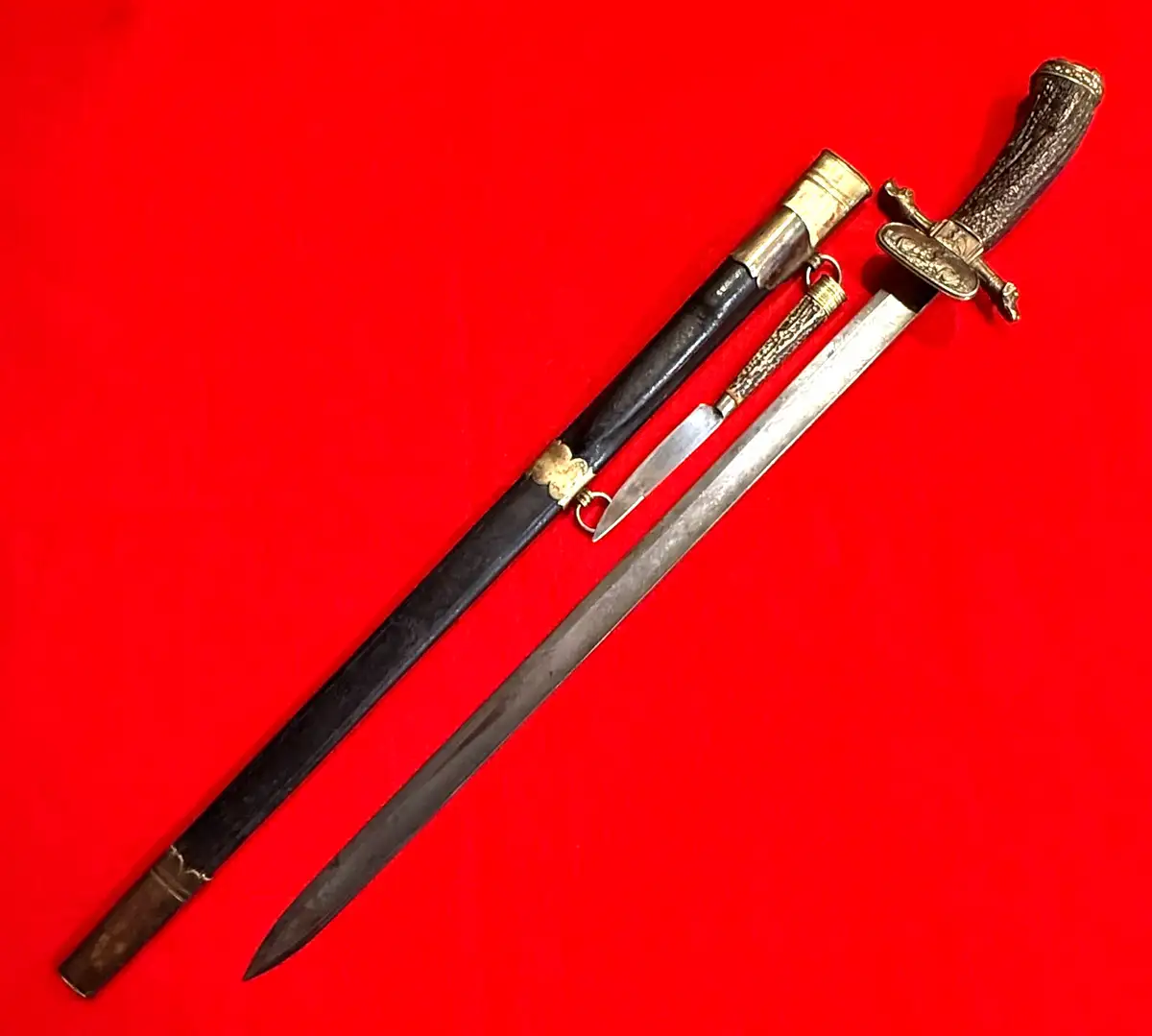
The Nazi state rearmed and it also re-costumed. Party formations, service branches and uniformed civil offices were given daggers and hewers of their own patterns, and Solingen made them. Eickhorn made them in volume: SA and SS daggers, Hitler Youth knives, Luftwaffe and Kriegsmarine officers' daggers, army officers' daggers and swords, labour-service hewers, forestry cutlasses, bayonets. These were the firm's largest years by output and they cannot be separated from what the state was doing.
The Reichszeugmeisterei, the party's procurement office, issued each approved supplier a code. Eickhorn's was M7/66 — M7 for the dagger and knife makers' category, 66 for the firm. From about 1936 the code appears on party blades. Military contracts kept the maker's own mark instead, which is why an army dagger and an SA dagger from the same building carry different stamps. Party daggers made before about 1936 carry the maker's mark like the military ones.
Paul Casberg drew for Eickhorn through this period, and more edged-weapon patterns are attributed to him than to any other designer of the era. He designed the 1935 army officer's dagger, approved on 4 May 1935 and worn by all Heer officers; he drew the version of the squirrel used from 1935; and he drew the Feldherrn Serie of army officers' swords, nine patterns named for figures from Prussian and German history — Wrangel, Scharnhorst, Freiherr vom Stein, Roon, Derfflinger, Zieten and Blücher, with Prinz Eugen added in 1938 and Lützow in 1939. The earliest drawing in the series, the Wrangel, is dated 1936; the last, for the Blücher and the Roon, are dated 1938.
Reading the squirrel
The mark moved often enough to place a blade within a few years. Look at the ricasso — the unsharpened stub above the guard — rather than at the etched panel further up the blade. Etching is decoration, and decoration is the easiest thing on a sword to add later.
The chronology collectors work from runs like this. Two squirrels back to back, registered in 1906, in use to about 1921. Then a single left-facing squirrel holding an acorn inside one oval, the letters C.E. beneath it and inside the oval, from 1921 to about 1930. Then the same squirrel inside a double oval, C.E. still beneath it, with Carl Eickhorn-Solingen running round between the two ovals, from about 1930 to 1933. Then that mark again with smaller ovals and the C.E. gone, from 1933 to about 1935.
Then Casberg's mark: no oval, a seated squirrel holding a sword point-down, with ORIGINAL above and Eickhorn / Solingen below, from 1935 to 1941. From about 1941 the squirrel goes altogether and the blades carry the name in plain letters — wartime economy reaching as far as the trademark.
A mark that does not fit this sequence needs an explanation before it is accepted.
After the rubble
Bombing partly destroyed the works, and rebuilding took years. Occupation policy barred German arms manufacture after 1945, and Eickhorn went back to what Carl Eickhorn had started with: table knives, scissors, razors, plated flatware.
It did not stay only there. A surviving Carl Eickhorn factory sales catalogue of the 1950s and 1960s shows daggers, swords and accoutrements alongside photographs of the workforce, including swords made for the U.S. Navy and the U.S. Air Force Academy and for European and South American customers. Eickhorn also appears among the past exporters of the West Point cadet sword.
The old company did not survive its second century. It was sold to GMS in 1975 and went insolvent in 1976. A separate firm, Annette Eickhorn Solingen, was founded alongside it and later bought the full trademark rights; outside investment in 2004 turned that business into Eickhorn Solingen Ltd., trading today as Eickhorn-Solingen GmbH.
It still makes blades in Solingen. The KM2000 — 172 mm blade, about 320 grams, ambidextrous polyamide handle, 440A stainless originally and 440C from the 2008 revision — is the standard combat knife of the Bundeswehr. A firm that sold sabres to the Kaiser's cavalry, then daggers to the Wehrmacht, now equips the army of the Federal Republic, and the squirrel is still its mark.
What to look for
- Check the ricasso, the unsharpened stub of blade just above the guard — that is where the maker's mark sits; the etched panel higher up the blade is decoration and is the part most often added or improved after the fact.
- A left-facing squirrel holding an acorn inside a single oval, with the letters C.E. beneath it and inside the oval, places a blade between about 1921 and 1930.
- A double oval with Carl Eickhorn-Solingen running between the rings places a blade in the 1930s: with C.E. still under the squirrel it is about 1930 to 1933, and with smaller ovals and no C.E. it is about 1933 to 1935.
- A seated squirrel holding a sword point-down with no surrounding oval, ORIGINAL above it and Eickhorn / Solingen below, is Paul Casberg's mark of 1935 and runs to 1941; a blade with the name in plain letters and no squirrel at all points to about 1941 onward.
- An RZM code — Eickhorn's was M7/66 — means a party contract rather than a military one, but it only starts appearing on edged weapons around 1936, so an SA or SS dagger of 1933 to 1935 carries the firm's own mark instead and is not suspect for lacking a code.
- The Feldherrn Serie names (Wrangel, Blücher, Scharnhorst, Prinz Eugen and the rest) are Eickhorn catalogue designations rather than markings, so identify the pattern by hilt form — lion's head or dove's head — and by the langet, not by looking for a name on the blade.