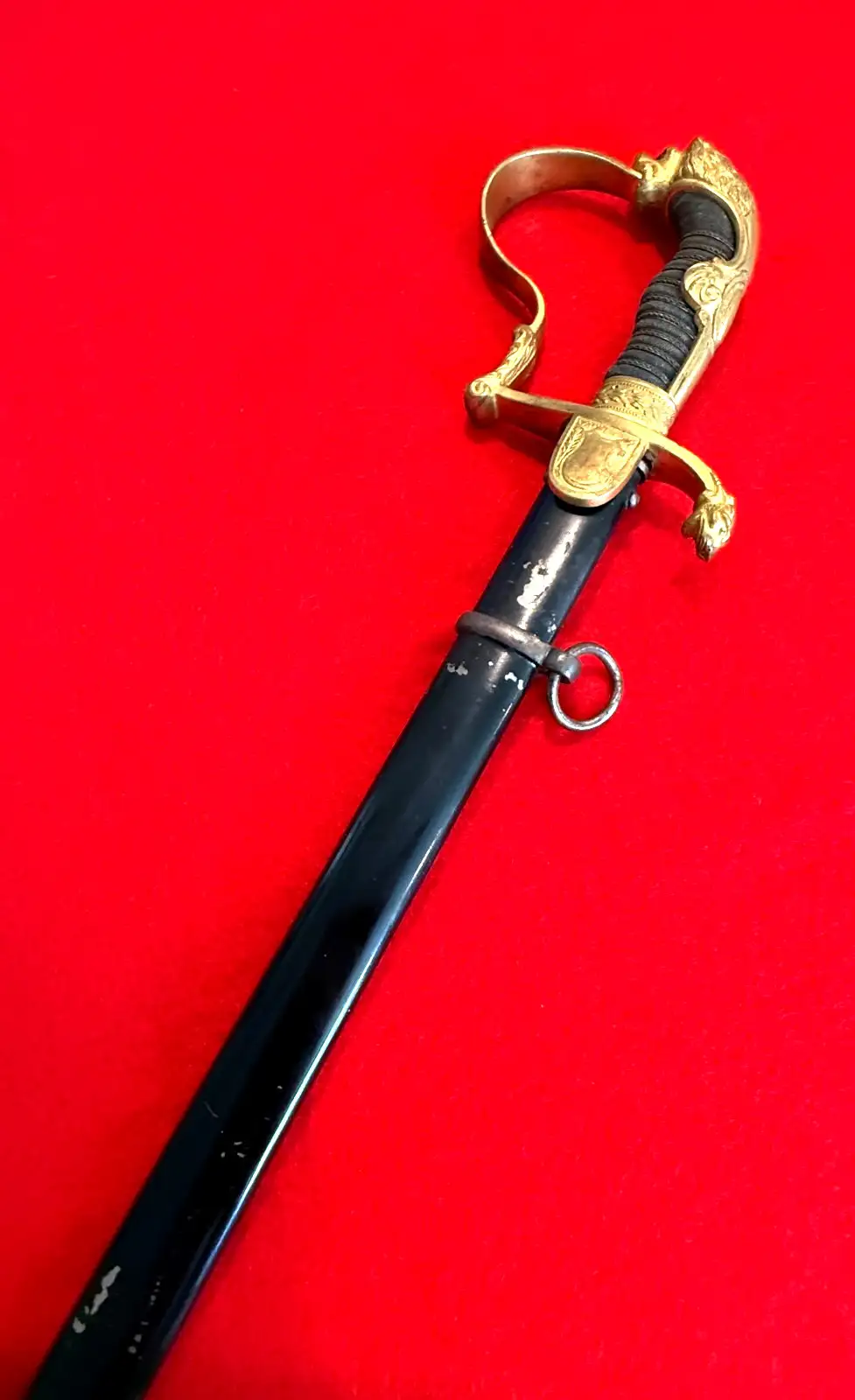
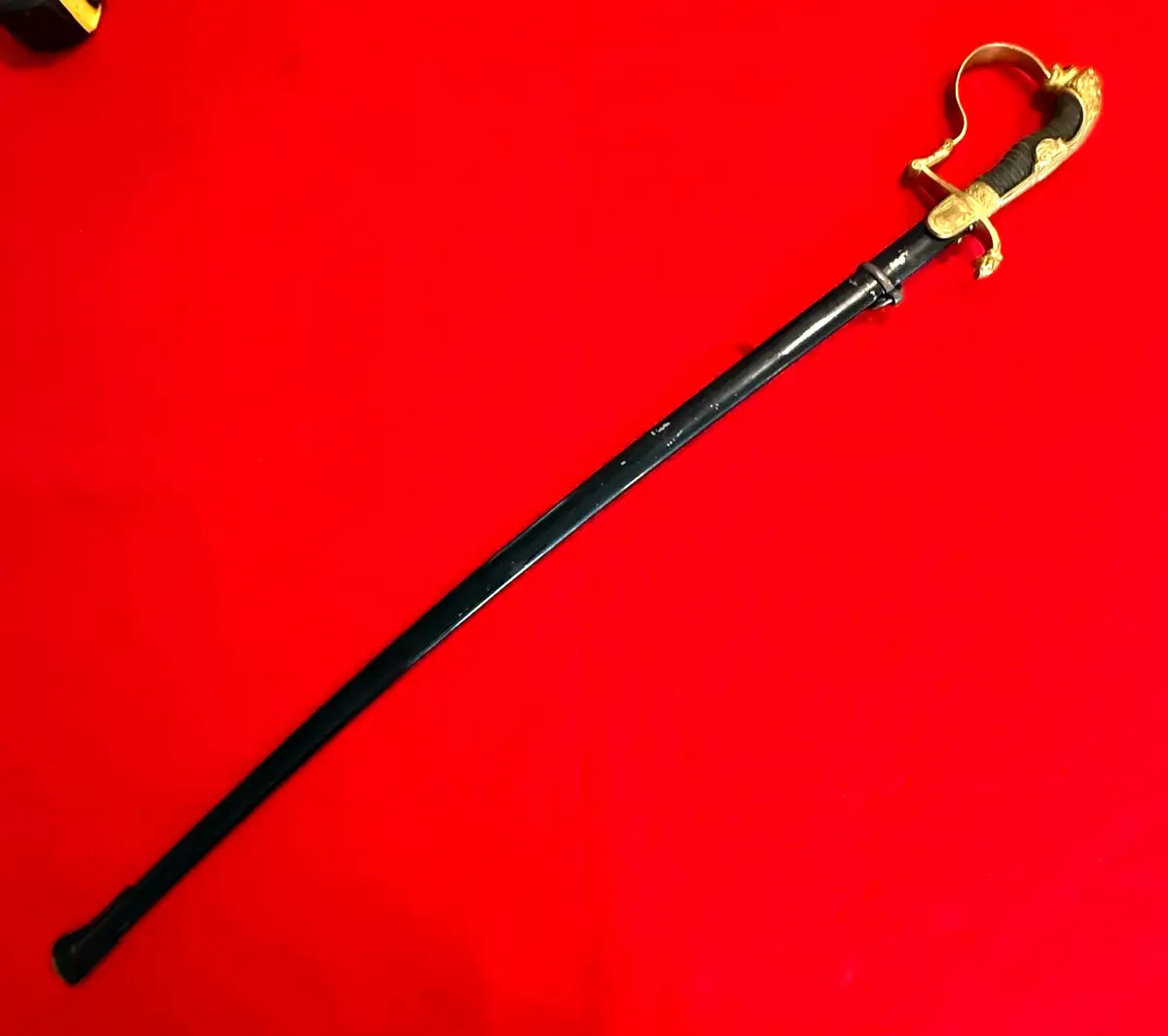
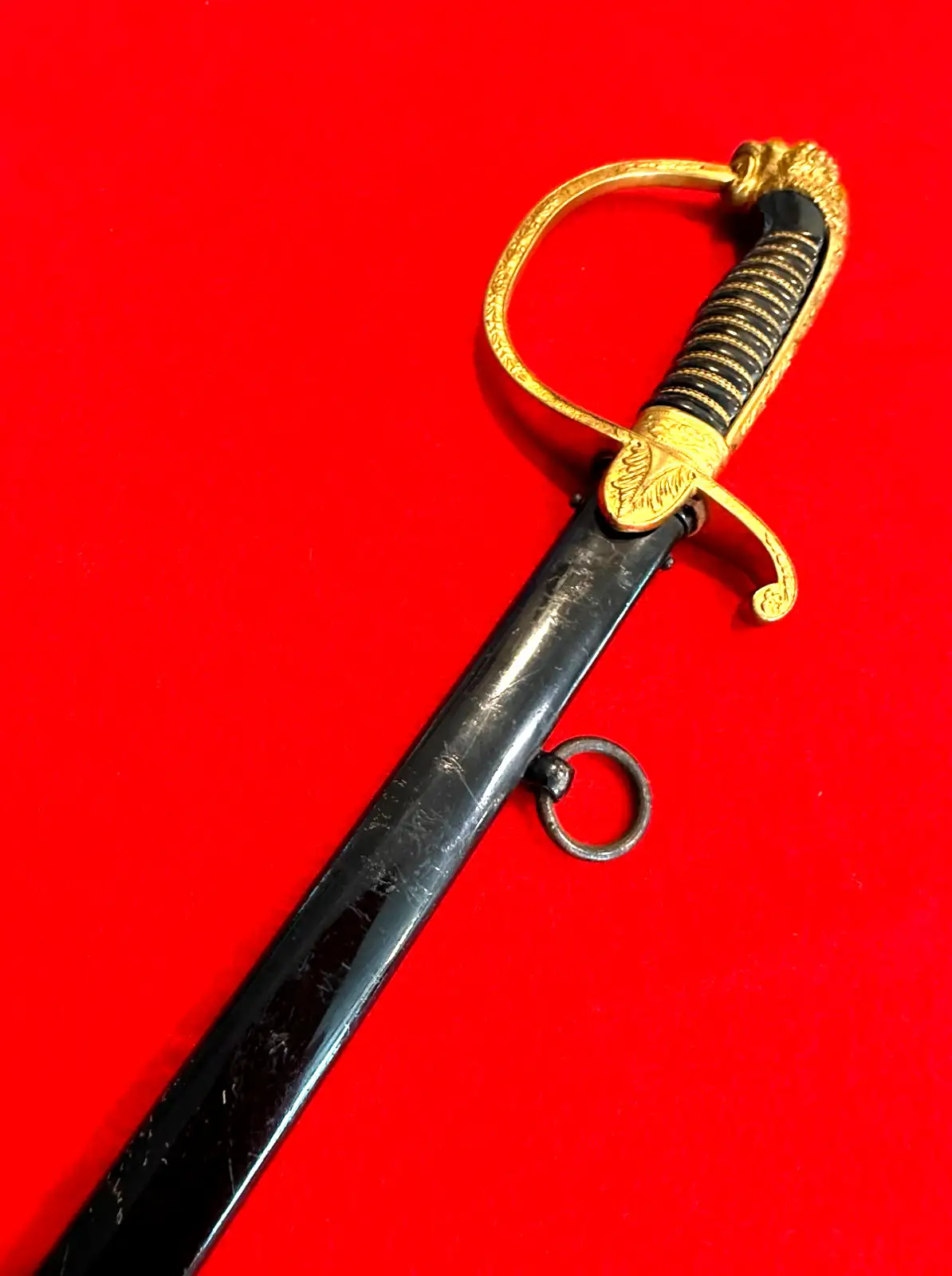
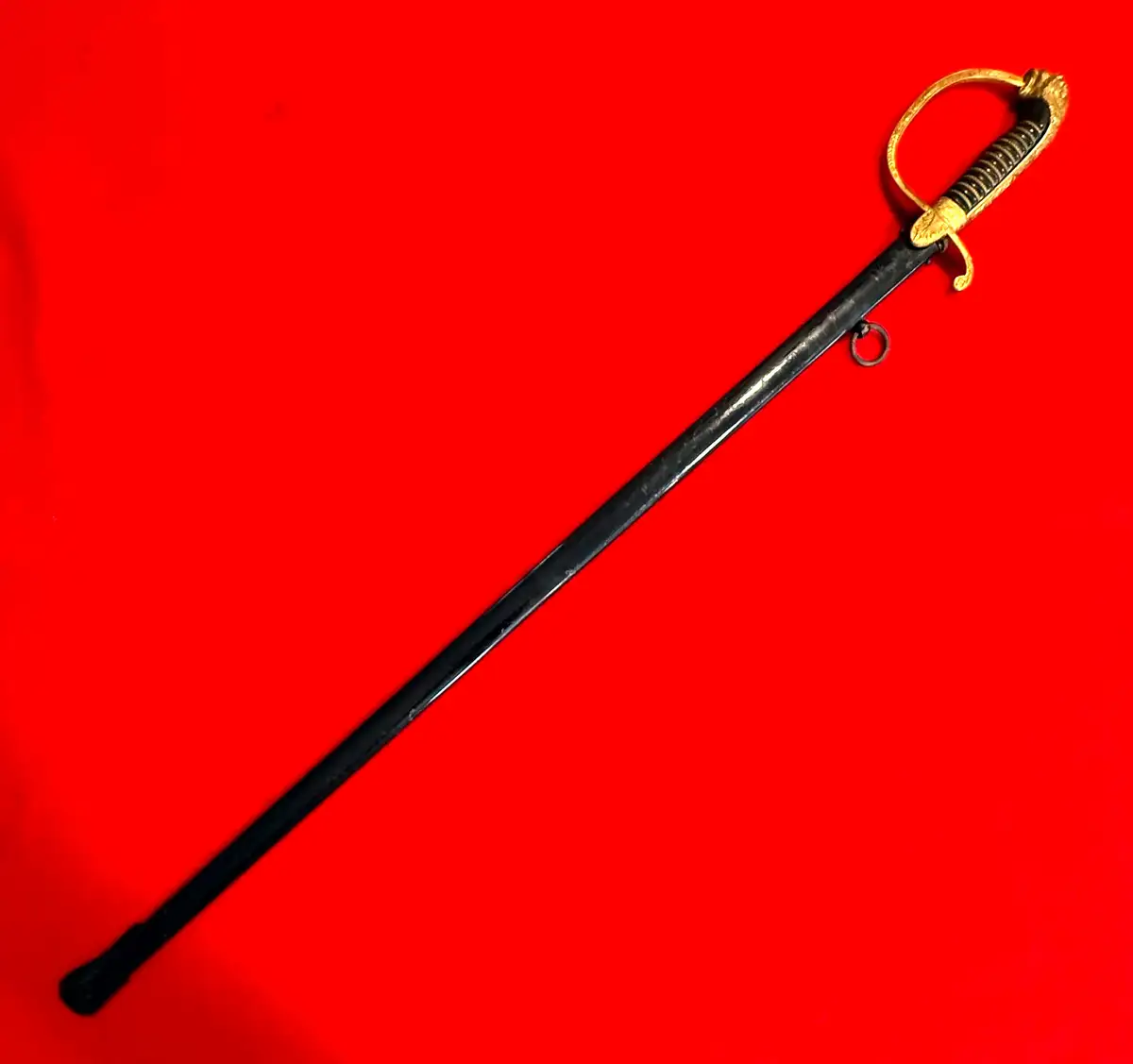
Weyersberg, Kirschbaum & Cie.
Known in the trade as WKC.
Two Solingen sword houses merged in 1883 to form WKC, but Weyersberg on its own is not WKC — several unrelated Solingen firms carried that surname, and two of them made edged weapons into the 1940s.
Kirschbaum is the word that identifies the firm
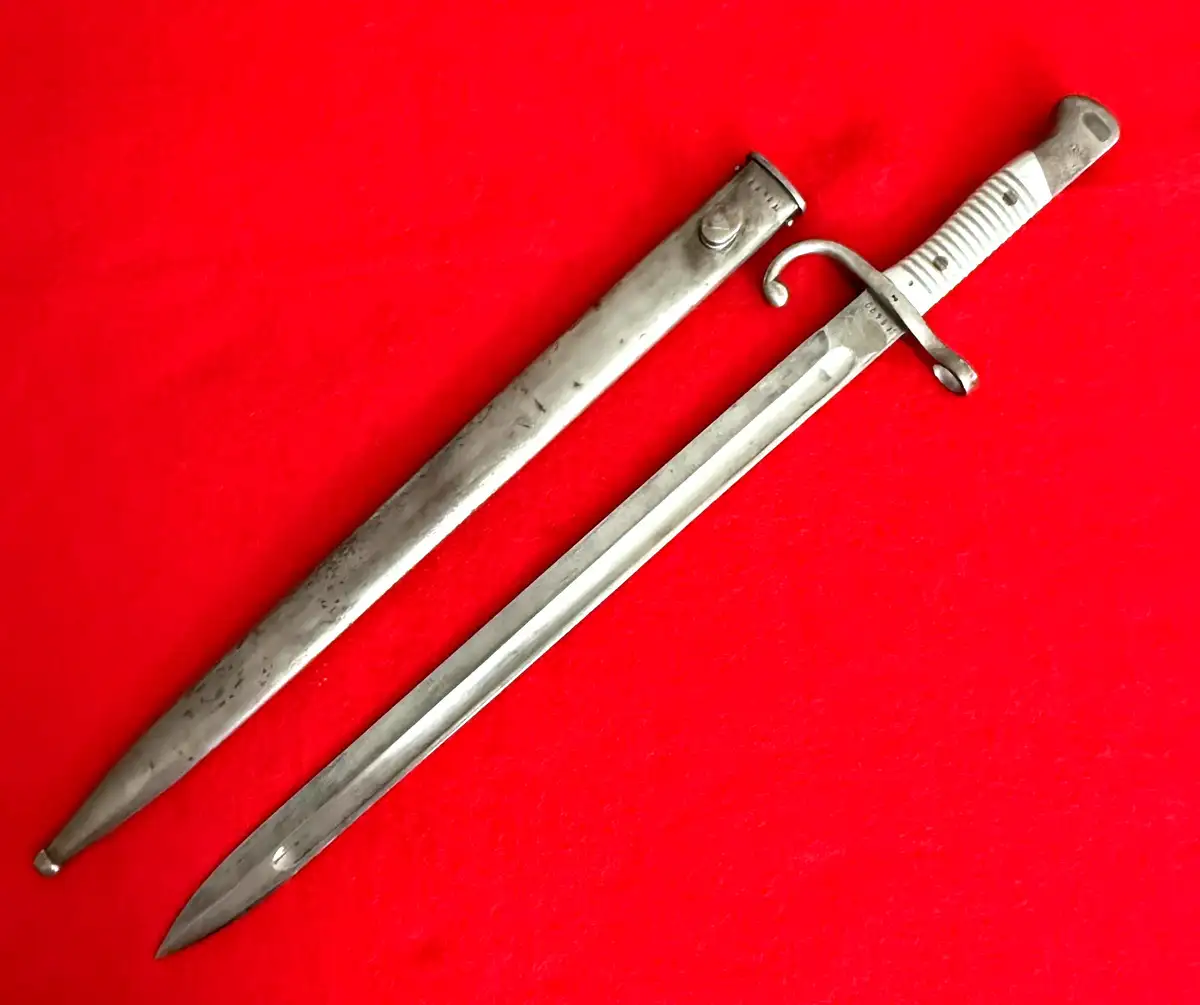
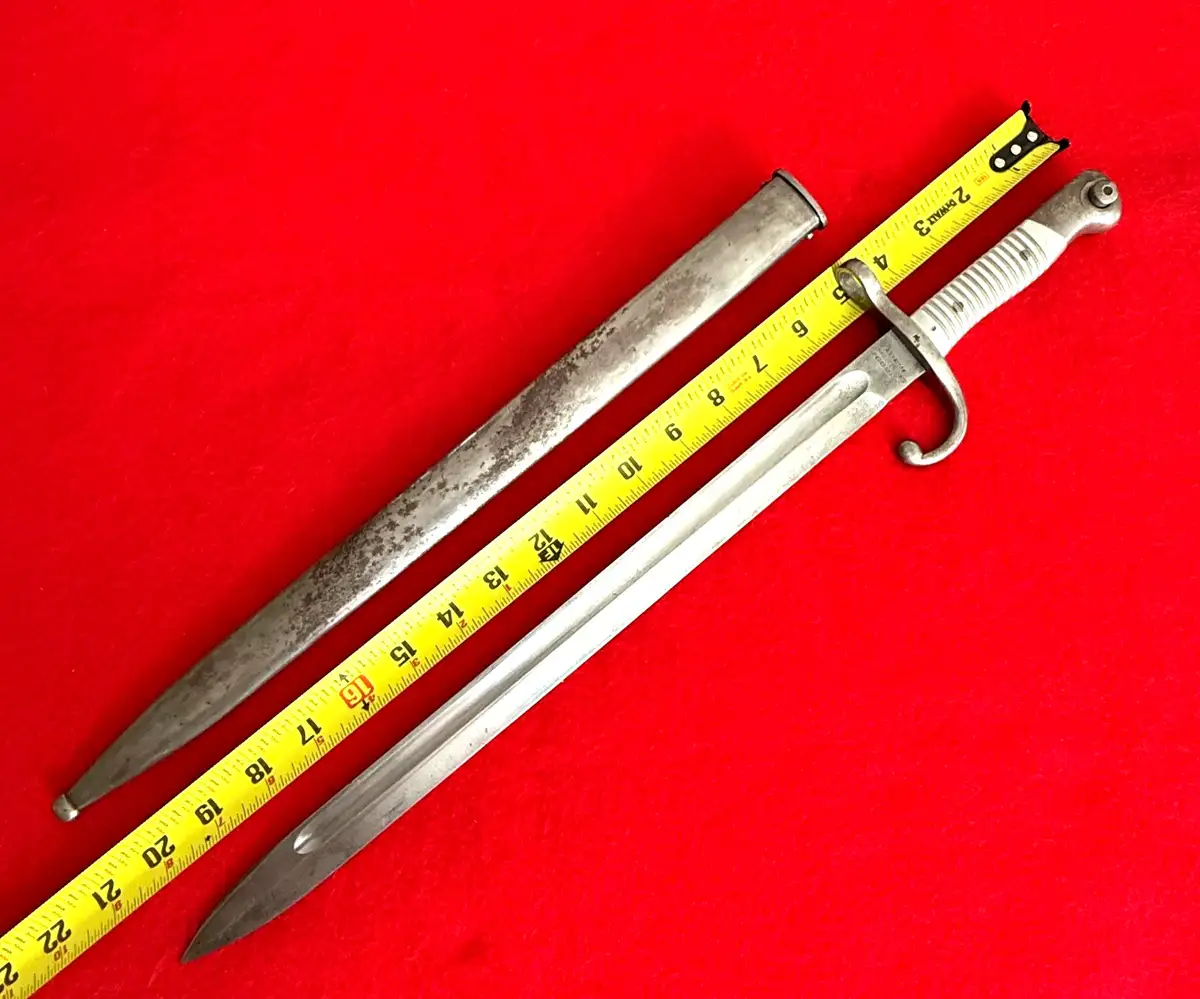
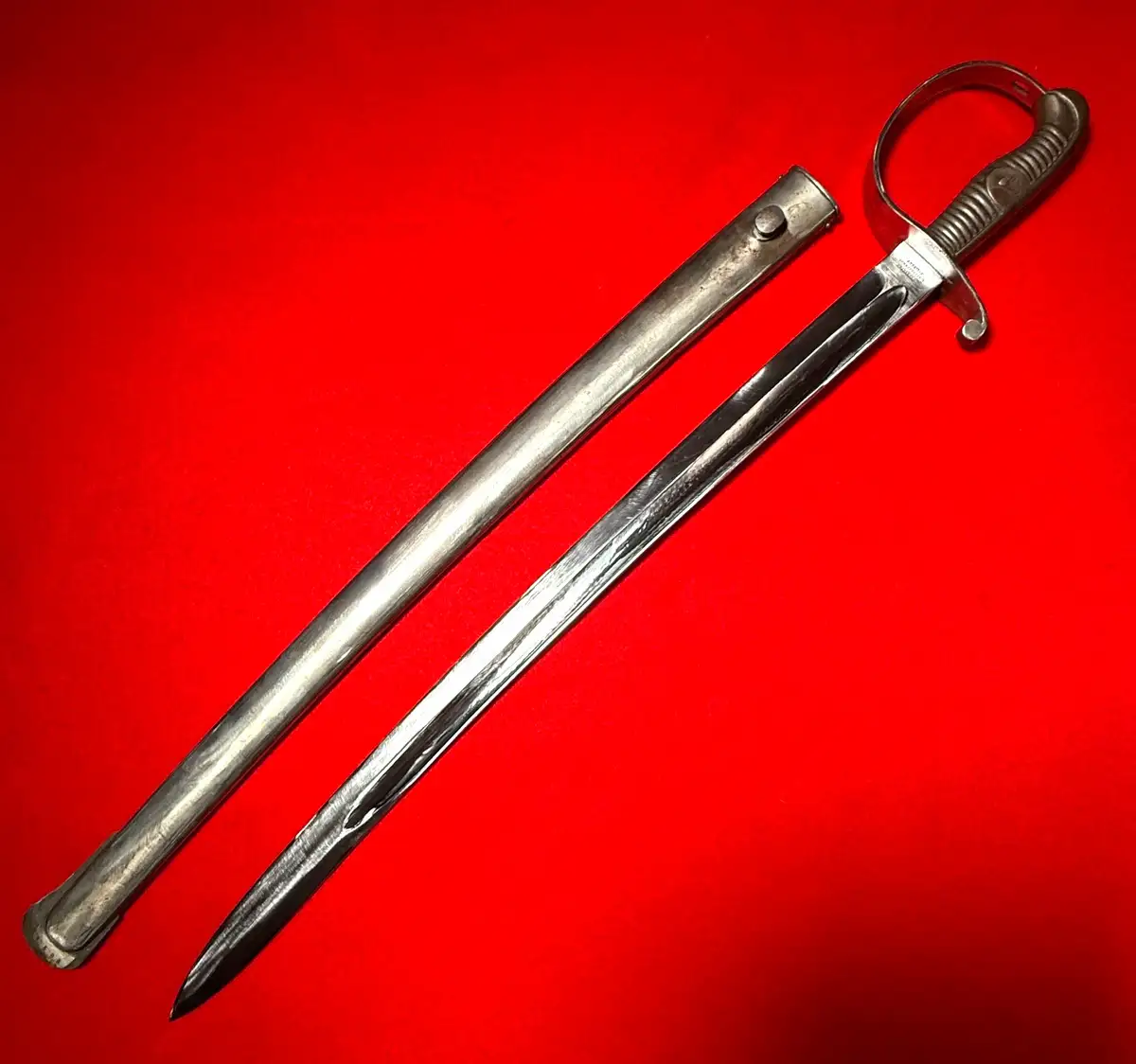
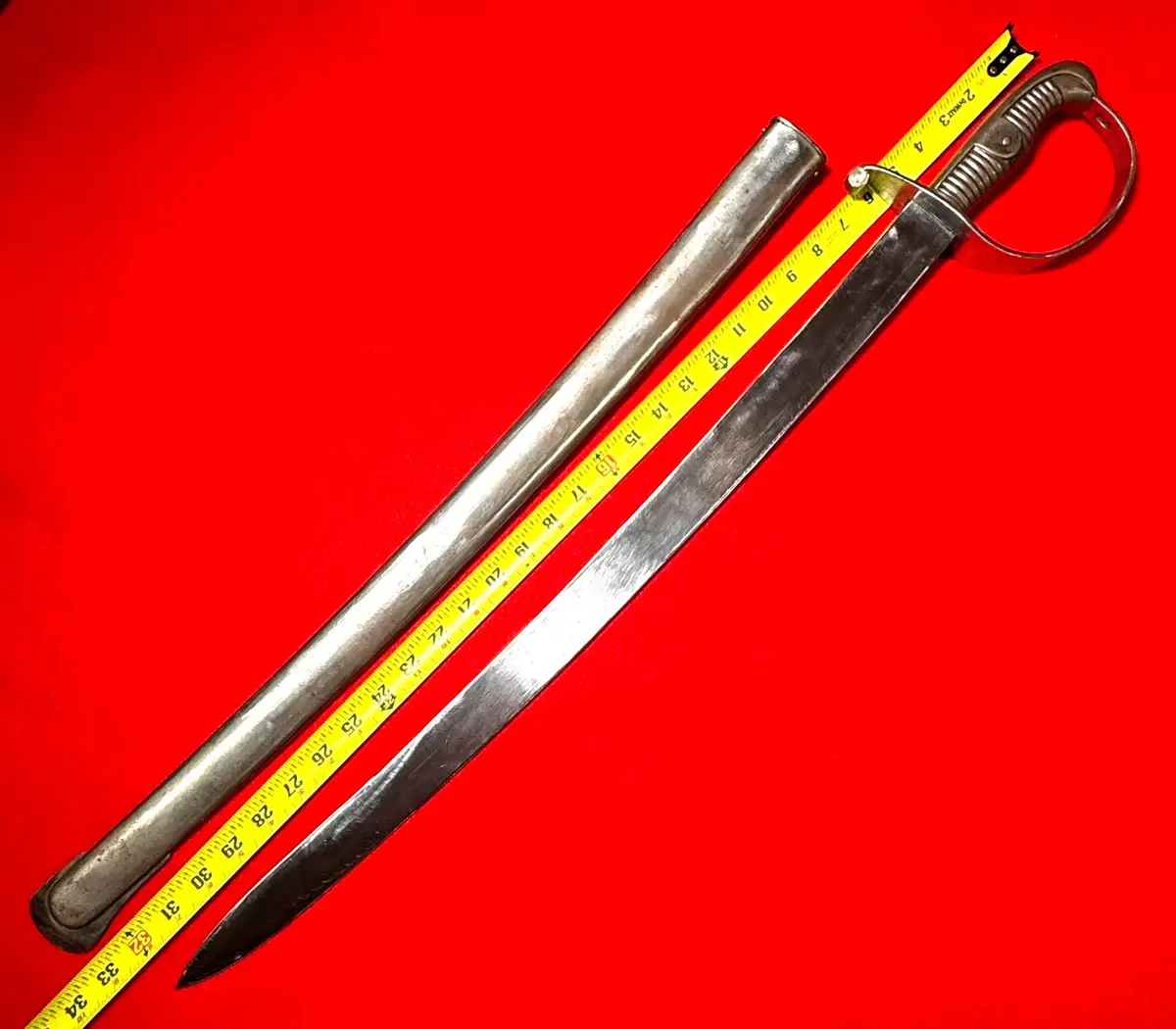
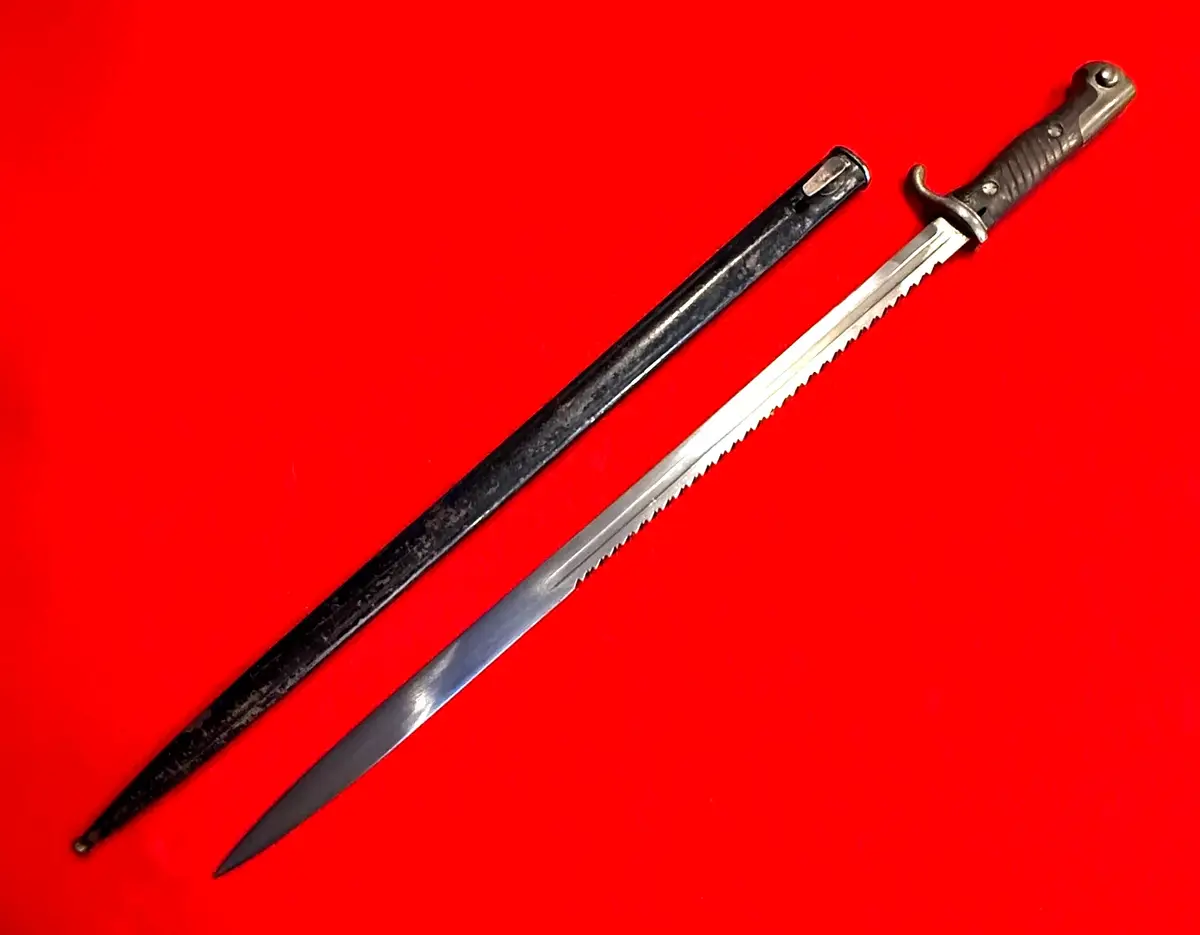
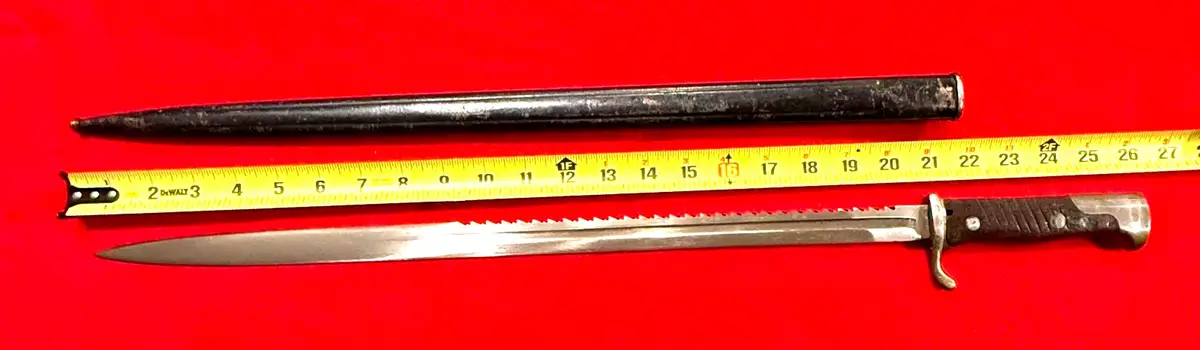
In 1883 two Solingen sword firms combined. Gebr. Weyersberg and W. R. Kirschbaum became Weyersberg, Kirschbaum & Cie., shortened on blades and stationery to WKC. Surviving Imperial German bayonets carry the name on the ricasso in four stacked lines: WEYERSBERG over KIRSCHBAUM over & CIE over SOLINGEN.
The ampersand and the abbreviation move around. Both & Cie. and & Co. appear on pieces of the same decades, and Weyersberg, Kirschbaum & Co. AG turns up in bayonet reference tables. Neither spelling is a mark of authenticity or of forgery on its own.
Weyersberg without Kirschbaum is the trap. The Weyersberg family ran a number of separate Solingen businesses, and the name on its own does not mean an early WKC. Paul Weyersberg & Co. was a distinct firm that made Luftwaffe, Reichsluftschutzbund and customs daggers in the 1930s under its own RZM code. Gebrüder Weyersberg GmbH of Solingen-Ohligs was another, credited with roughly a thousand SA service daggers. Weyersberg & Stamm made Austrian M1861 sabres. A mark reading Kirschbaum without Weyersberg points instead to the predecessor firm W. R. Kirschbaum, which traded from 1854 until the merger.
A mark older than the firm that used it
The king's head belonged to Johannes Wundes, a Solingen bladesmith, before it belonged to any Weyersberg. The date of its entry in the guild's register of marks is not settled: German and English Wikipedia give 1584, while WKC's own company history gives 1560. In 1774 Wundes's descendants sold the mark to Peter Weyersberg. No source consulted gives the day.
Peter Weyersberg and his brothers Wilhelm and Johann Ludwig founded Gebr. Weyersberg in 1787. The older of the firm's two emblems therefore predates the firm that used it by roughly two centuries. It was bought and transferred, the way a house or a mill changes hands; Solingen marks were property, and they were traded.
Wilhelm Reinhardt Kirschbaum opened his works in 1854. The firm's own history dates the knight's helmet — its second emblem — to that year and that family. After 1883 both marks belonged to the merged company, and collectors report king and knight appearing together on ricassos of the Imperial period. The mark WKC uses now is the knight's helmet above the letters WKC.
Machines from England
Solingen ground its blades in Kotten, water-driven sheds strung along the Wupper and its feeder streams and worked by grinders who sold their labour by the piece. Both Weyersberg and Kirschbaum broke that arrangement in the nineteenth century by importing English machinery and moving forging and grinding indoors under power. WKC's own history credits Fritz Weyersberg with buying an English roll-forge patent around 1850. German Wikipedia records that the change drew protest from the hand smiths.
The firm's own account puts output above 100,000 blades a year in the late nineteenth century. Employment figures conflict and the conflict has not been resolved: German and English Wikipedia give about 630 employees around 1900, while WKC's history and museum records give more than 1,200.
On either figure the works were the largest edged-weapon manufacturer in Solingen. That is a narrower claim than it sounds. The city's blade trades also turned out scissors, razors and table cutlery, and WKC's rank is within the weapons side of that industry.
Contracts, and the bicycles
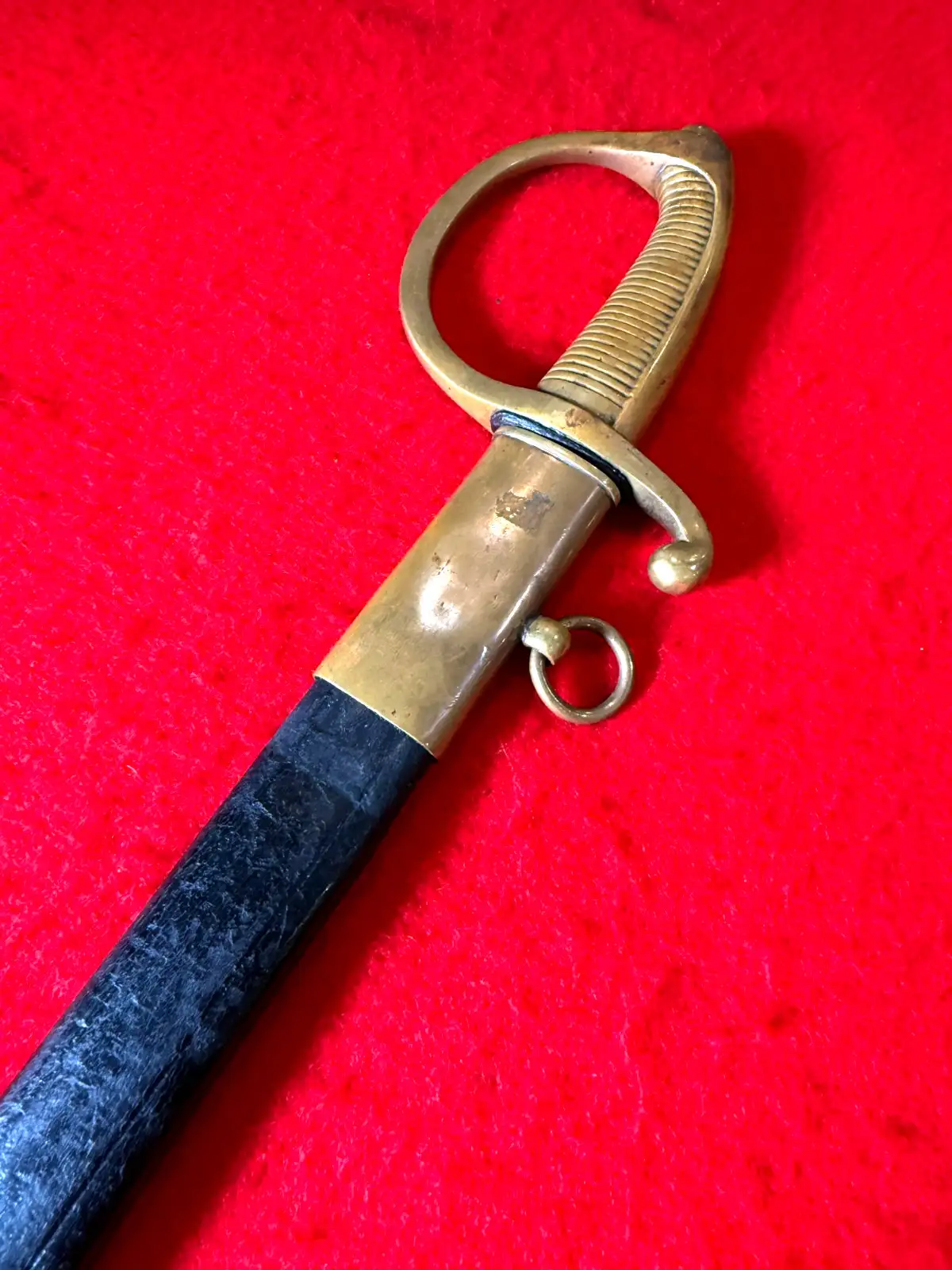
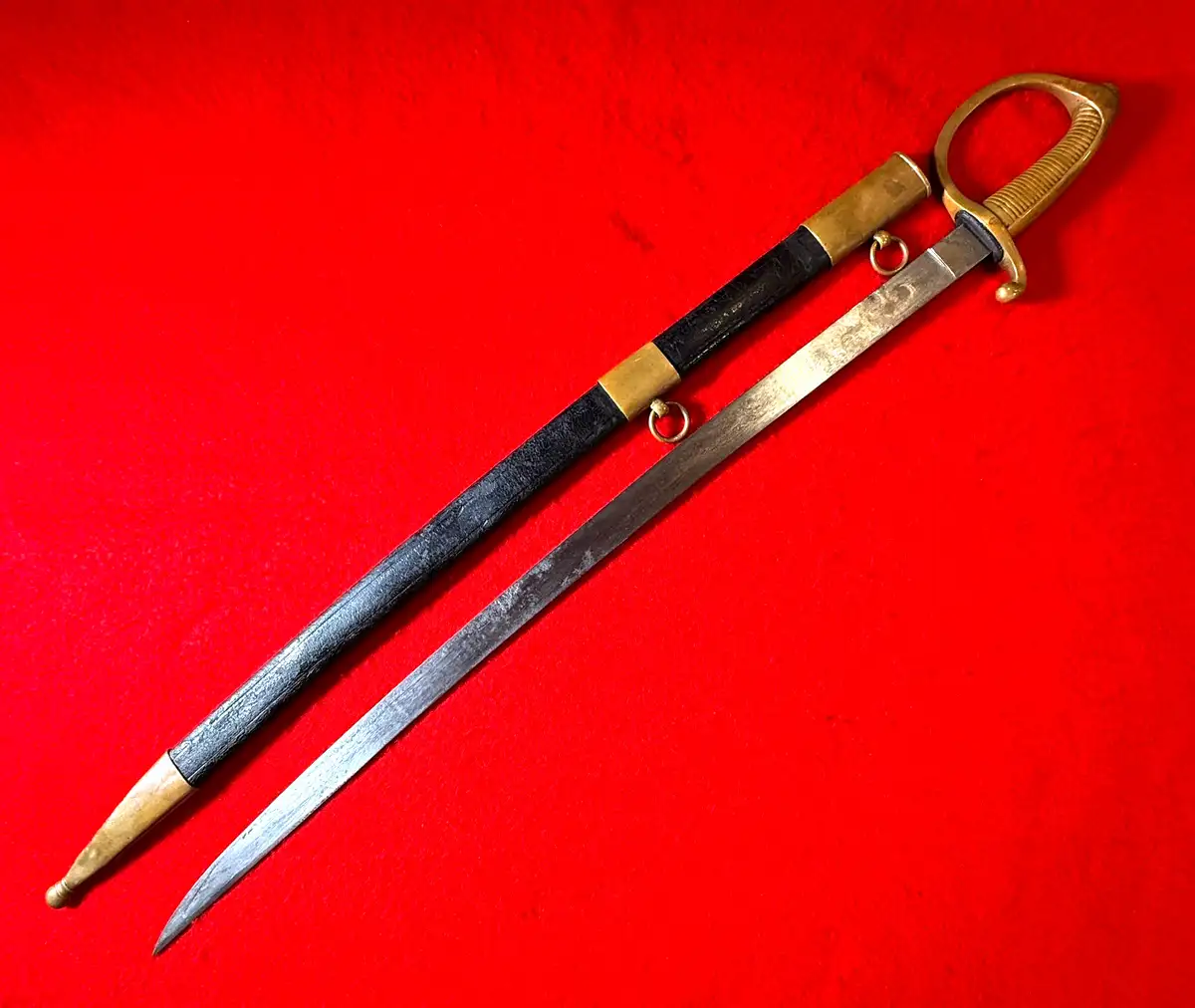
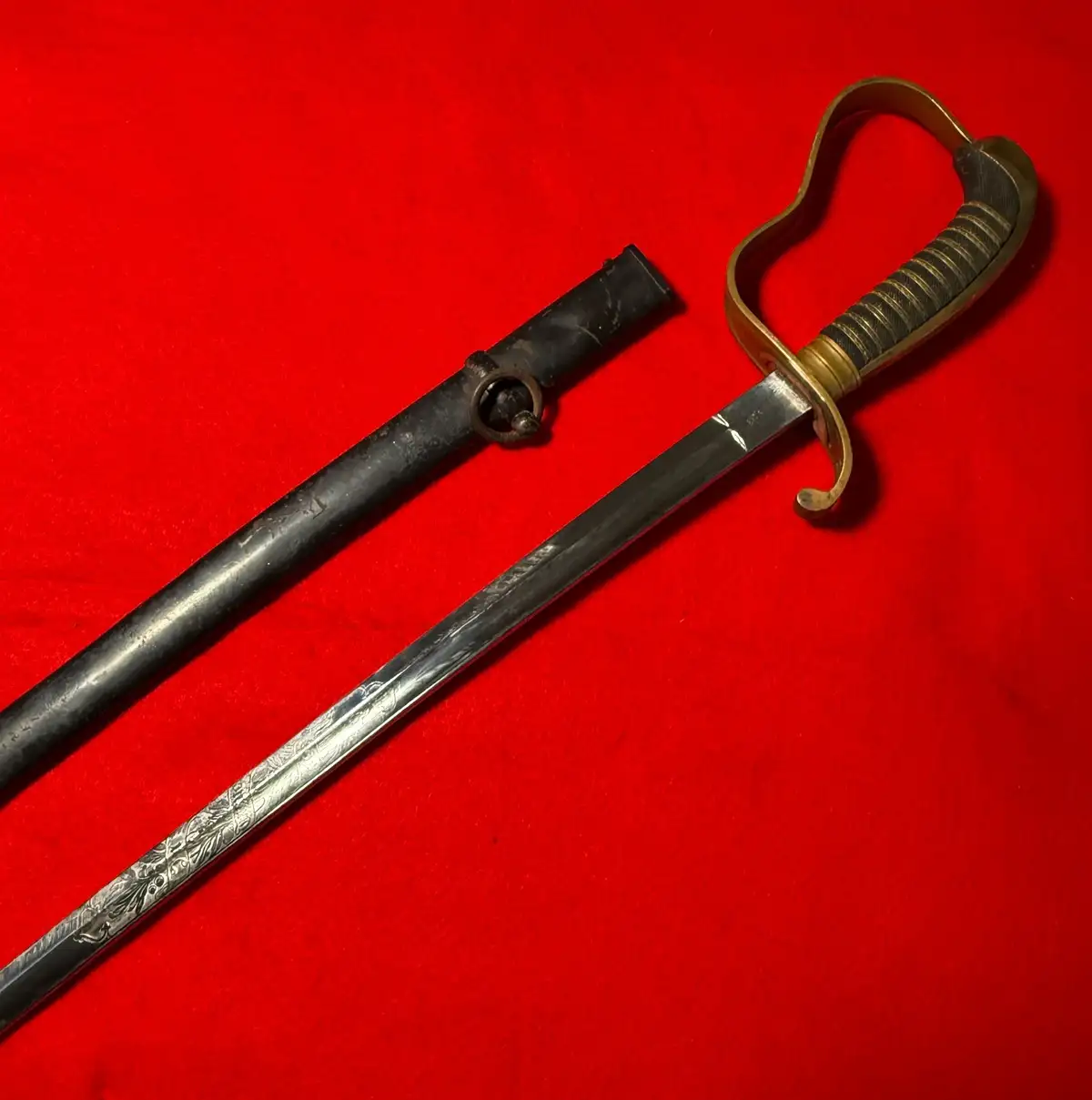
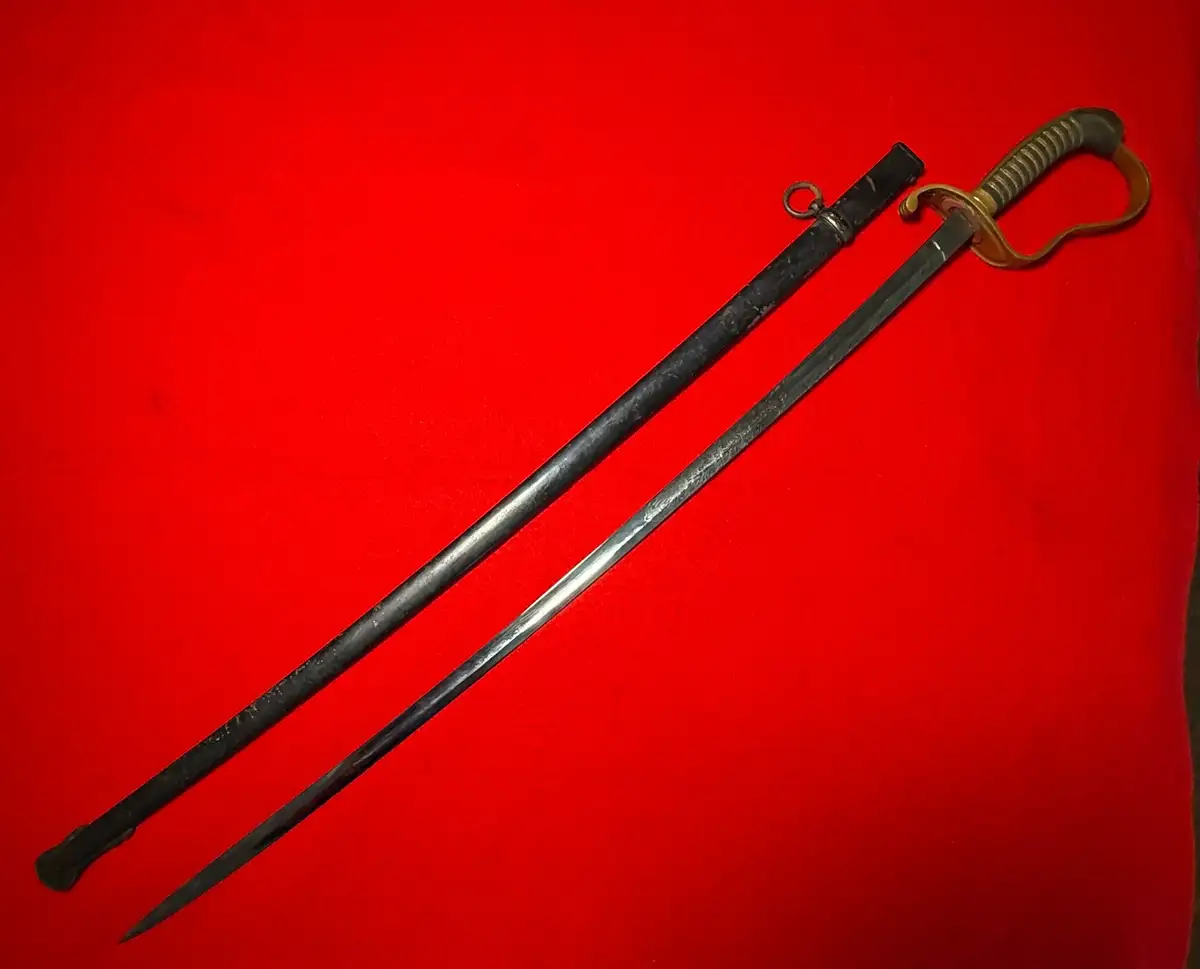
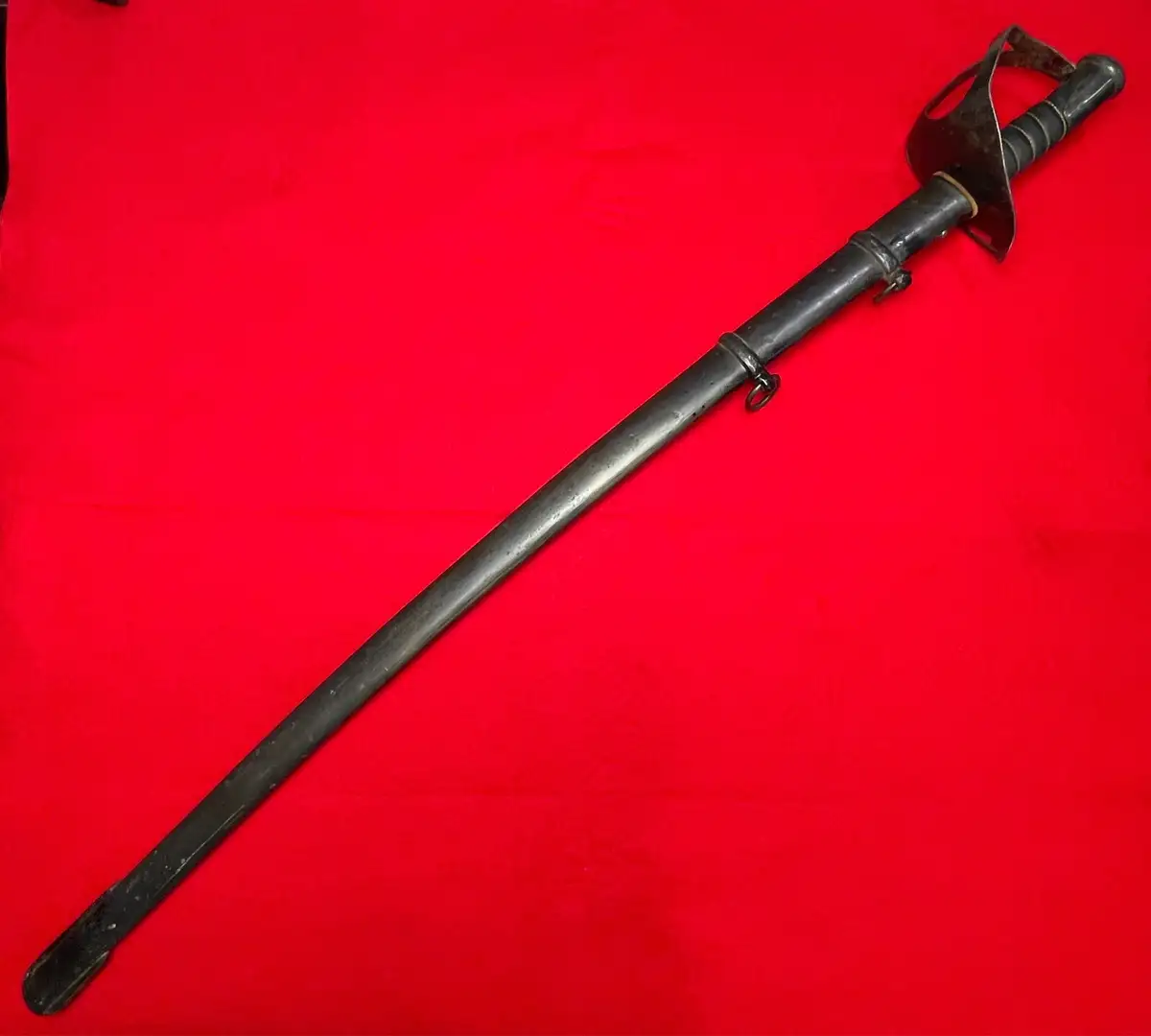
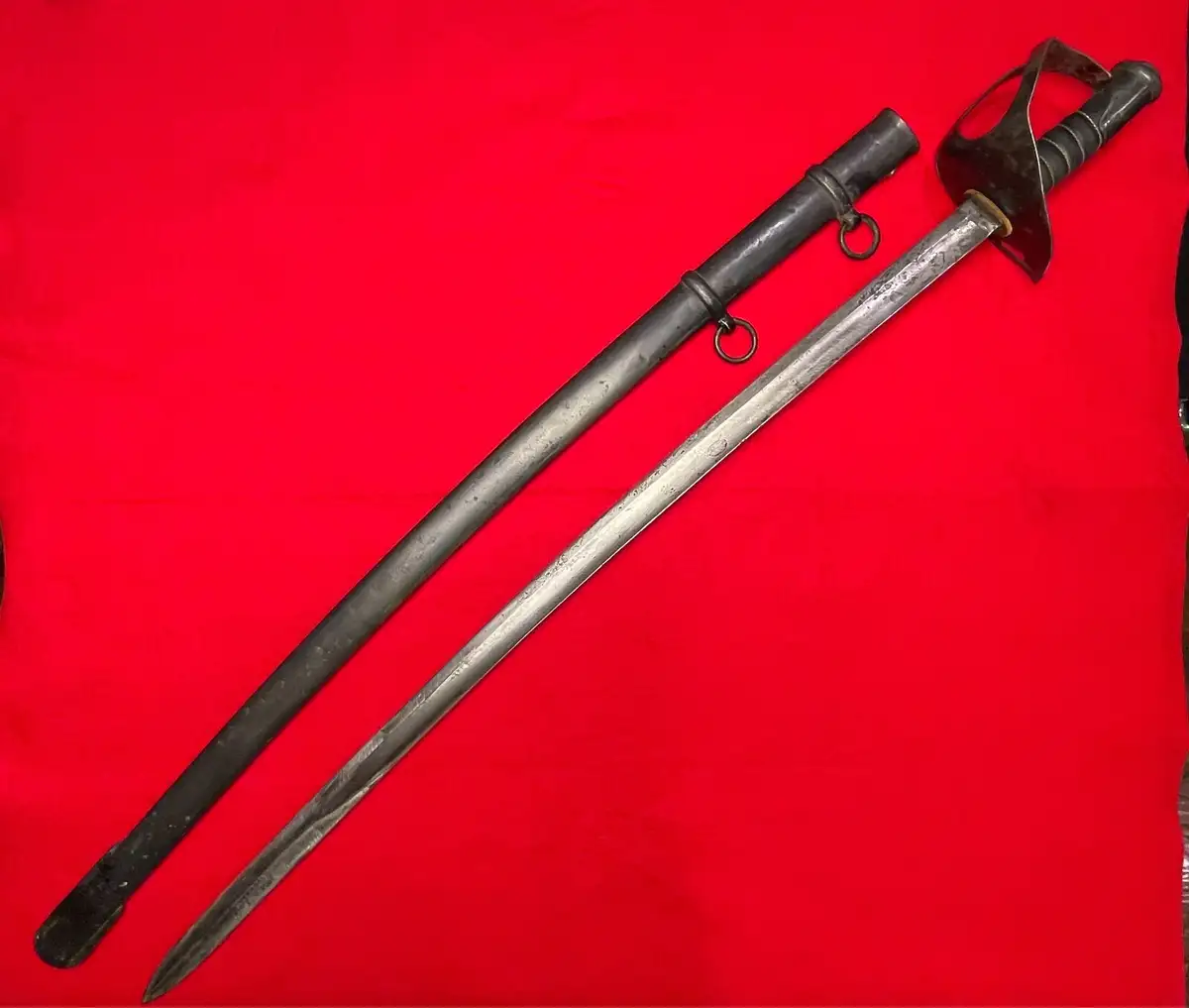
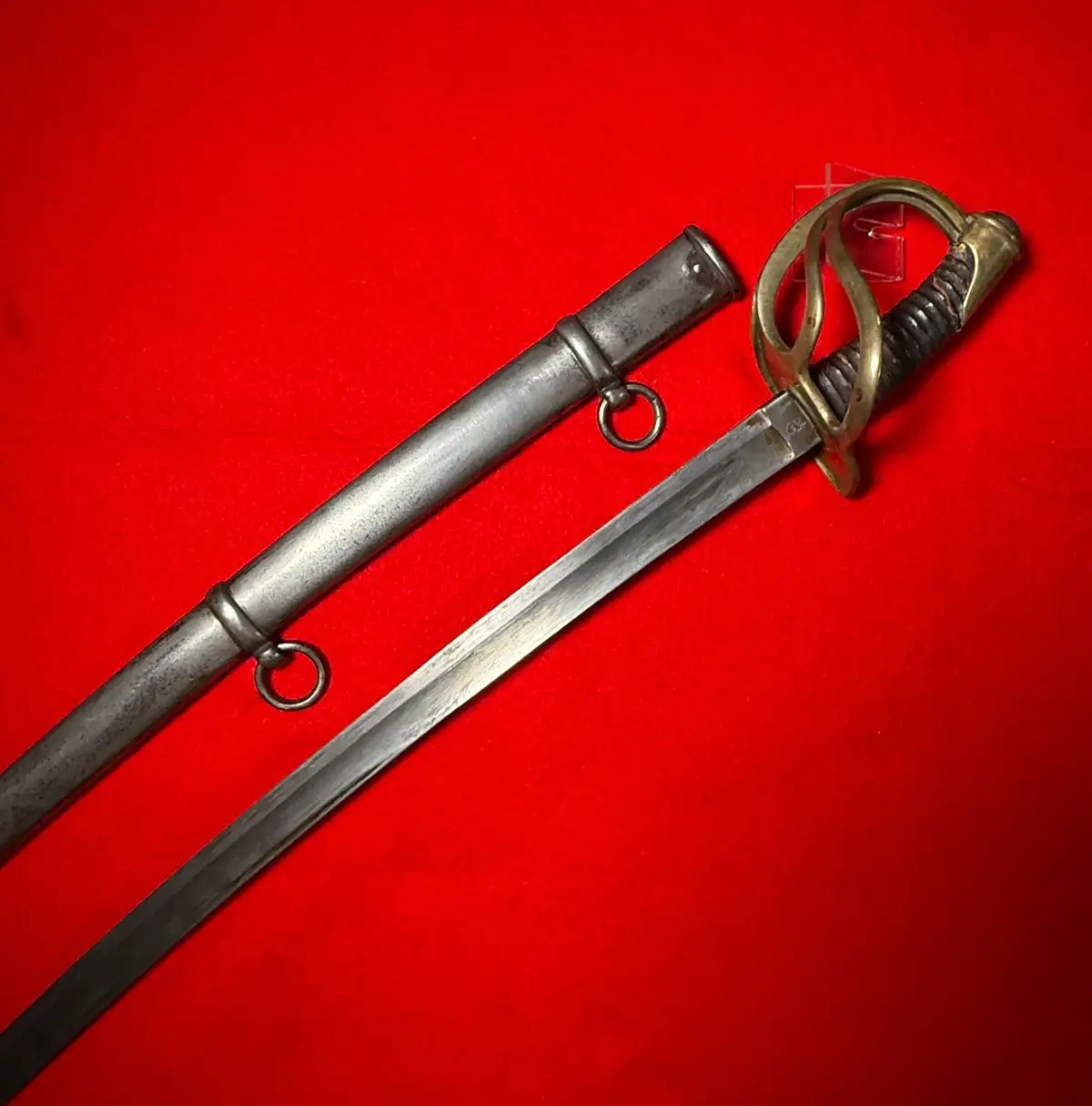
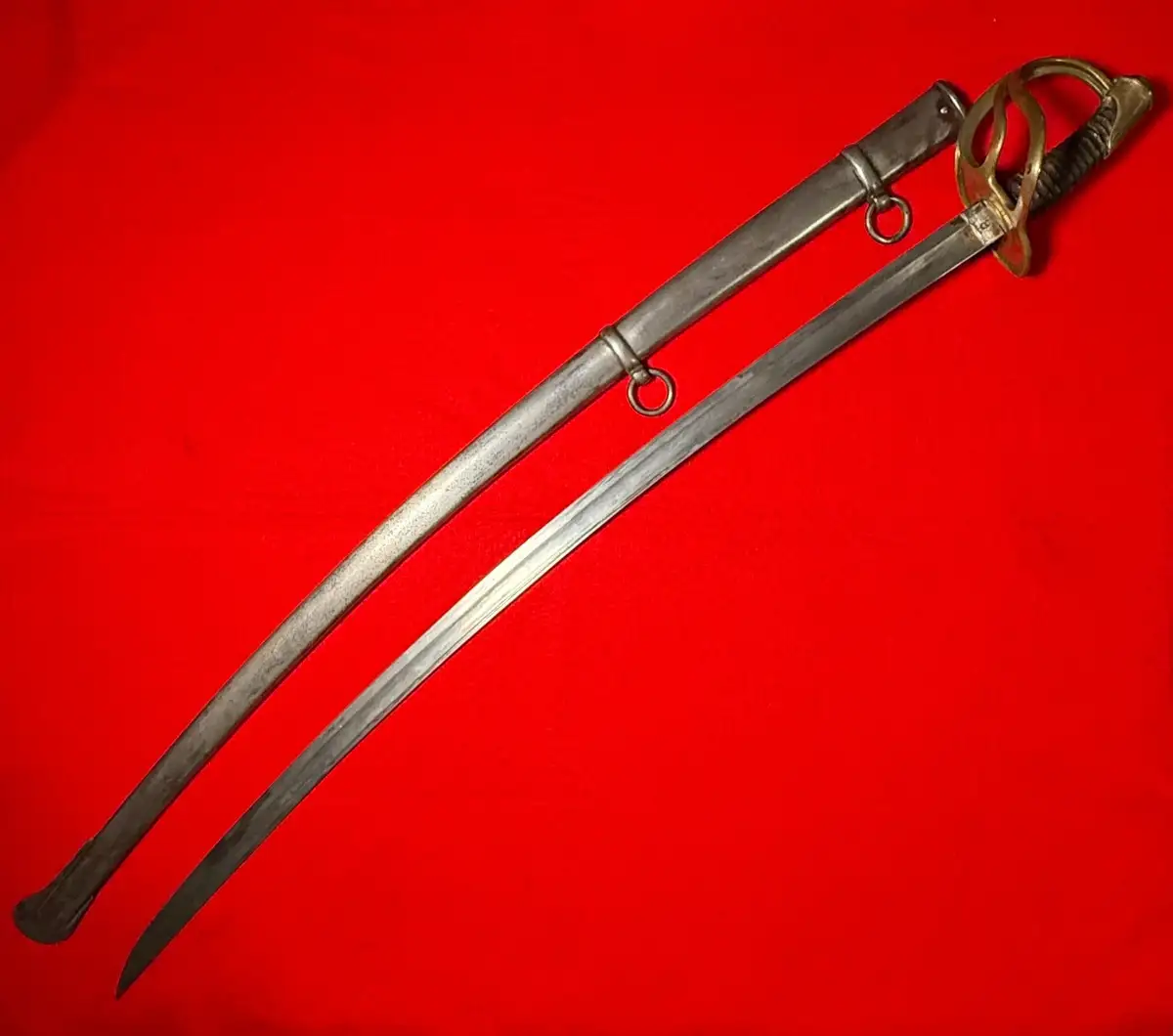
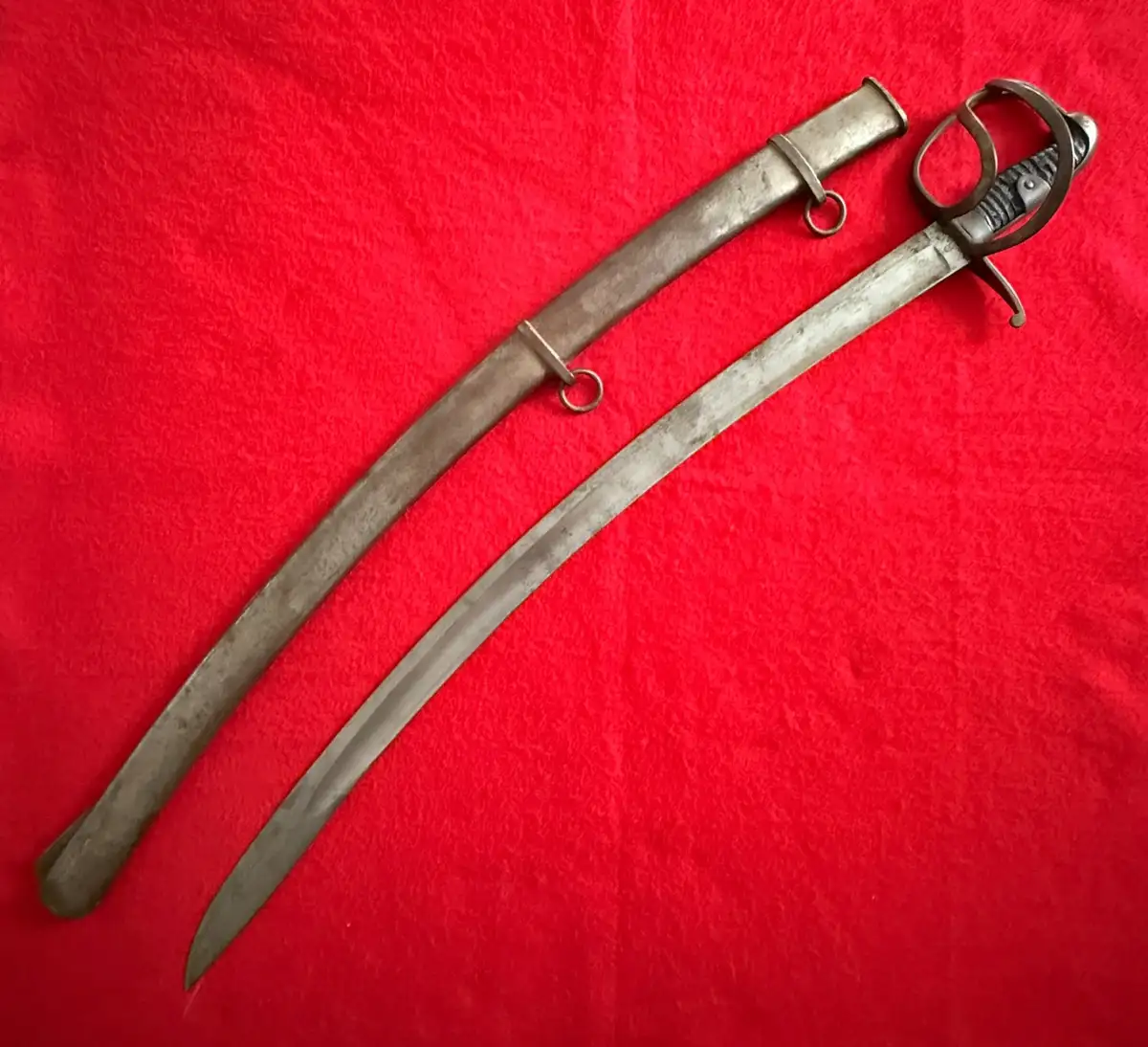
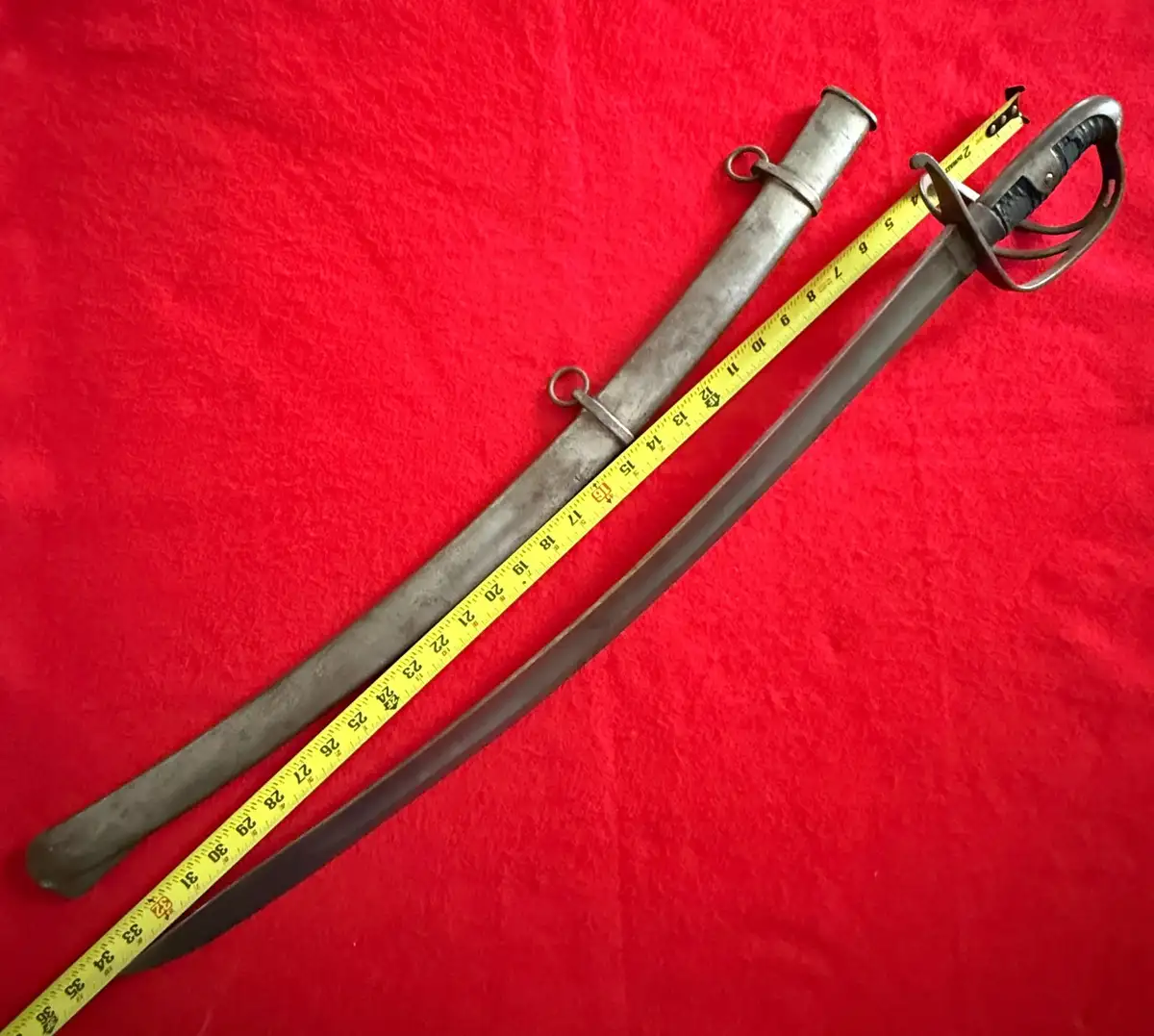
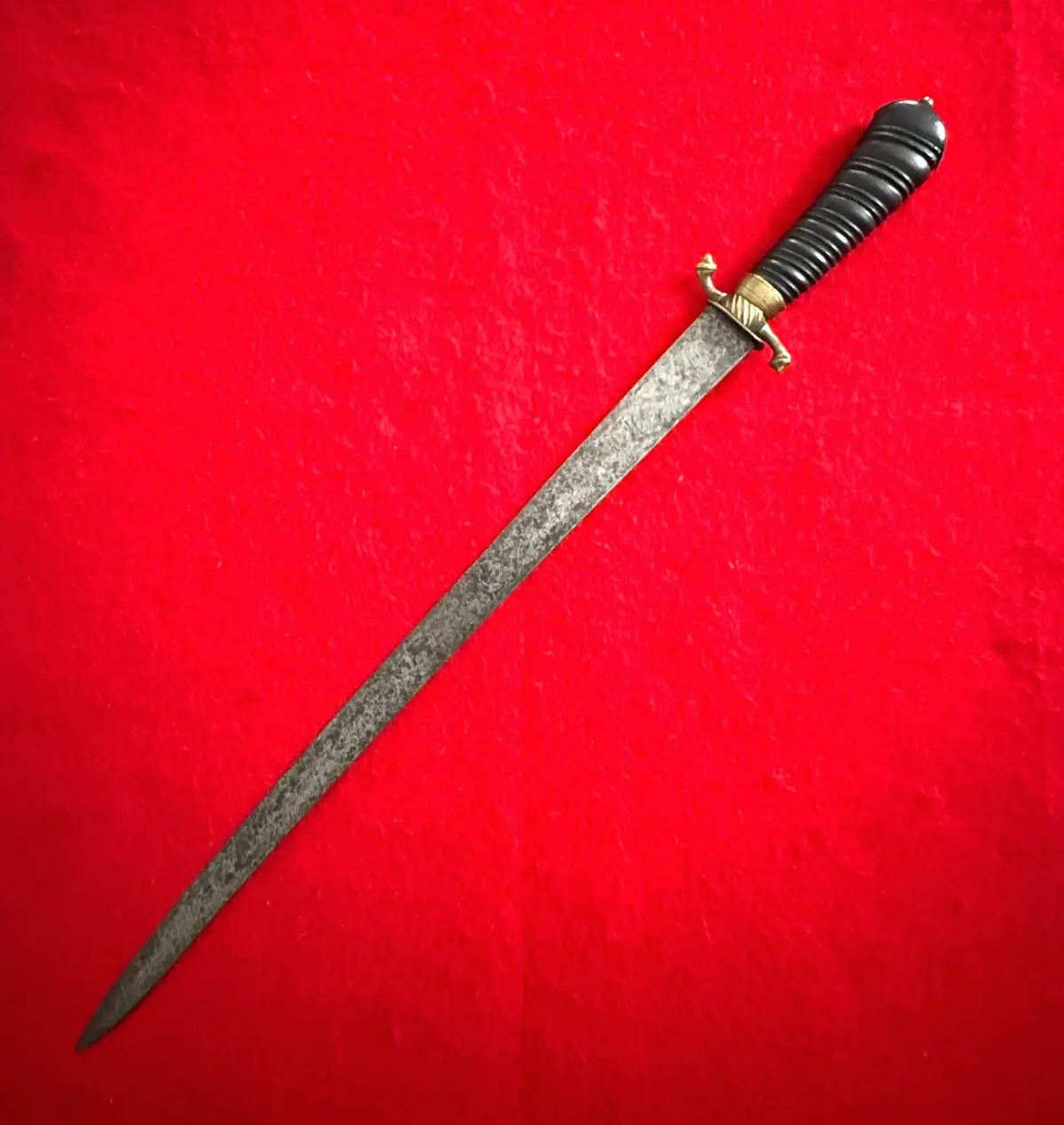
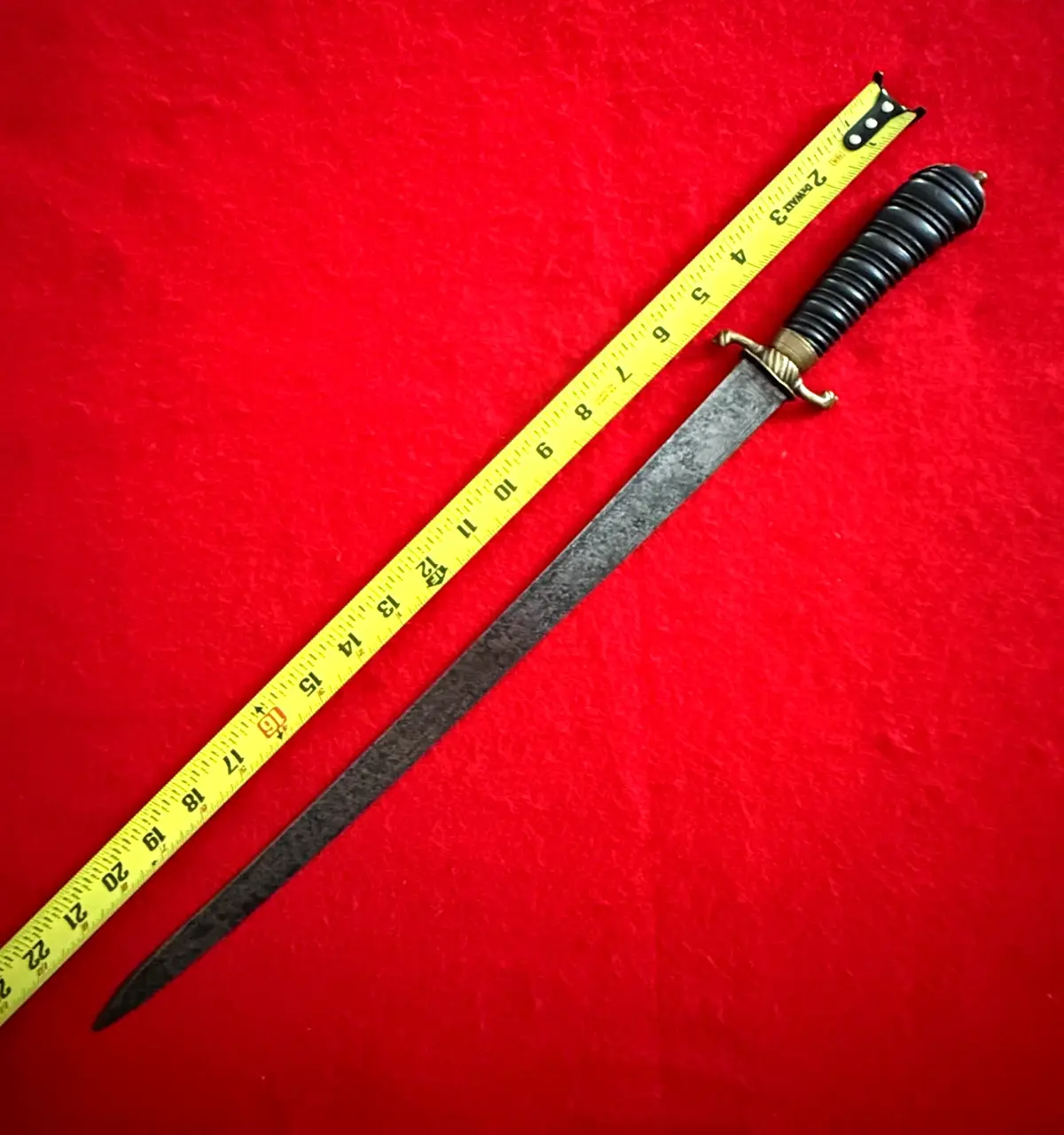
Contract work was the business. WKC made bayonets for the Imperial German army in quantity, and surviving M1898/05 examples dated 1915 and 1916 carry both the maker's name on the ricasso and a state acceptance mark on the blade spine. The Austrian M1861 infantry officer's sabre, in Austro-Hungarian service for decades, is attributed to the company by both Wikipedia articles; the pattern is twenty-two years older than the merger, so examples exist from predecessor and competitor firms as well, and WKC still lists it.
Then there is the part the sword literature tends to skip. The company made hair clippers under the Mars and Norma names, along with typewriters, axes and machetes. It built bicycles, motorcycles and bicycle components branded Patria. In the 1904/05 financial year the bicycle trade accounted for roughly 35 percent of turnover. By the 1920s Patria WKC was the tenth largest bicycle manufacturer in Germany, and by 1927 the firm counted three million bicycles built.
The non-weapon trades are why the name turns up on objects a militaria collector would not expect, and why the firm had something to sell in the years when governments were not buying swords.
1922 to 1945
In 1922 WKC was taken over by the Siegen-Solinger Gussstahl-Aktien-Verein, a steel combine. The combine went bankrupt in 1932, and WKC was split into independent business units.
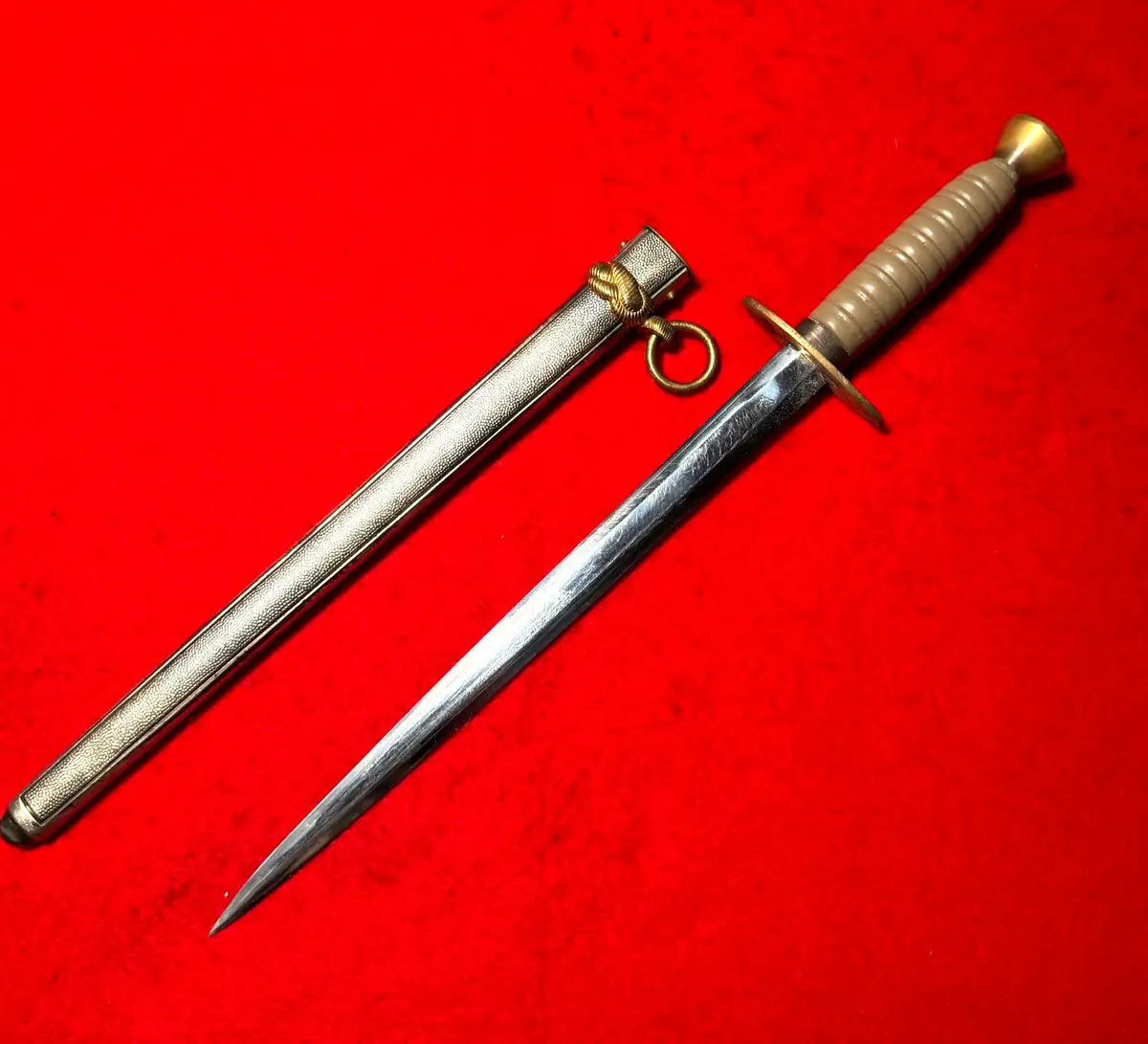
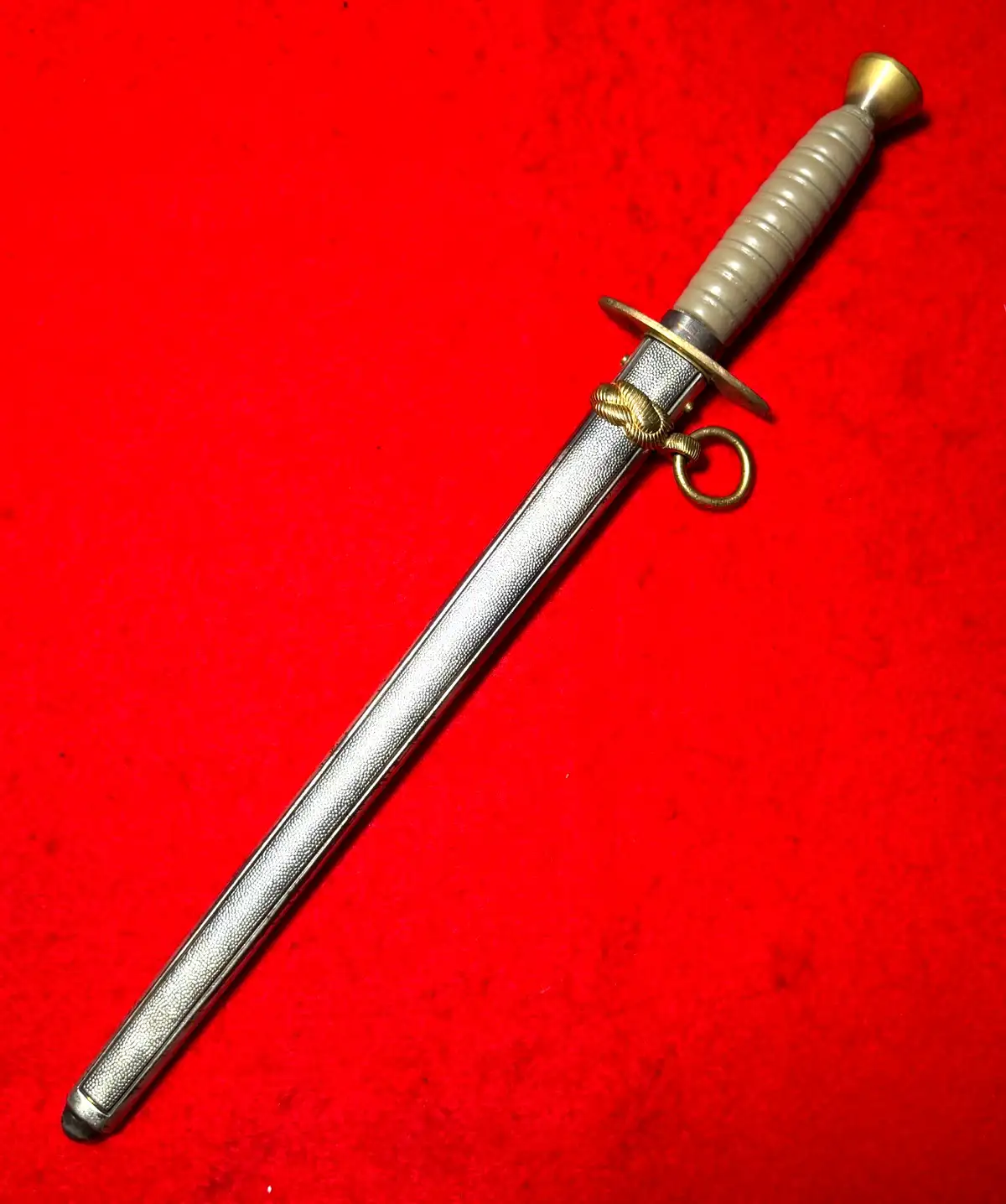
The firm took an RZM code in 1935 and manufactured for the Nazi state and its organisations: Wehrmacht bayonets, officers' daggers for several services, Hitler Youth knives, and roughly 5,000 SA service daggers.
On 4 and 5 November 1944 RAF Bomber Command attacked Solingen twice. The first raid dropped about 822 tons of high explosive and 123 tons of incendiaries; the second, which caught the historic town centre, about 783 tons of high explosive and 150 tons of incendiaries. The old town was destroyed and up to 1,900 people were killed, with some local accounts putting the figure as high as 2,000. WKC's plant on Cronenberger Straße was almost entirely destroyed; the administrative building and the works on Wittkuller Straße survived.
After the rubble
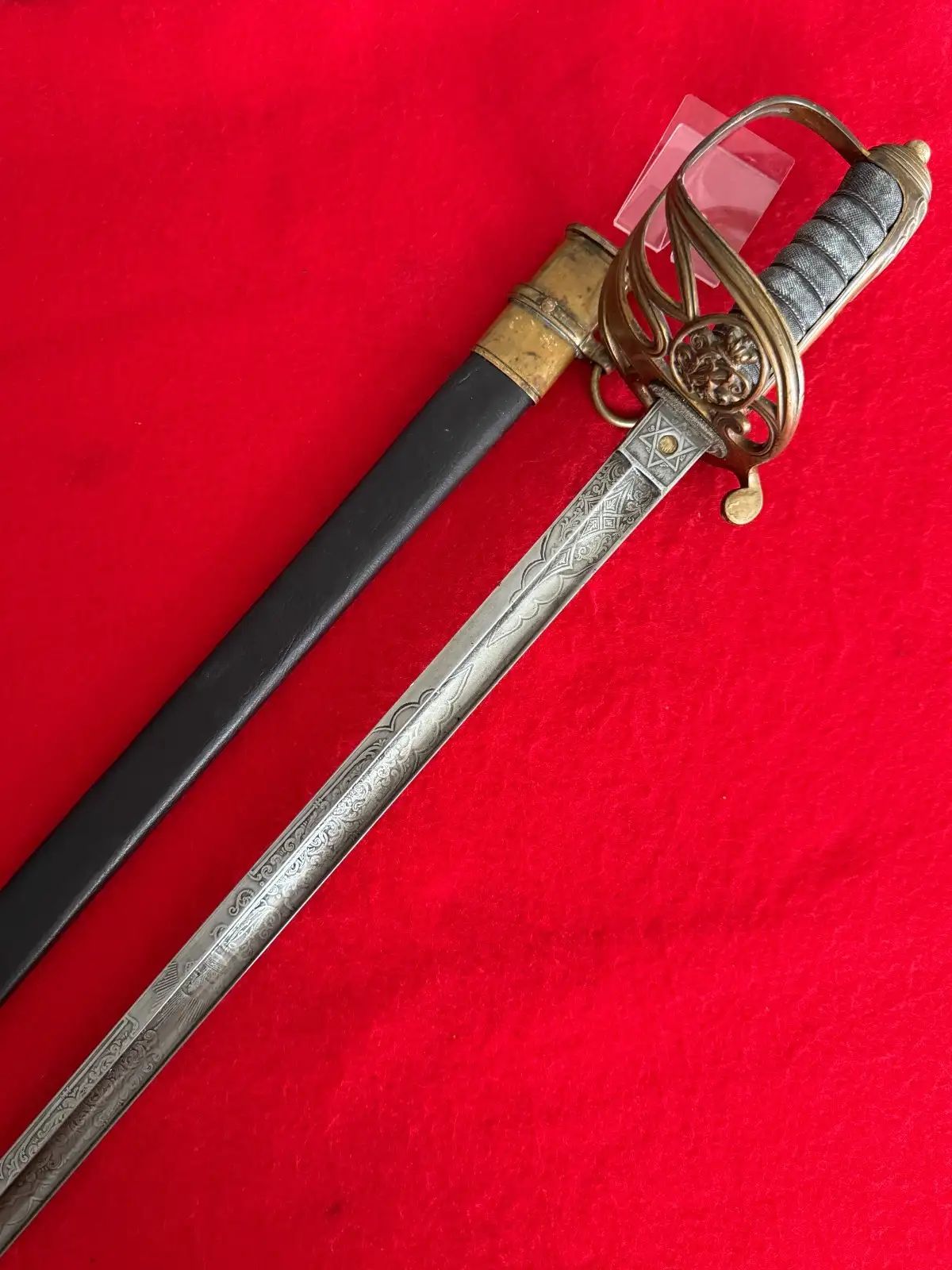
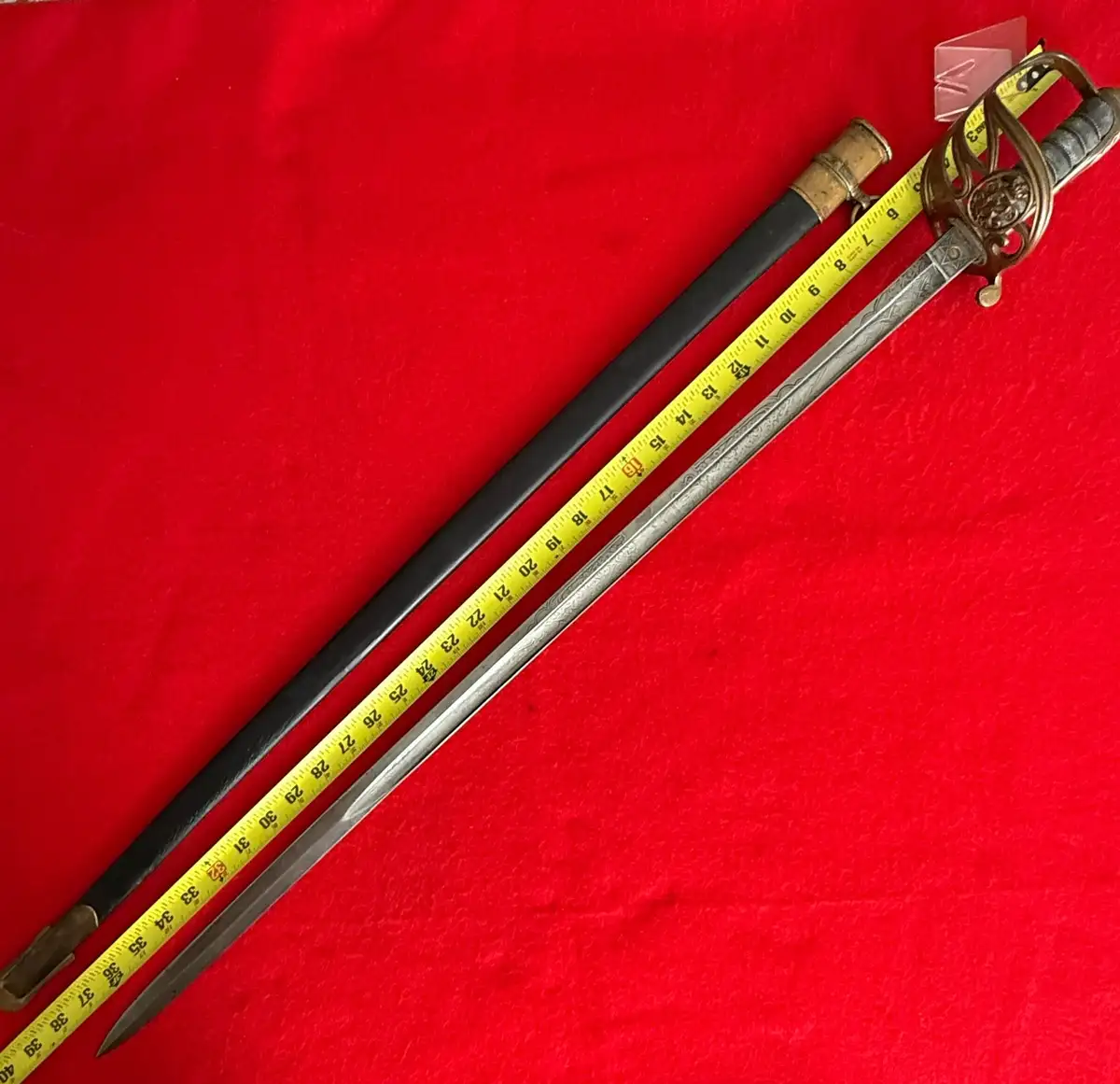
The Solingen knifemaker Hans Kolping bought the weapons division in 1955, along with its premises, name and trademarks. The firm's own history records the first swords going out in March 1955, to Korschenbroich. Early customers included the United States Navy and Marine Corps. From 1968 WKC made the newly introduced Bundeswehr combat knife.
Kolping died in 1989 and the business passed to his partner Margard Willms and then to her family. André Willms has run it since 1995. WKC still makes ceremonial swords in Solingen and employed 34 people in 2023.
Wilkinson Sword's works at Acton ended sword production on 15 September 2005. In November of that year WKC bought most of the machinery, tools and finished and unfinished parts, including Wilkinson's blade roll forge and the tooling for British MOD pattern swords and scabbards, which it uses for ceremonial work today.
What to look for
- The word Kirschbaum is what identifies the firm: on Imperial German bayonets the ricasso carries four stacked lines, WEYERSBERG over KIRSCHBAUM over & CIE (or & CO) over SOLINGEN, on the flat below the guard rather than on the blade face.
- A Weyersberg name with no Kirschbaum is a different company, not an earlier WKC — Paul Weyersberg & Co., Gebrüder Weyersberg GmbH of Solingen-Ohligs and Weyersberg & Stamm all traded in Solingen, and the first two made edged weapons into the 1940s.
- On Imperial German bayonets read the blade spine as well as the ricasso: a crown over W, for Wilhelm II, above two digits gives the acceptance year, so 16 means 1916 — information the maker's mark alone will not give you.
- A king's head and a knight's helmet used together belong to the merged firm and so date to 1883 or later; the knight's helmet on its own above the letters WKC is the mark the company uses today.
- A maker's mark on a bayonet can belong to the blade maker, to the firm that assembled the piece, or to the retailer who sold it, so a WKC ricasso does not on its own prove WKC made every component.
- Pieces made between 1935 and 1945 for state and party organisations may carry an RZM code alongside or instead of the trade mark.
- The name also appears on things that are not weapons — Mars and Norma hair clippers, Patria bicycles — which were a substantial part of the firm's turnover.