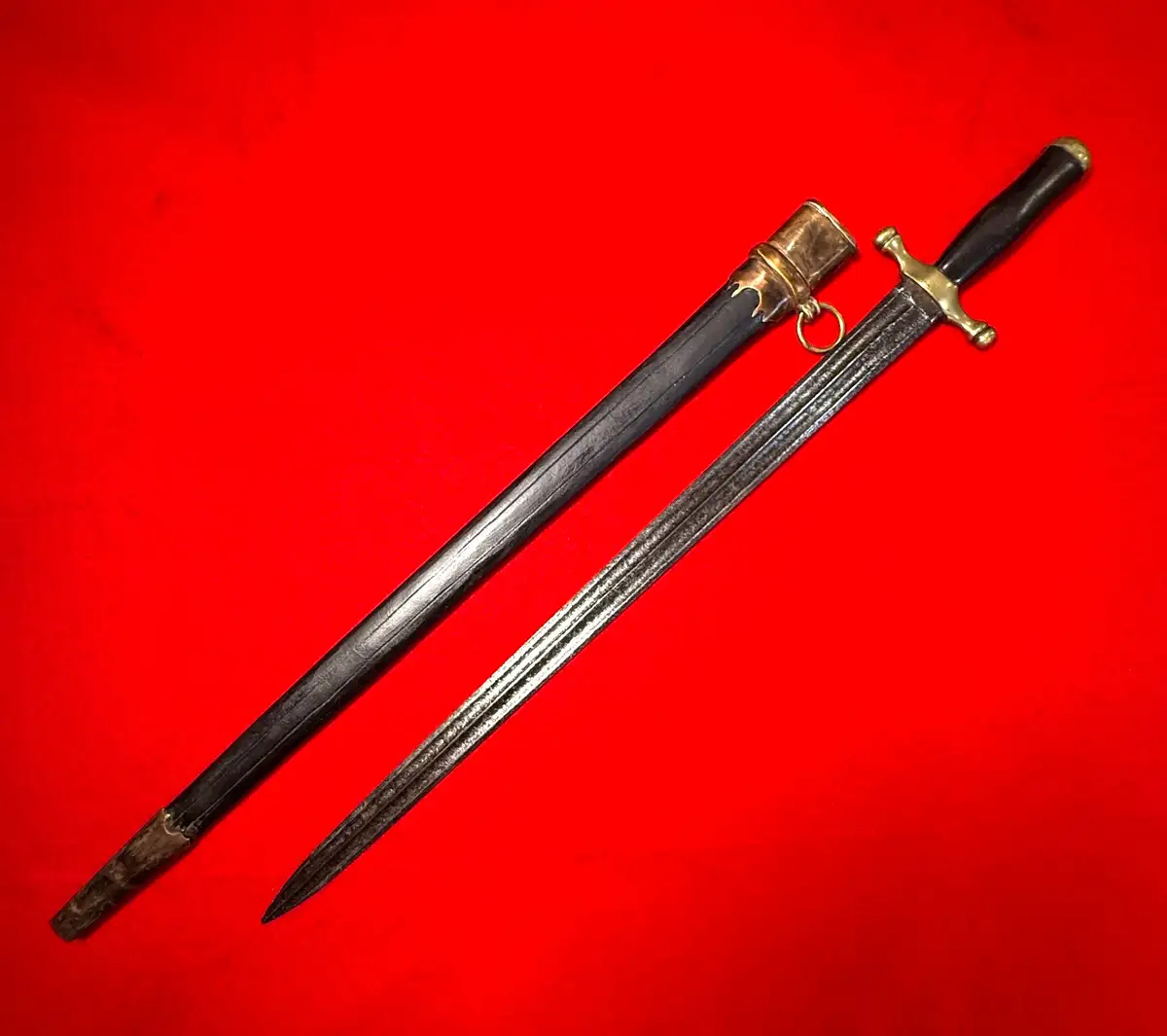
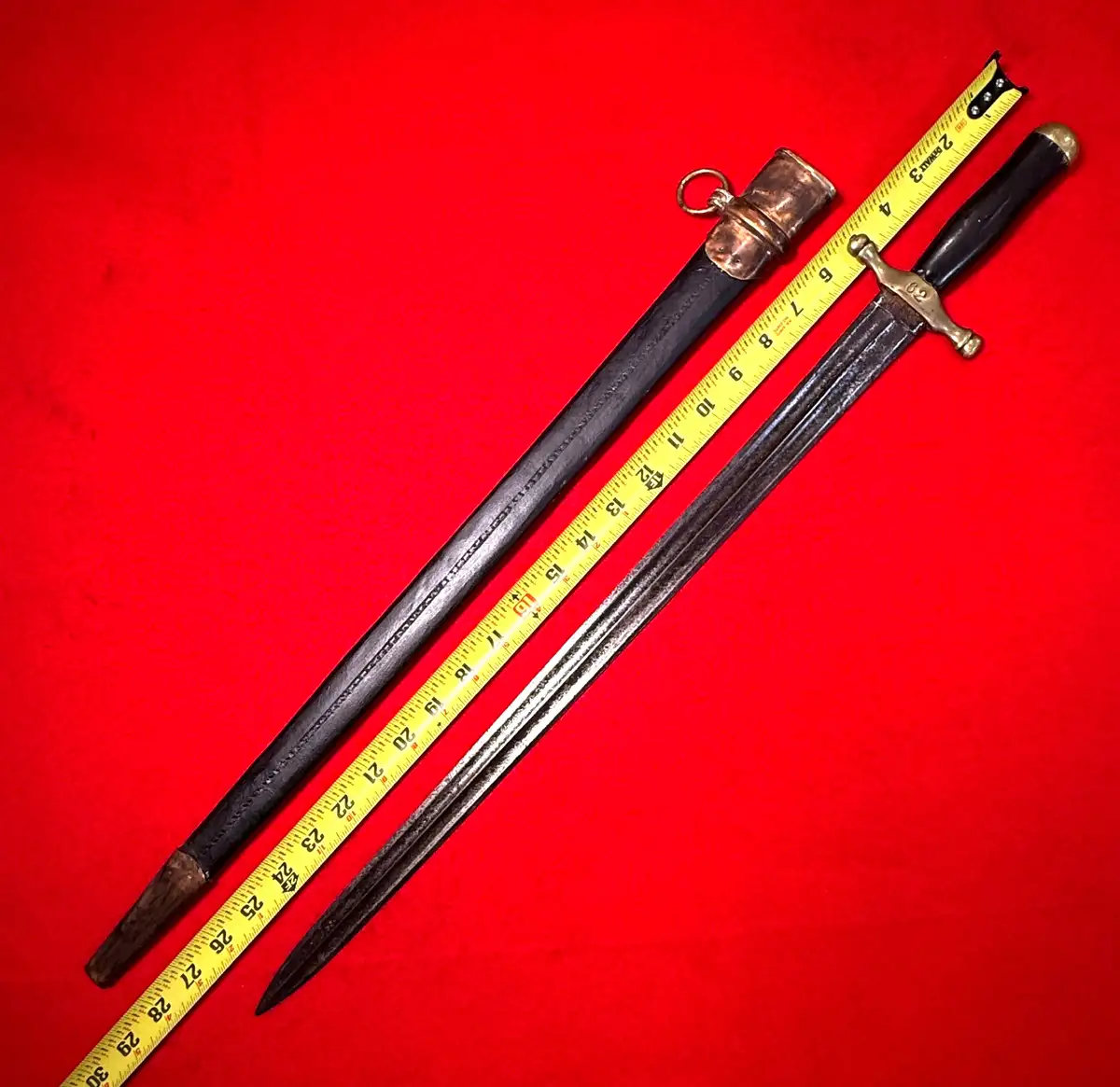
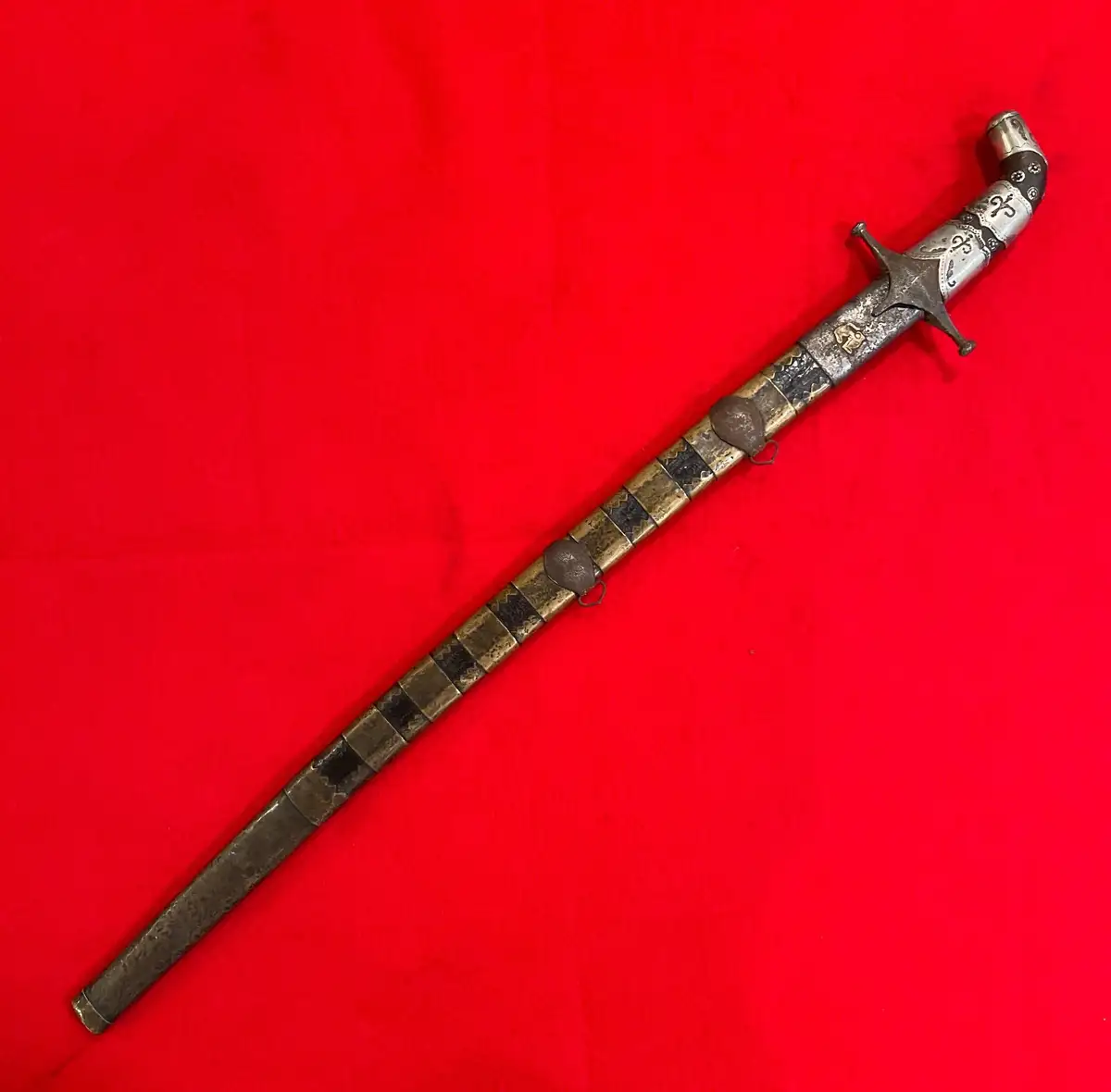
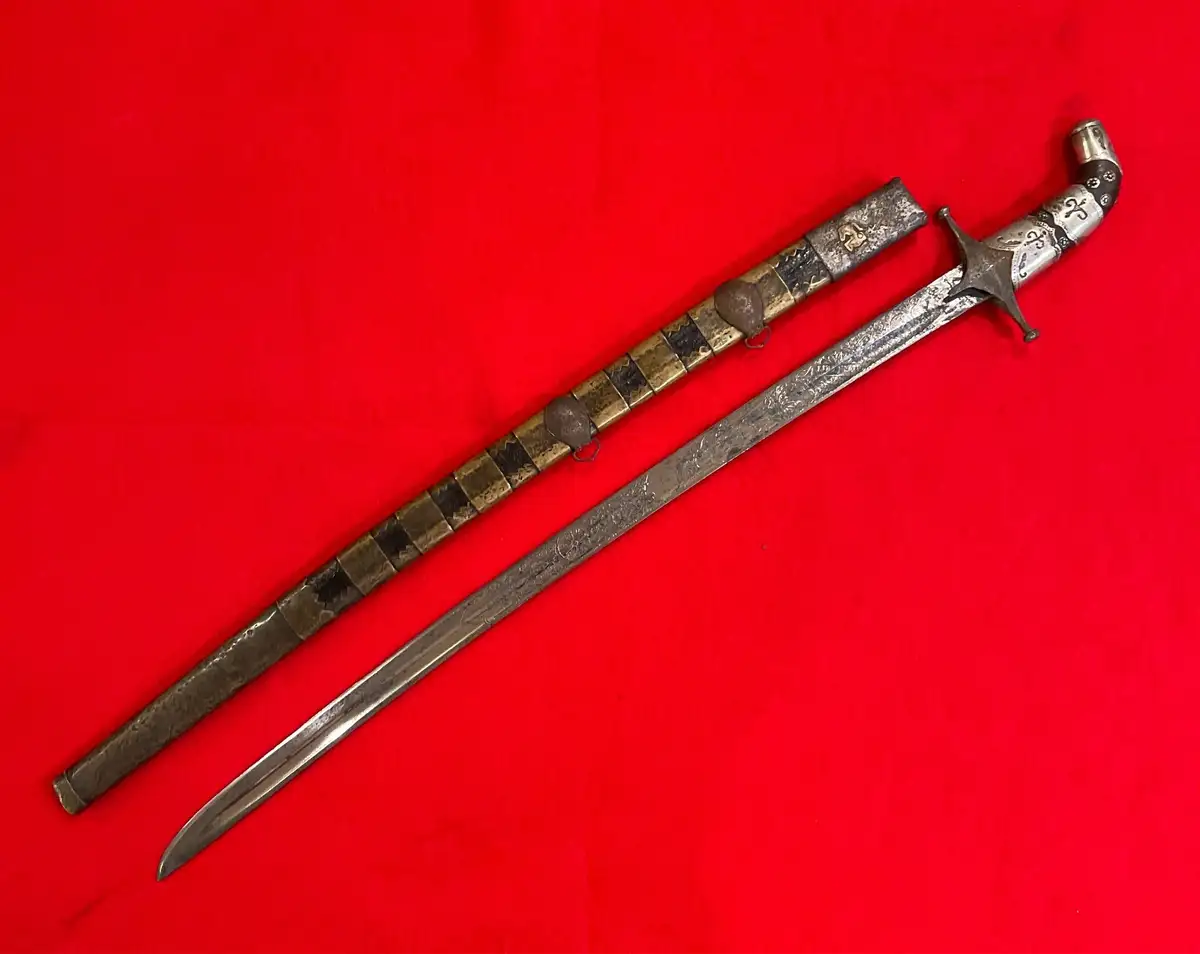
Solingen
How one valley in the Bergisches Land came to make Europe's blades: the water that drove it, the brotherhoods that split the work between them, the marks that outlived the men, and what the word Solingen is allowed to mean today.
The river set the hours
A levy register of 1684 is the usual basis for the often-quoted figure of 109 grinding shops in and around Solingen. The register itself lists 115 entries; the count of 109 comes from deducting hammer works and Kotten standing empty, and the further claim that all 109 turned at once is disputed by the local surveys that report it. Take it as the order of magnitude of the trade at its height, not as a headcount for a single day.
None of them ran on muscle. Each was a Kotten: a low building set across a diverted channel, its wheel turning a wooden shaft that carried drive down the length of the room to the stones. Water set the terms. A Kotten stood where a stream had both fall and volume, which in this corner of the Bergisches Land meant the Wupper and the brooks that drop into it. Counts for the Solingen stretch of the Wupper differ by what is included: Hendrichs recorded 24, other accounts give 26, and one detailed survey of the sites reaches about 25. The rest were strung up the smaller valleys. The river froze in winter and dropped in summer, and when it did the stones stopped turning and the men went home.
Stones were shared, and the work was arranged around the wheel. Three and sometimes four grinders could take a single stone at once, the sword holding the place in front of the stone while small knives were ground behind it and at the sides.
Two water-driven Kotten survive on the Wupper at Solingen. The Balkhauser Kotten opened as a working monument on 14 April 1962; fire destroyed it in 1969, it was rebuilt to the original by 1972, and its wheel was returned to working order in 2002. The Wipperkotten, a double Kotten built around 1600 and first named in a lease record of 1605, is still used for grinding by home-workers. It was badly damaged by the Wupper flood of 2021 and renovated over the following two years.
Three brotherhoods, one blade
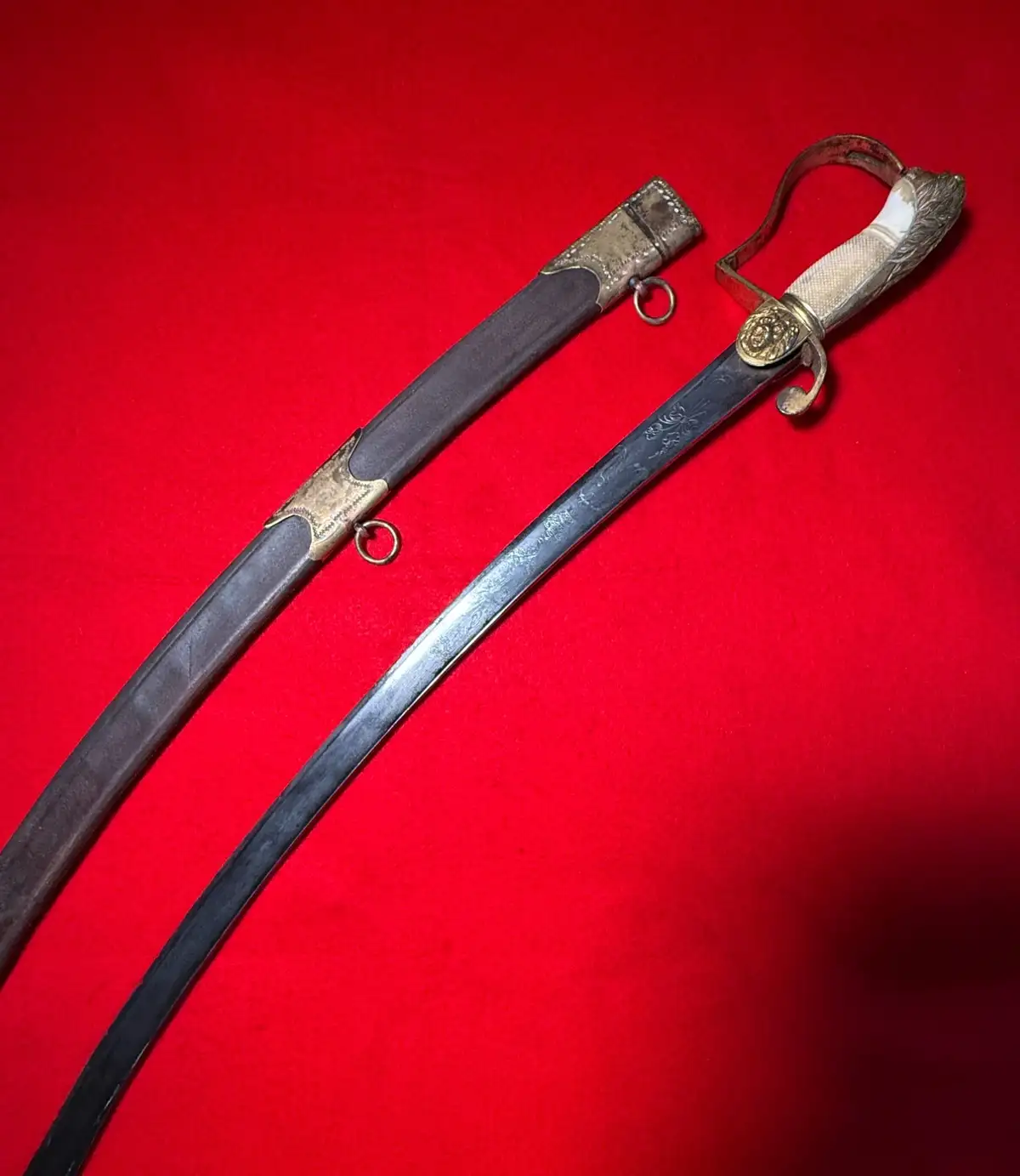
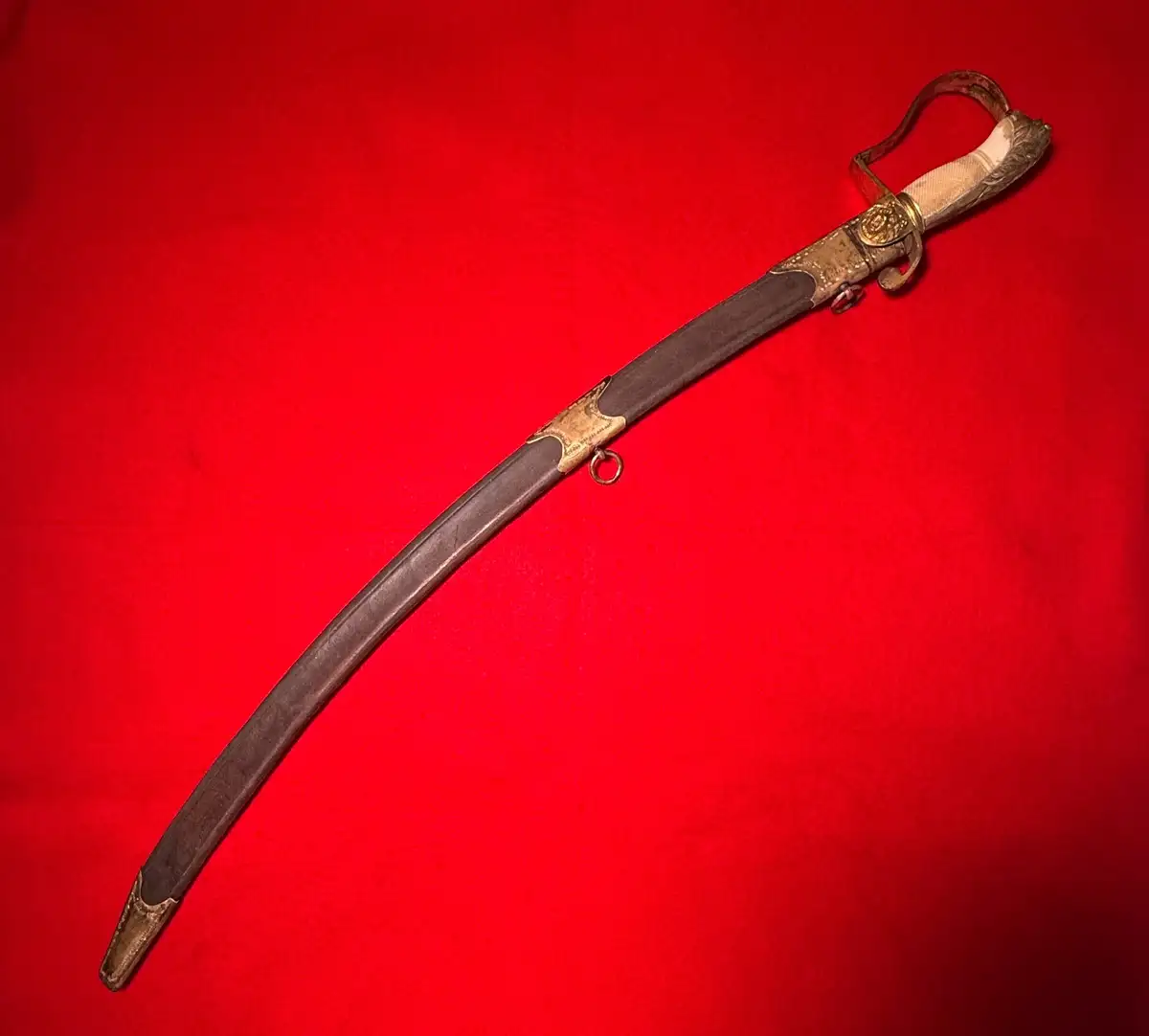
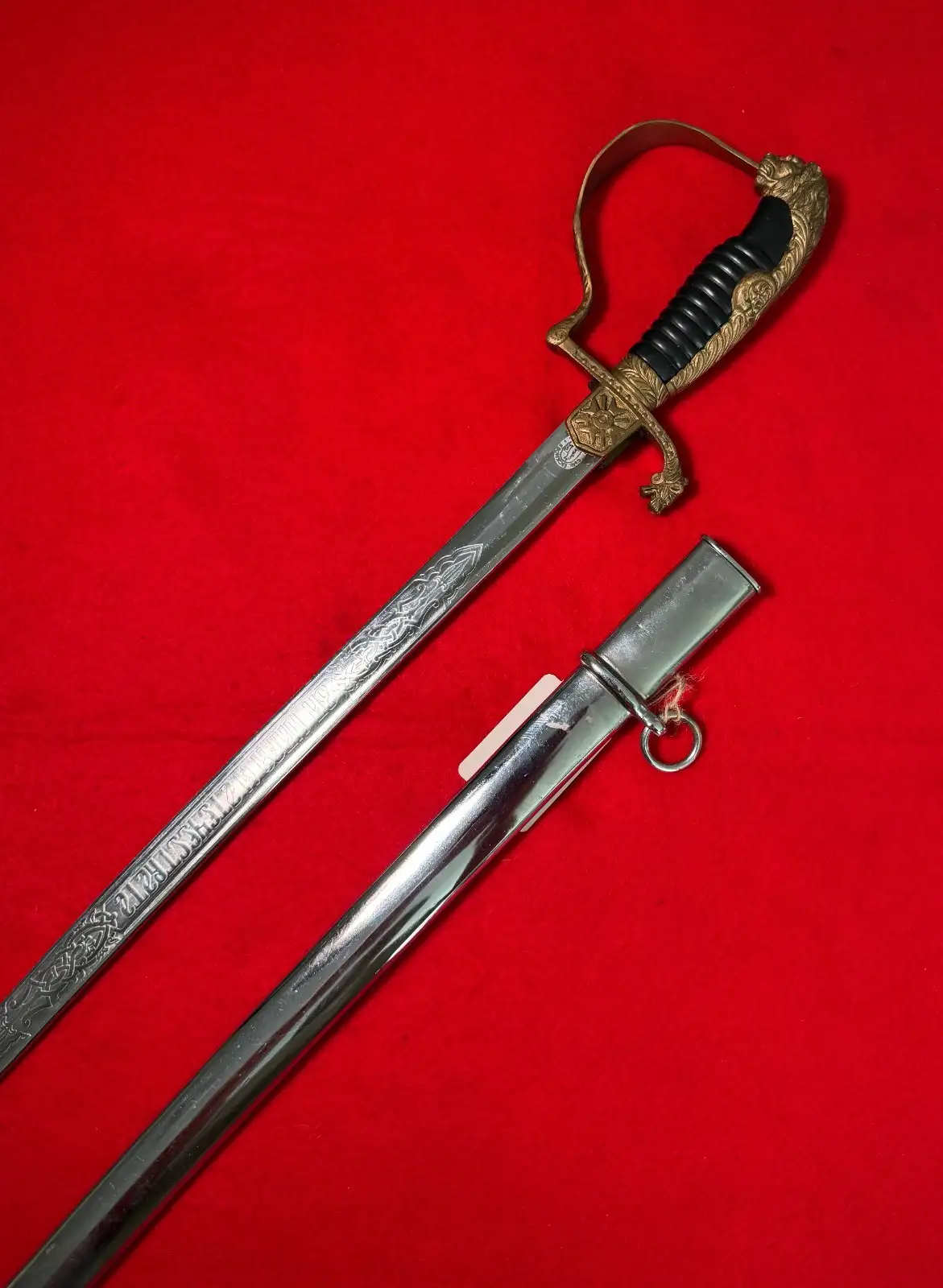
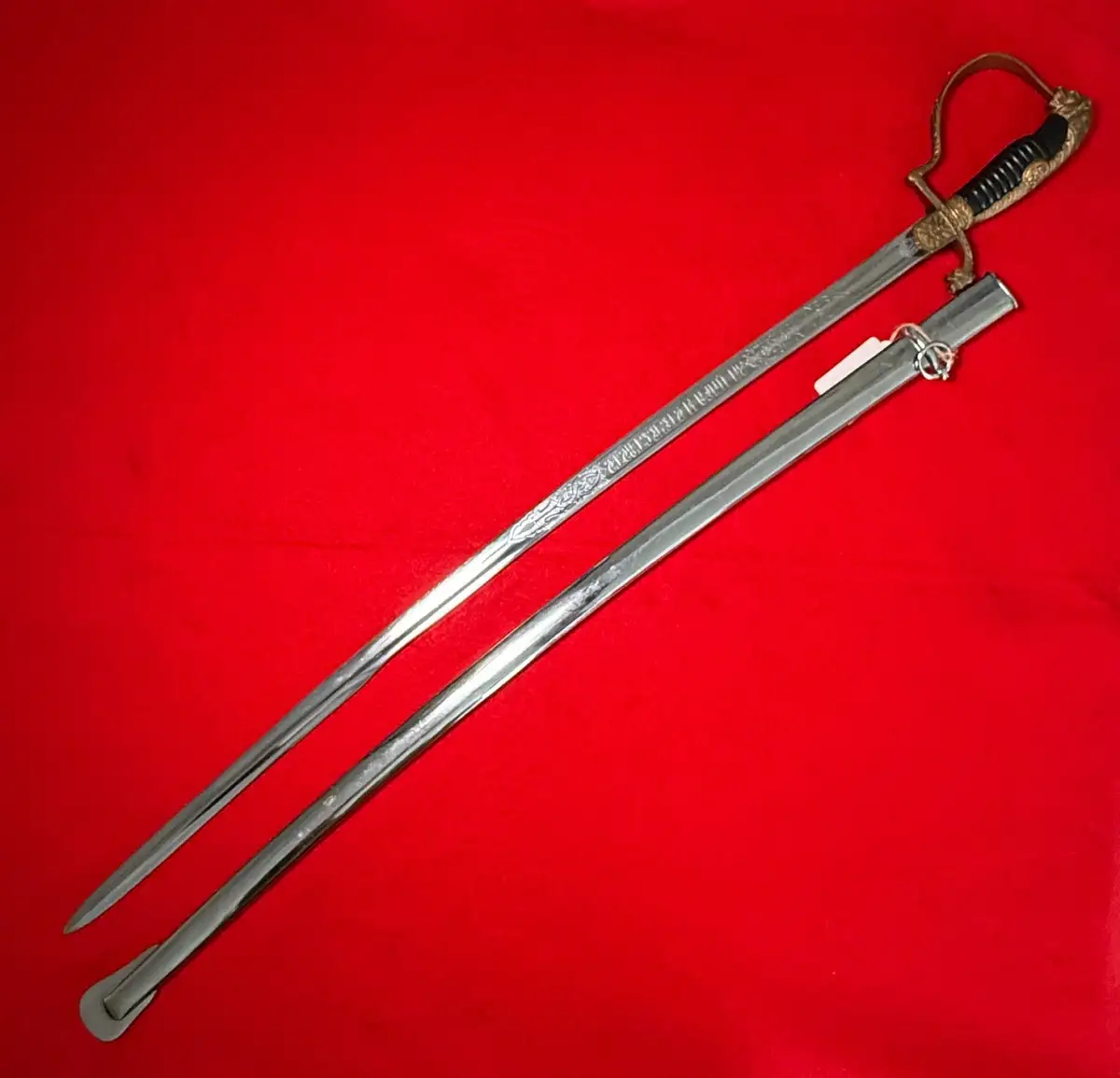
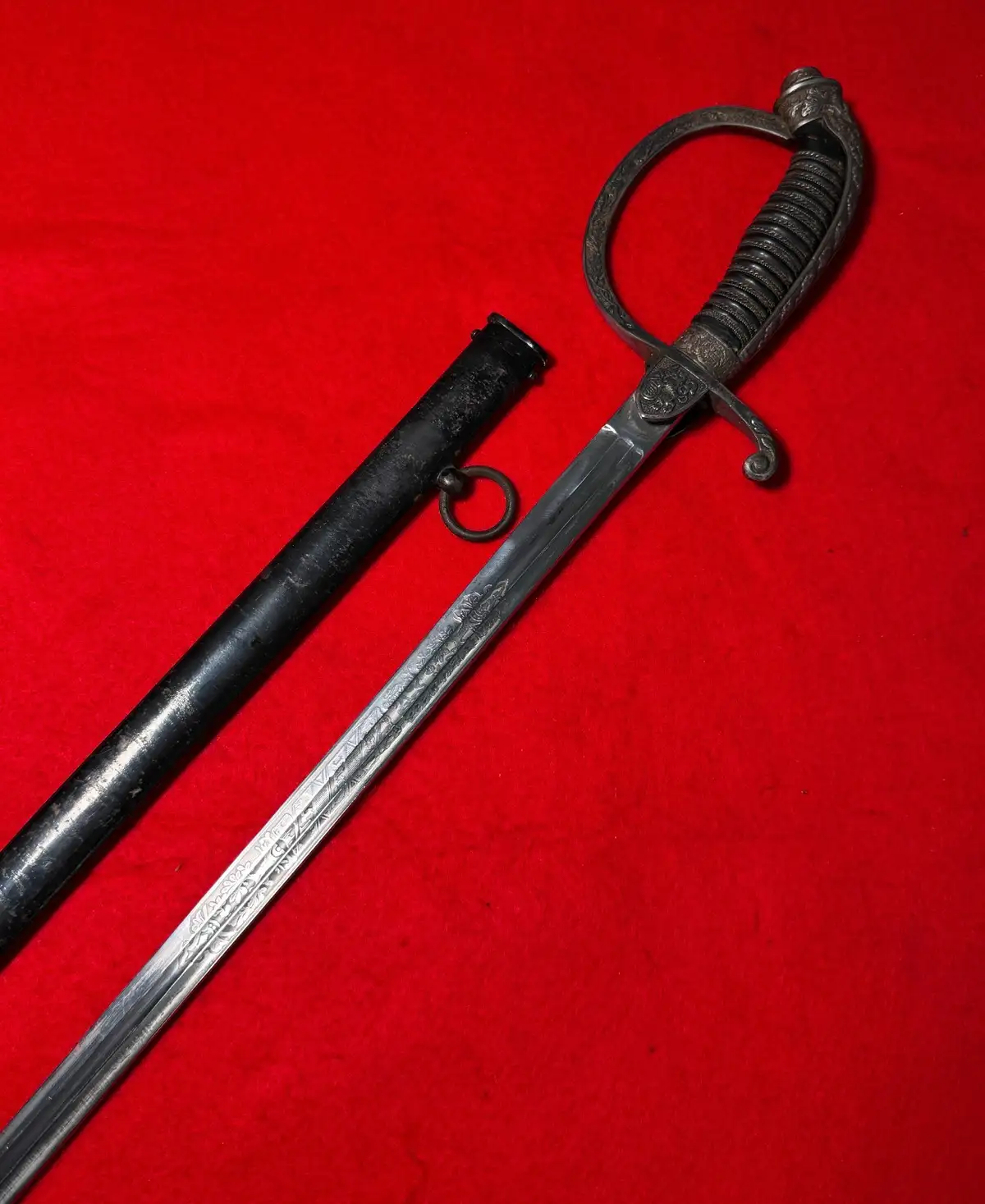
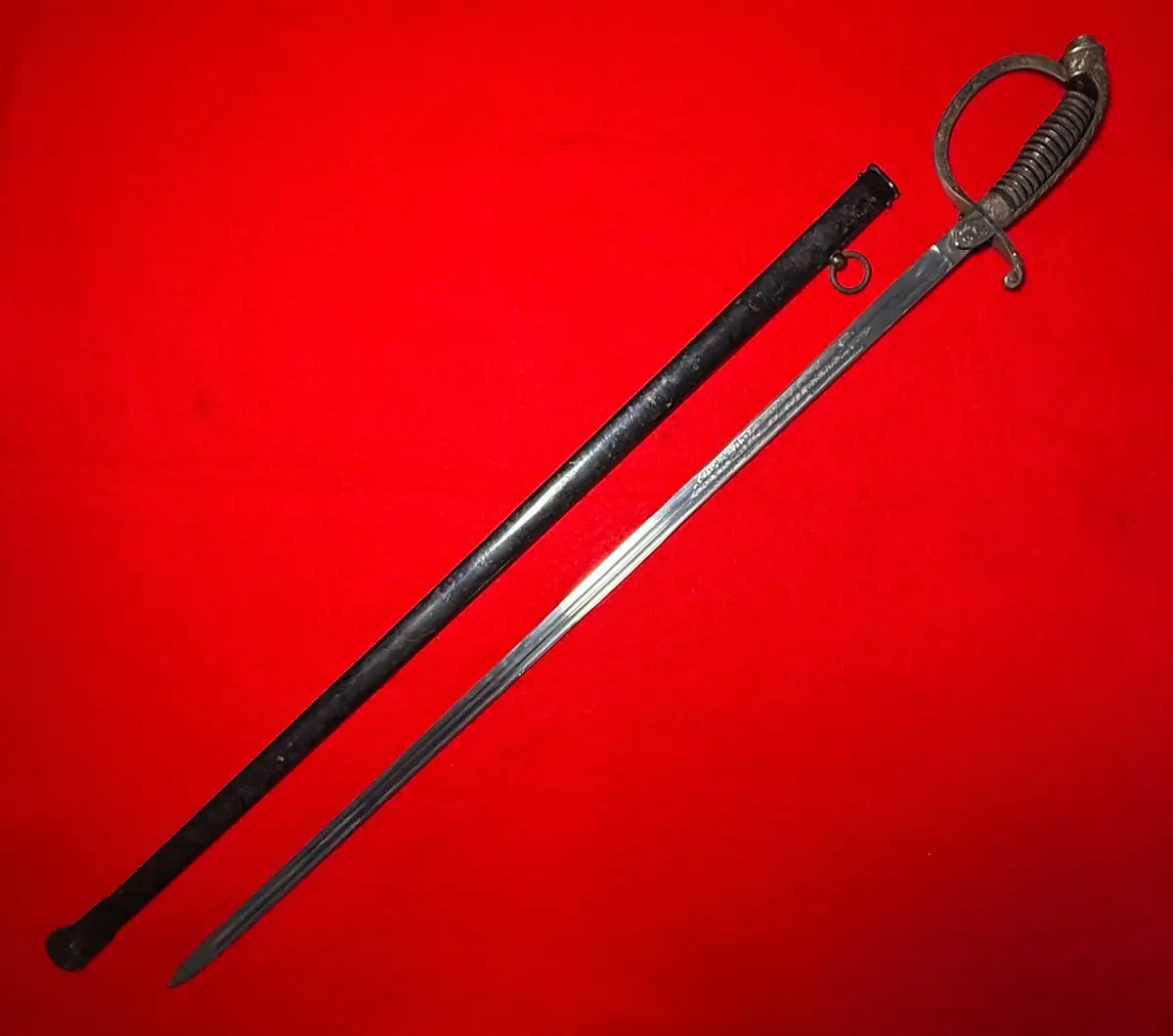
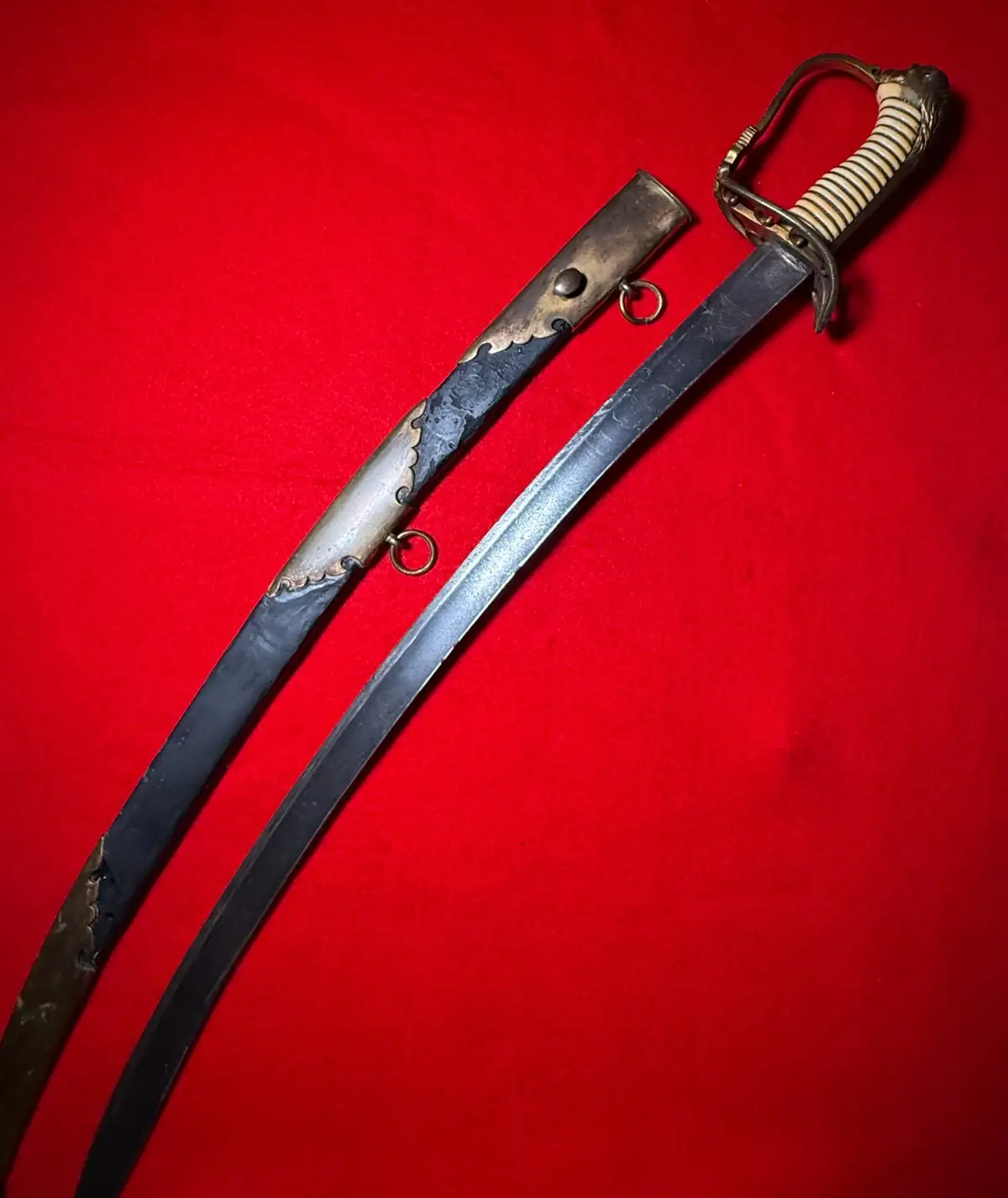
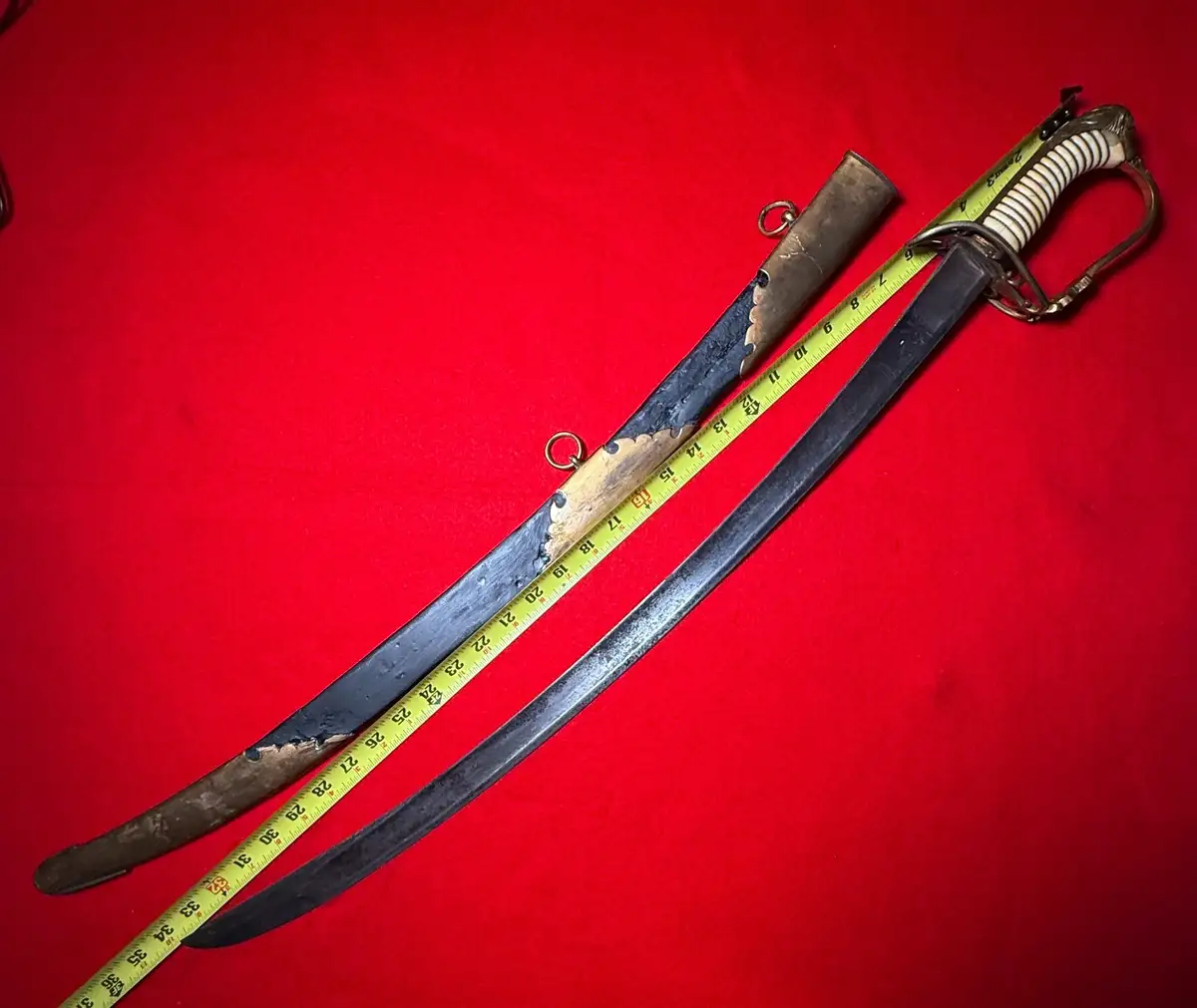
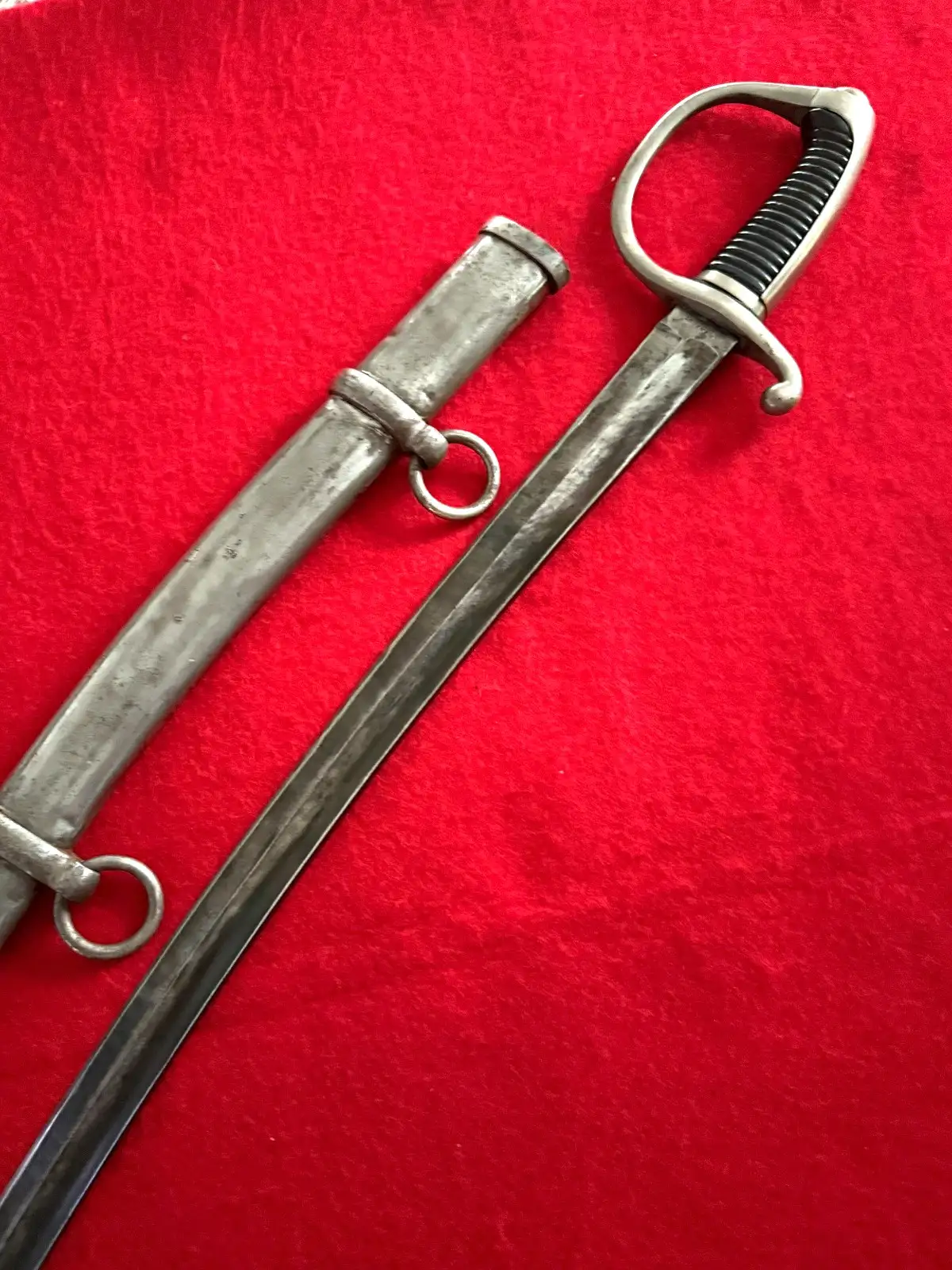
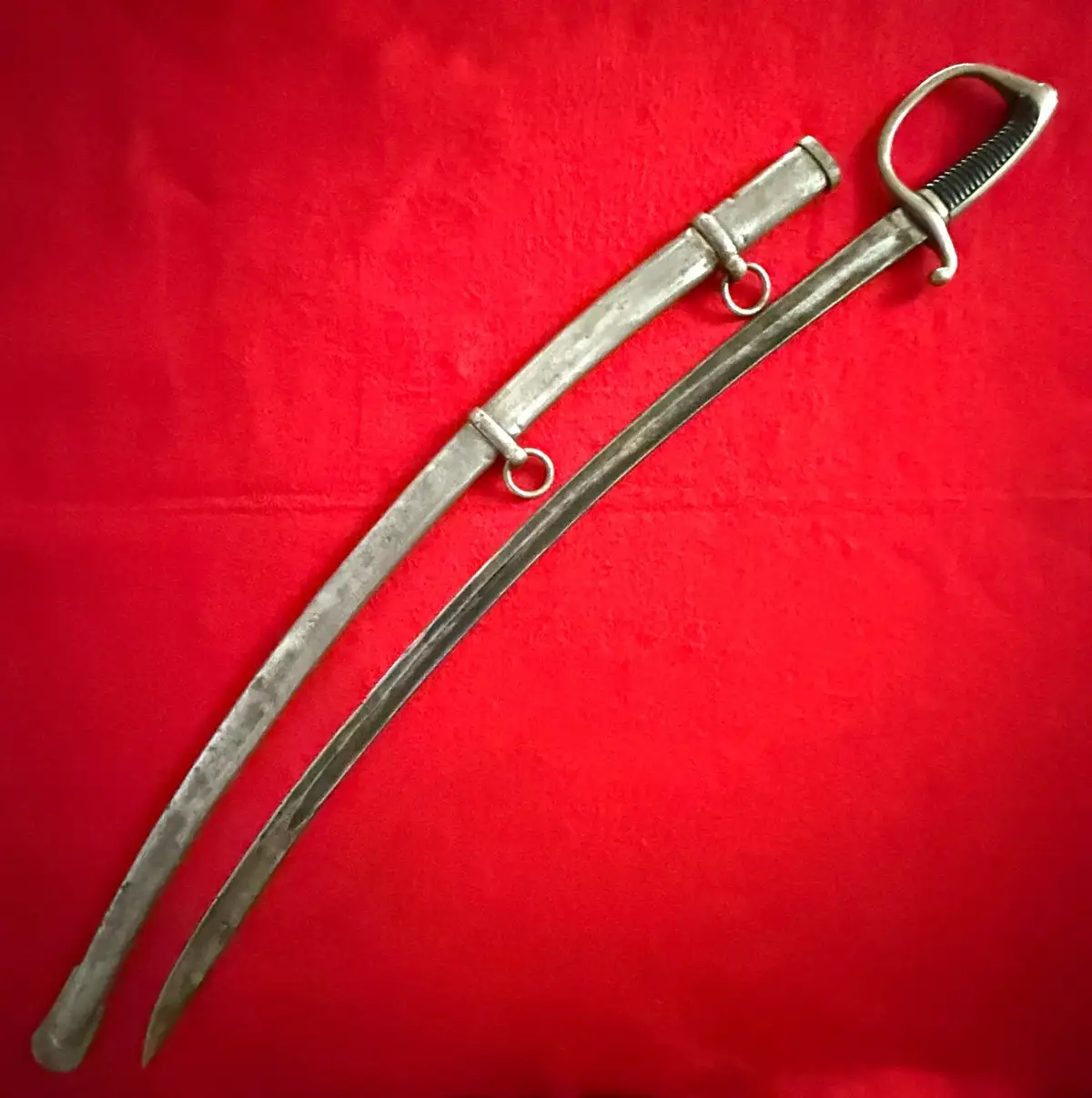
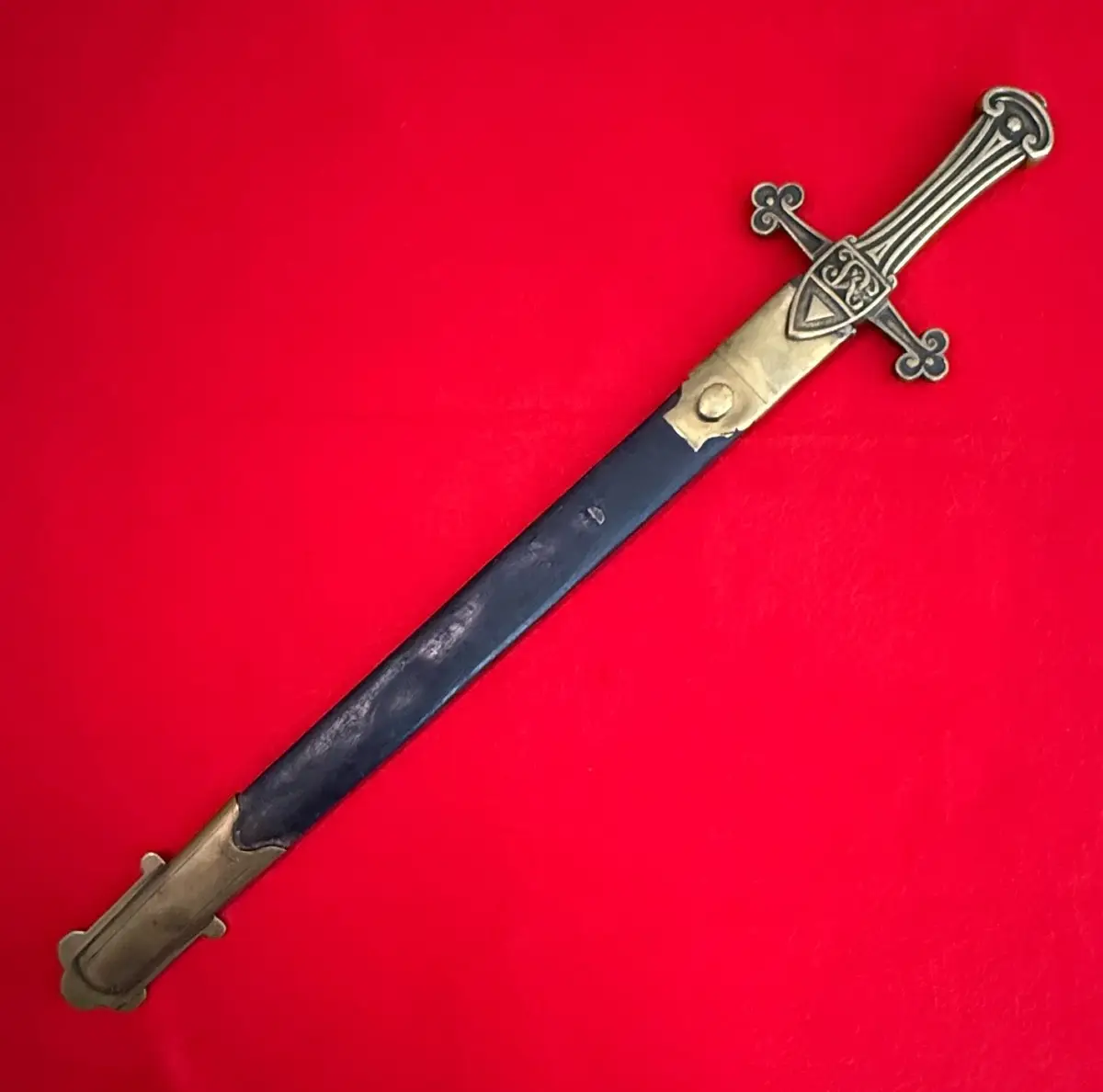
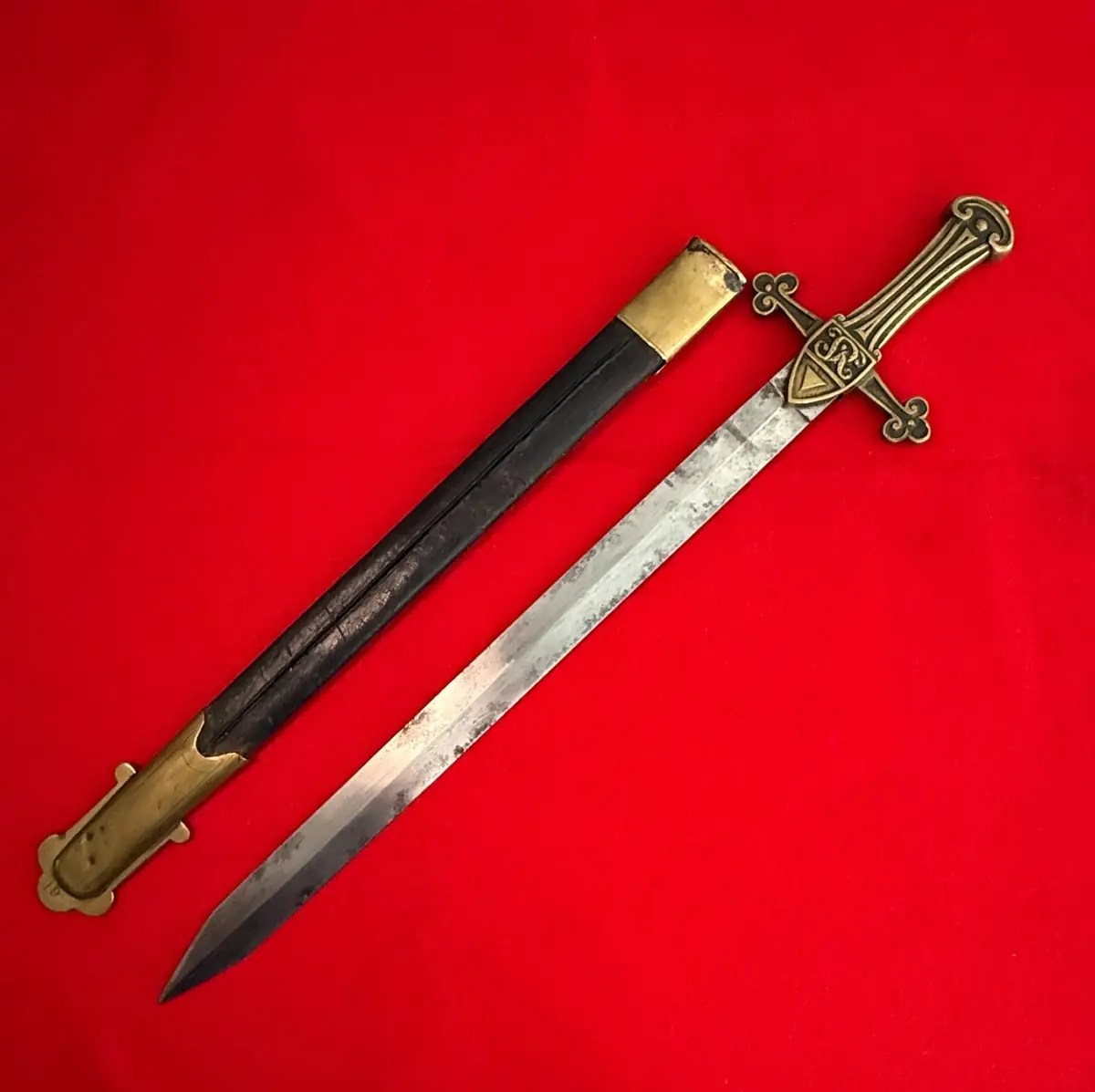
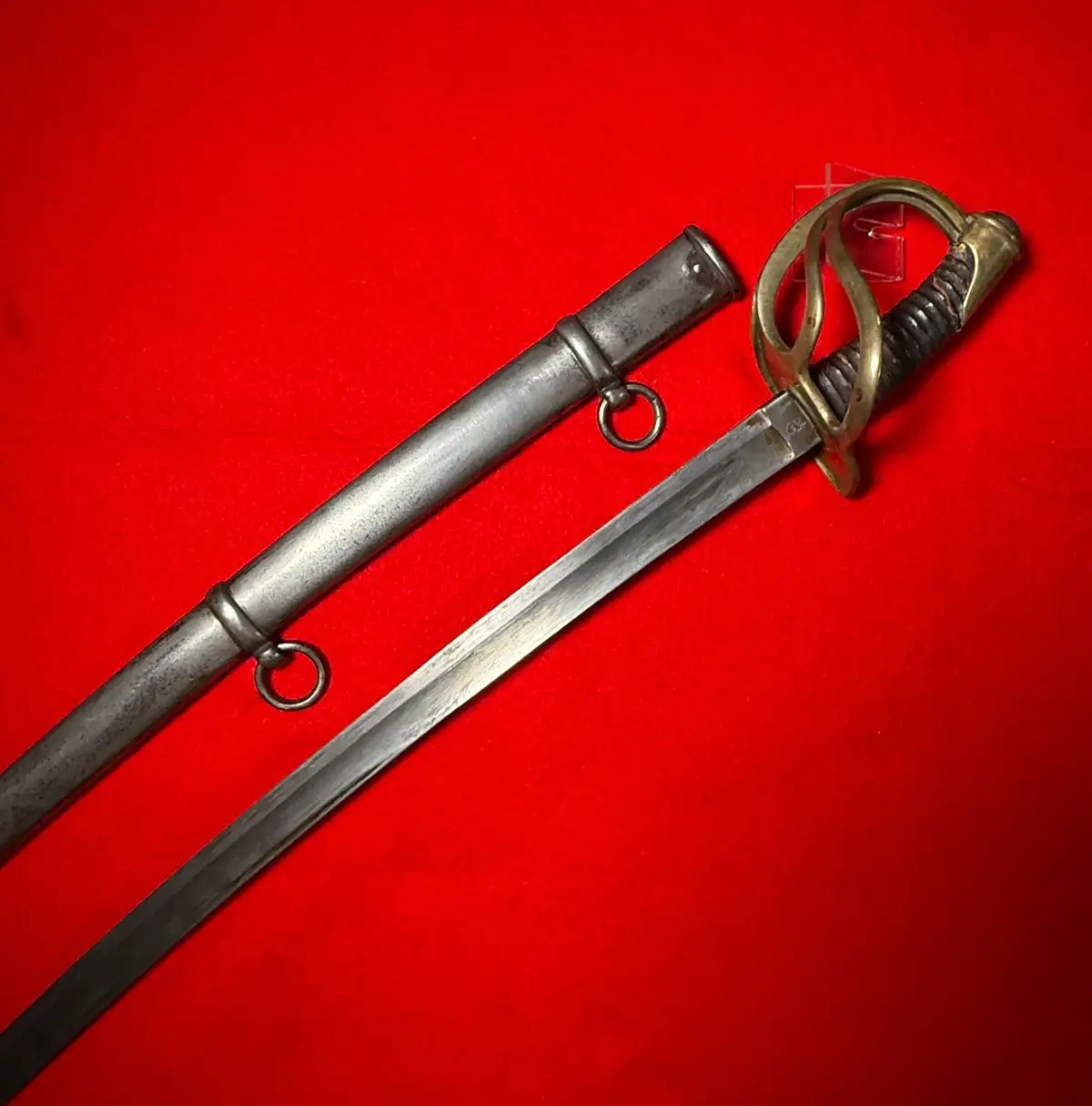
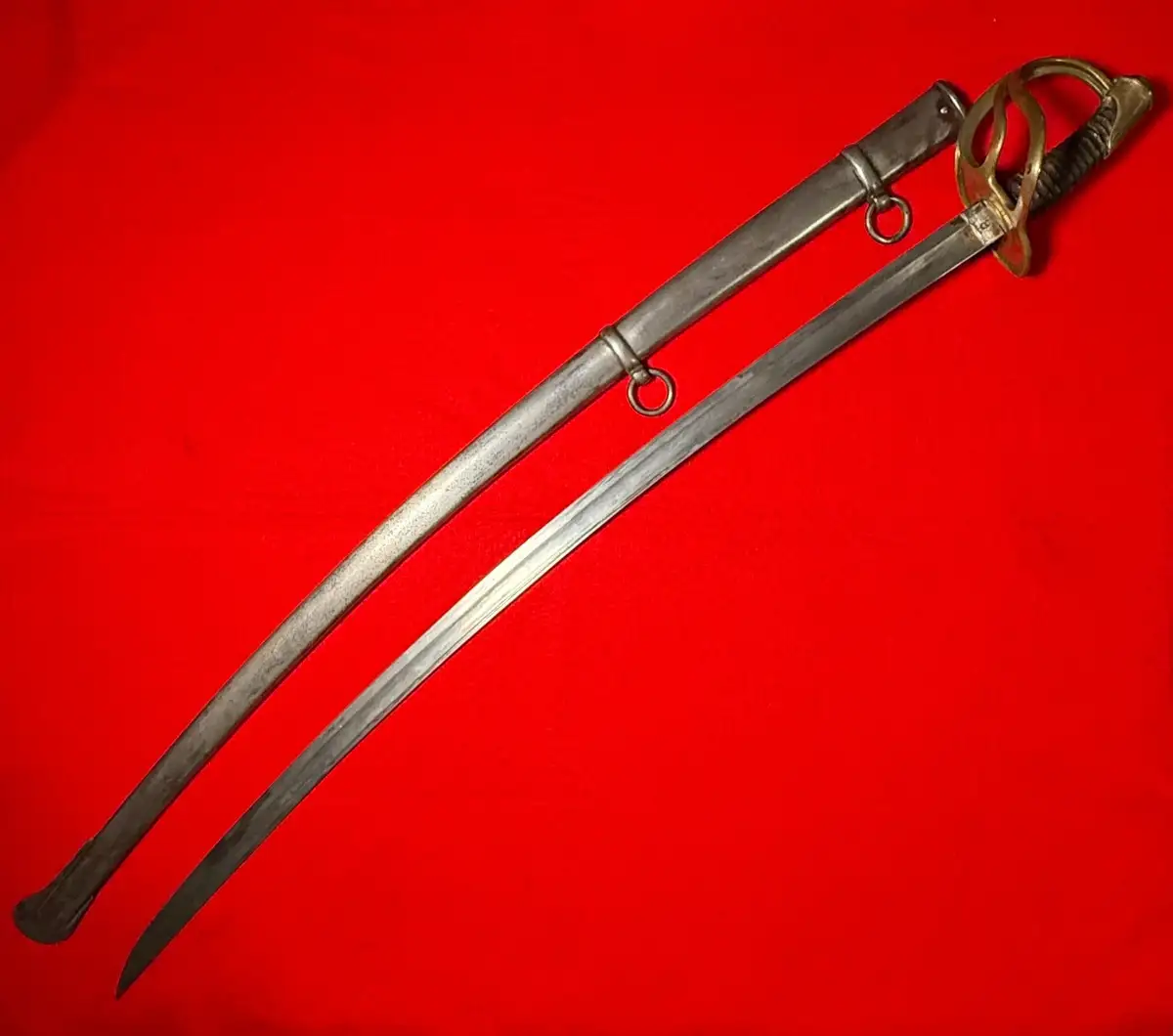
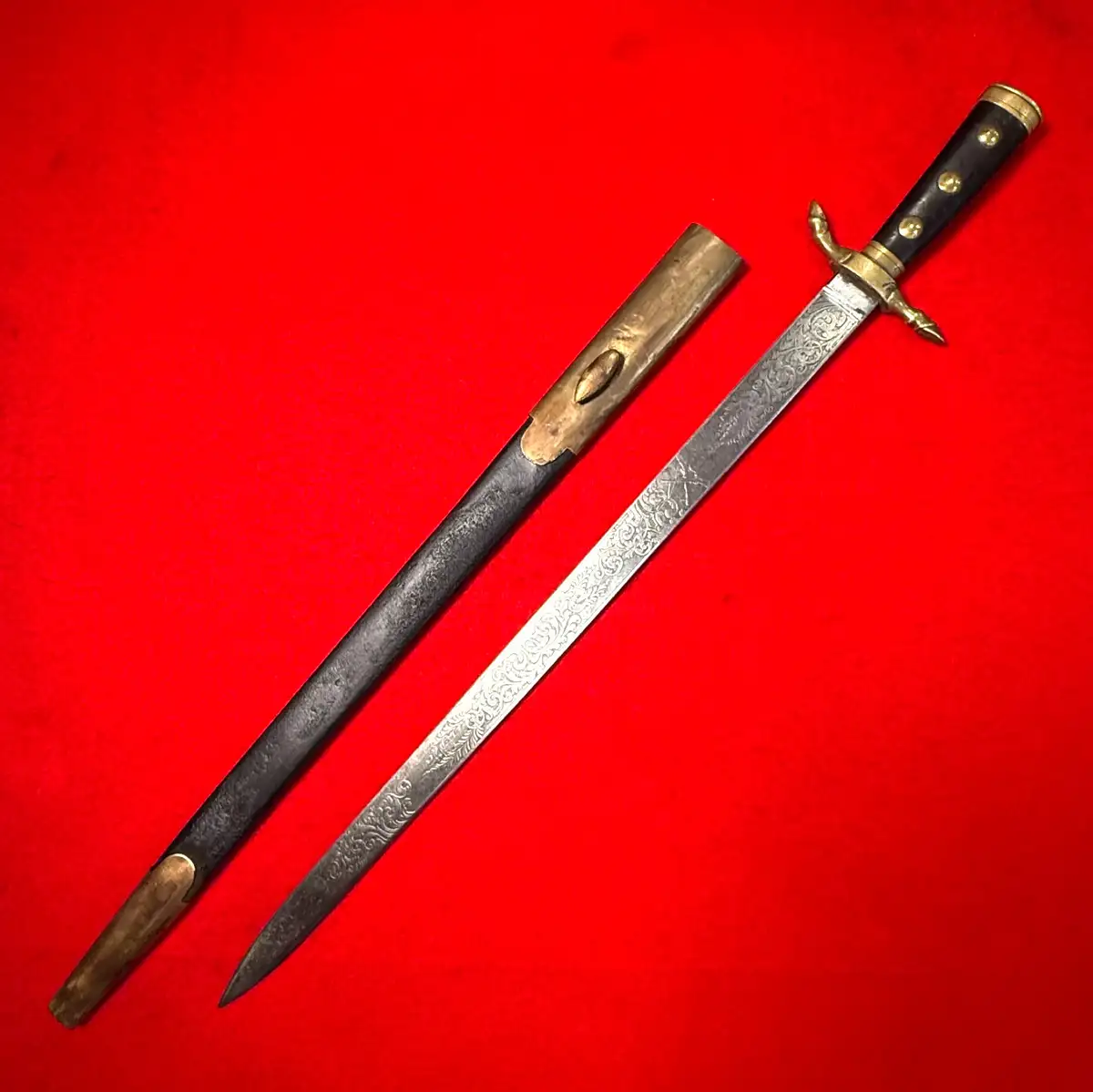
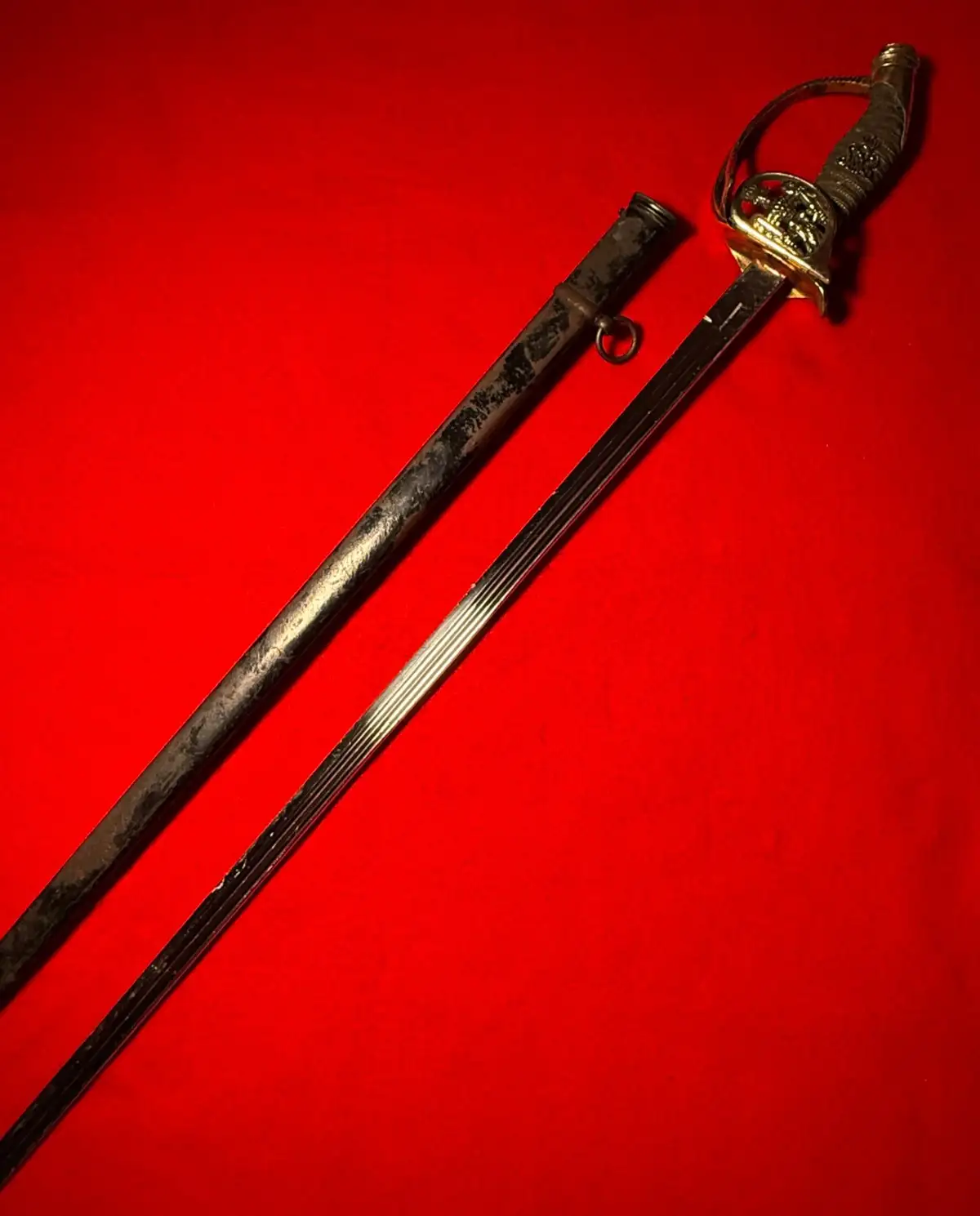
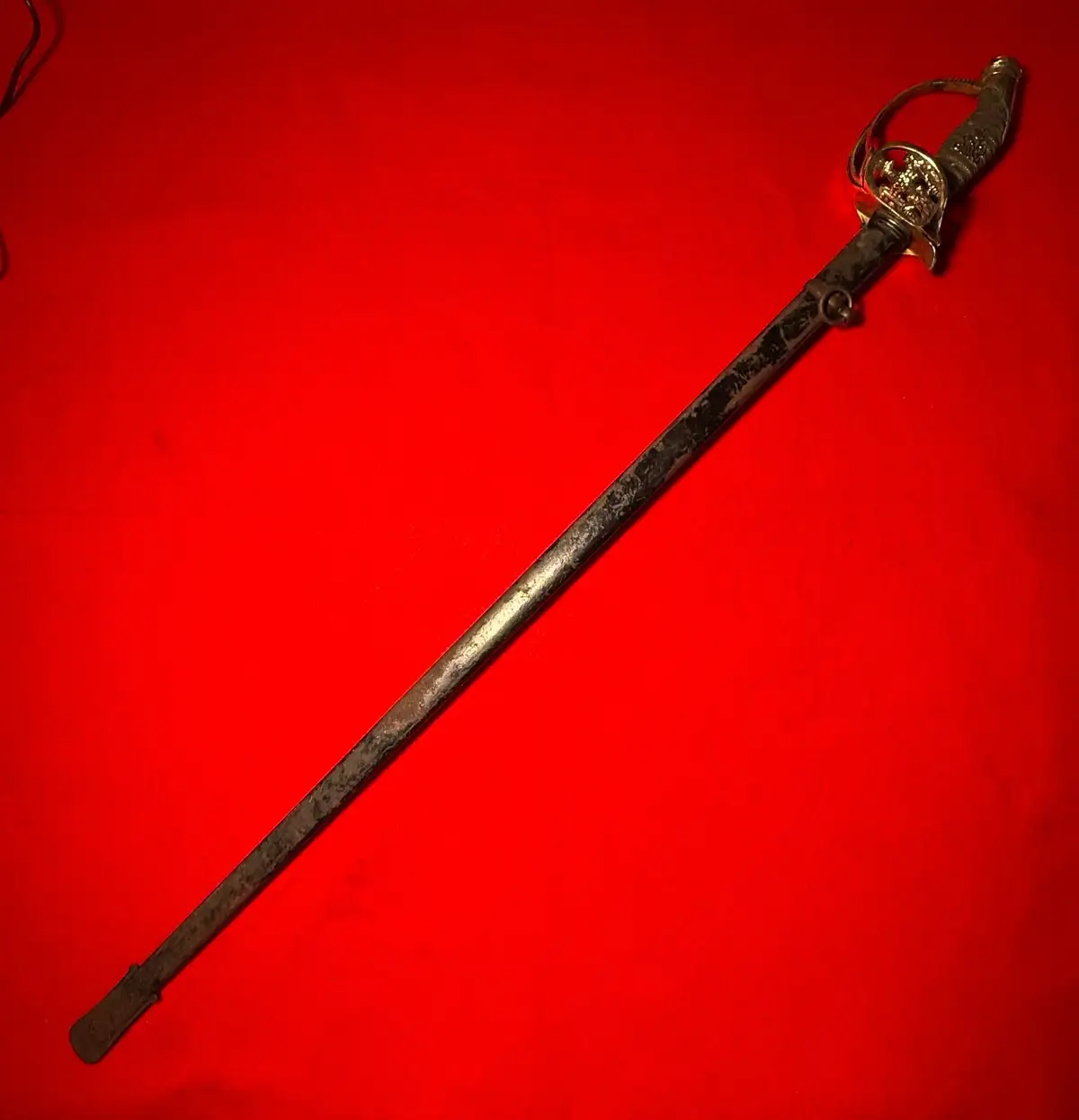
No one person in Solingen made a sword. The work was split between trades, and the trades held privileges from the ruling duke. Three brotherhoods covered the sword: the hardeners and grinders together received the first privilege in 1401; the sword-furbishers and the Reider, the men who mounted hilt to blade, held theirs from 1412, though some accounts give 1420; the sword smiths followed in 1472. Hardeners and grinders shared one charter, furbishers and Reider another, so the crafts outnumbered the corporations.
The cutlers were a separate trade with a separate charter, dated 14 January 1571, and it carried an obligation to mark the work. The cross- and knob-smiths received a privilege on 10 October 1623 from Duke Wolfgang Wilhelm, but that document confirms rights already held: their earlier privilege had been lost in the town fire of 1581, so 1623 dates the replacement, not the founding. The same caution applies more widely. The early privileges survive only in later transcripts, and the dates on them say more about when copies were made than about when the brotherhoods began.
Entry was hereditary and closed: only the legitimate son of a master already in a brotherhood could be admitted. Members swore a Verbleibungseid, an oath of residence, binding them not to leave and not to practise the craft elsewhere; journeymen were not free to travel. A council of six, two from each of the three brotherhoods, sat over the whole under a ducal Obervogt, on record from 1487.
This is why so many firms come from one place. The town could not be copied, because the knowledge was split between trades and guarded by each of them, and the power came out of a particular river. Under French rule the structure was dismantled: a decree of 1 March 1809 established freedom of trade and dissolved the privileged brotherhoods.
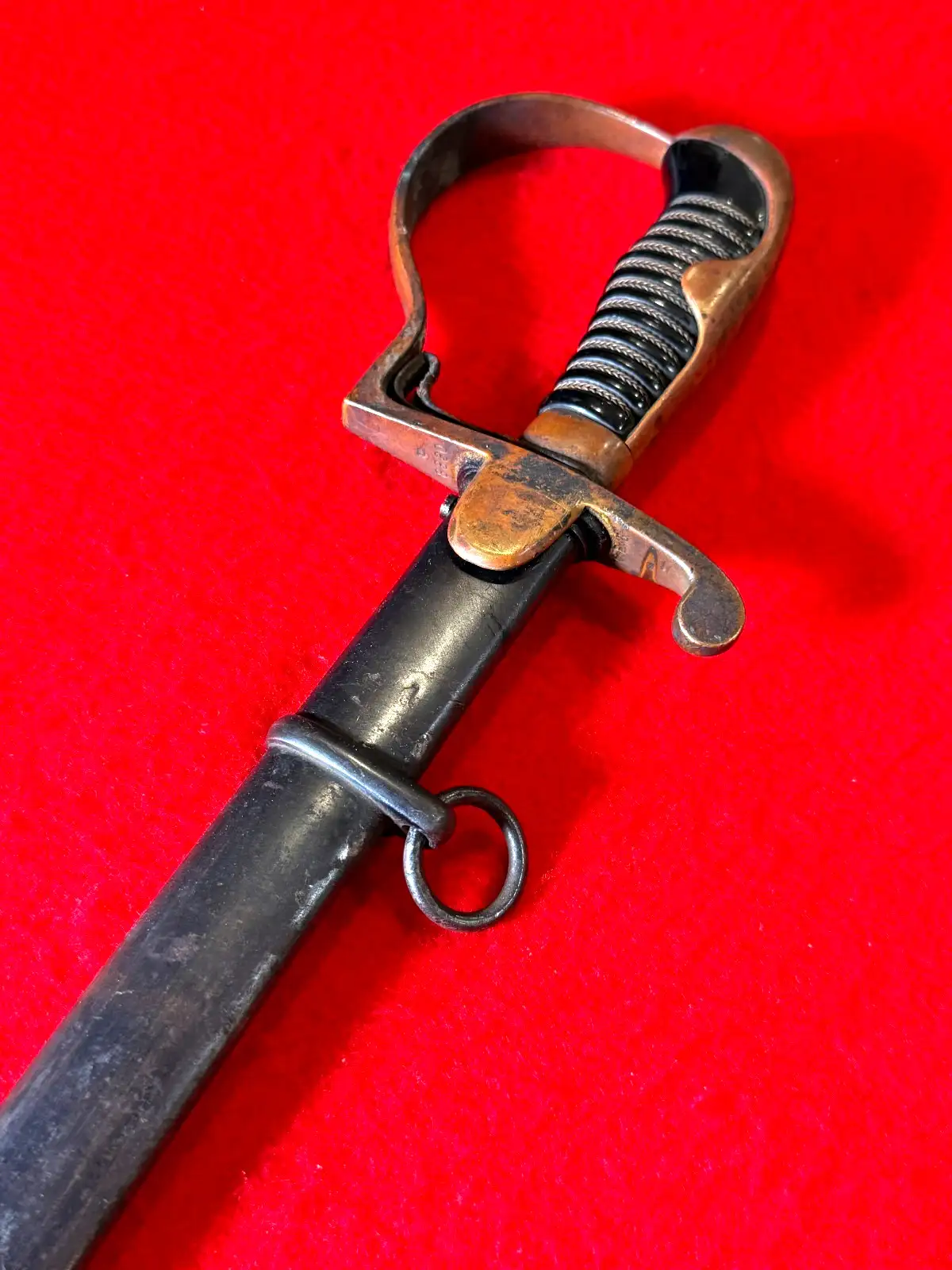
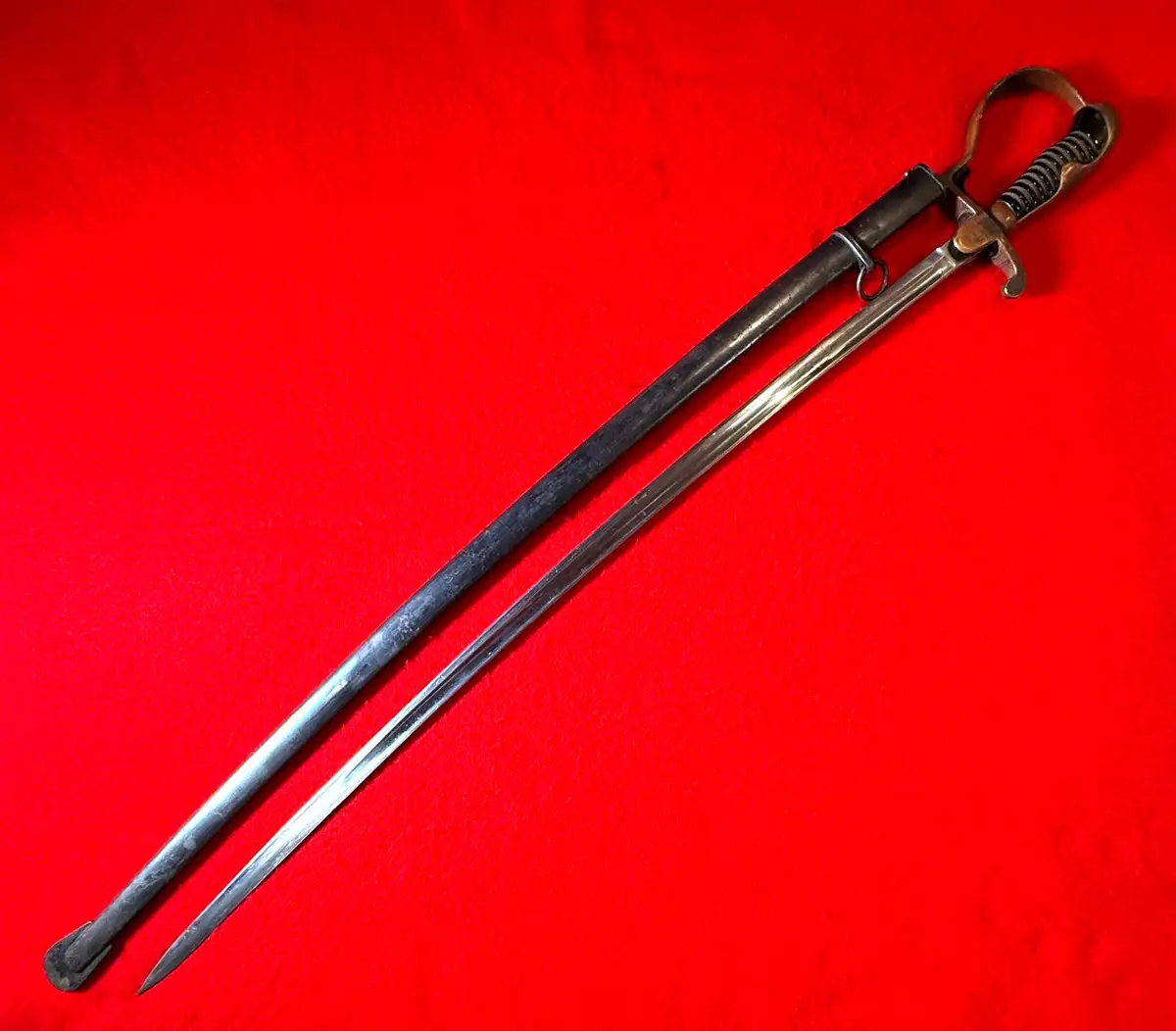
Solingen hands founded blade industries elsewhere twice, under quite different conditions. In 1687 a body of Solingen swordmakers and their families reached Shotley Bridge on the River Derwent in County Durham and set up grinding and finishing there; depending on how the names are counted, the literature puts them at between nineteen and thirty-six, and their motives — religious pressure, English recruitment, secrecy about hollow-blade forging — remain argued over. A charter for the Governor and Company for Making Hollow Sword Blades in England was granted on 13 October 1691, and the company for a time managed the Shotley men. The second departure came after the oath had ceased to exist. In 1815 the russian government opened an arms works at Zlatoust in the Urals and recruited openly from Solingen and from Klingenthal, among them the blade decorator Wilhelm Nikolaus Schaaf and his three sons, contracted to organise production on the Solingen model and to train russian craftsmen.
The mark outlives the hand
In Solingen a mark was property. It was registered, inherited, bought and sold, and it could go on running long after the workshop that first struck it had gone. Peter Henckels had the twin device entered in the Solingen cutlers' register on 13 June 1731, and the twins are still in use on knives today — one of the longest continuous runs any maker's device has had, though how far the right has passed unbroken from that entry to the present is a question for the company's own records rather than for a blade.
That changes what a name on a blade tells you. The mark records the house that held the right to sell under it, which in Solingen usually meant a merchant firm that put work out and took it back in. Forging, hardening, grinding and mounting could each happen in a different building, in a different family, at piece rates.
The arrangement outlasted the factory. Well into the twentieth century Solingen firms counted two workforces: the people inside the gates, and the Heimarbeiter who collected blanks, ground them in their own premises, and brought them back. It is not a closed chapter. The surviving Wipperkotten on the Wupper is still worked by home-workers grinding on their own account.
A Solingen mark gives you a house, a period and often an export market. It does not give you a hand.
Steam, merger, war
The first steam engine in Solingen was erected in 1853; the railway reached the town in 1867. Between them they cut grinding loose from falling water, and the work moved out of the valleys and into factories that could run in February and in August alike.
On 1 August 1929 five separate towns were combined into one city of roughly 140,000 people: Gräfrath, Höhscheid, Ohligs, Wald and Solingen. Firm addresses reading Solingen-Ohligs or Solingen-Gräfrath are naming what had been independent towns until that date.
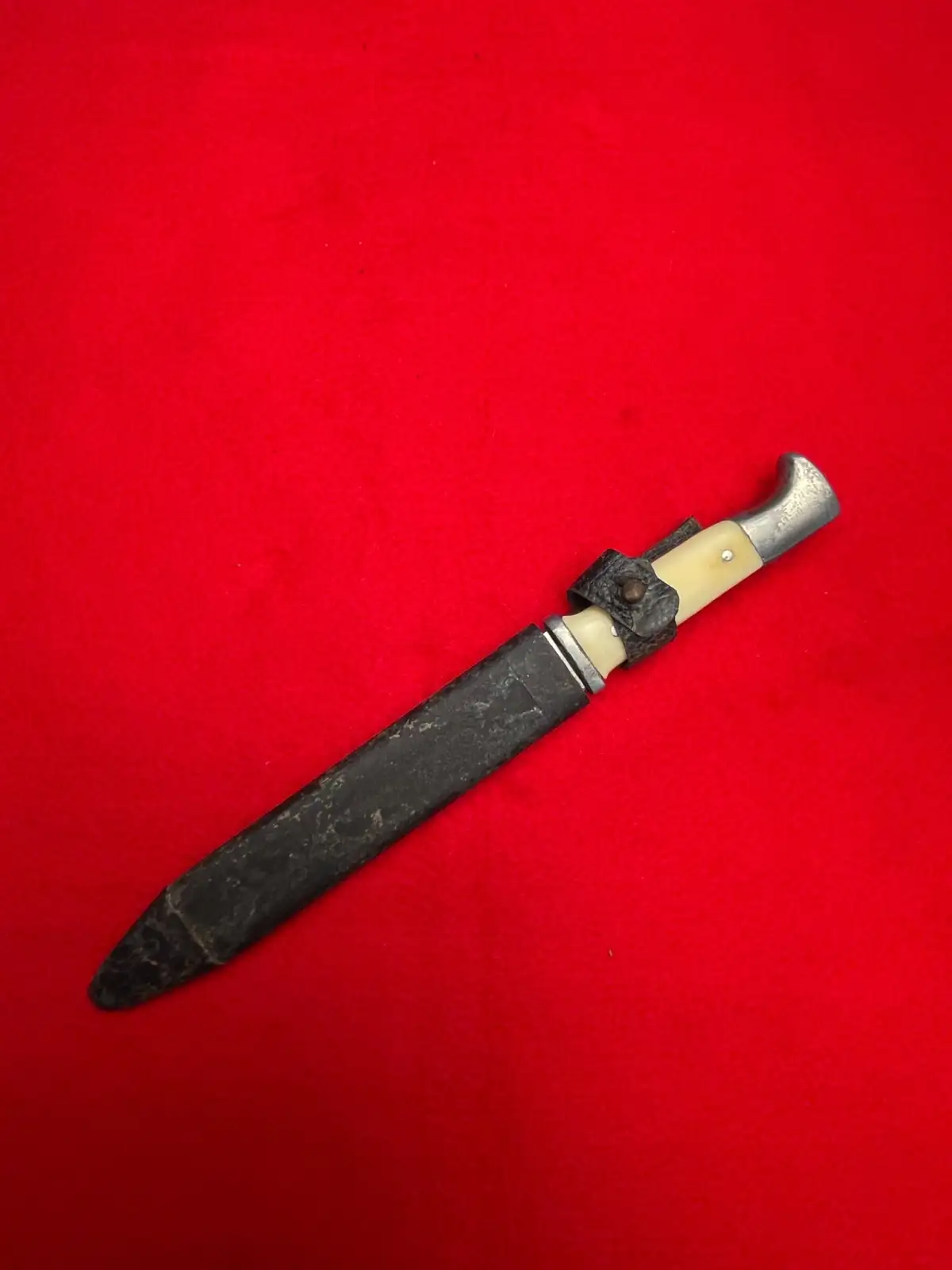
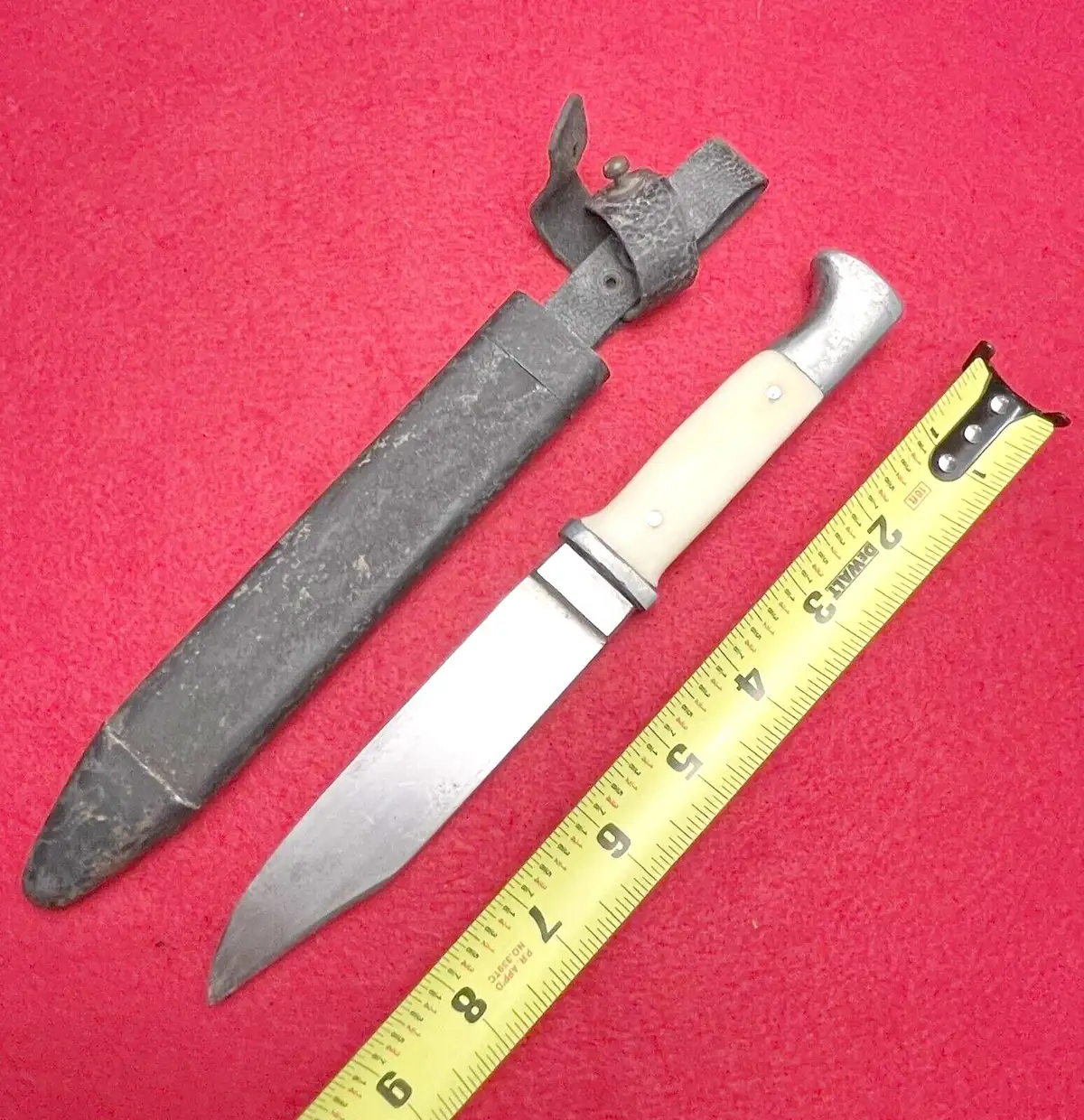
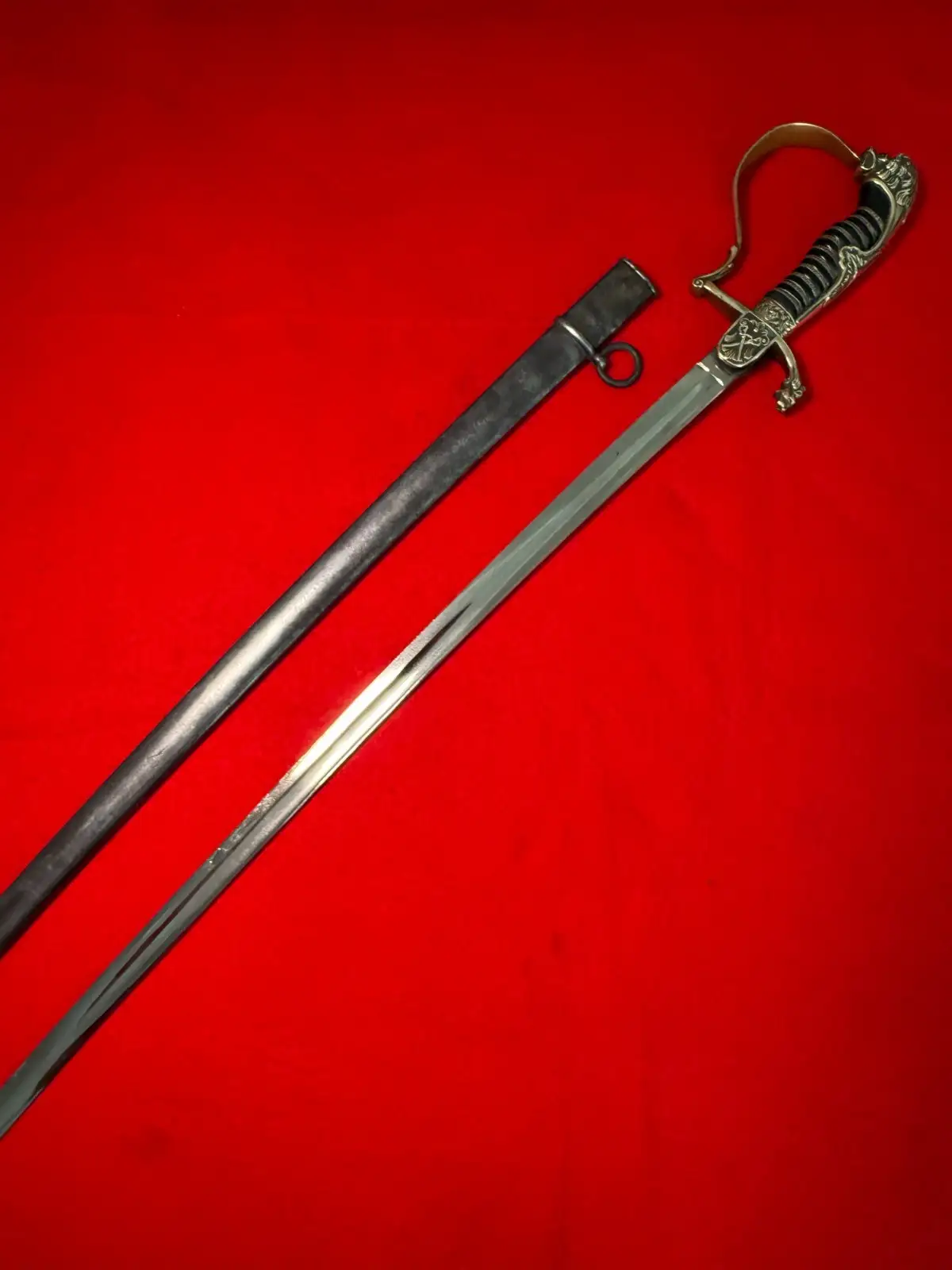
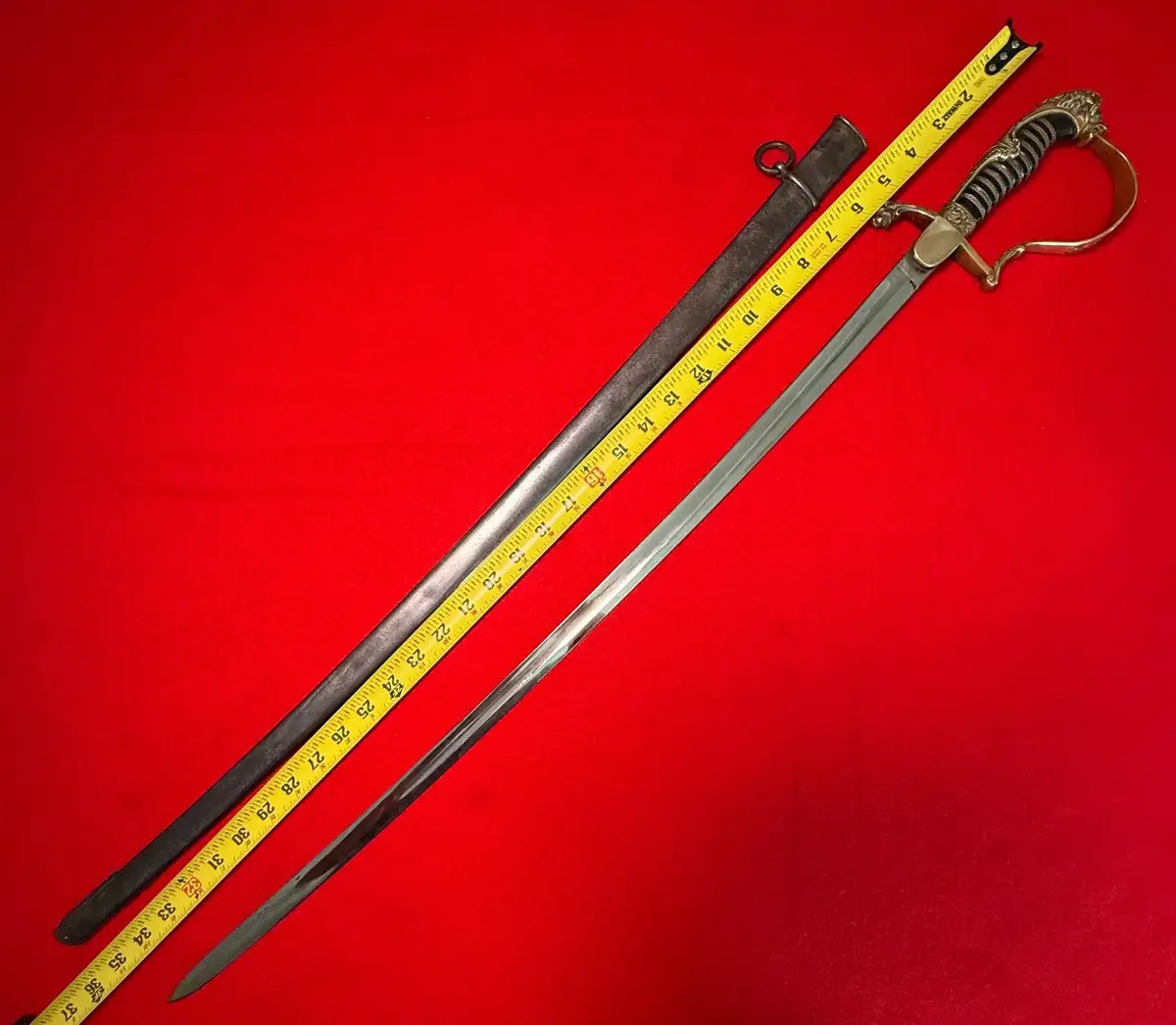
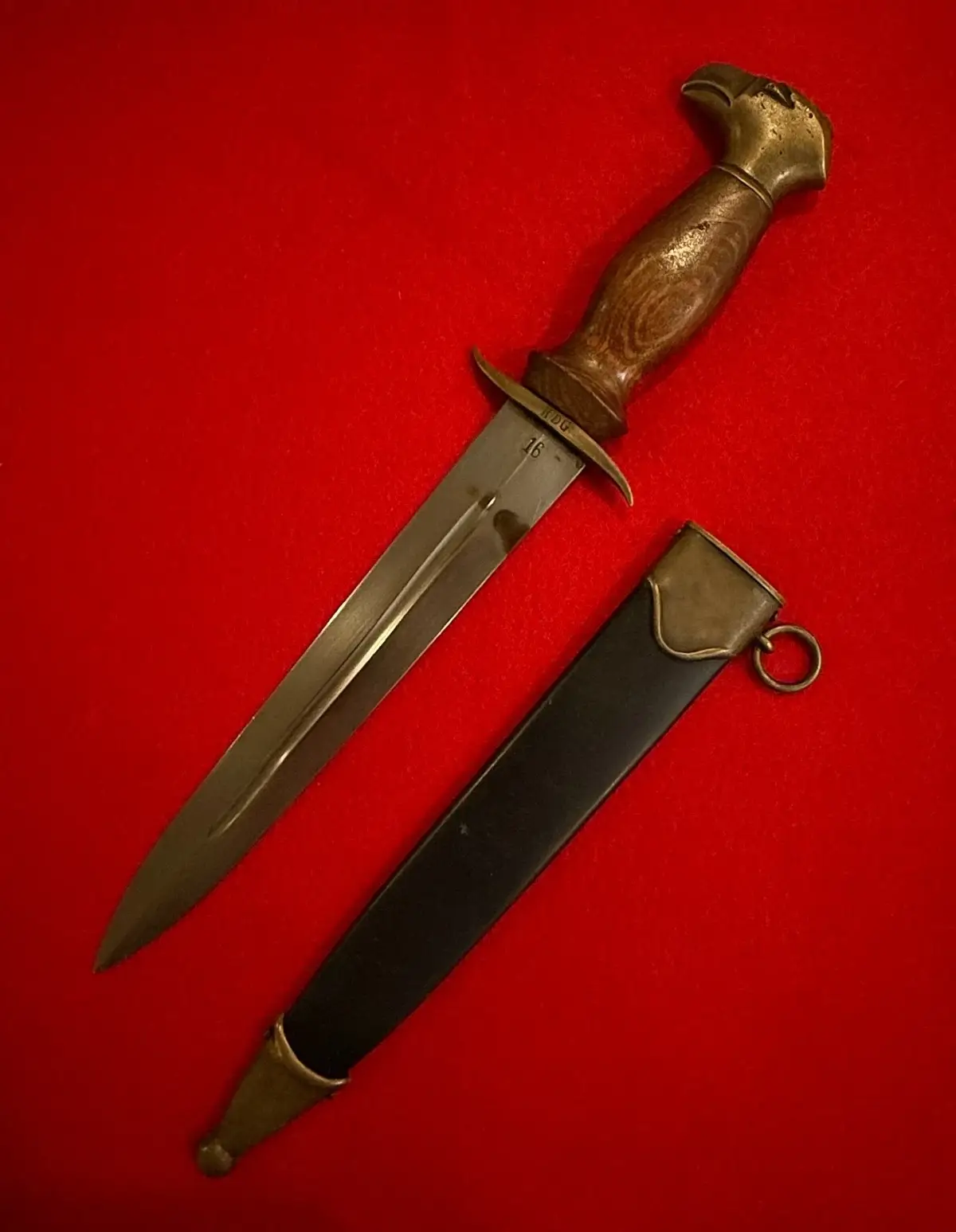
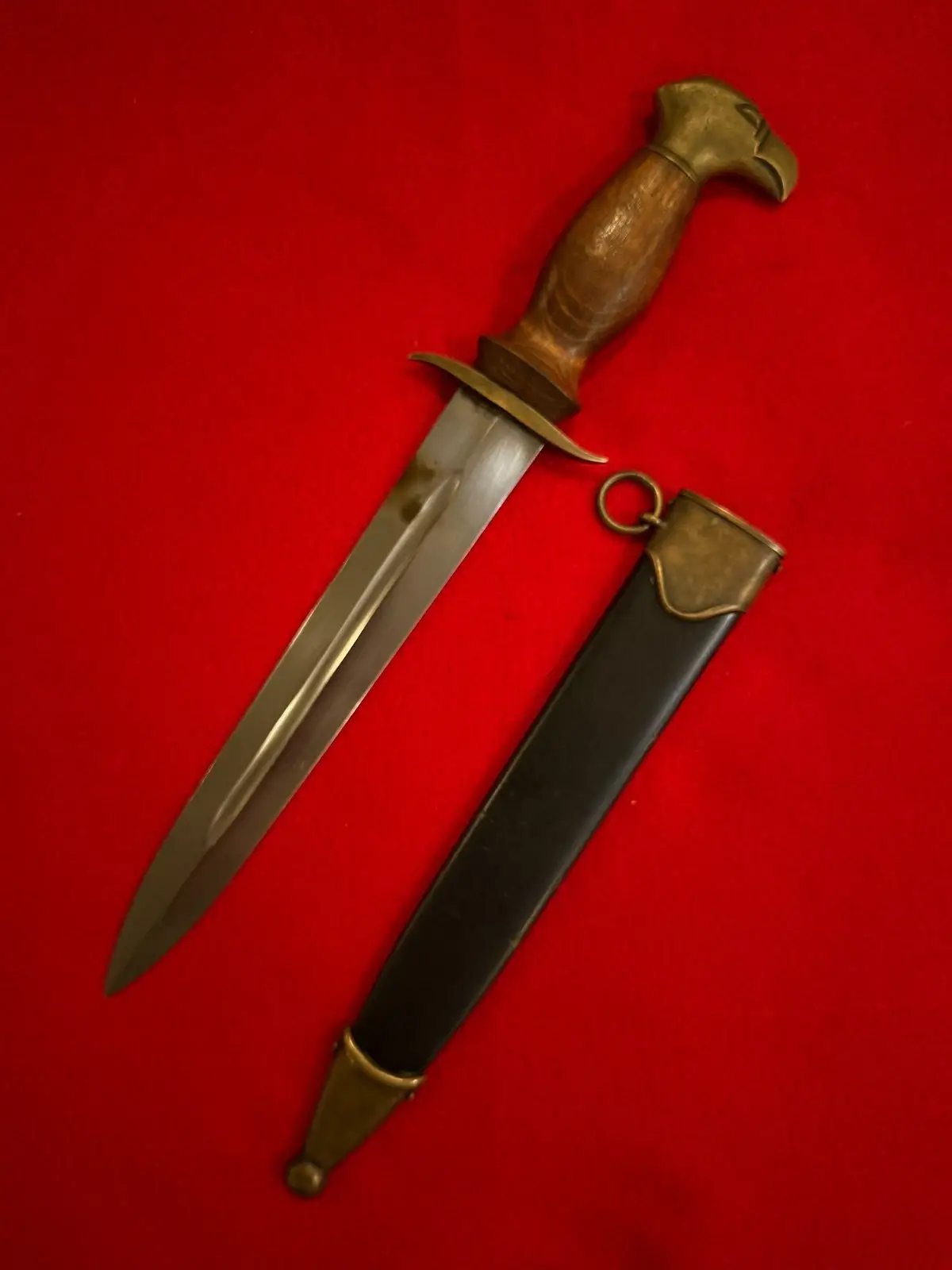
After 1933 the works in the valley supplied the Nazi party and its formations with edged weapons. The Reichszeugmeisterei, which controlled party equipment, issued maker codes in which the material group came first and the individual firm second; edged-weapon makers fall under group 7, so their codes read M7 followed by a slash and the firm's number. The same period produced the first statute protecting the Solingen name, the Solingengesetz of 1938 with its implementing and supplementary regulation, which for the first time restricted the name in law to cutting wares worked and finished in the Solingen area.
Wartime plants in the city used forced labour. On 4 and 5 November 1944 two raids destroyed most of the centre and killed about 1,700 residents and 150 forced labourers.
What the word means now
The 1938 statute was repealed when German trademark law was reformed in 1994 and replaced the same year. The Solingenverordnung of 16 December 1994, in force from 1 January 1995, is what governs the word.
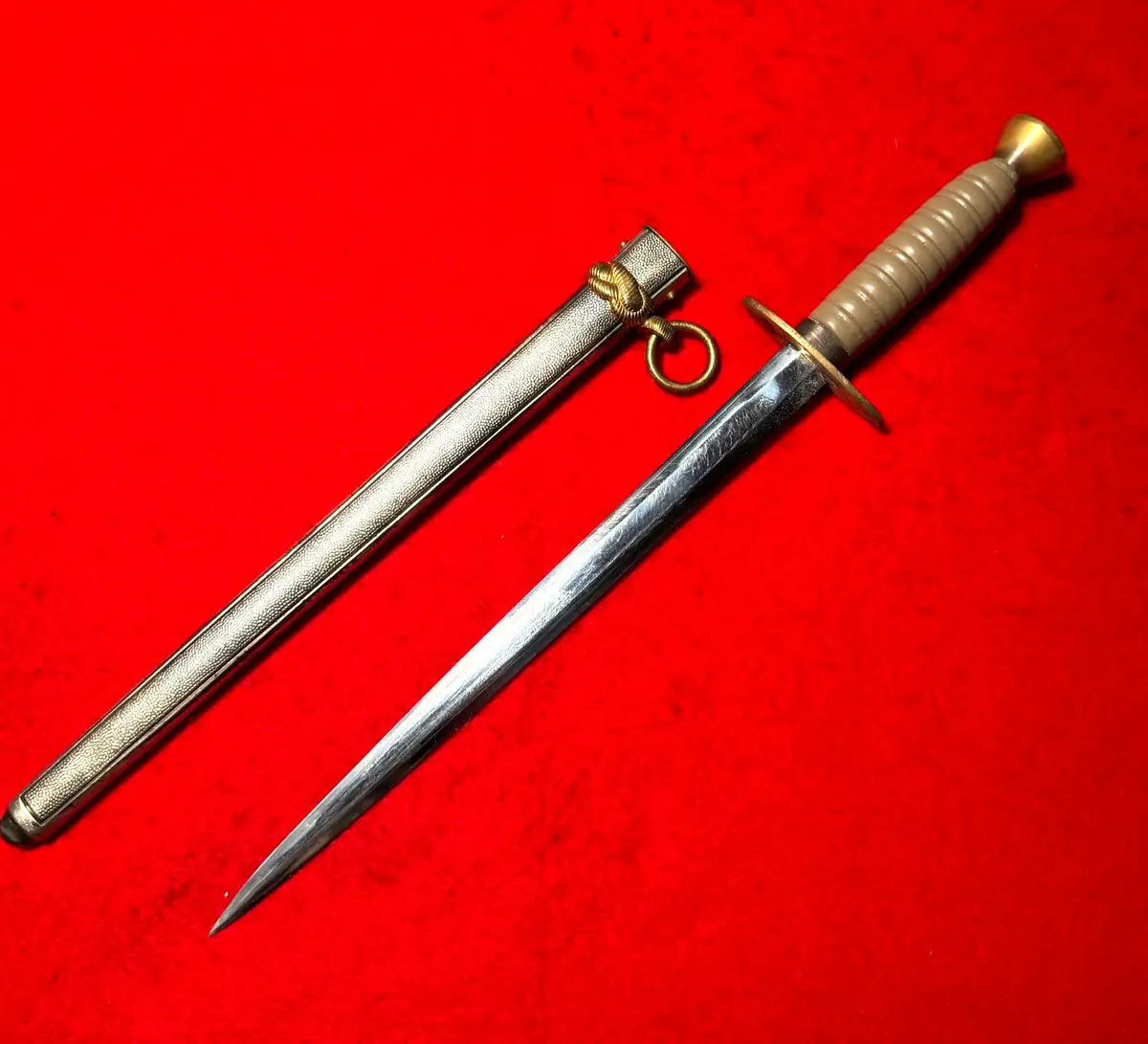
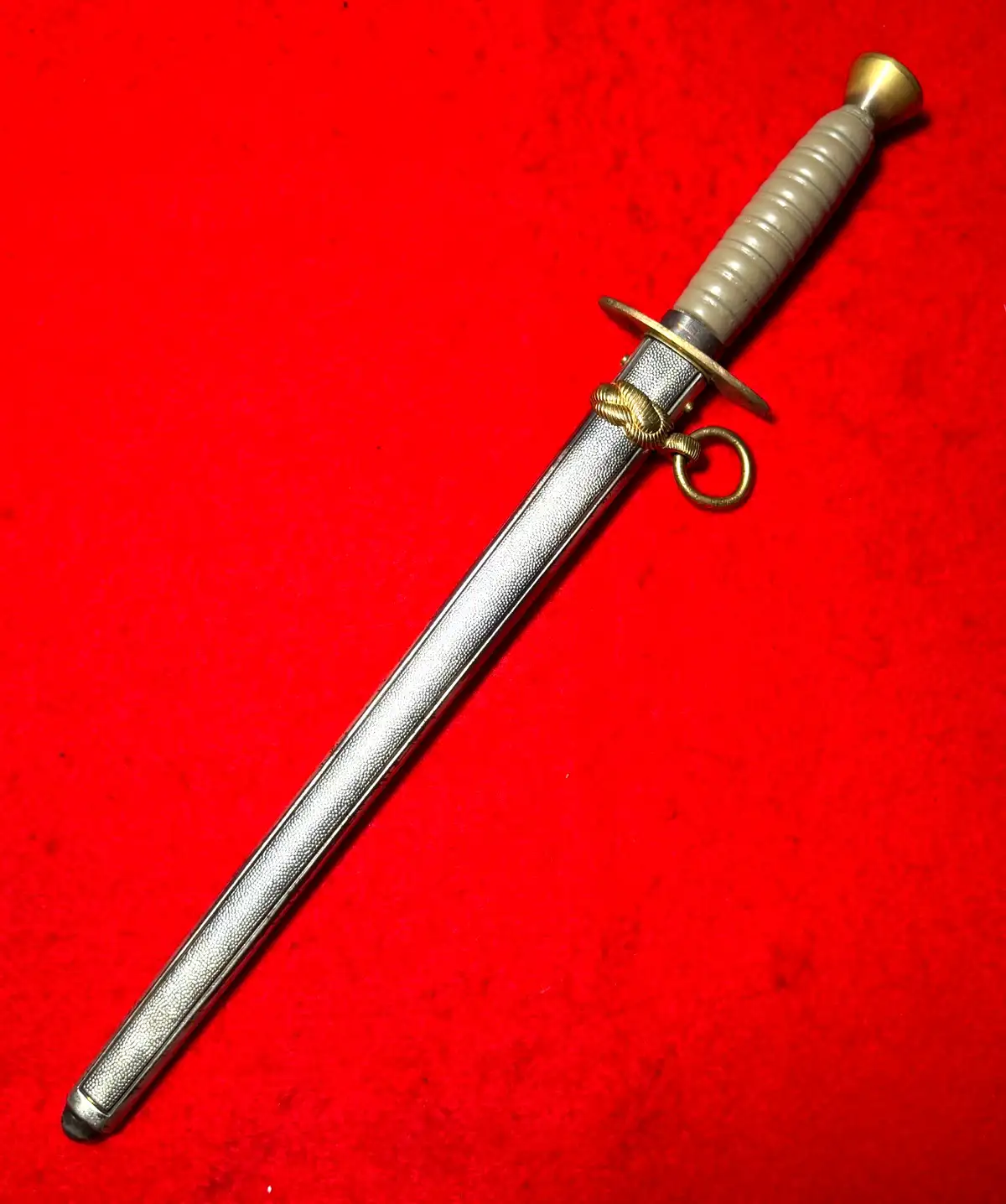
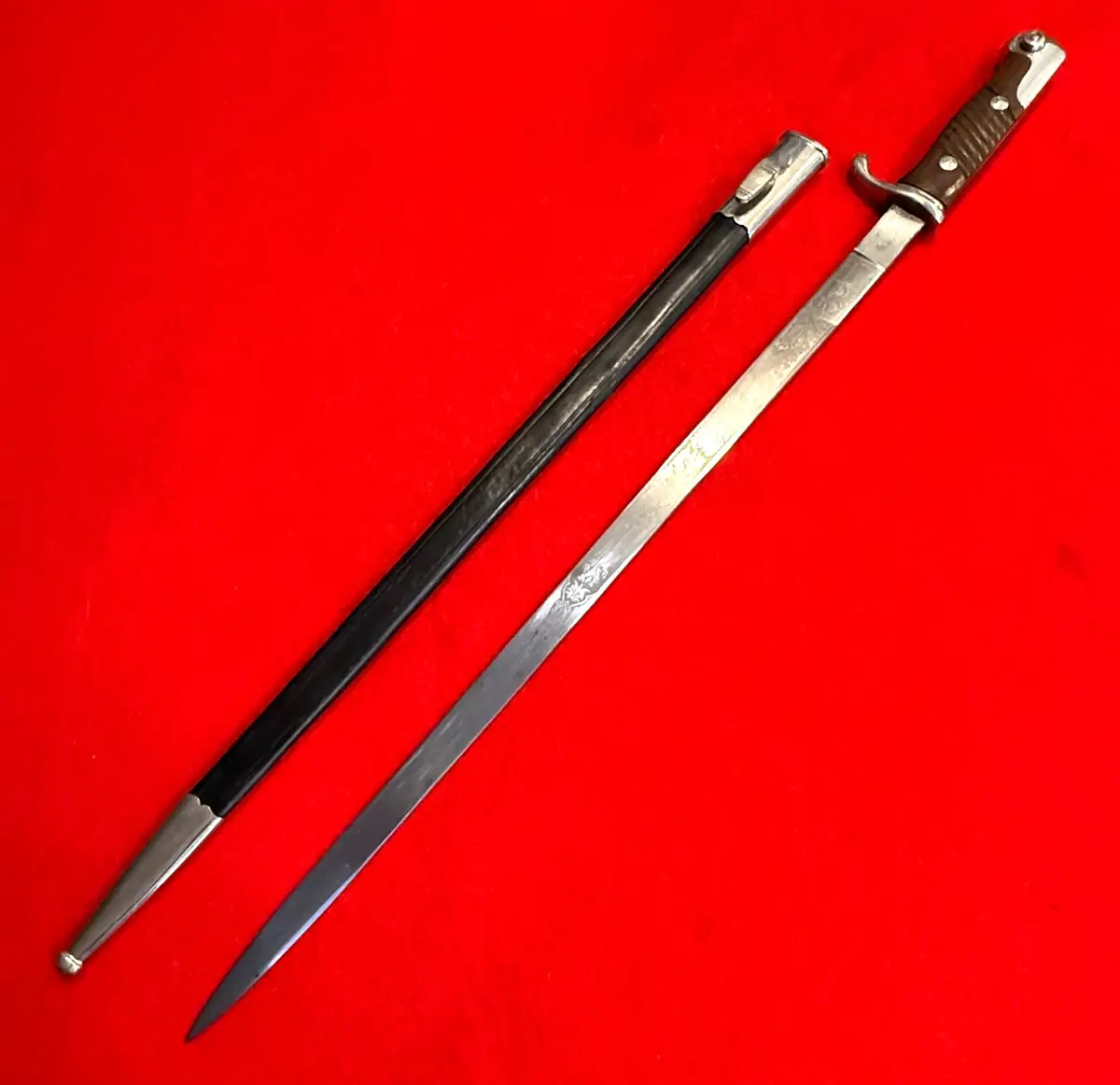
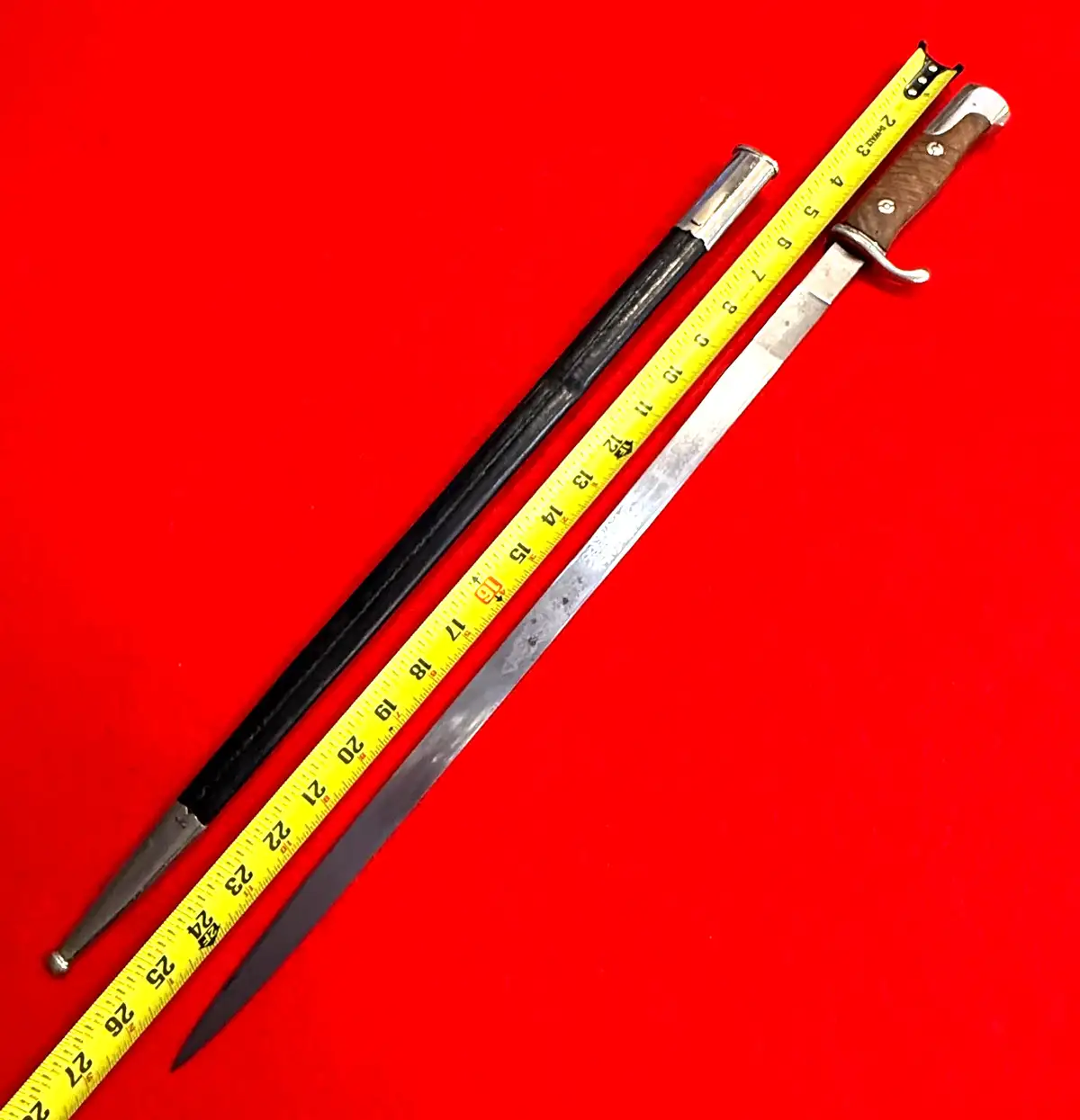
It reads narrowly. The name Solingen may be used in trade only for Schneidwaren — cutting wares — that have been worked and finished in all essential stages of manufacture inside the Solingen industrial area, and that are fit for their purpose in material and workmanship. The area is the city of Solingen and the city of Haan in the district of Mettmann. Nothing else qualifies. What counts as cutting wares is listed in §3, and the list matters here: alongside scissors, knives and blades of all kinds, flatware, razors and nail tools, its final item is blanke Waffen aller Art — edged weapons of all kinds. A modern Solingen-marked dagger or sword is inside the regulation, not beside it. In 1997 the Wuppertal-Solingen-Remscheid chamber of industry and commerce published minimum qualifications setting out which steps count.
The regulation now carries an end date it did not have when it was written. As amended by Article 6 of the Act of 11 January 2026, §4 provides that the Solingenverordnung ceases to be in force on the day the European Union Intellectual Property Office either enters the protected indication in the Union register under Regulation (EU) 2023/2411, the EU scheme for geographical indications on craft and industrial products, or otherwise finally decides the application. The national rule is in force today and is on a path to being replaced by a European one.
Two things follow for anyone reading an old blade. The rule is modern: it governs what may be sold under the name now, not what a firm struck on a ricasso in 1890. And it certifies a place and a floor of fitness, not a grade, not an age, and not an attribution.
Which throws the question back onto the marks themselves. That ground is firmer than it looks, because Solingen was a town that wrote its marks down — the cutlers' charter of 1571 required it, and the registers are why a device entered in 1731 can still be traced.
What to look for
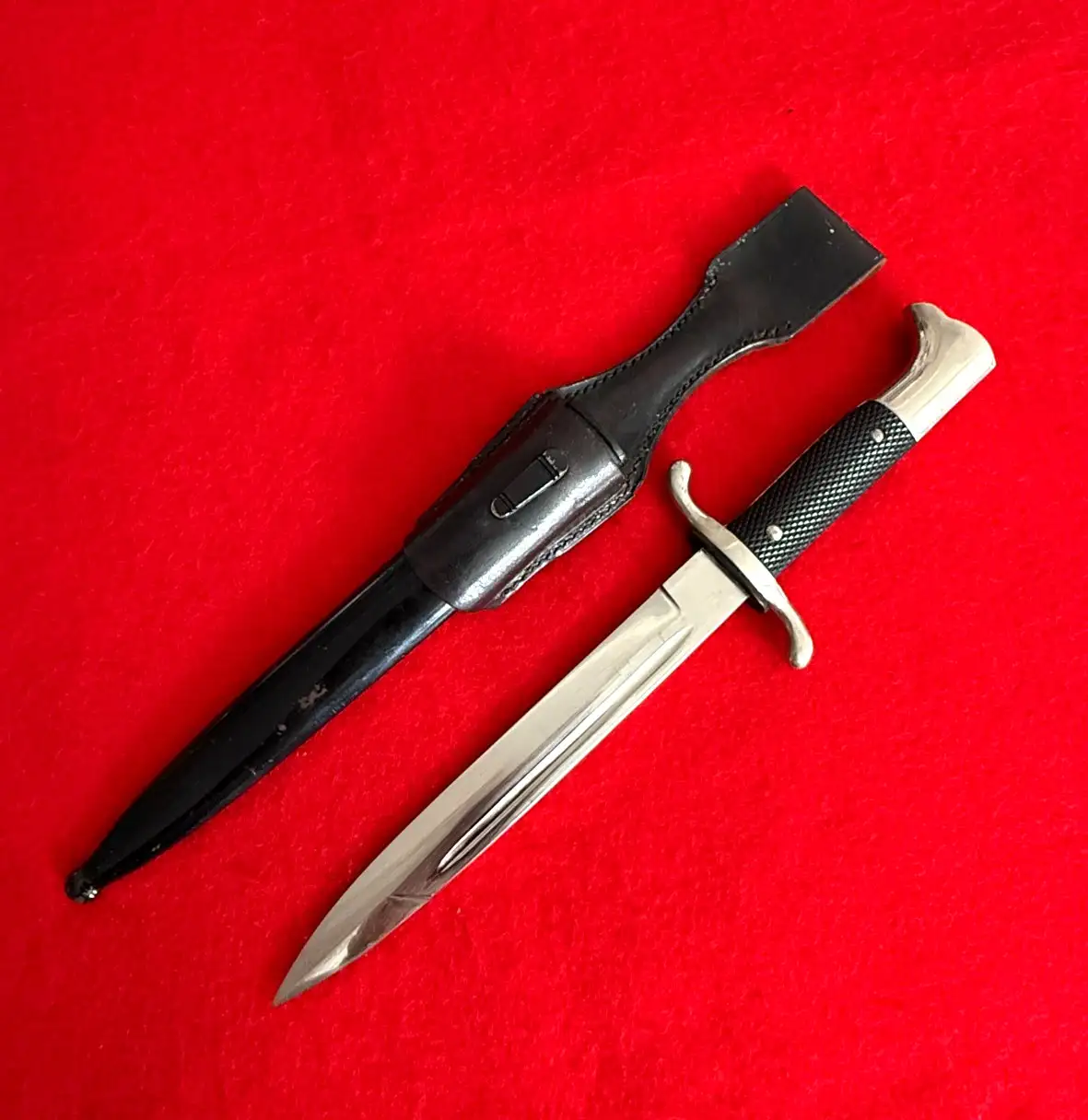
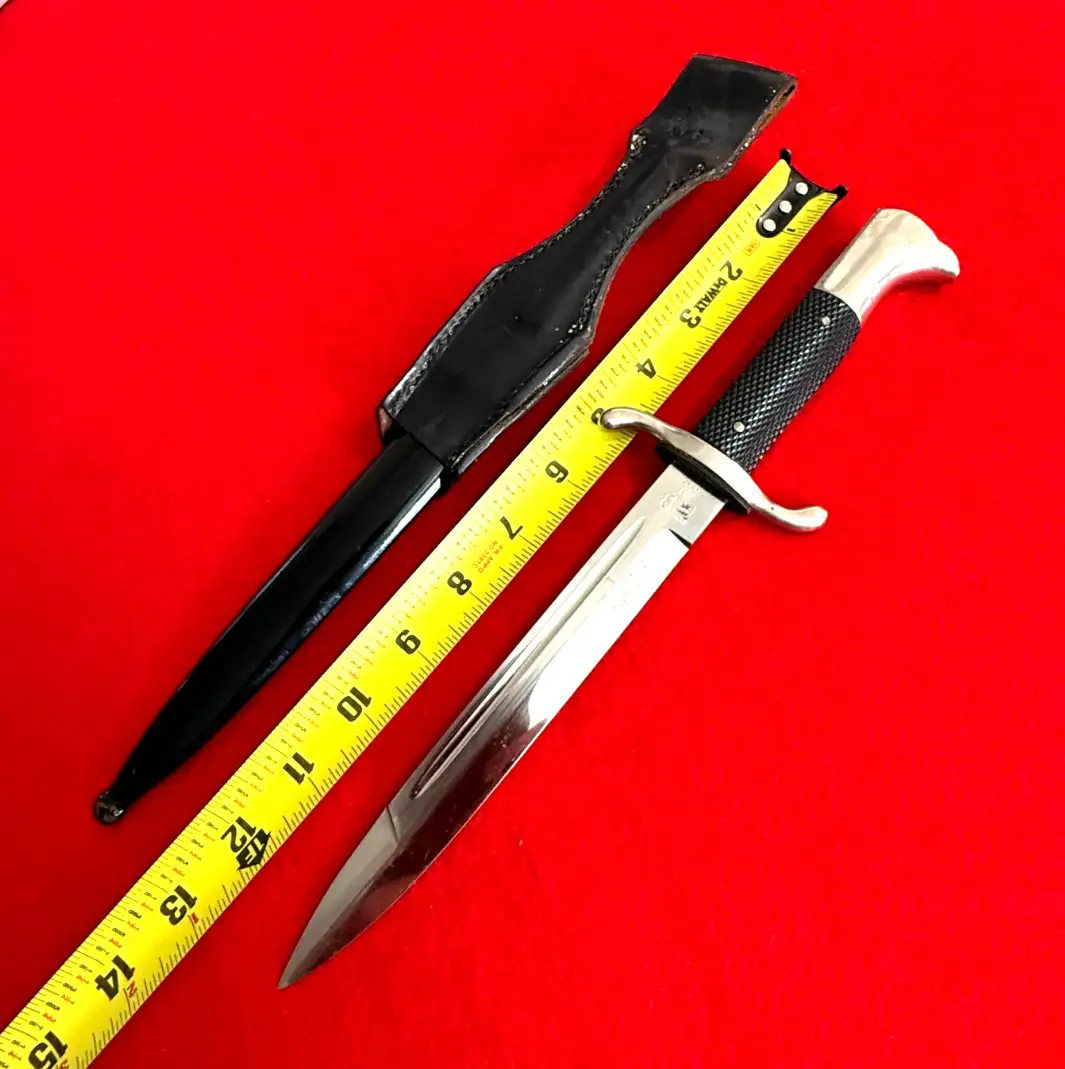
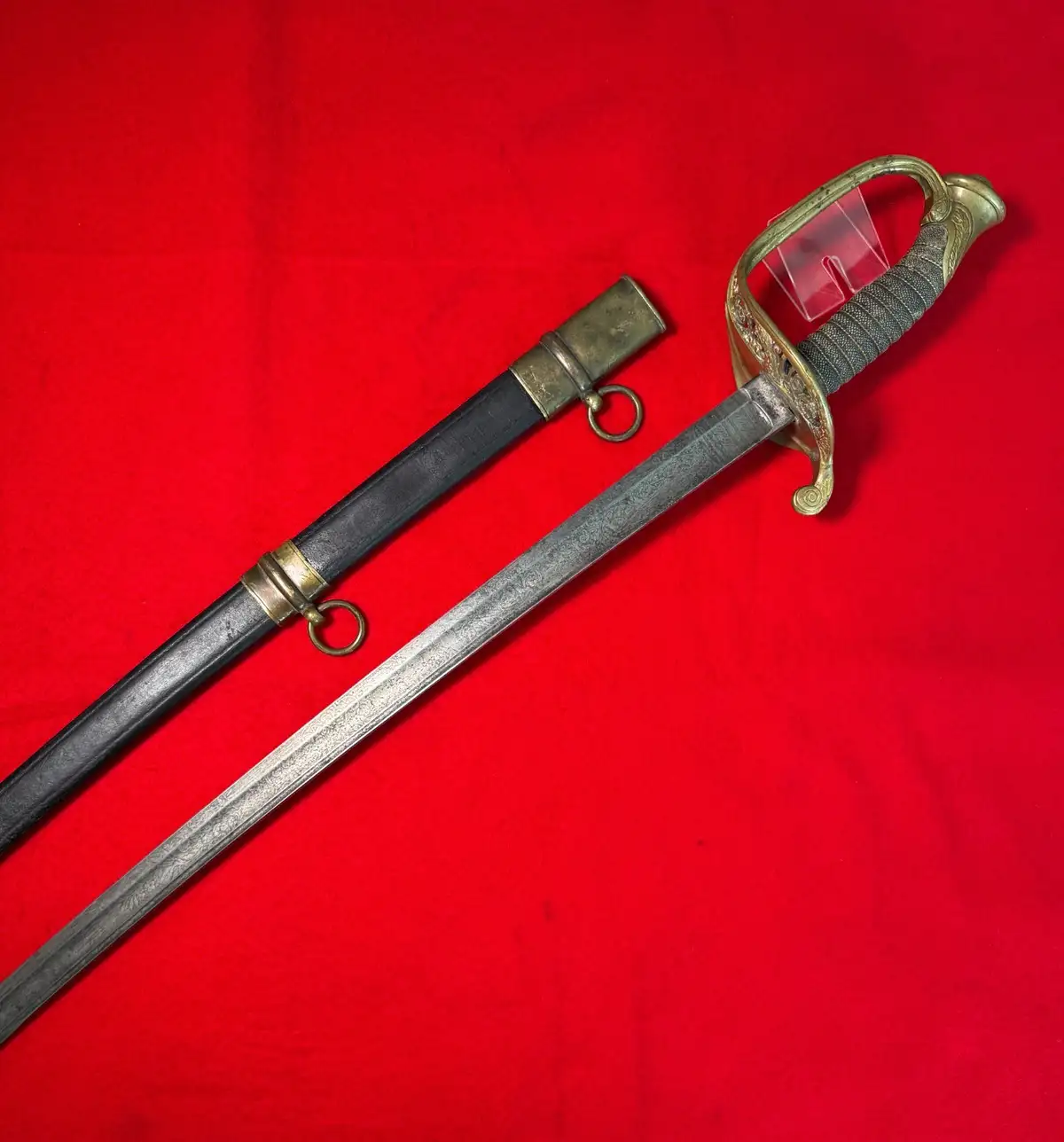
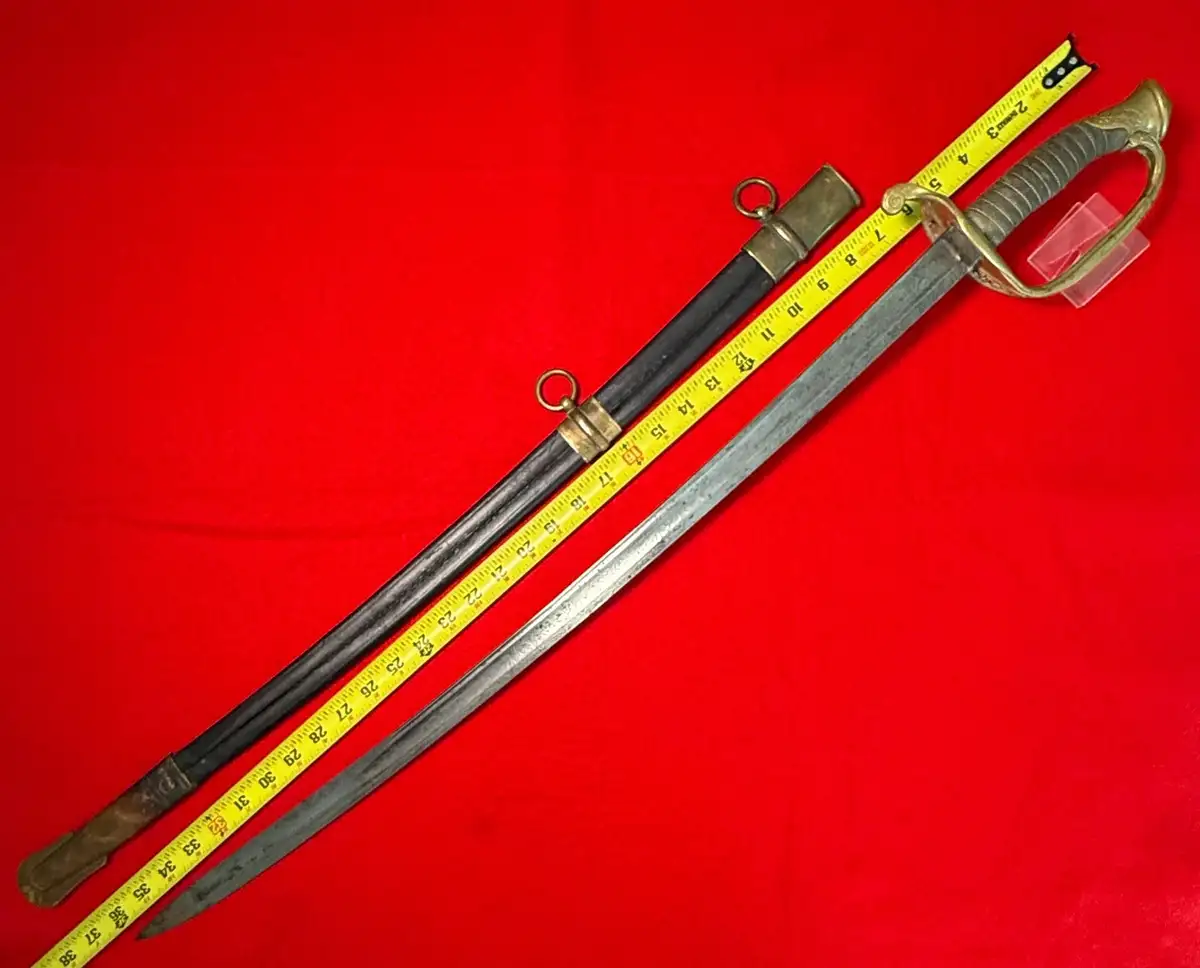
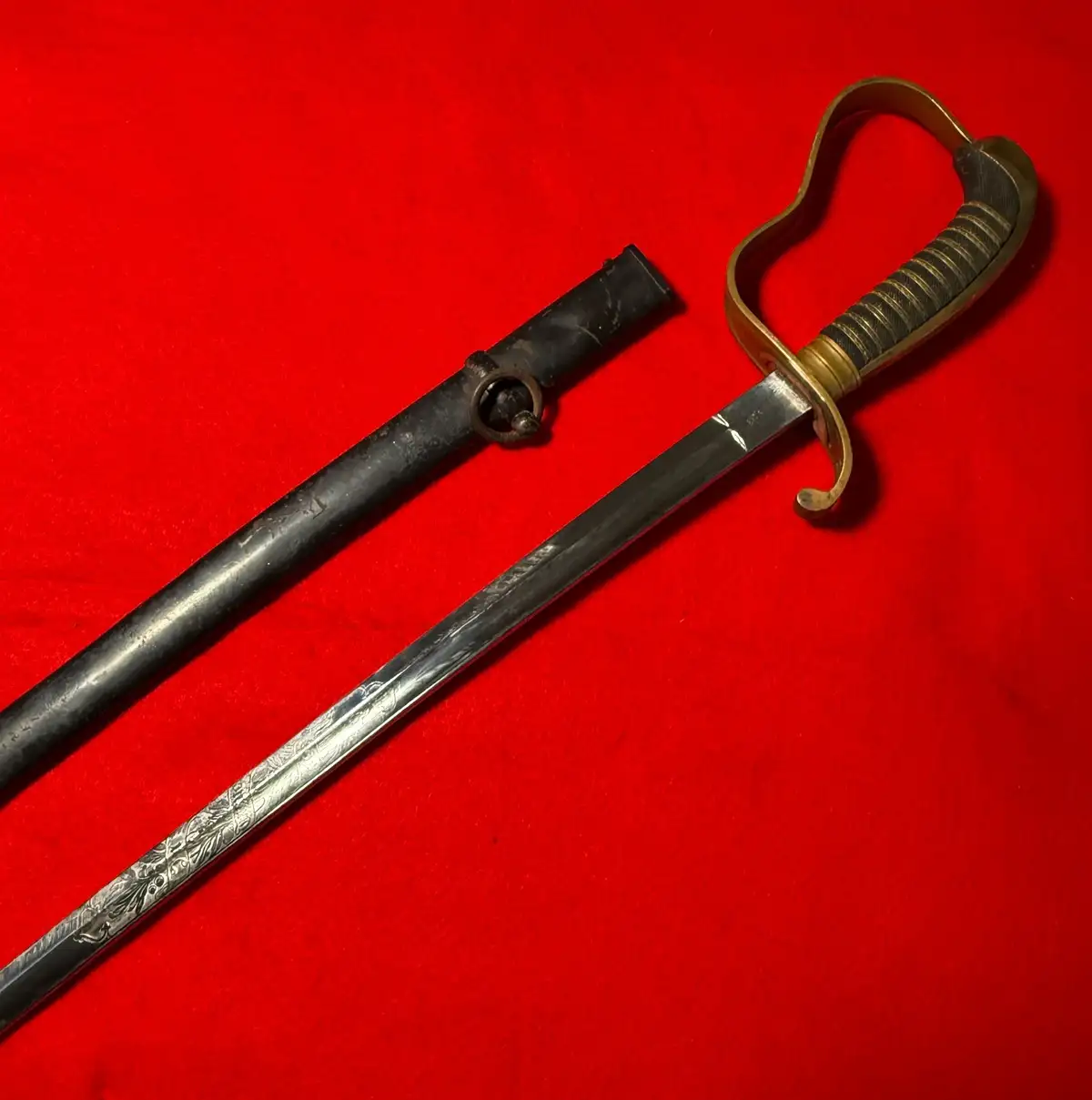
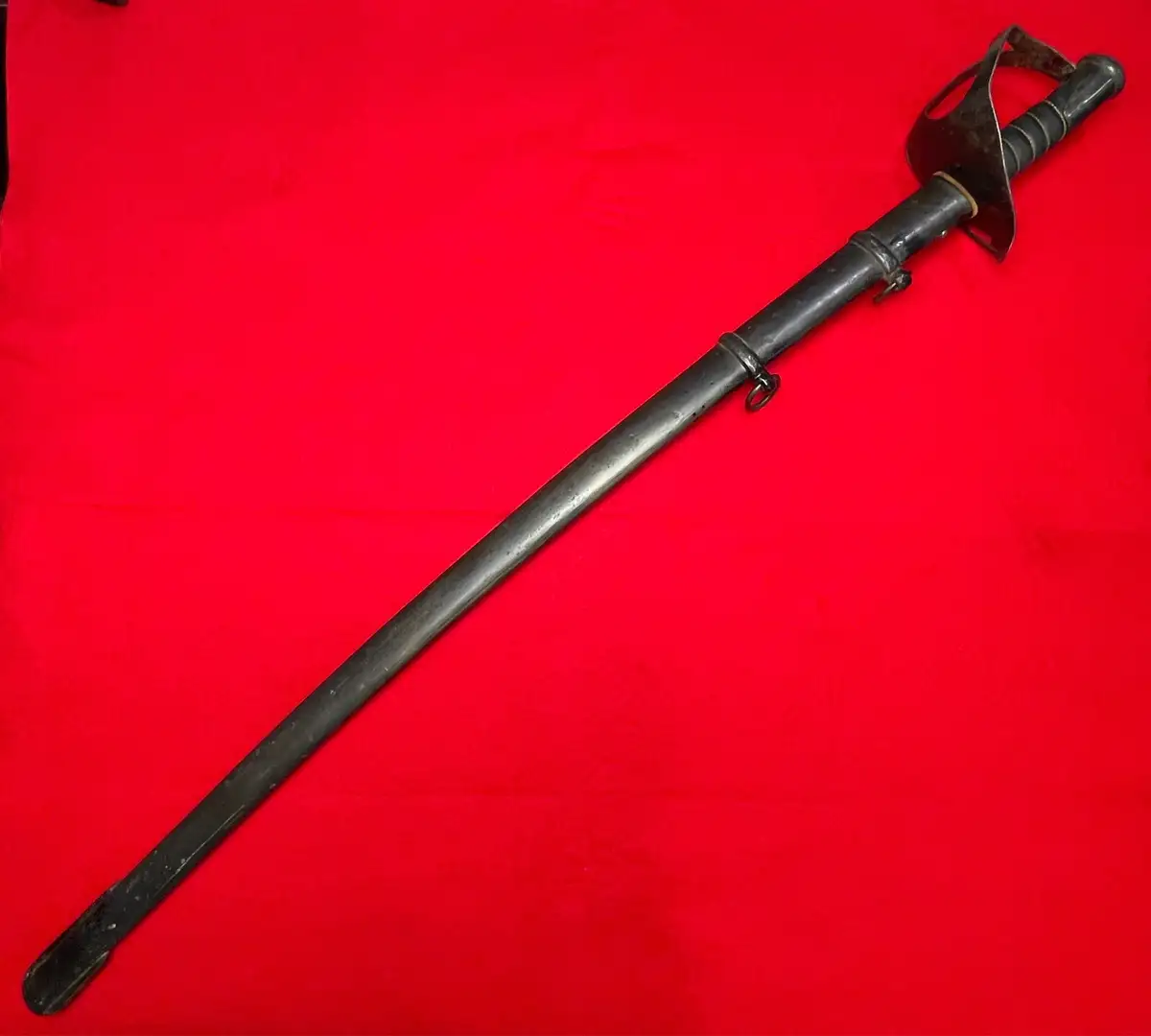
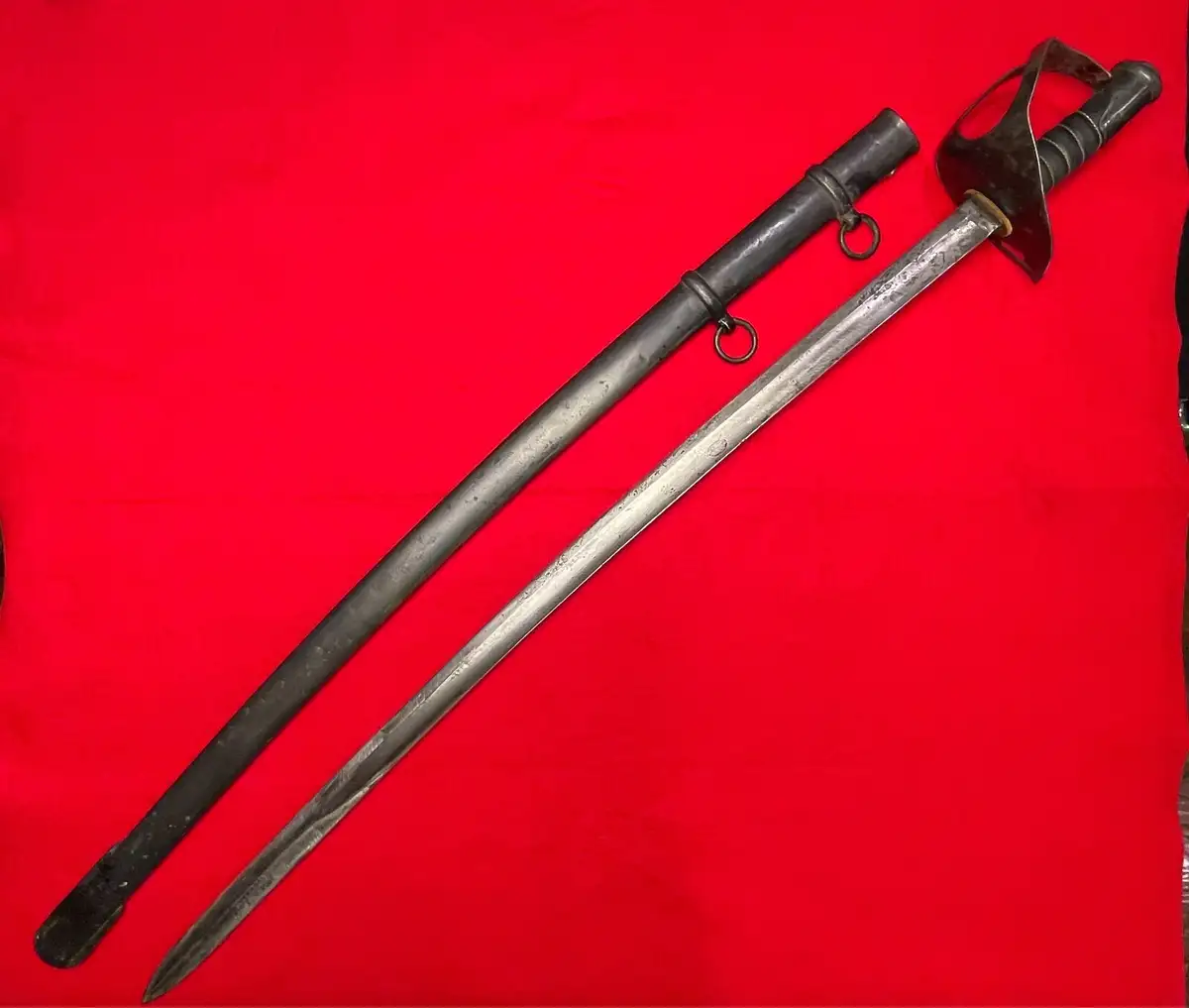
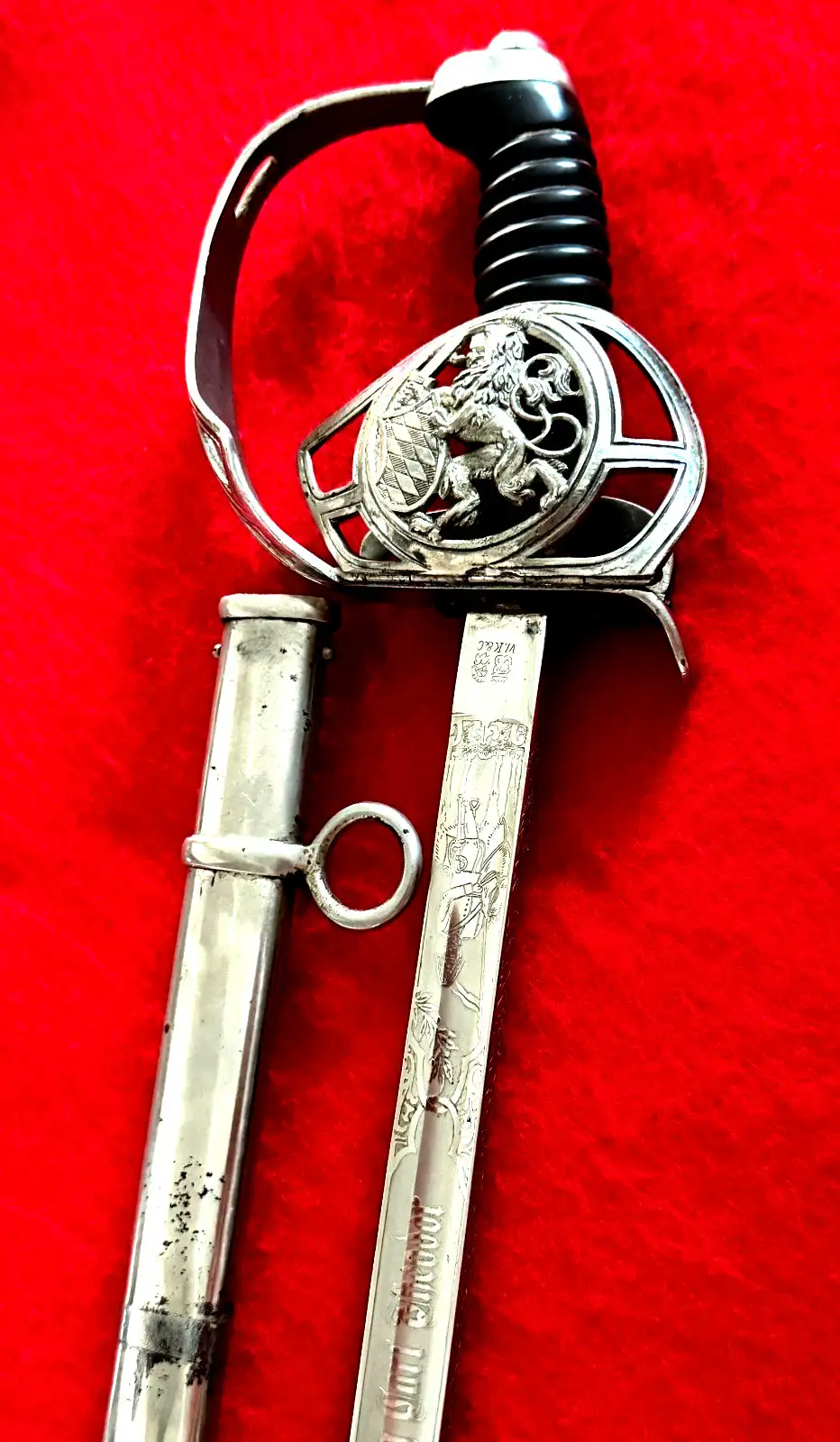
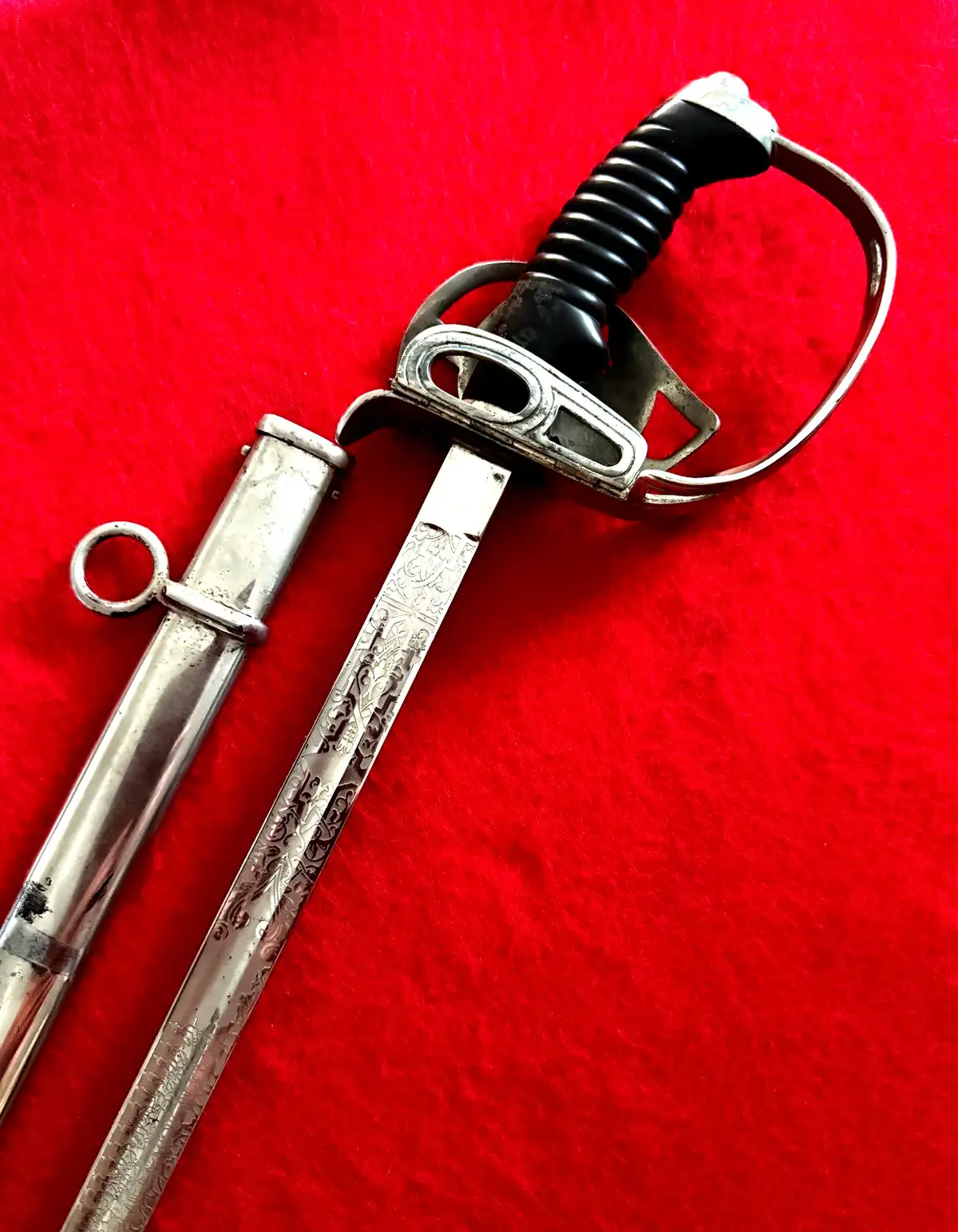
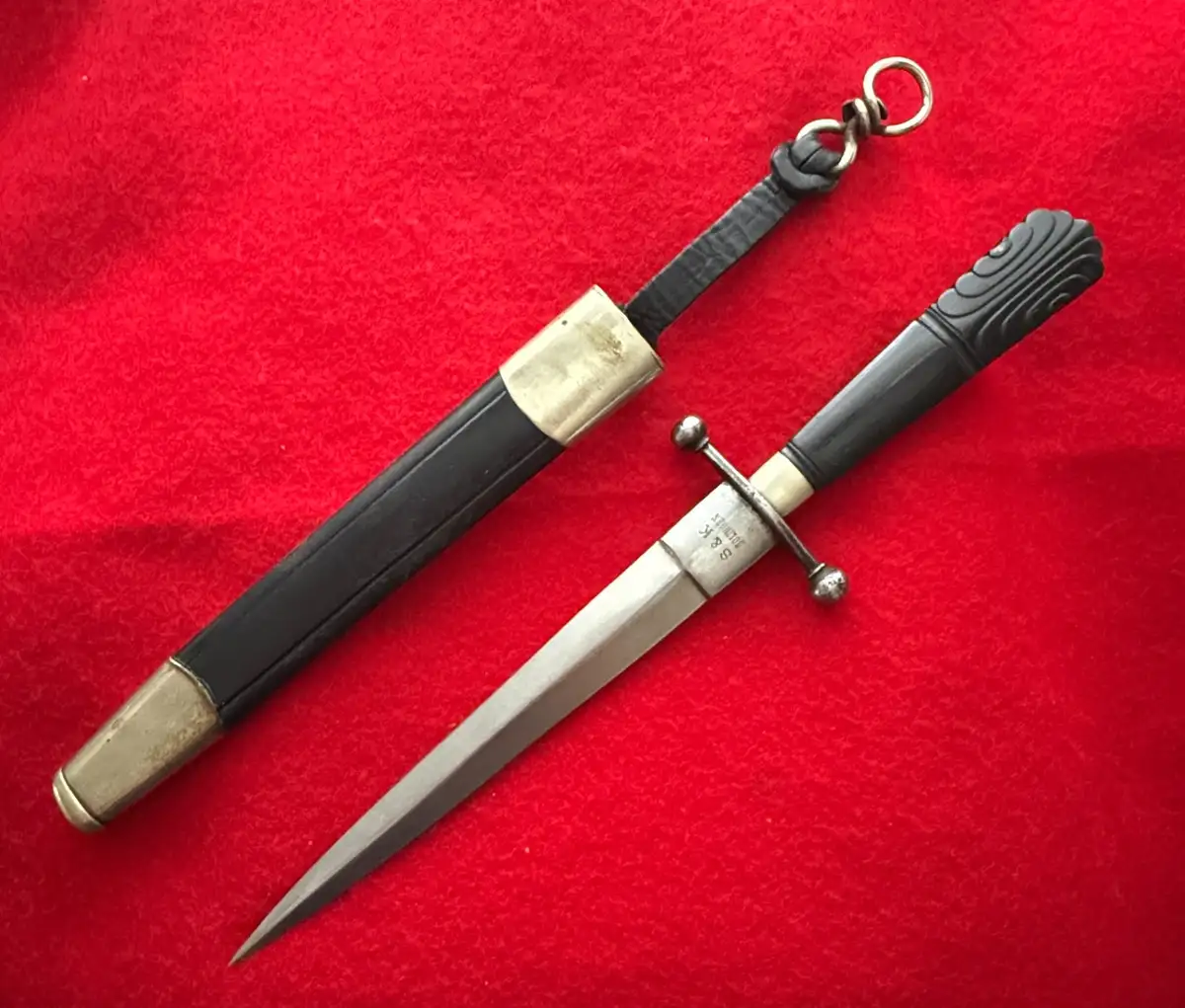
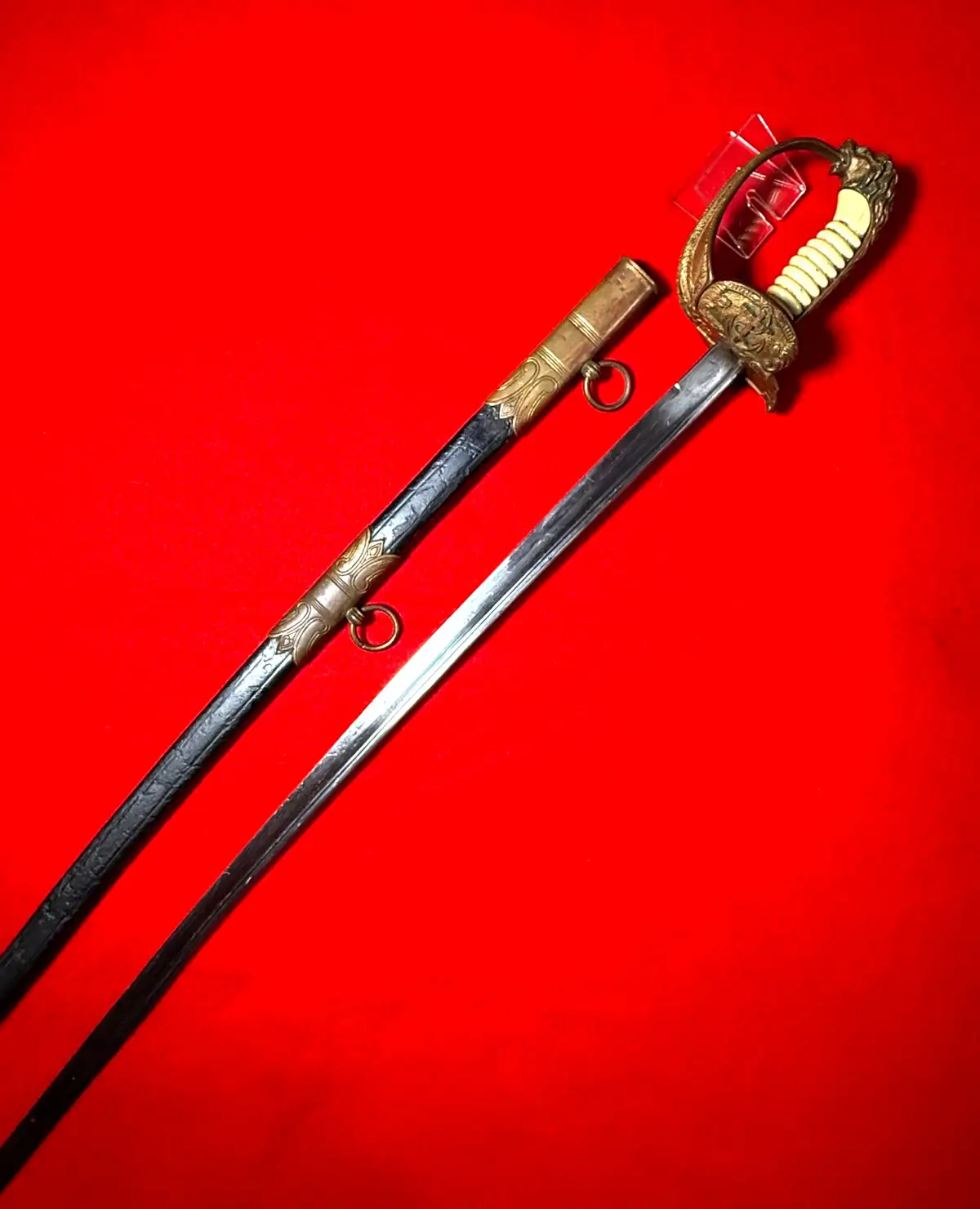
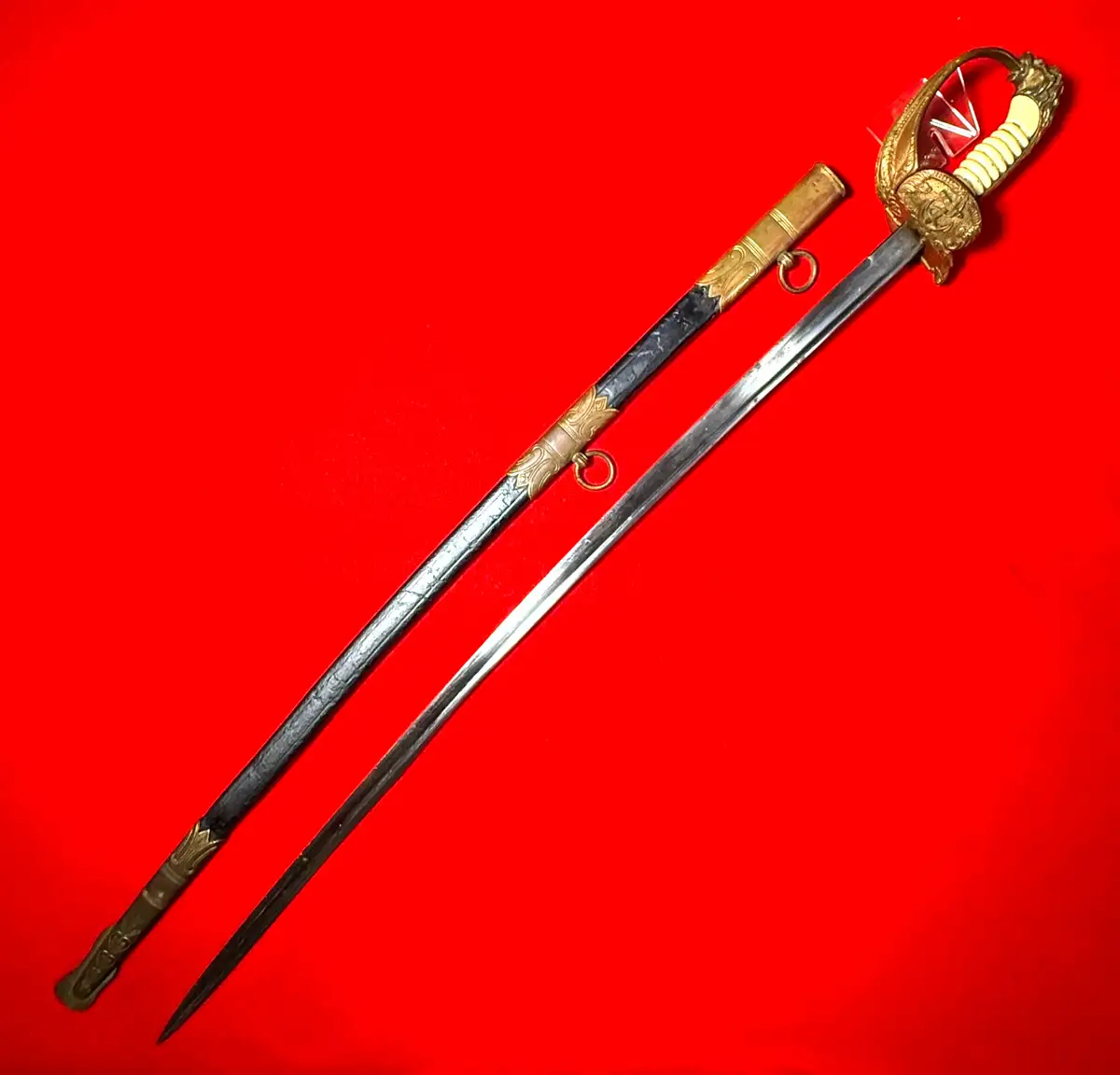
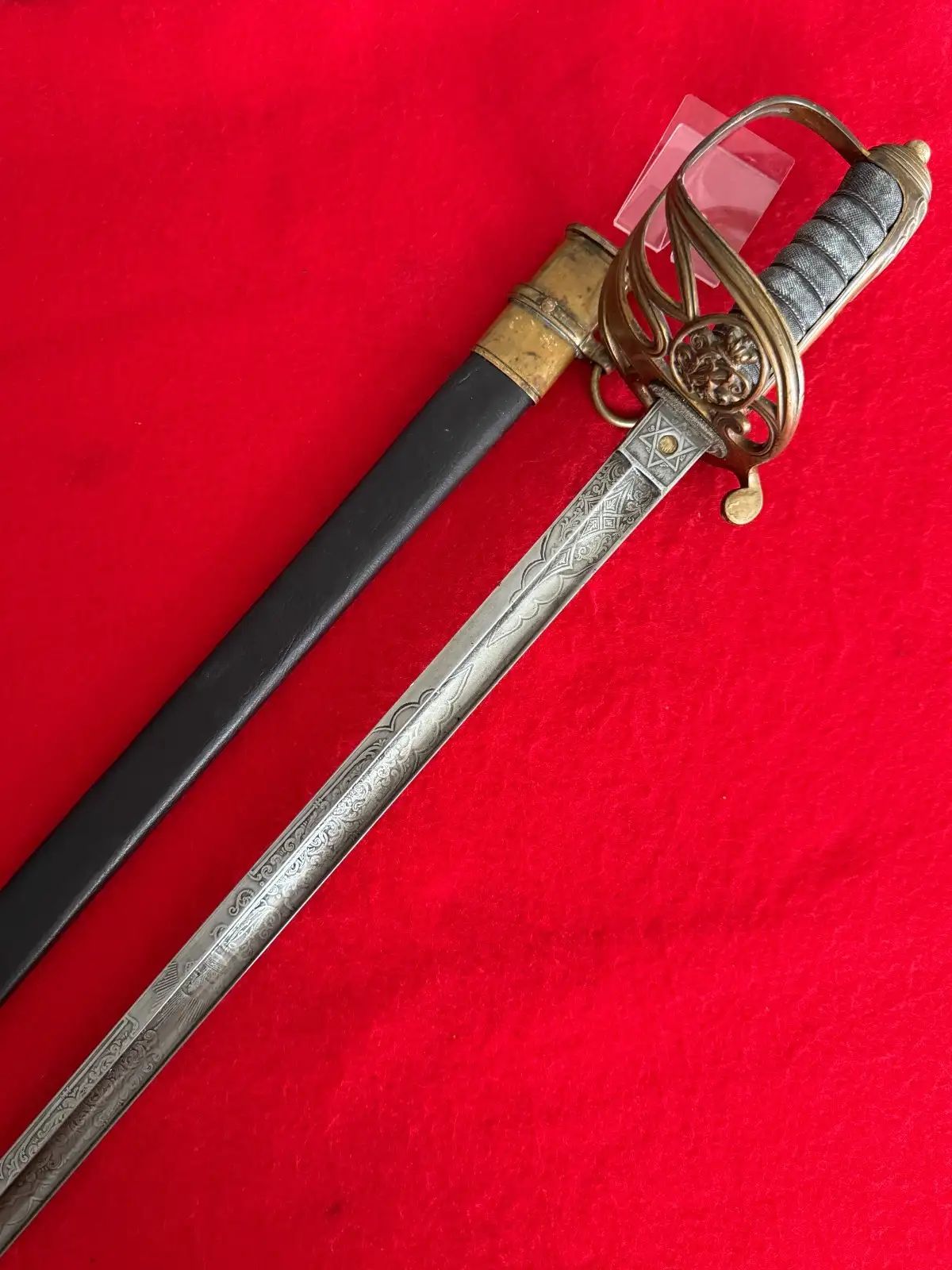
- The word SOLINGEN and the house mark are usually struck at the ricasso or the blade root close to the hilt rather than out along the blade; check both faces there before concluding a blade is unmarked.
- An address reading Solingen-Ohligs, Solingen-Wald, Solingen-Höhscheid or Solingen-Gräfrath places the piece after 1 August 1929, when those five towns were merged; an address reading Merscheid instead of Ohligs is earlier still, since that municipality was renamed Ohligs on 11 August 1891.
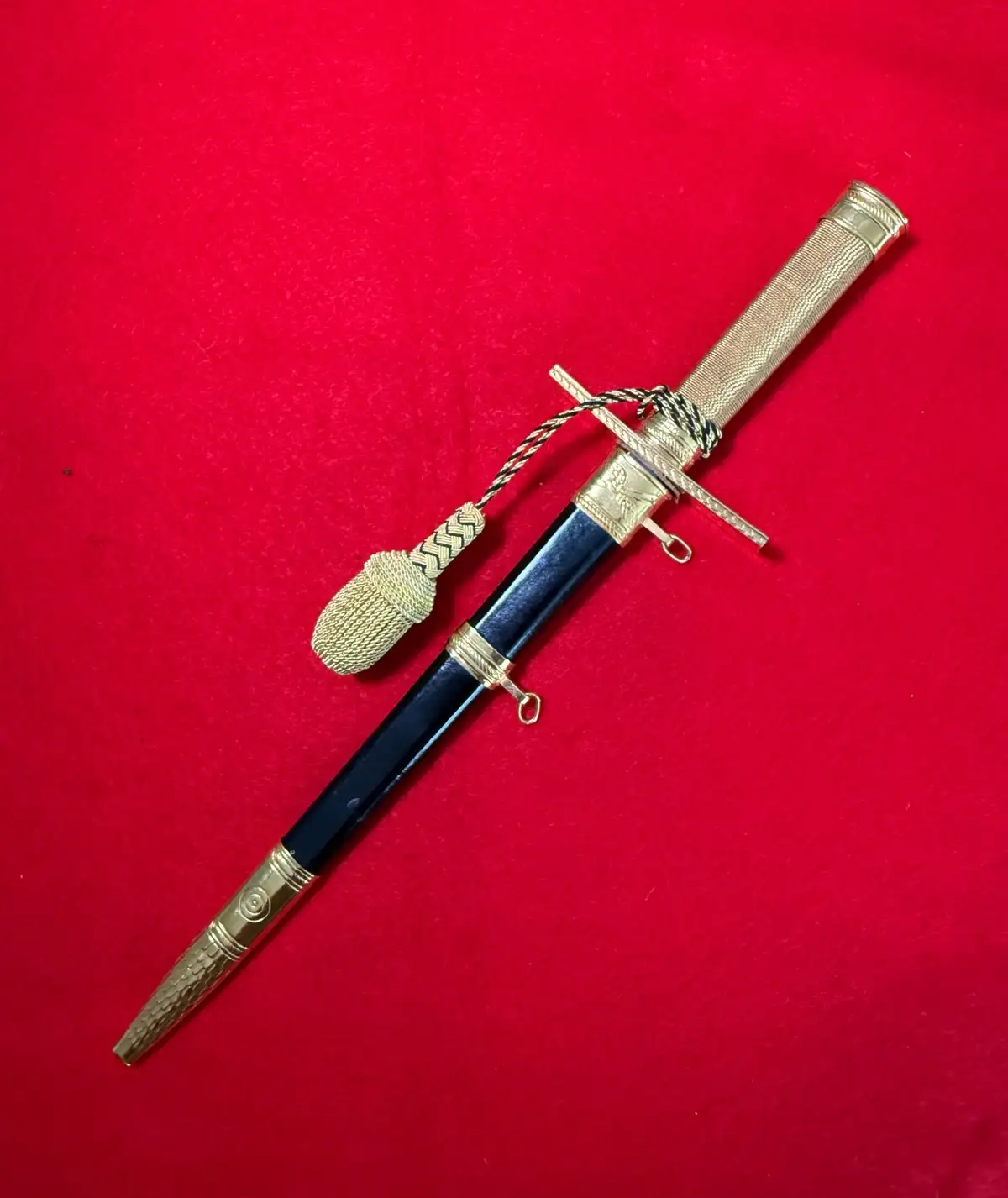
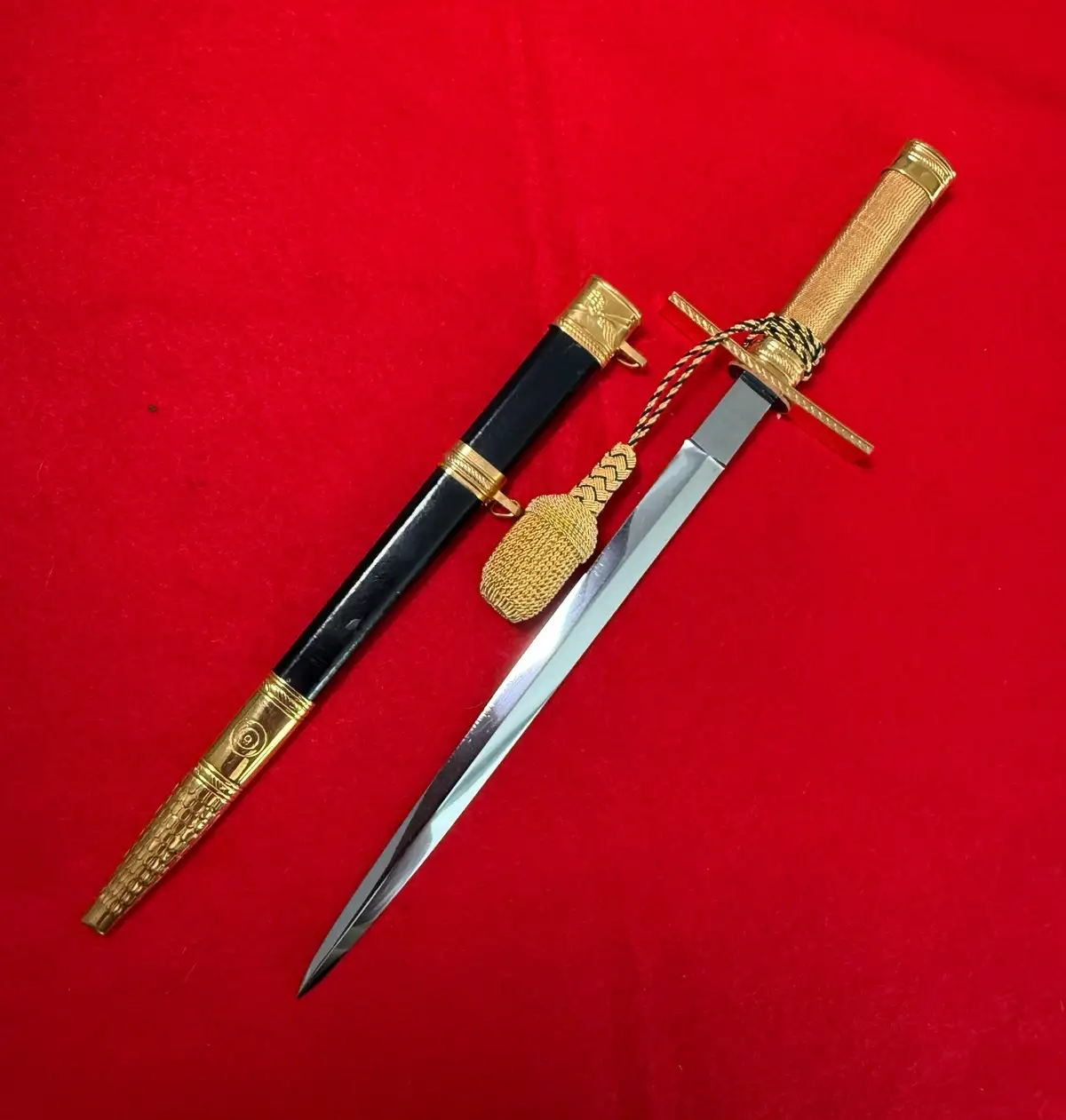
- On German party and paramilitary edged weapons of 1933 to 1945, a code reading M7 followed by a slash and a number is a Reichszeugmeisterei maker code: the 7 is the edged-weapons material group and the number after the slash identifies the firm.
- A pictorial device — twins, a squirrel, a helmet, a crowned head — is a registered mark belonging to a house, not to a person, and the same device can run across a century of changing owners and premises.
- A bare SOLINGEN with no accompanying house mark or firm name records the place of origin, not a manufacturer; treat it as an origin statement rather than an attribution.
- On goods made since 1995, SOLINGEN standing alone is a regulated origin claim covering all essential stages of manufacture, and the regulation expressly covers edged weapons; wording such as Solingen steel or Solingen style makes no such claim and is not governed by it.