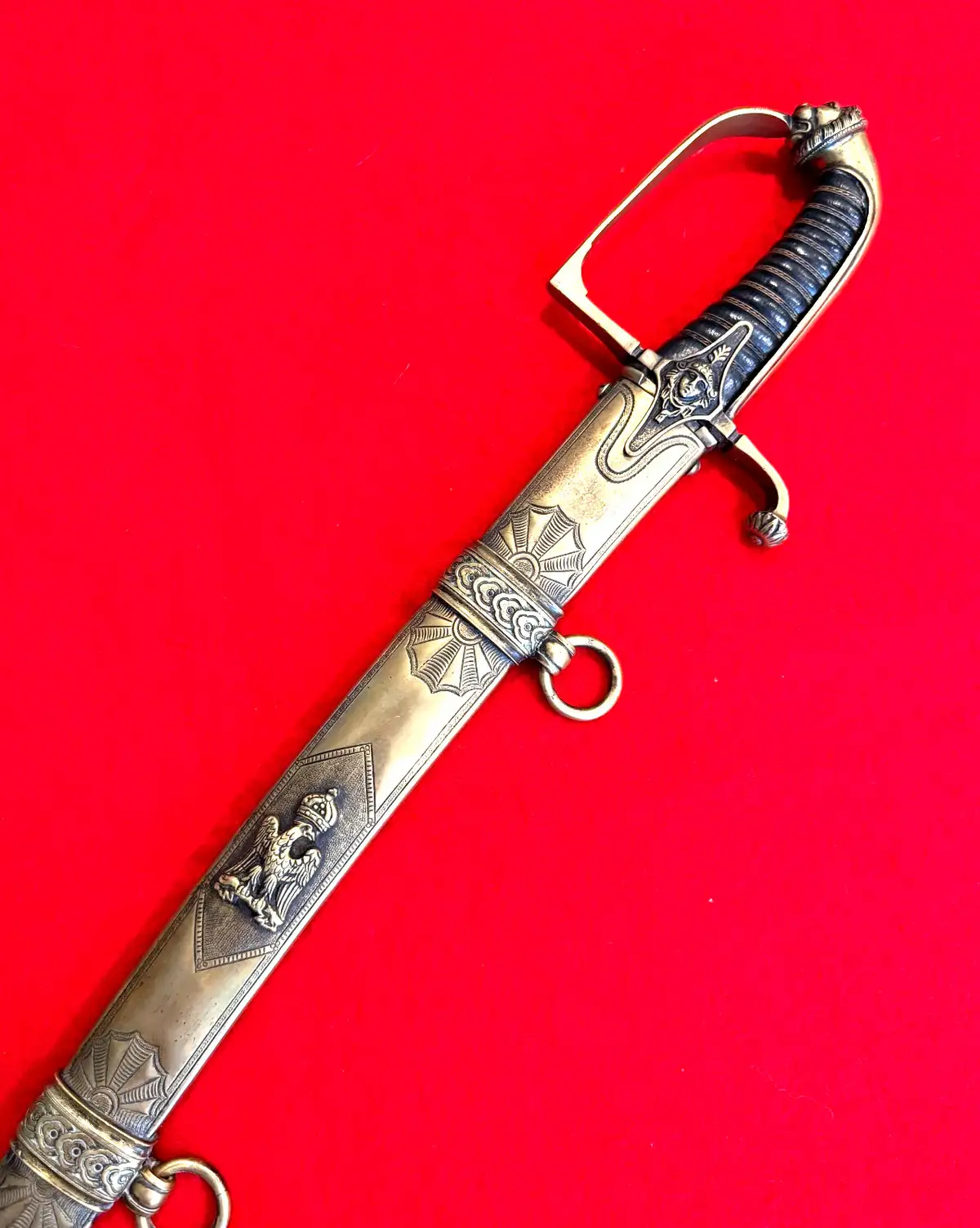
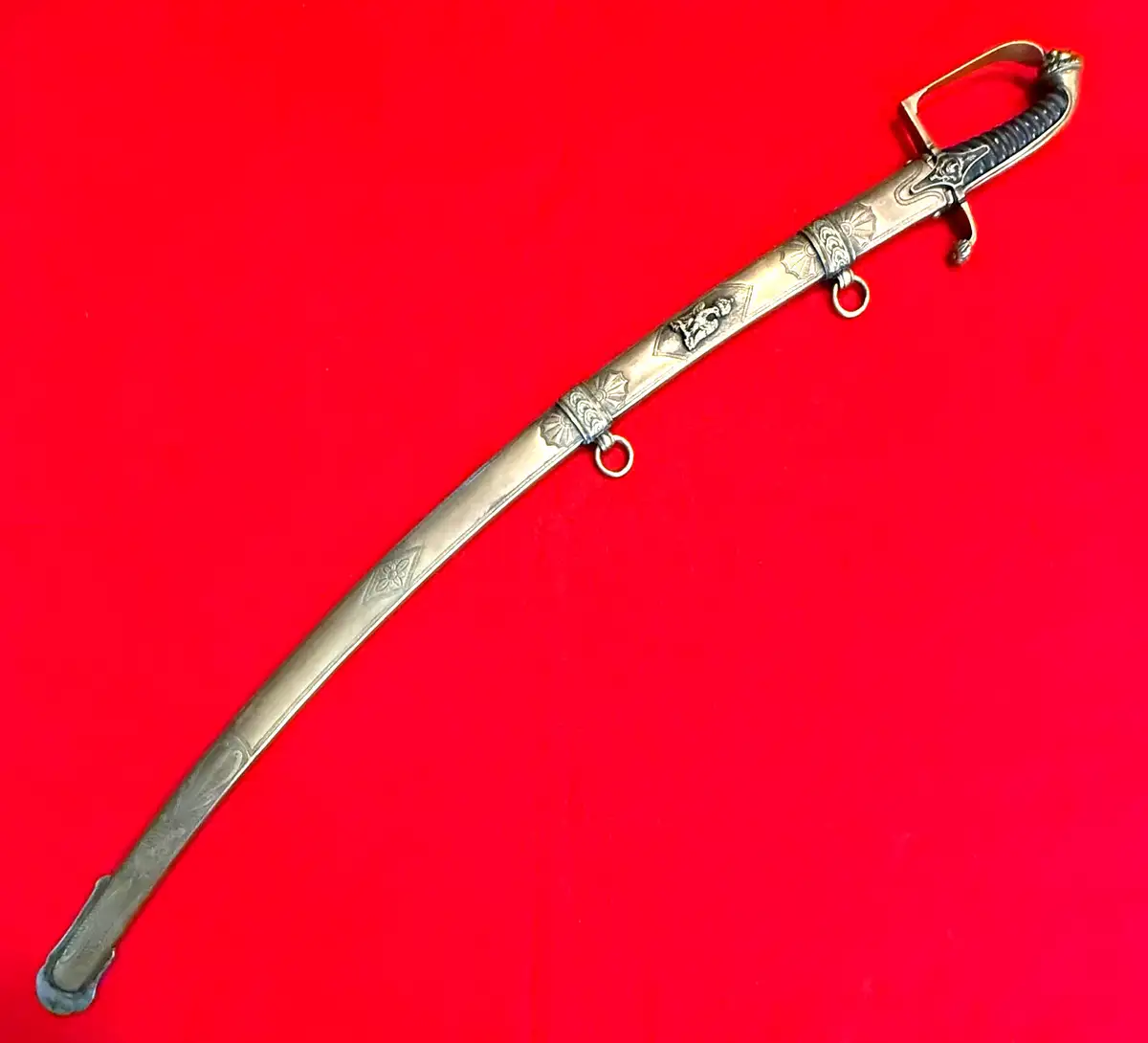
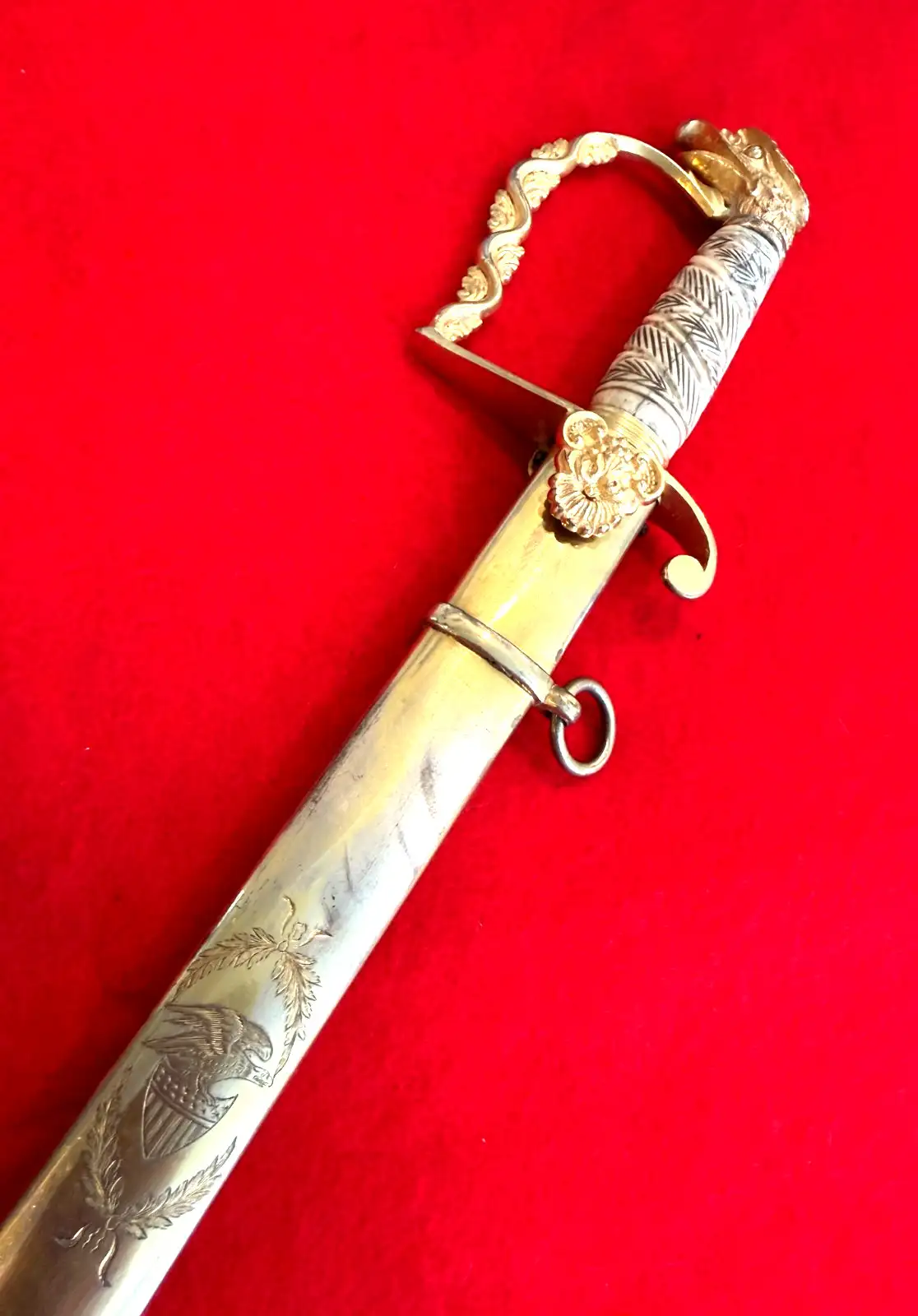
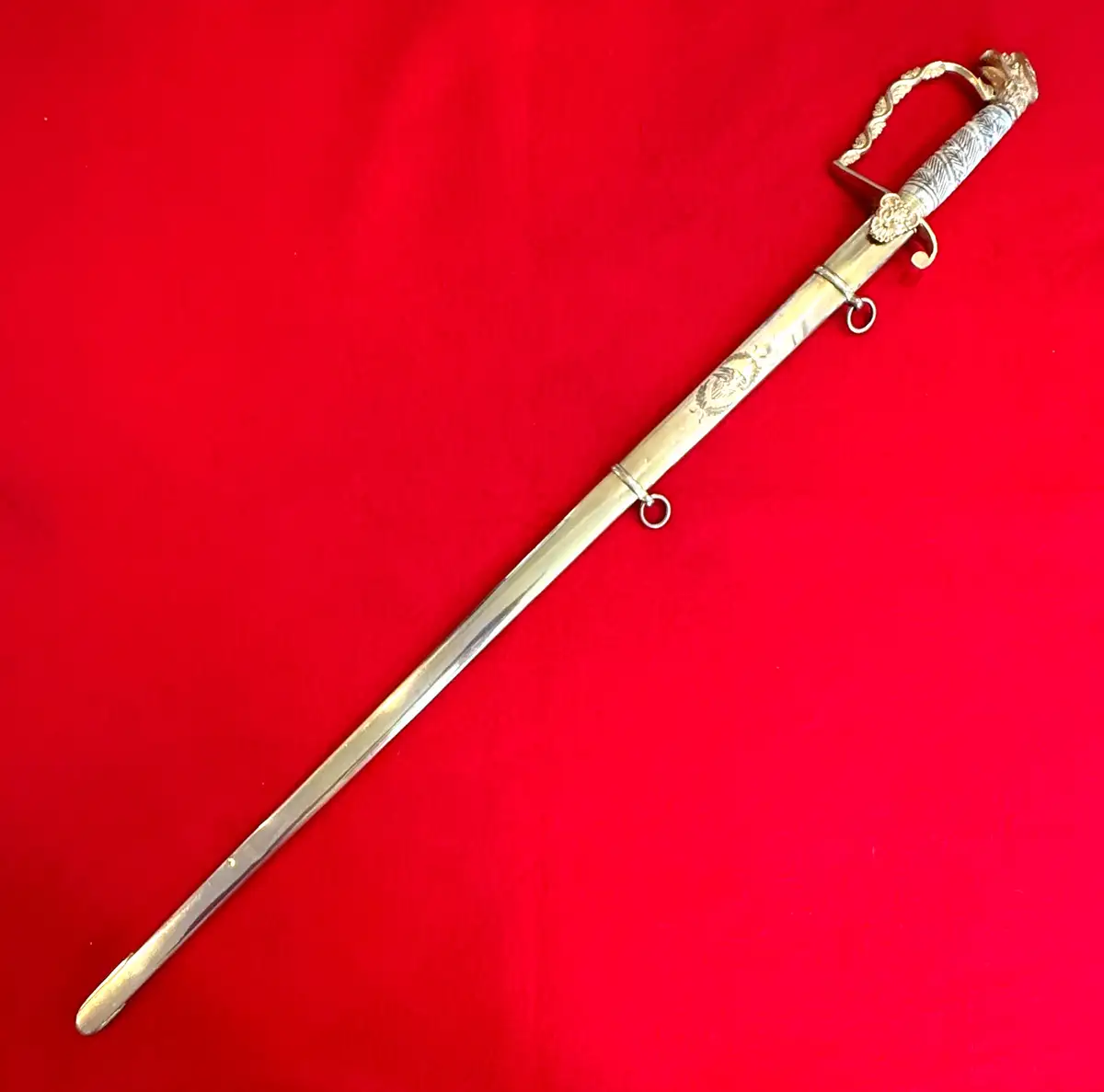
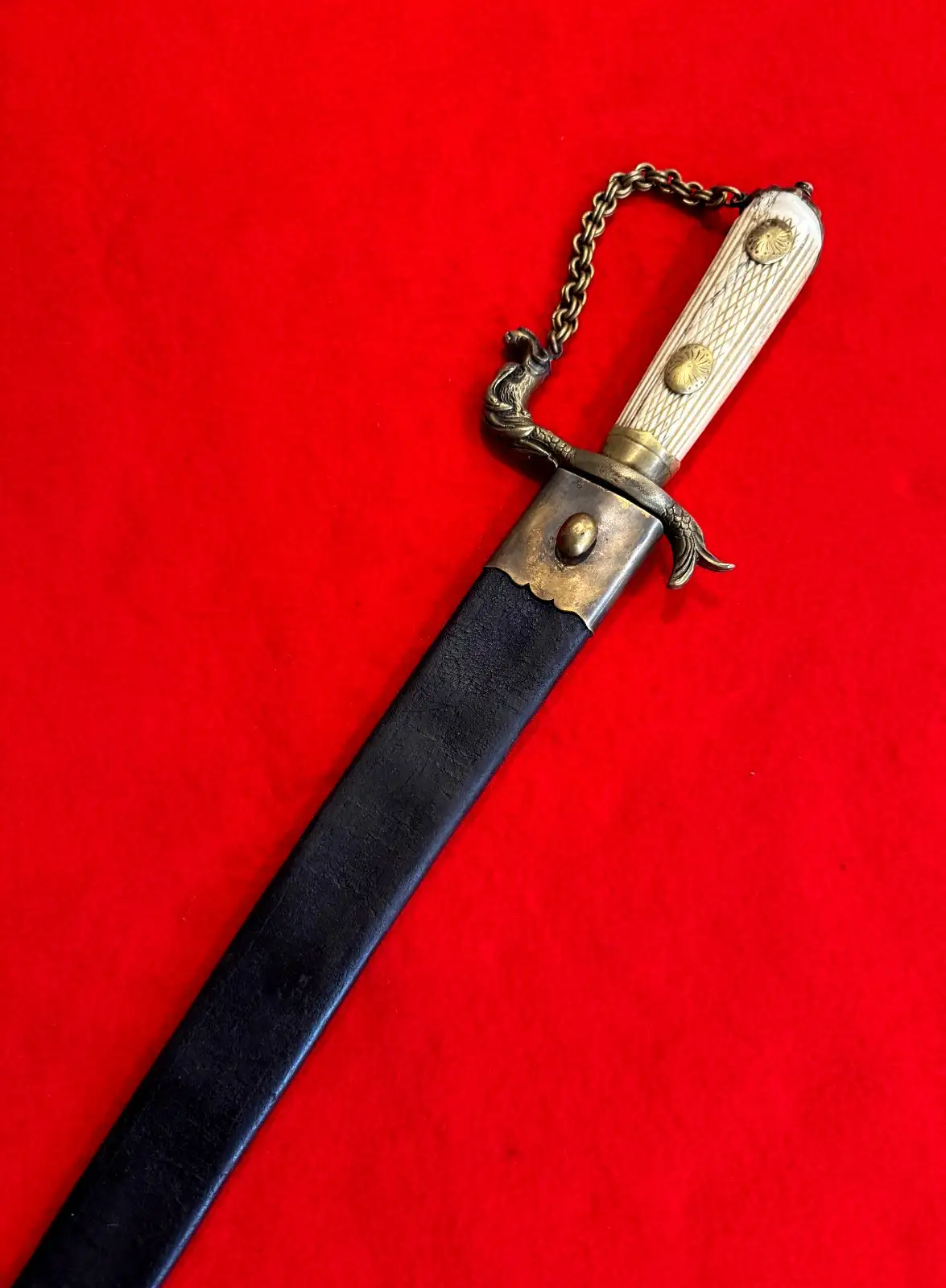
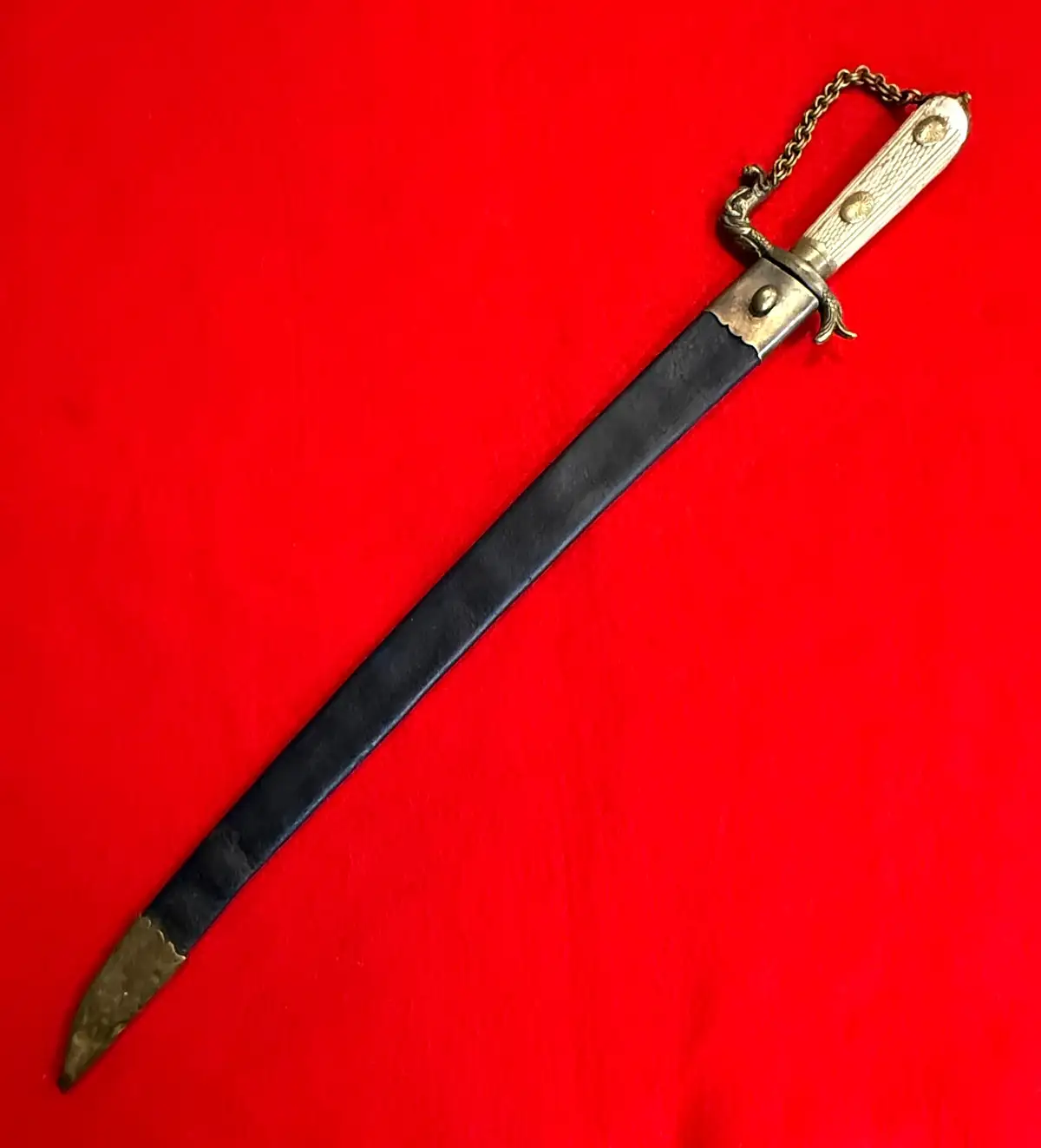
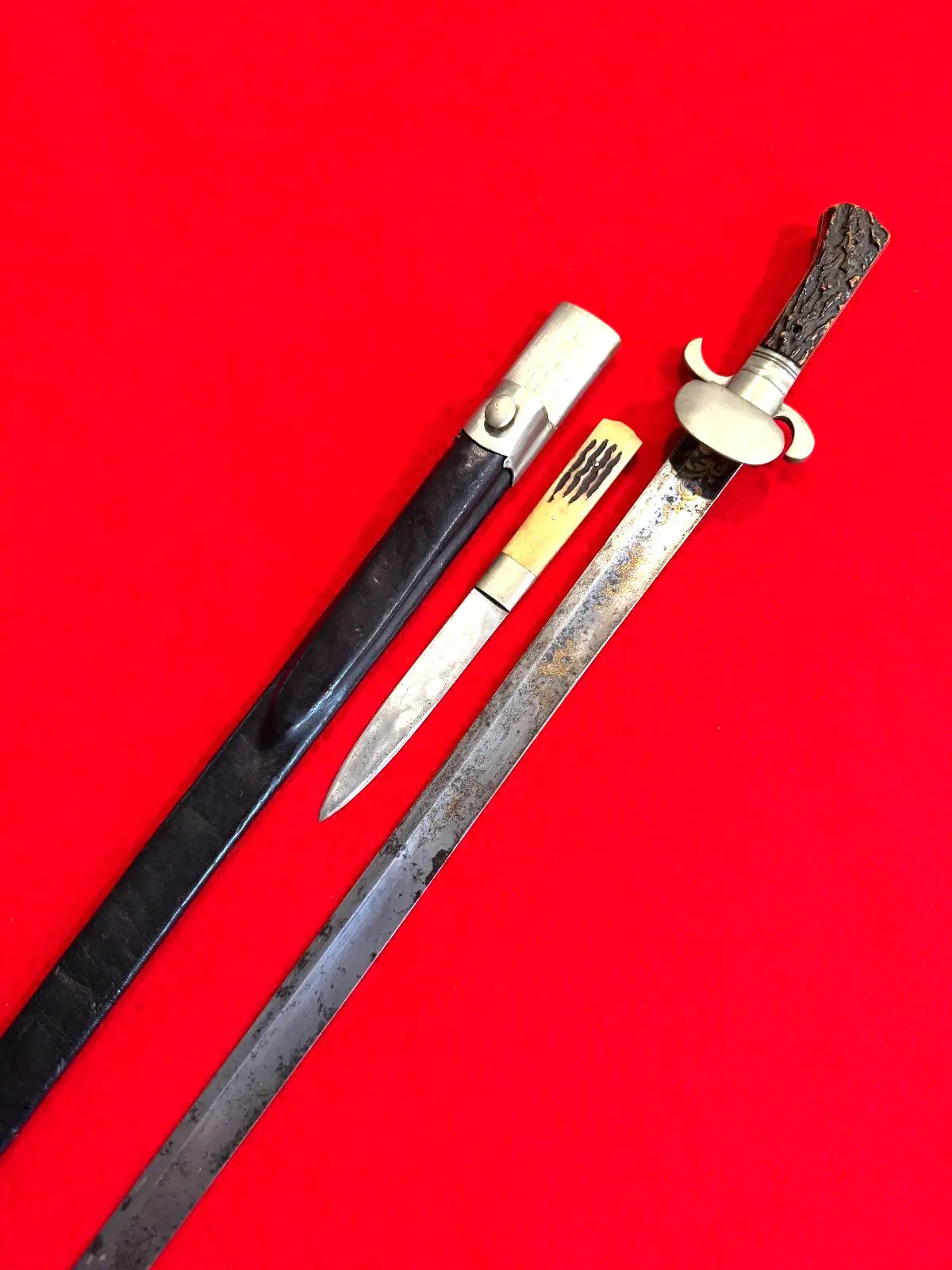
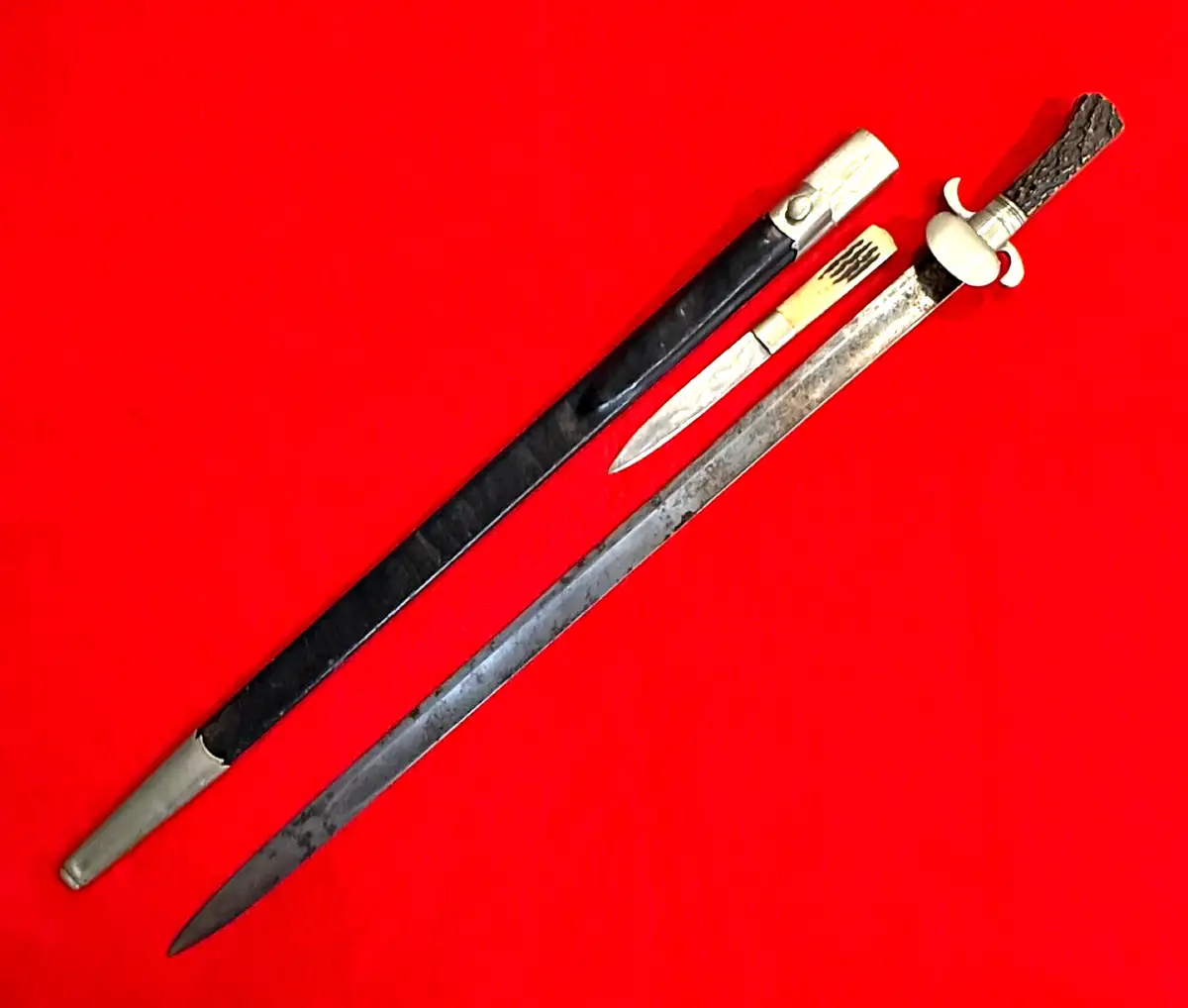
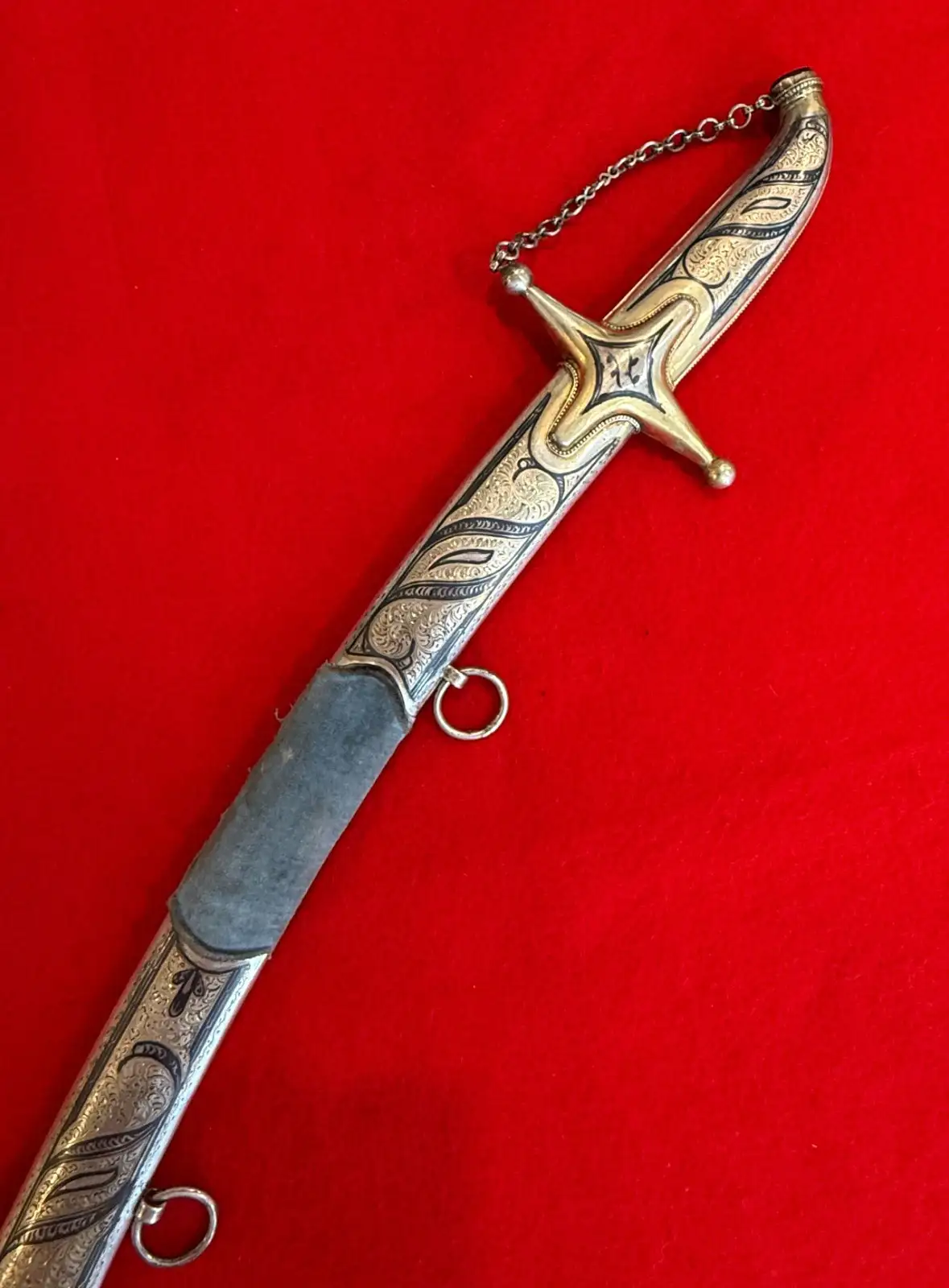
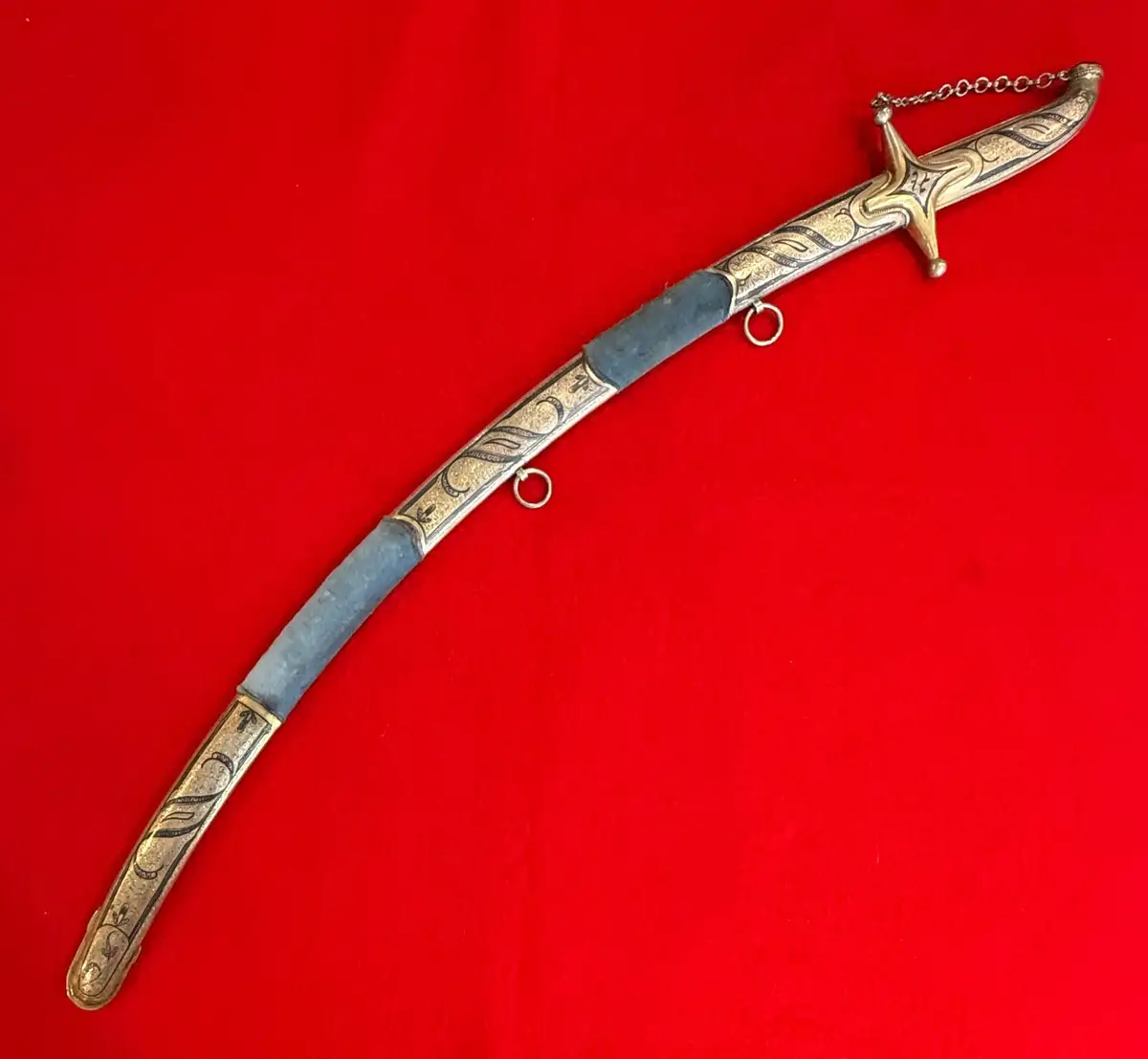
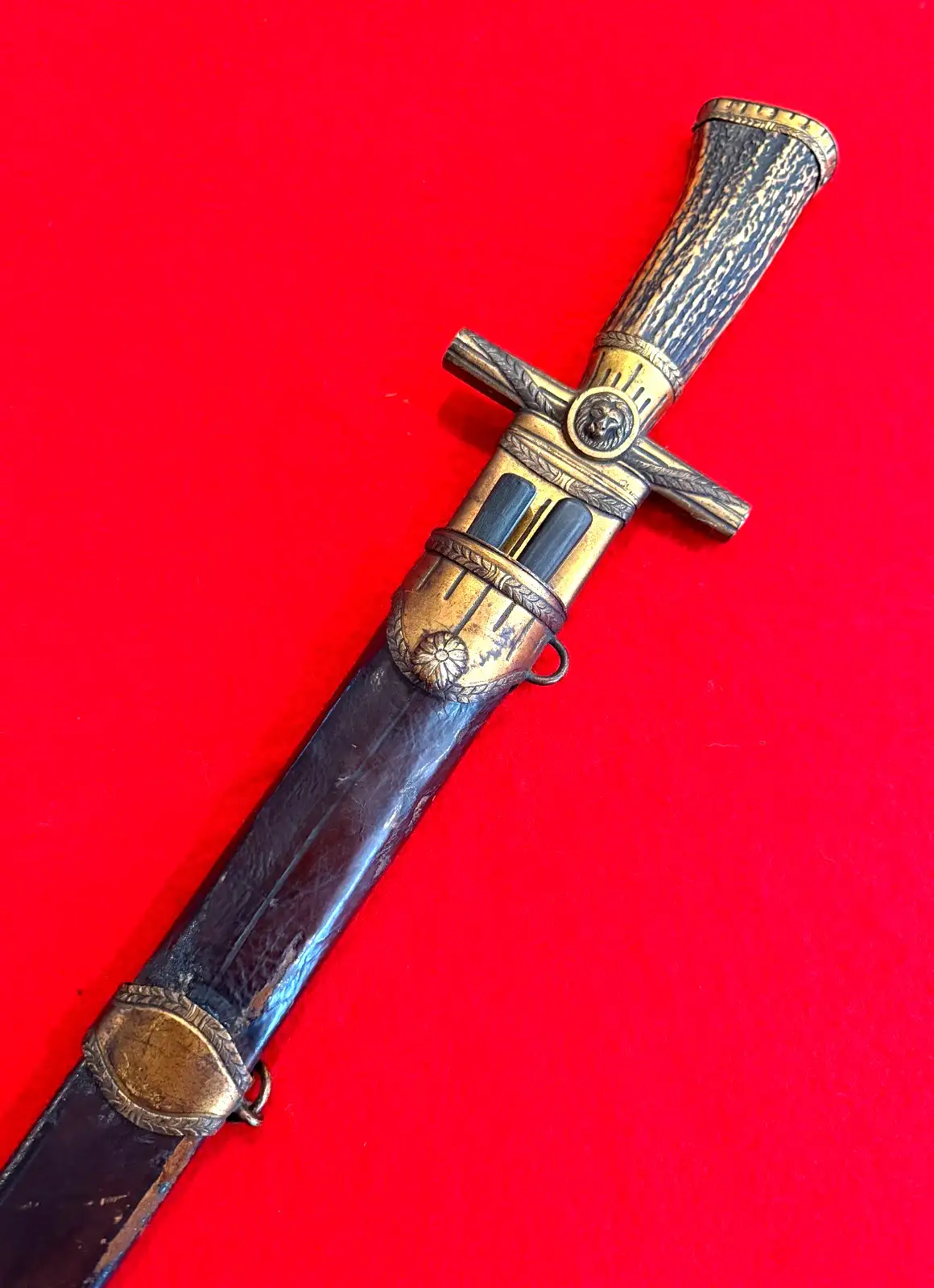
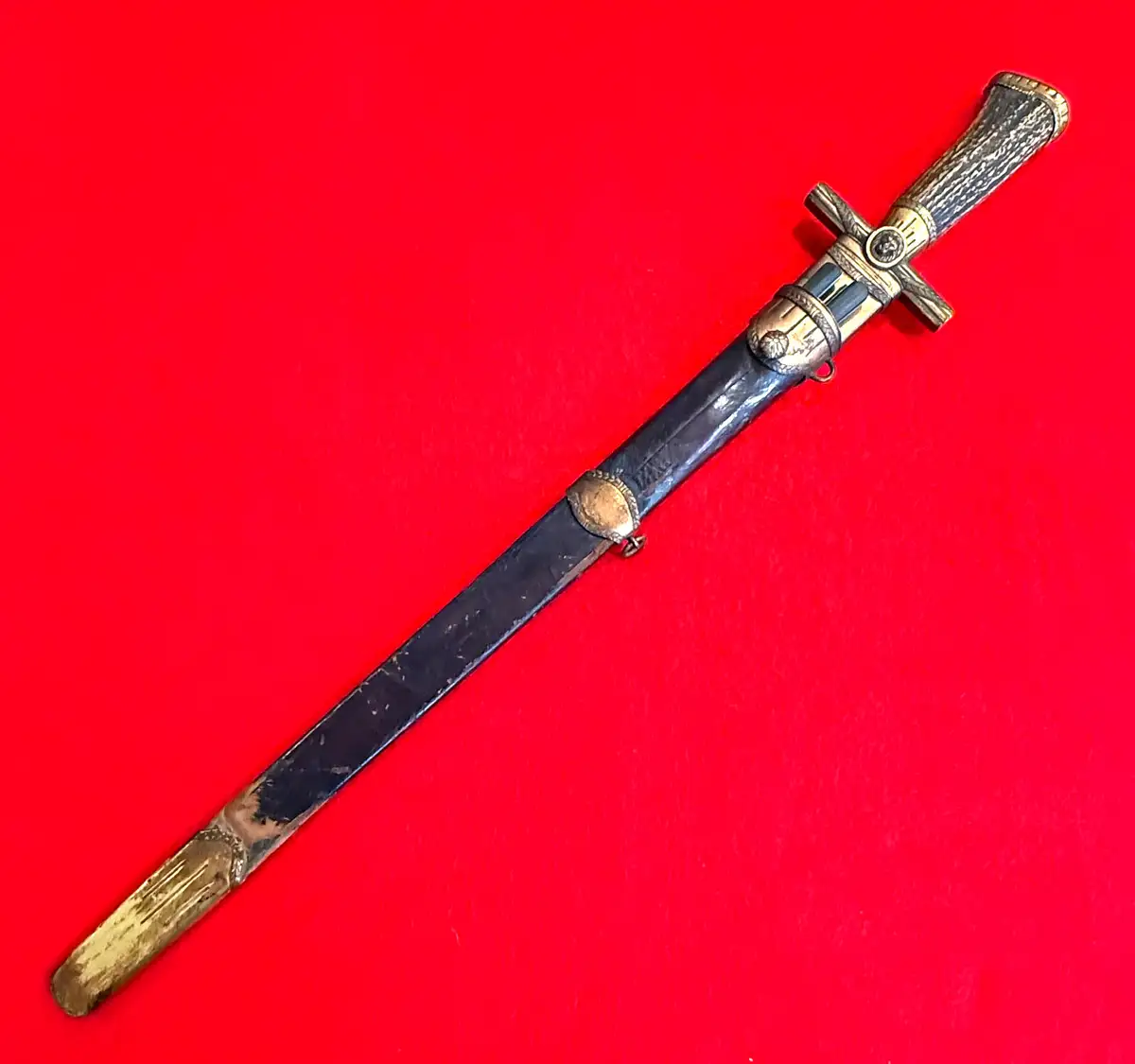
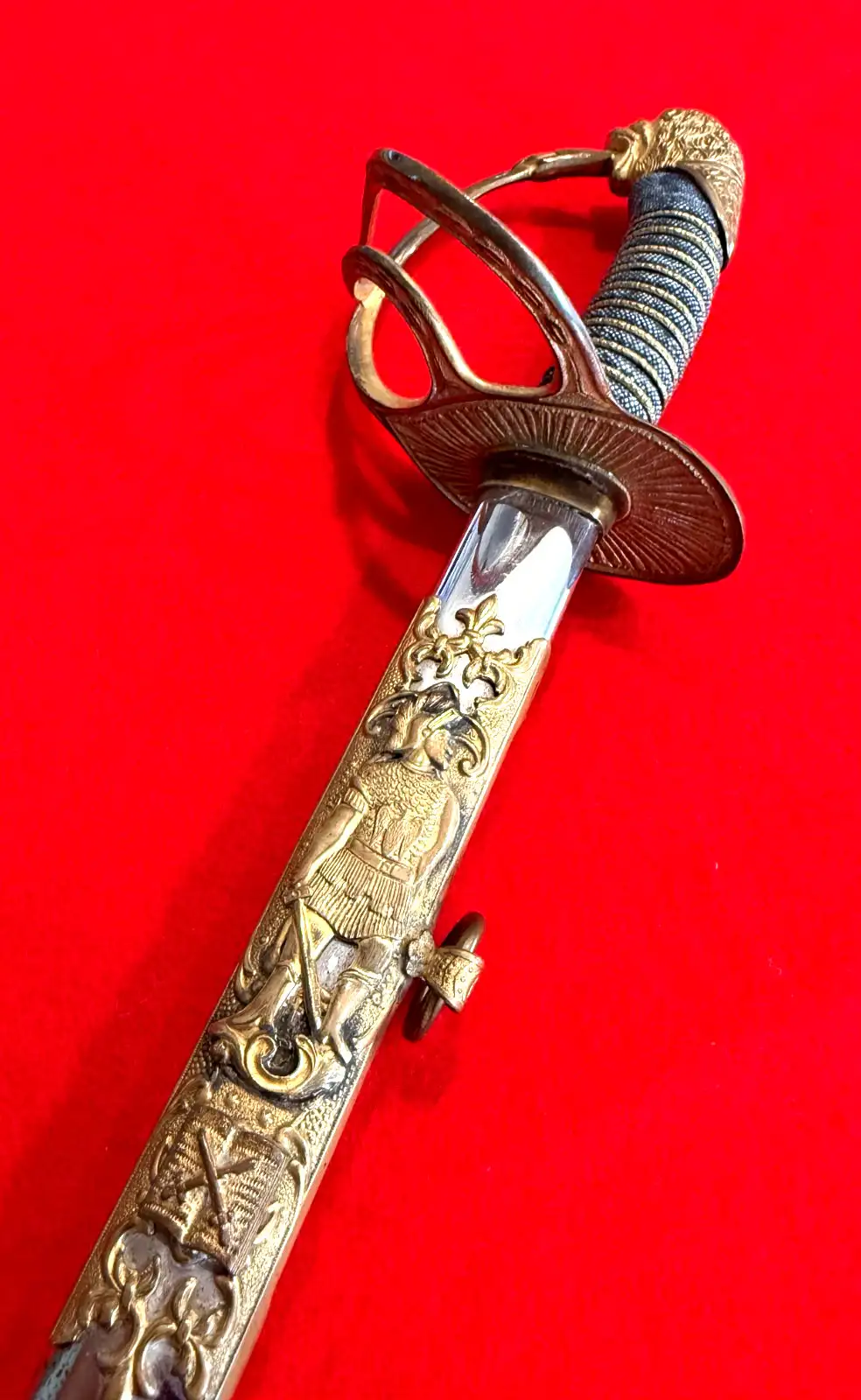
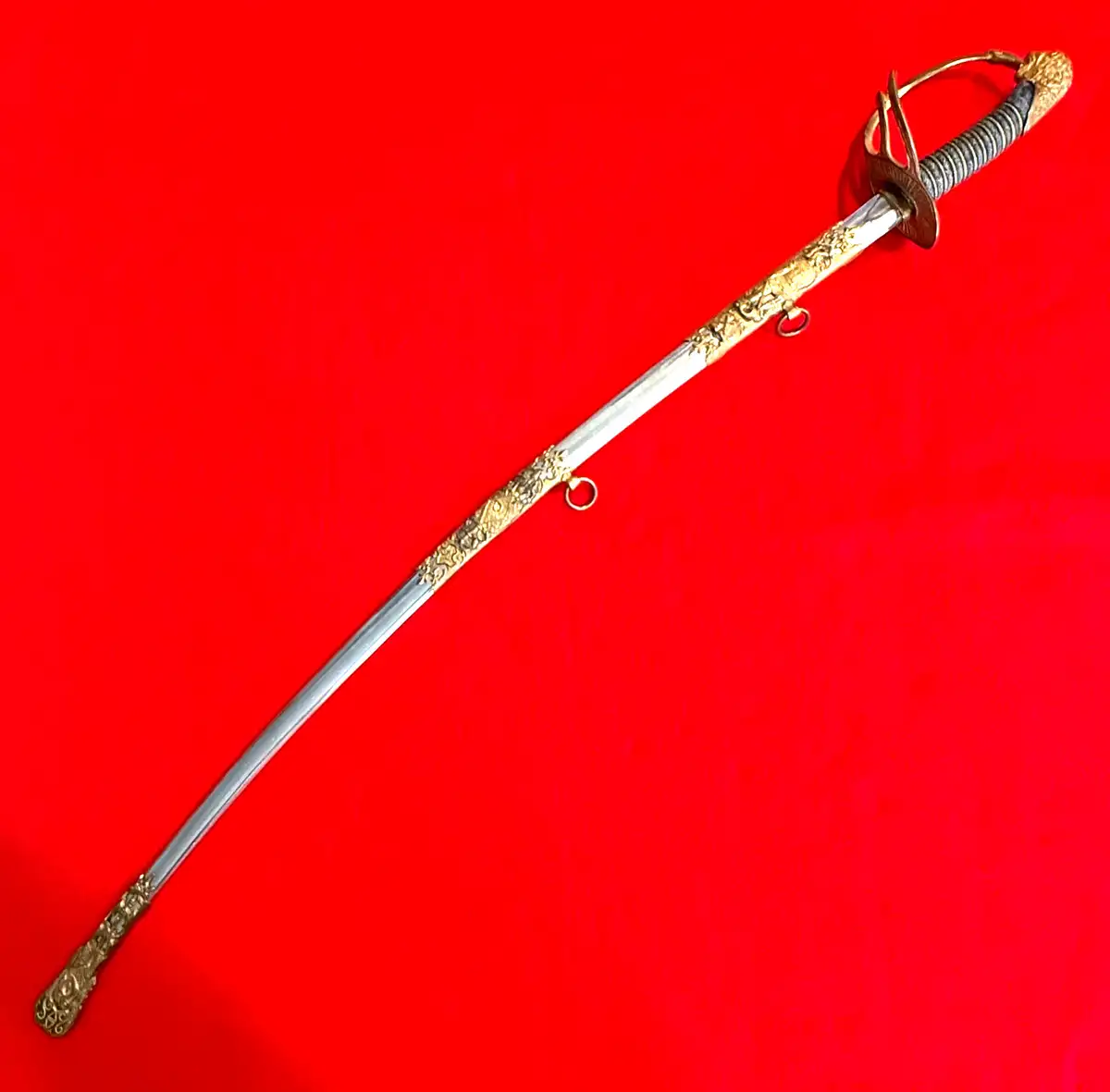
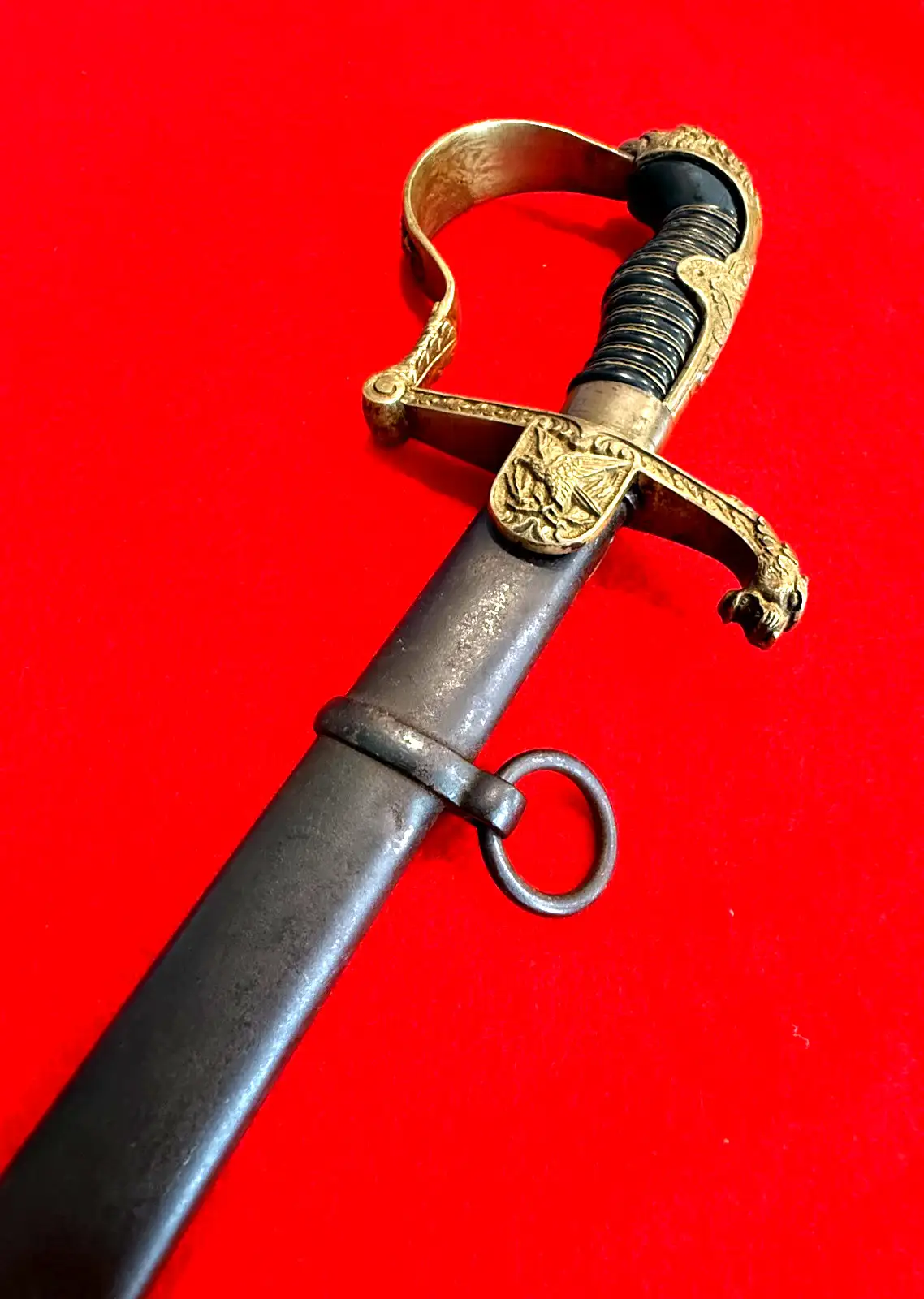
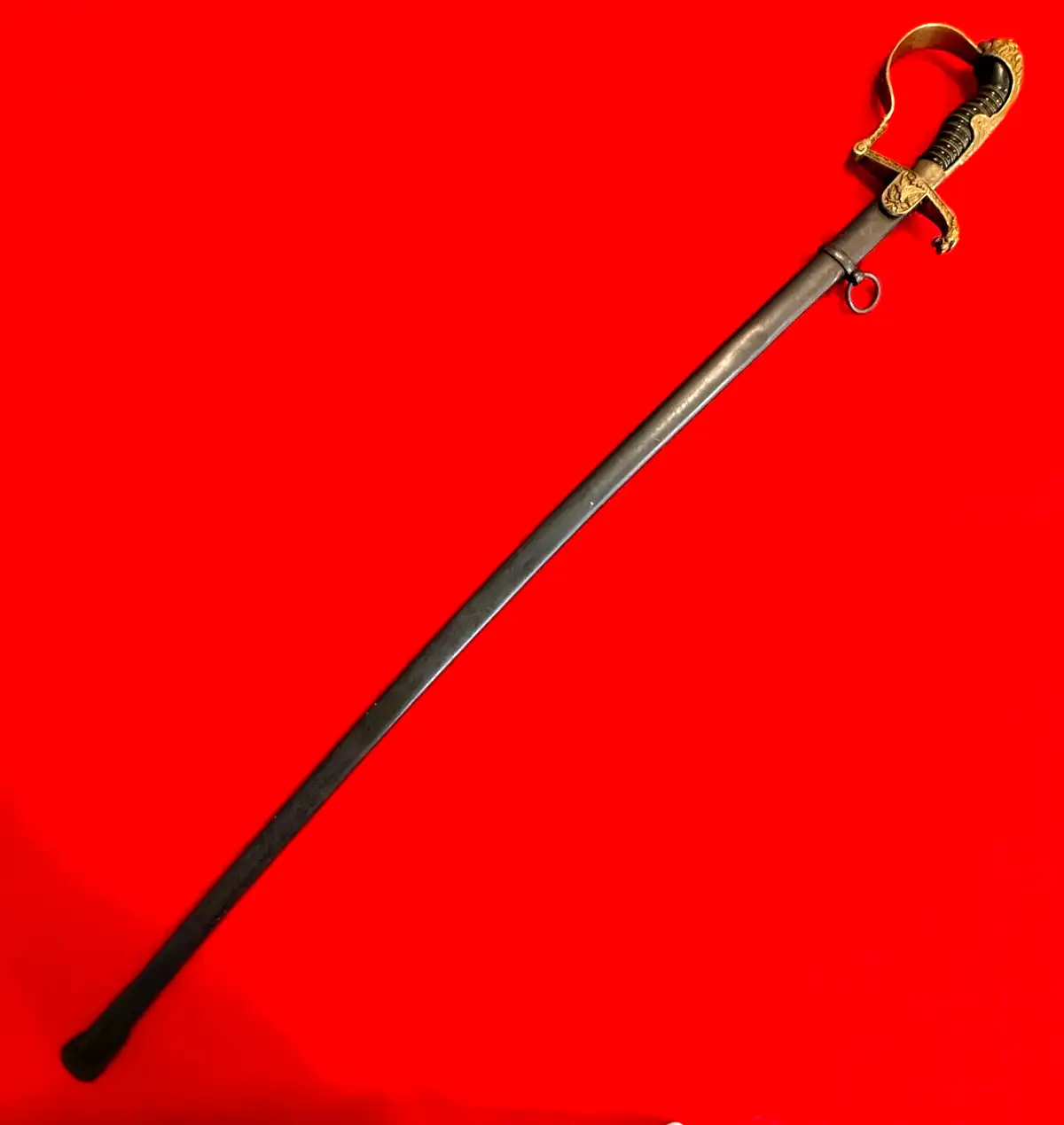
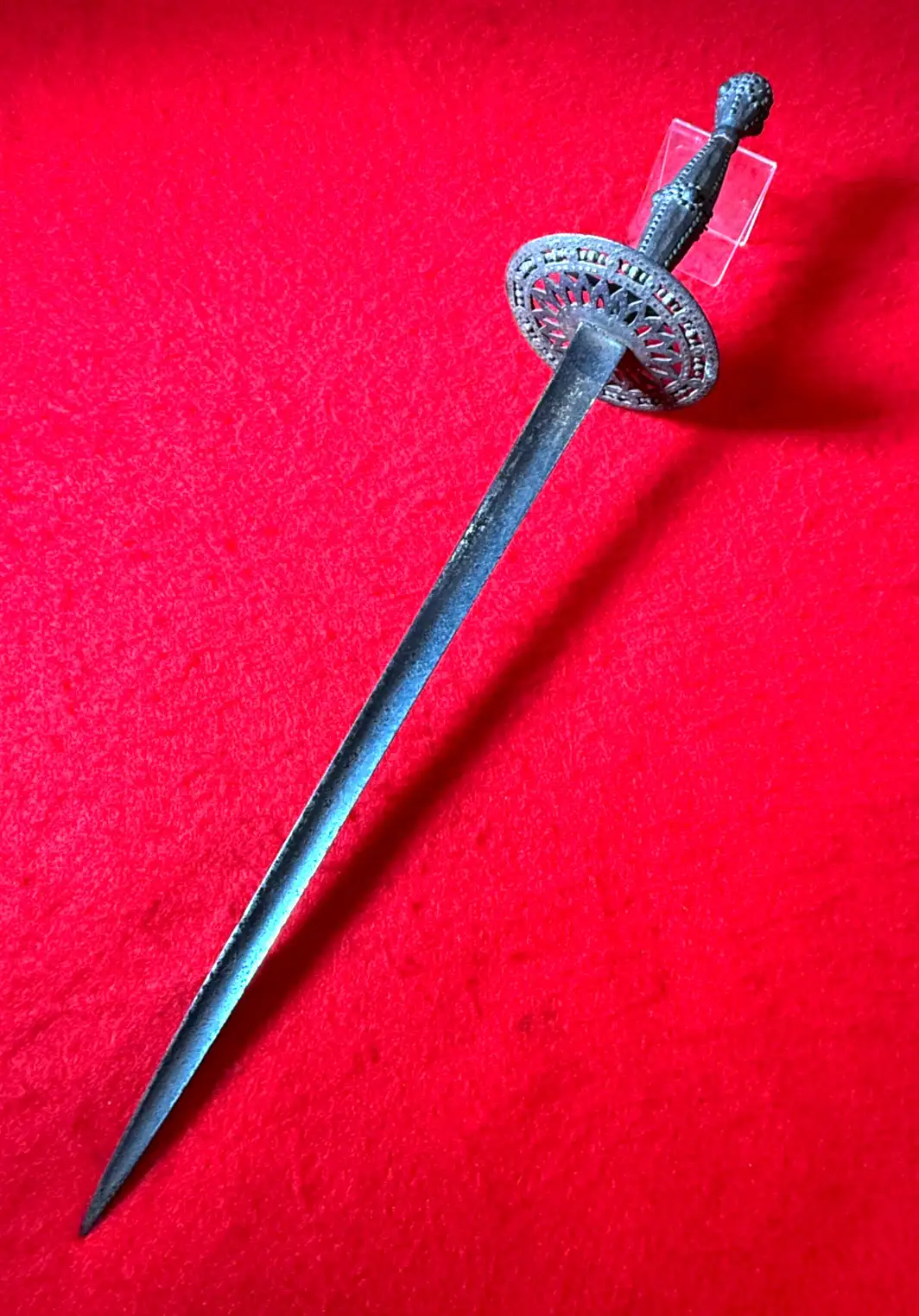
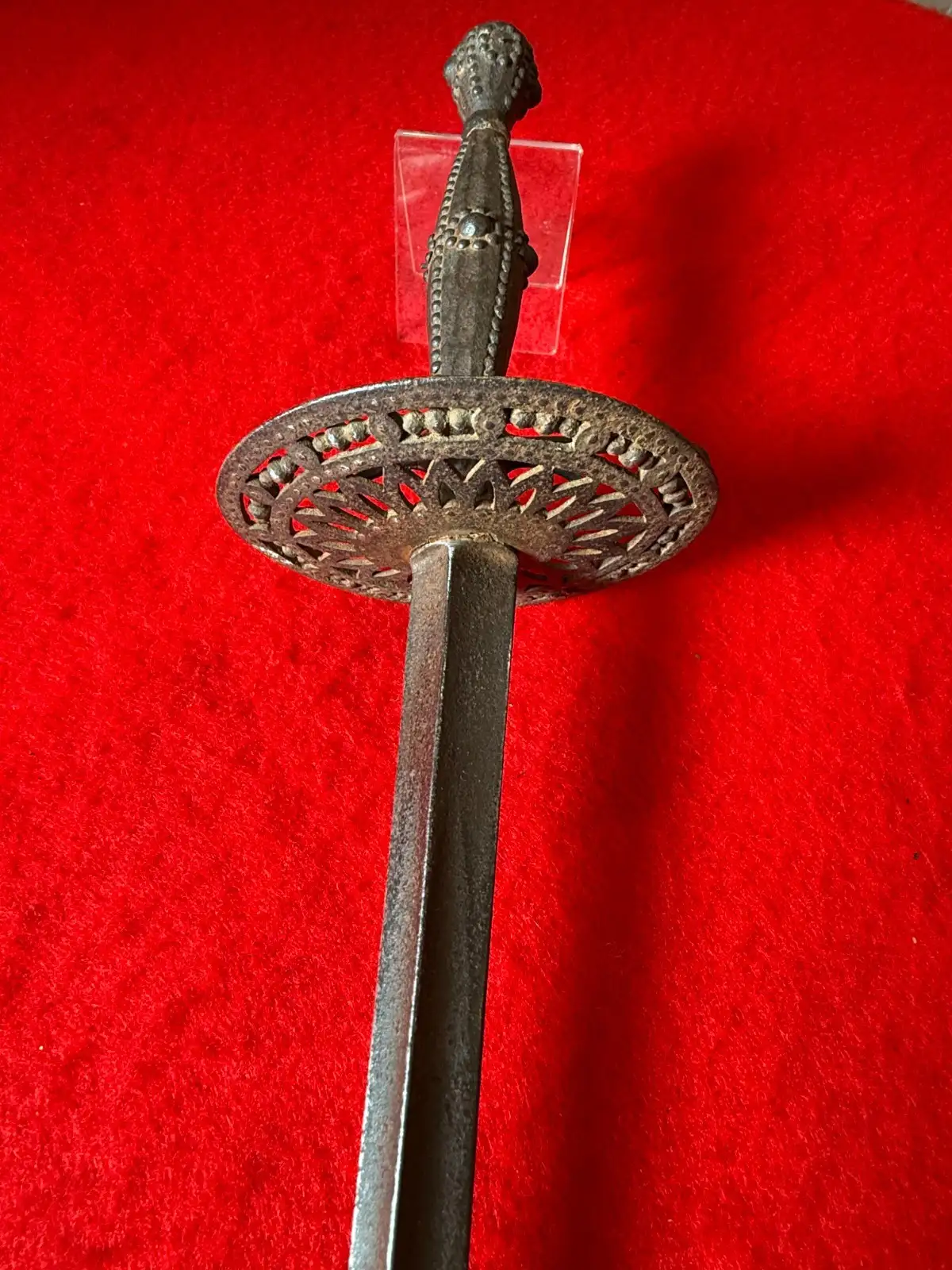
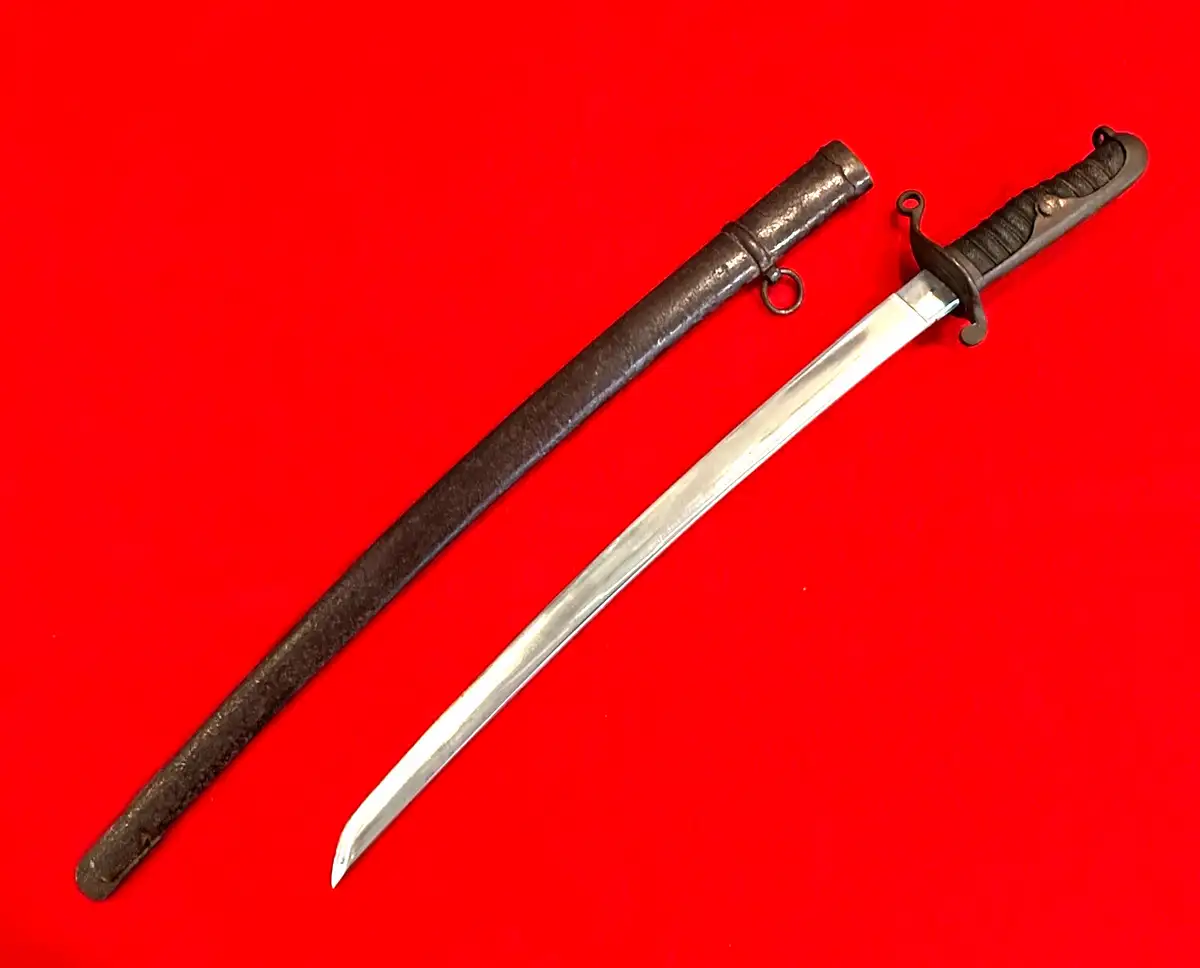
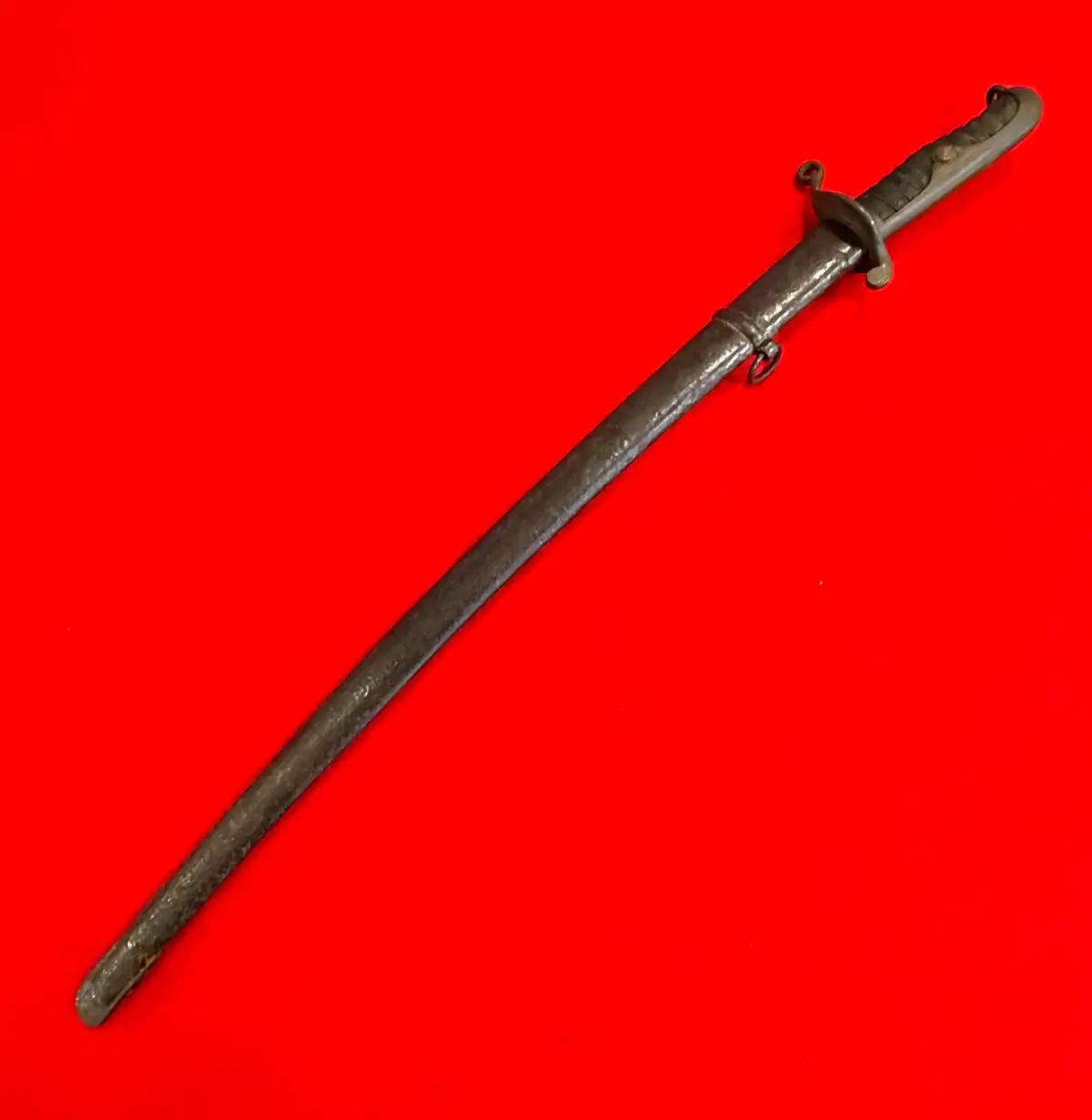
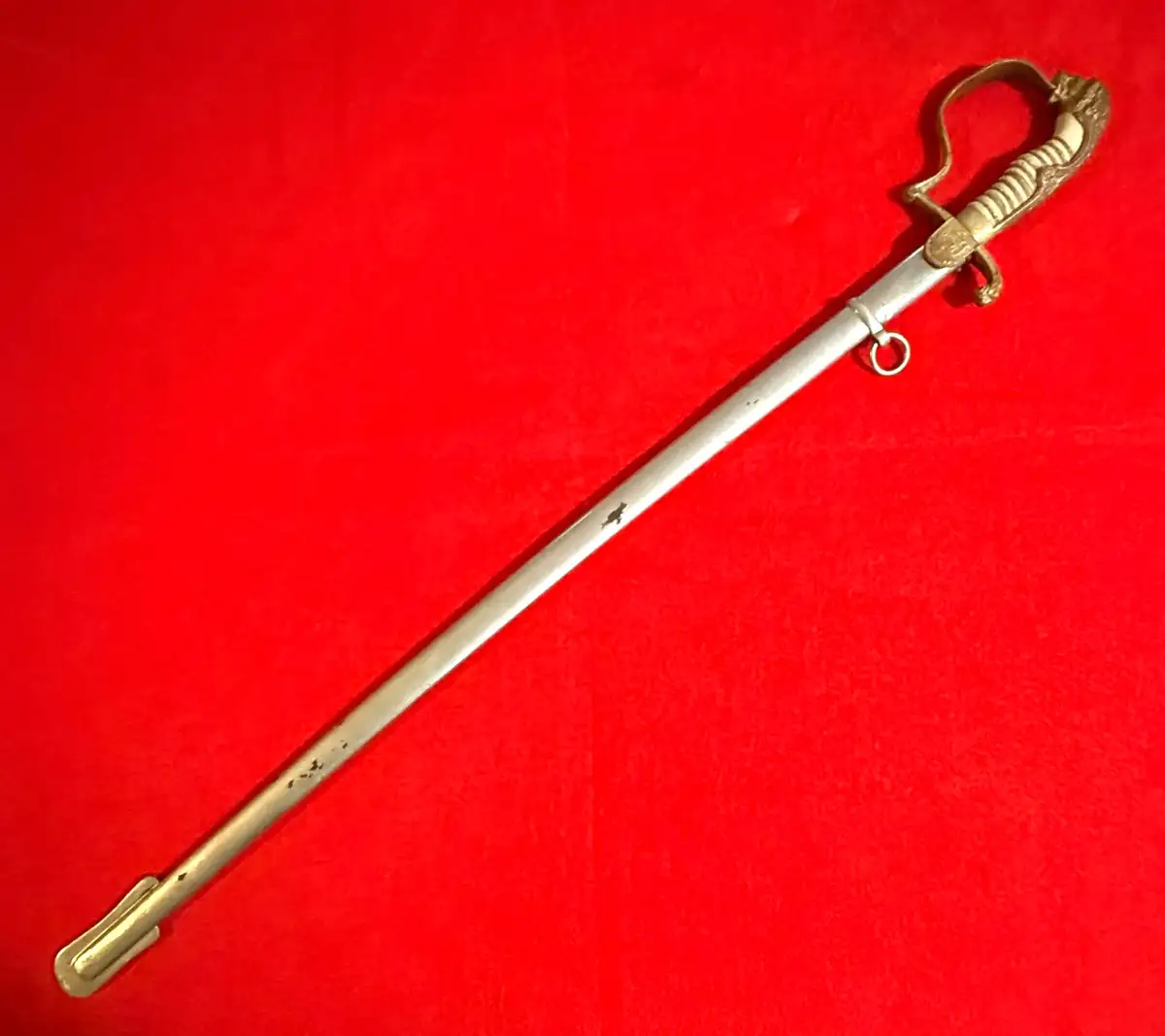
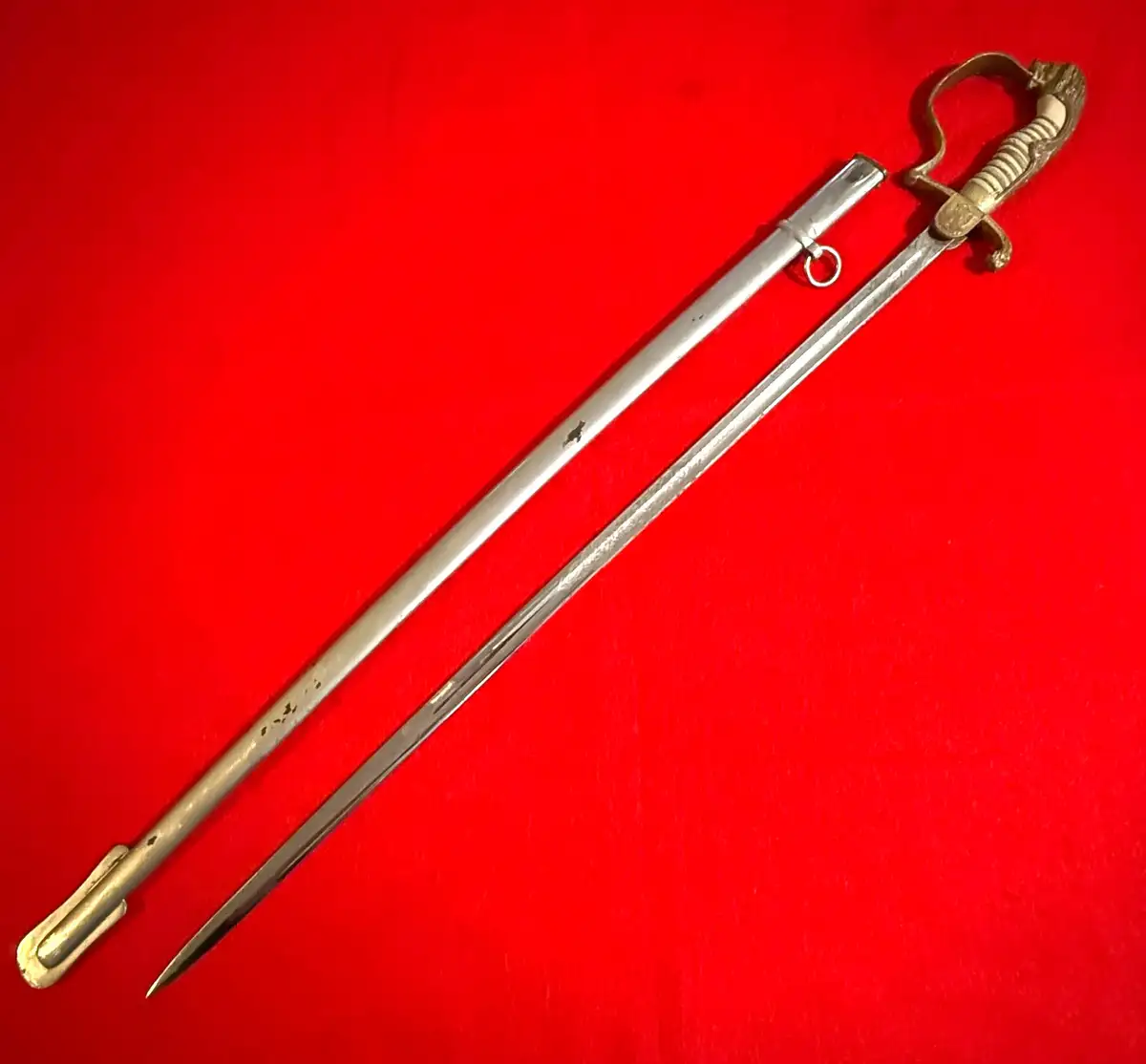
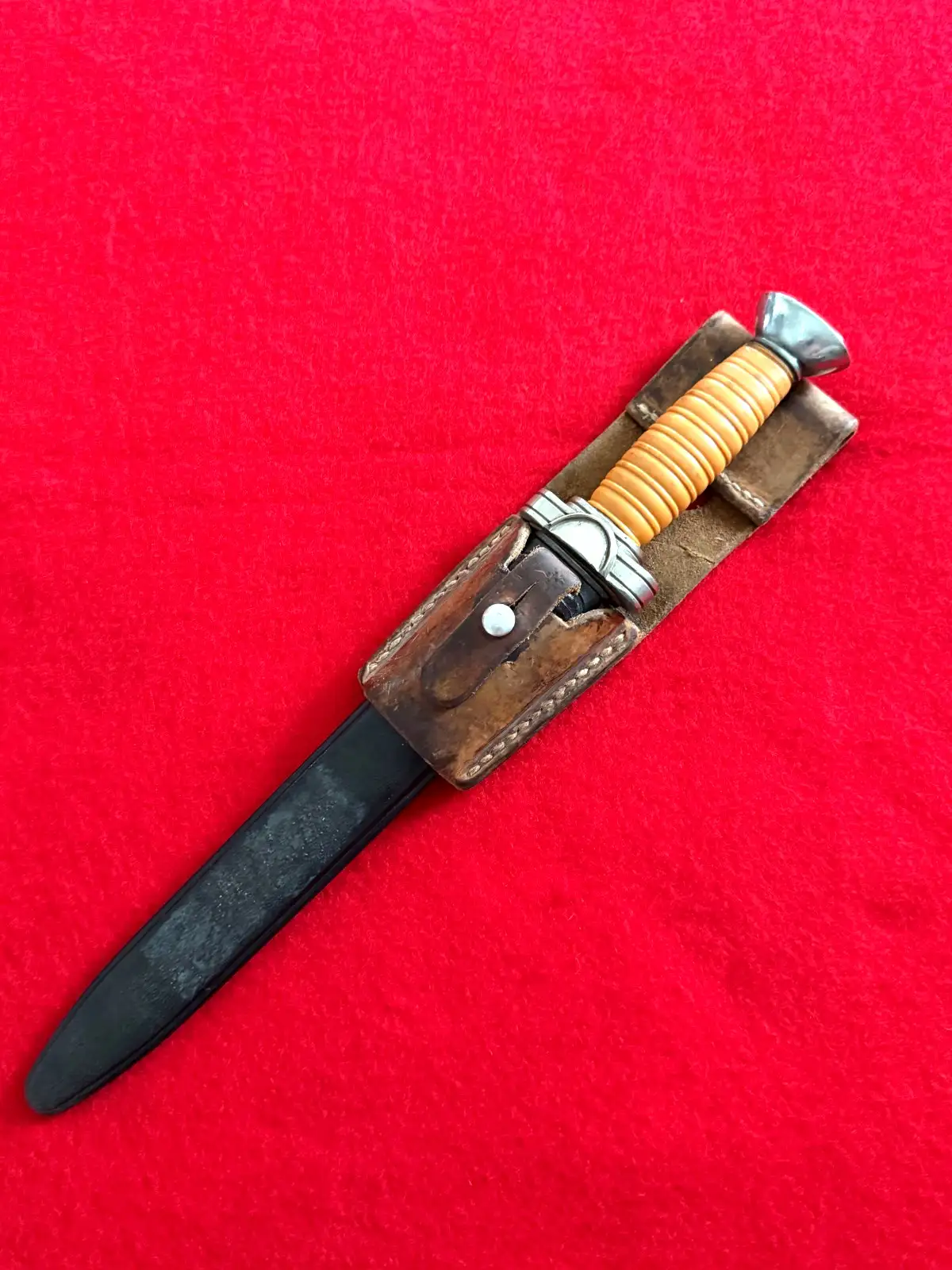
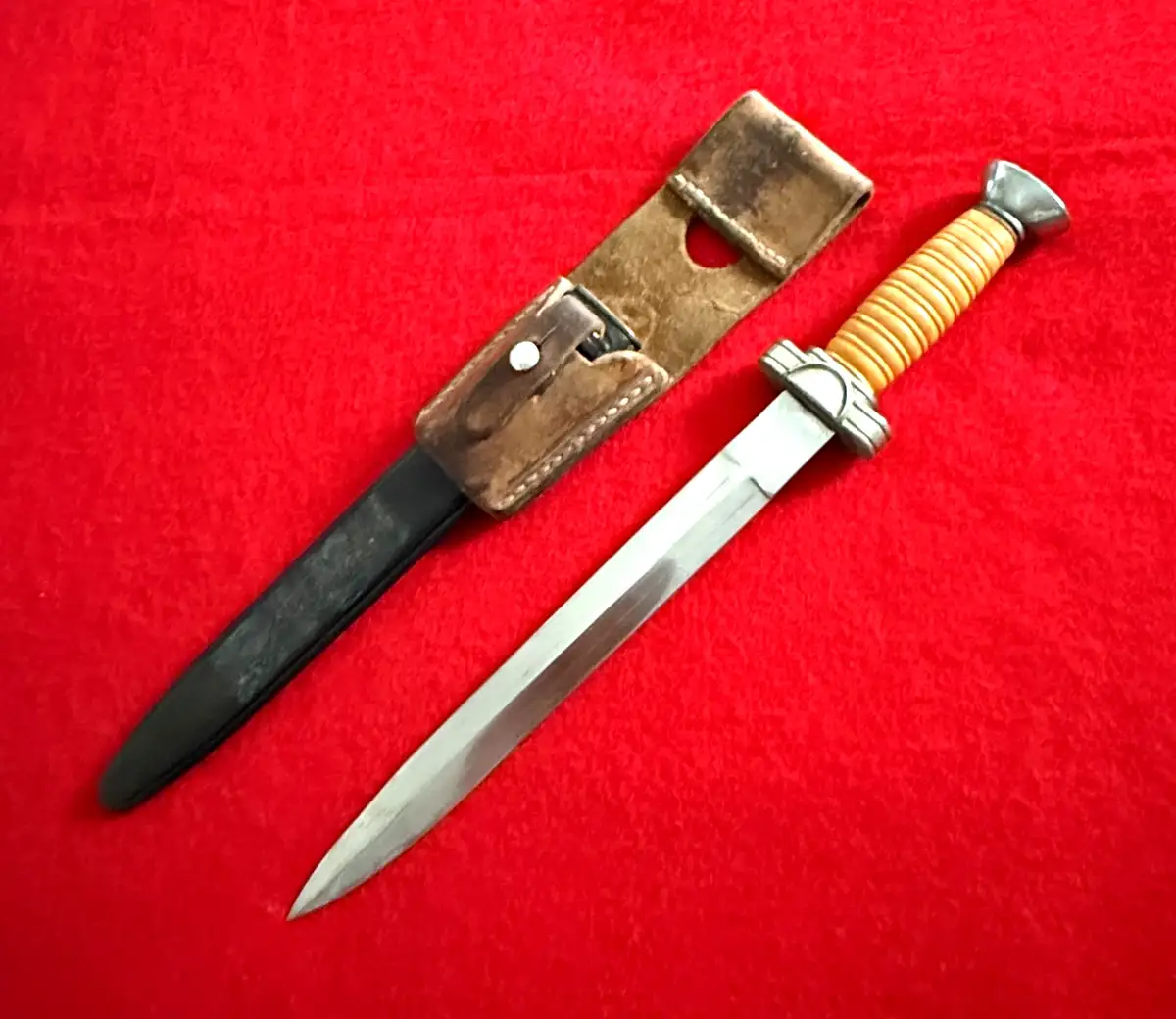
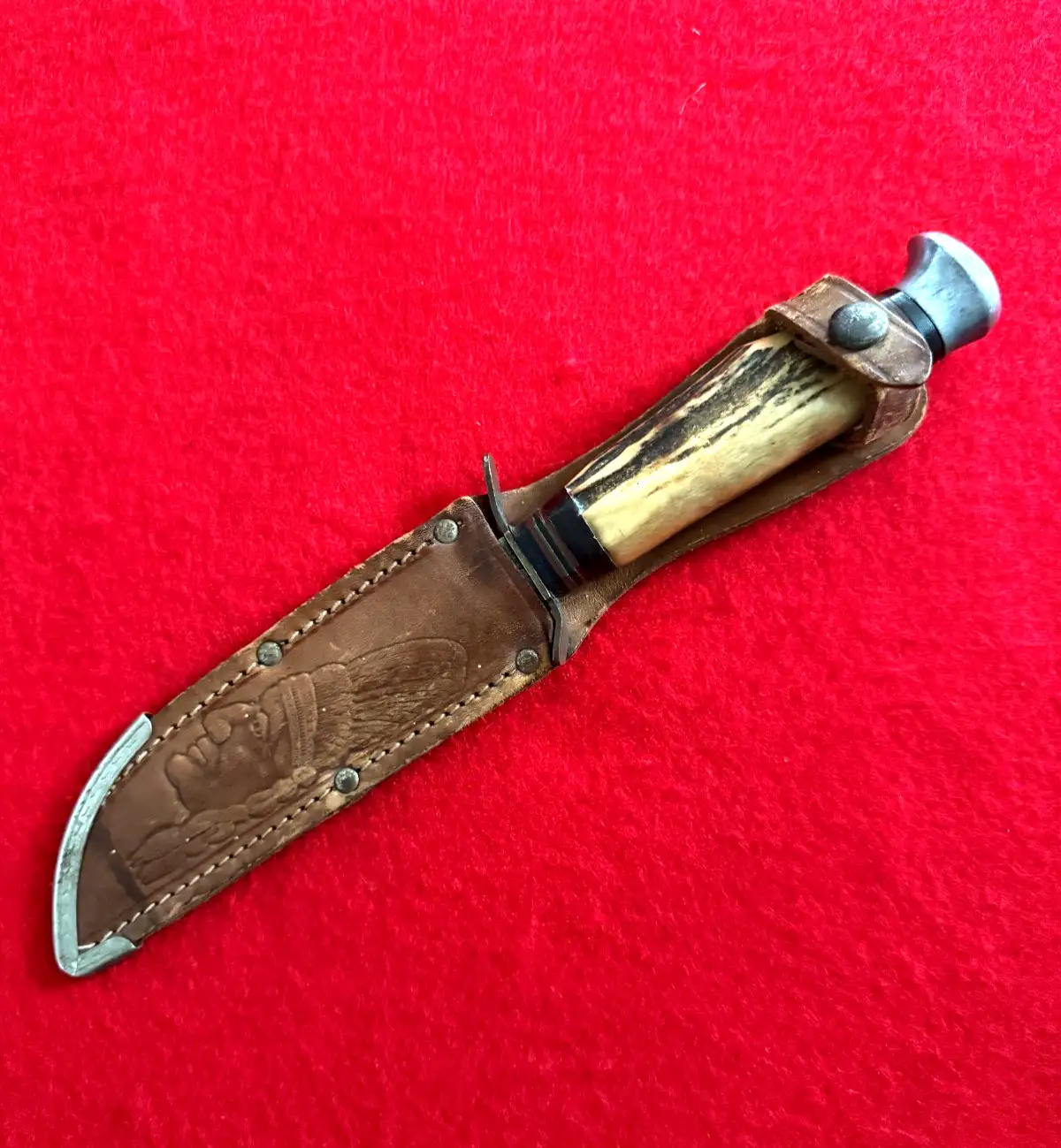
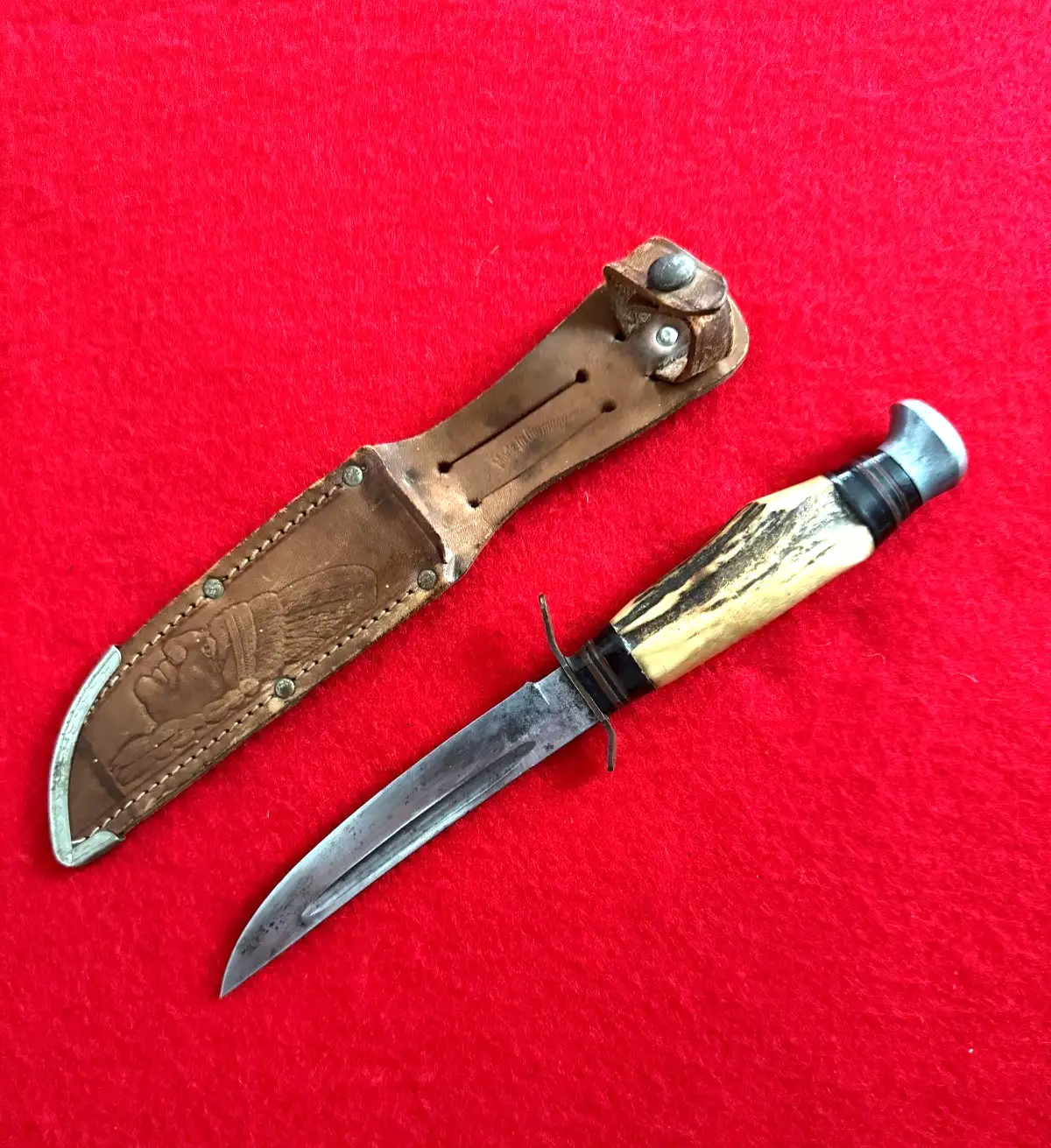
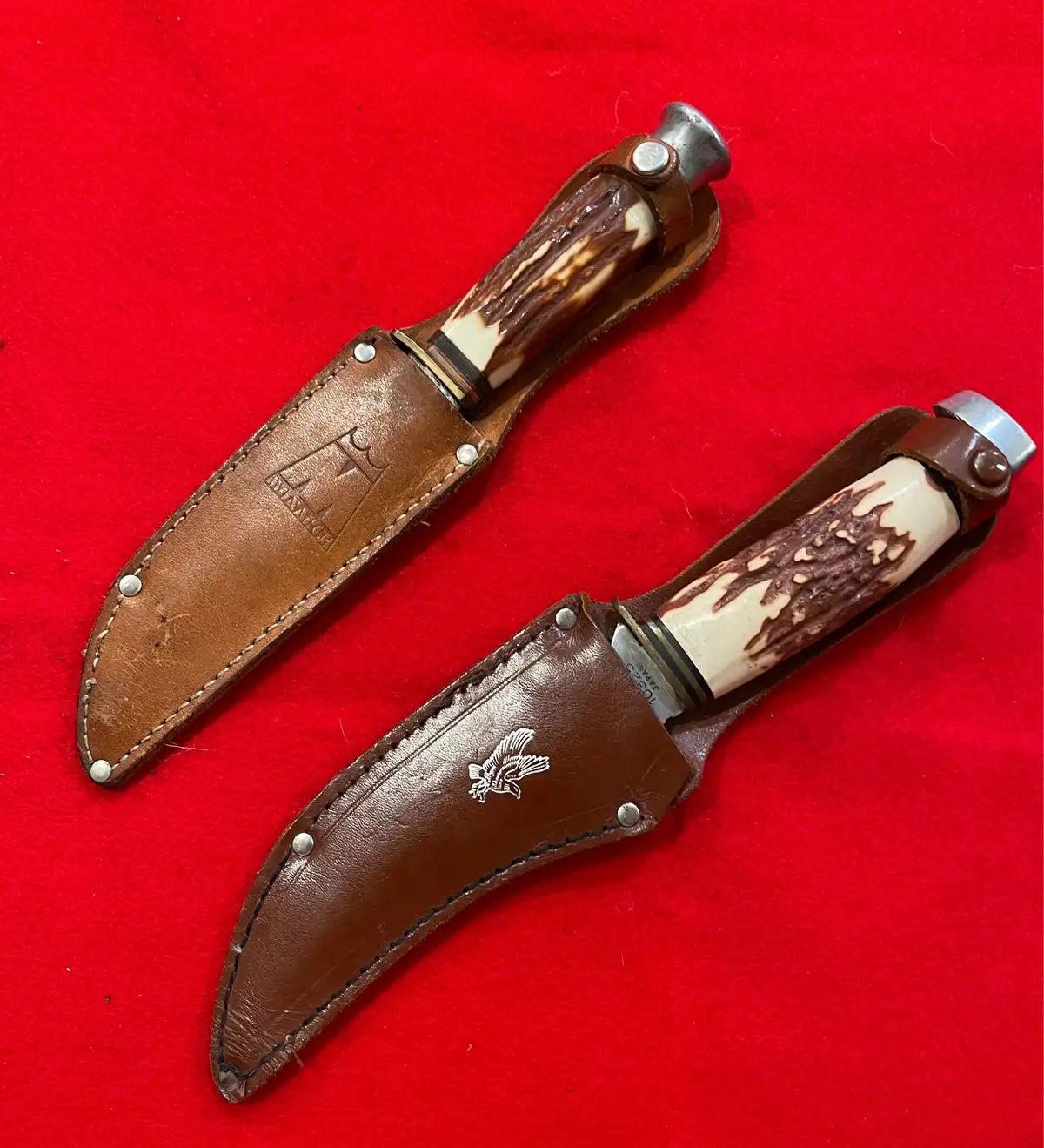
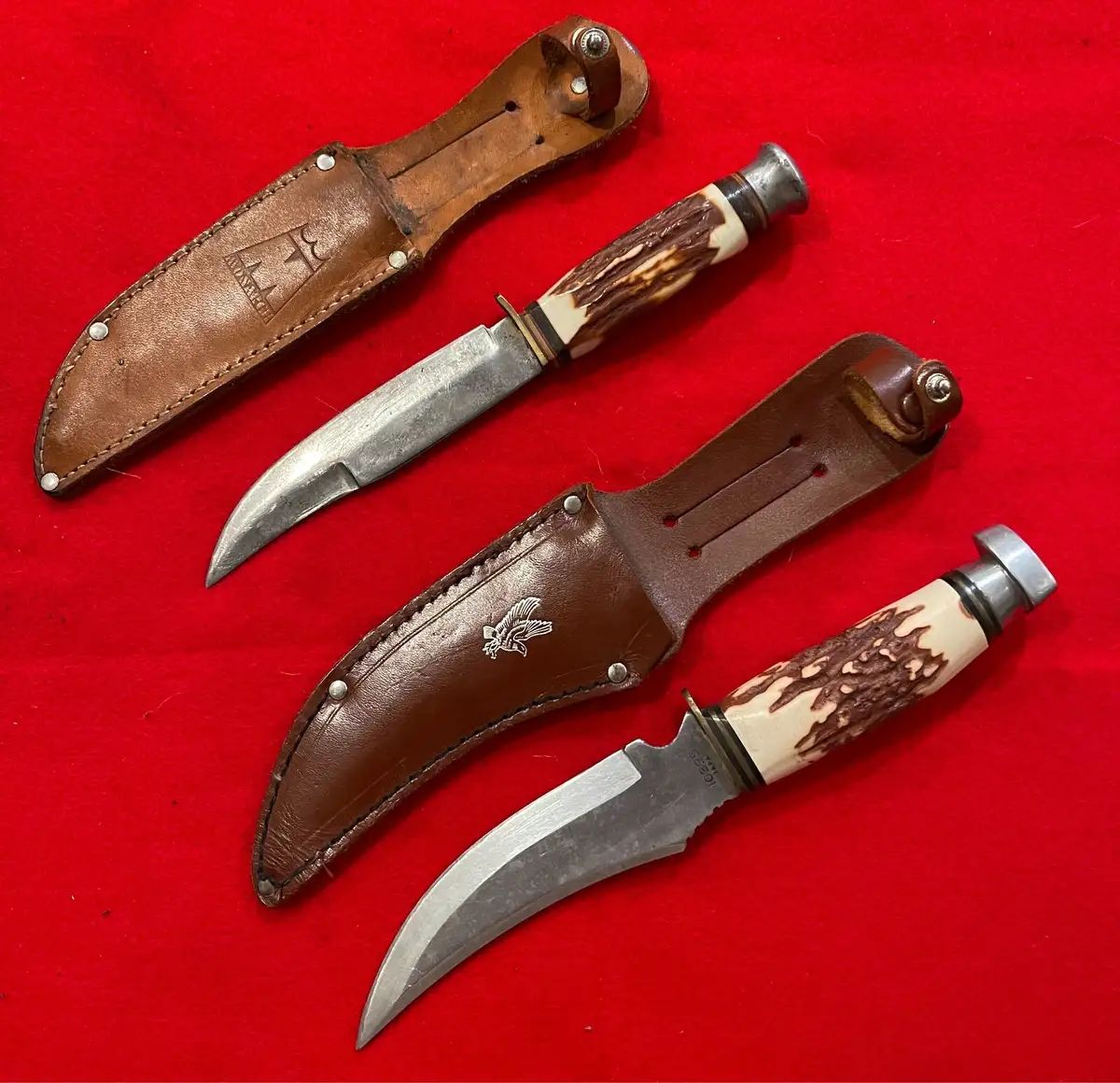
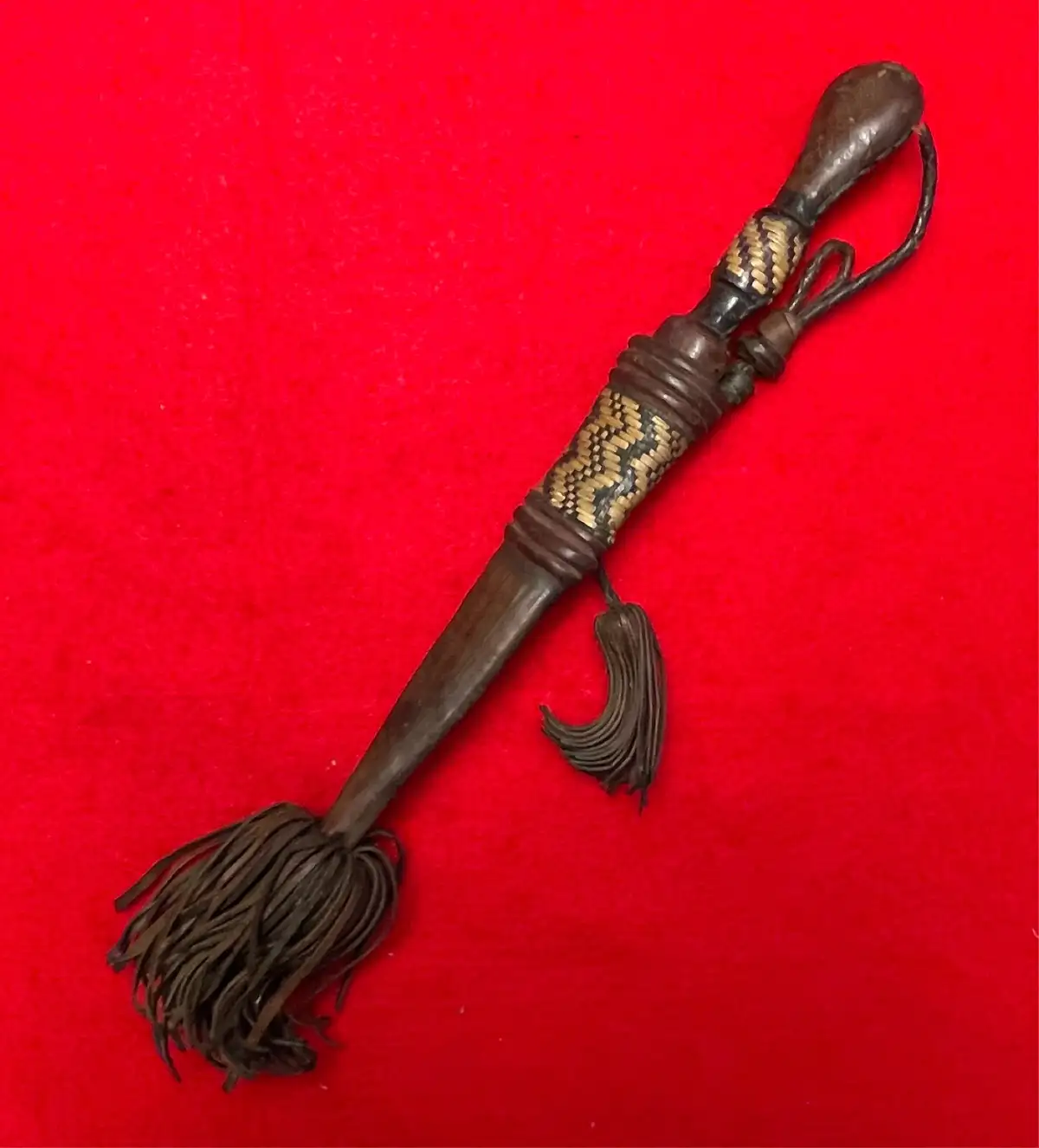
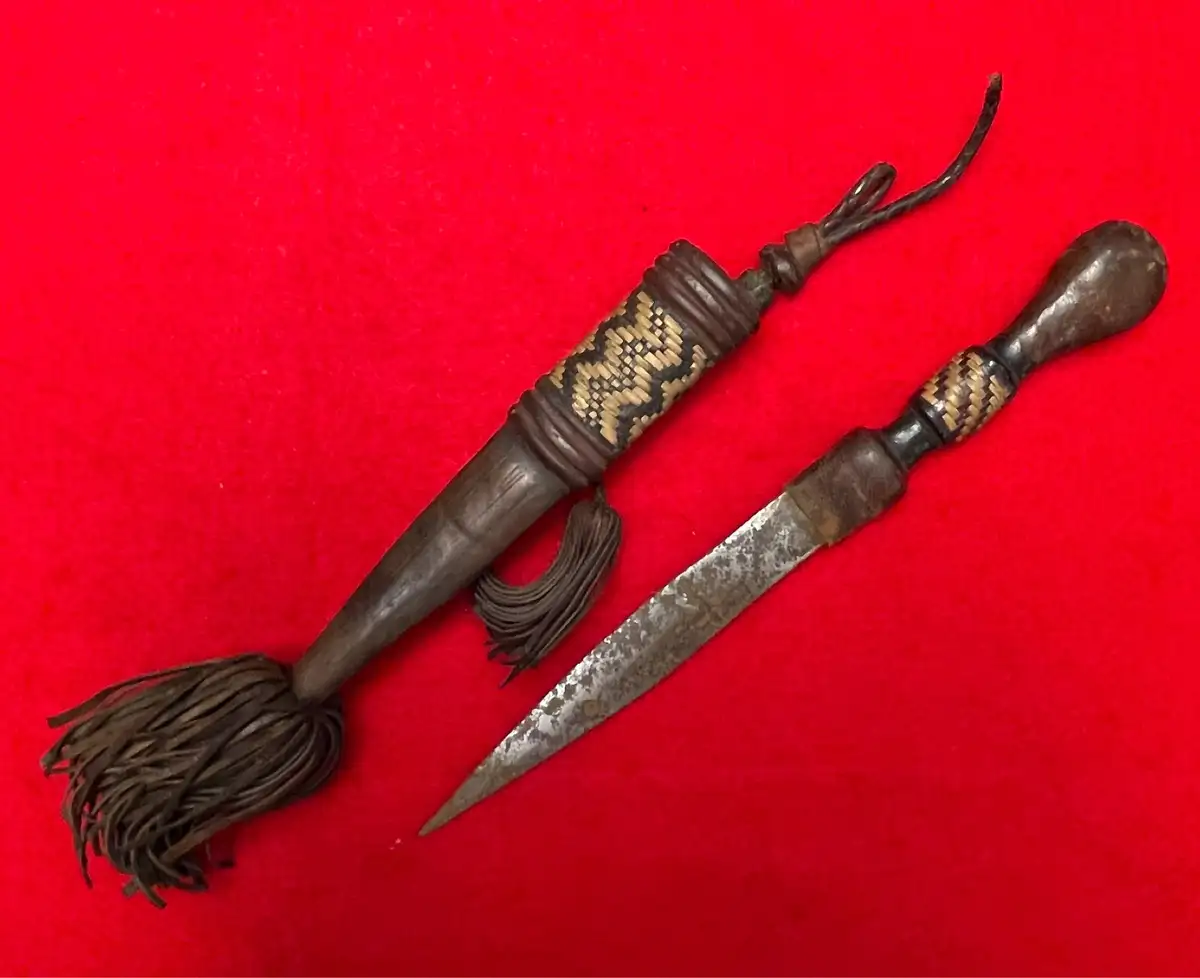
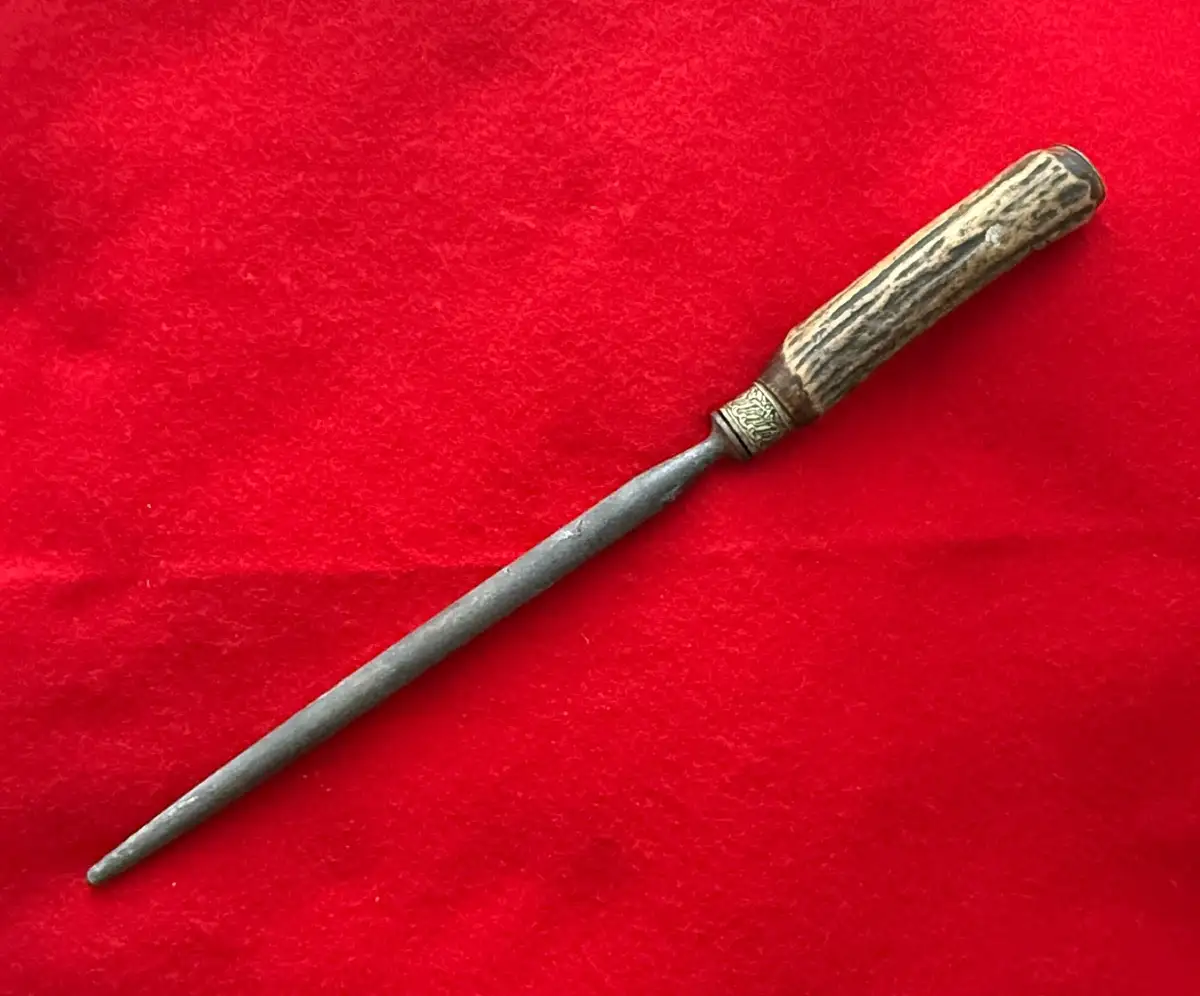
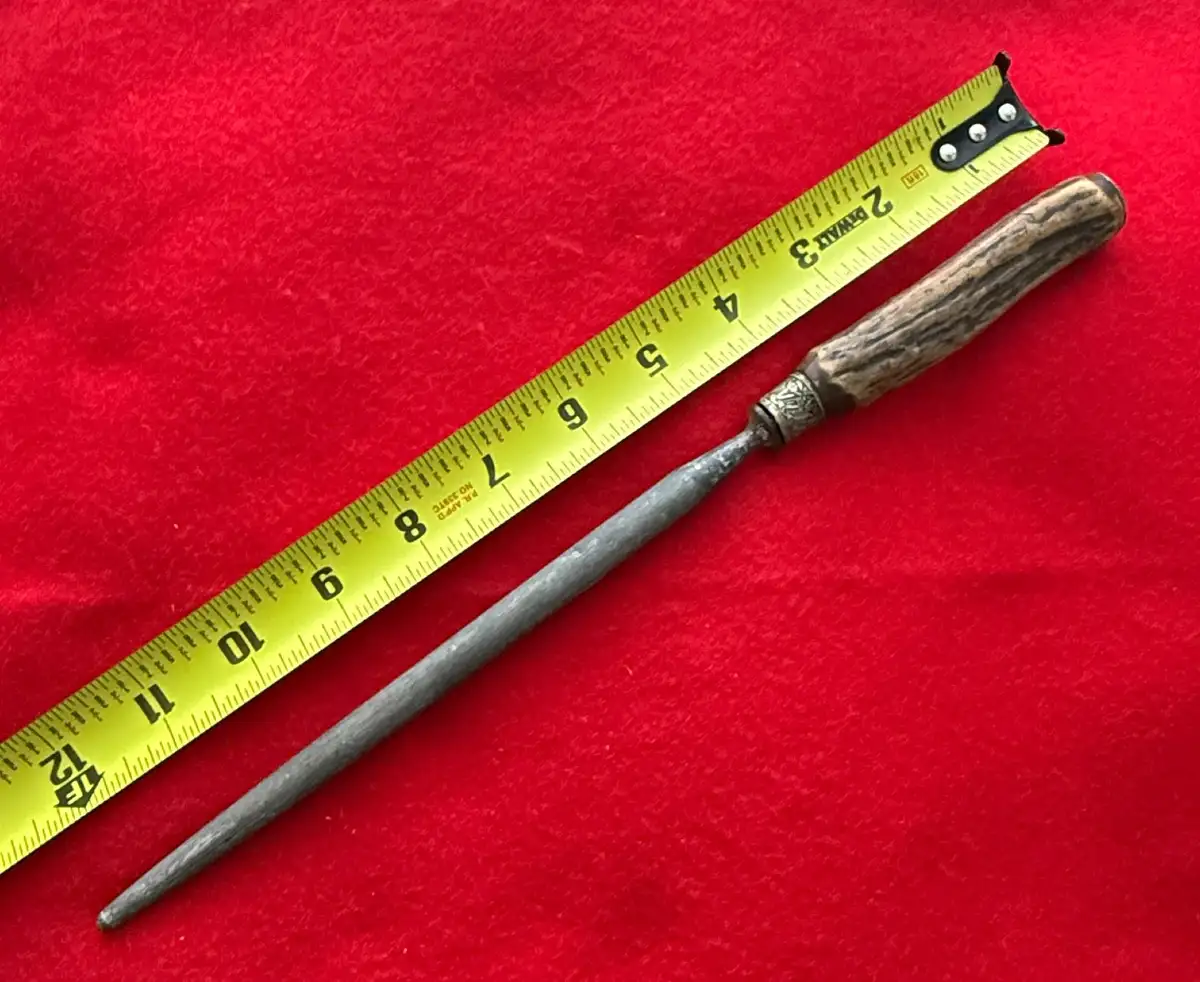
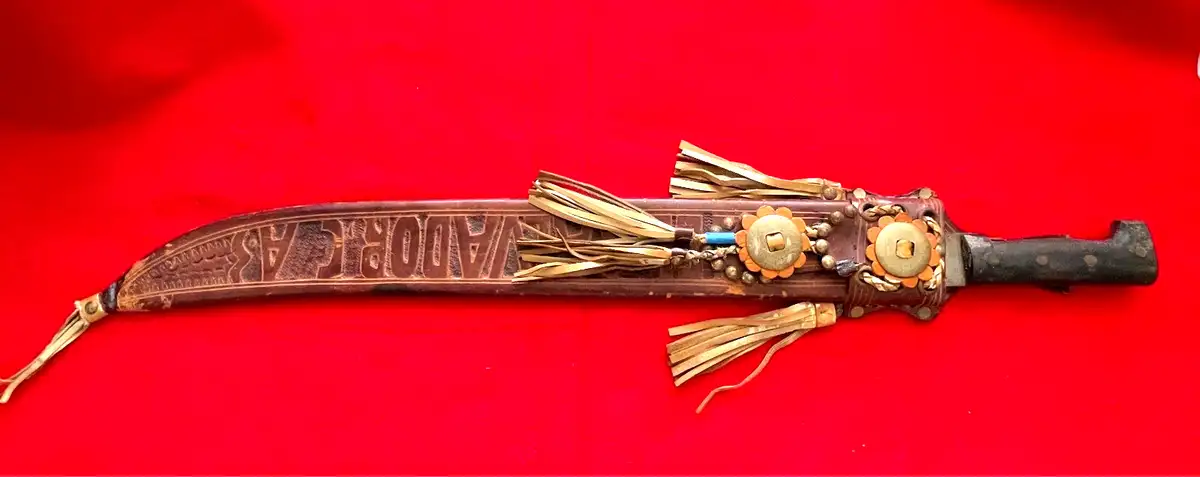
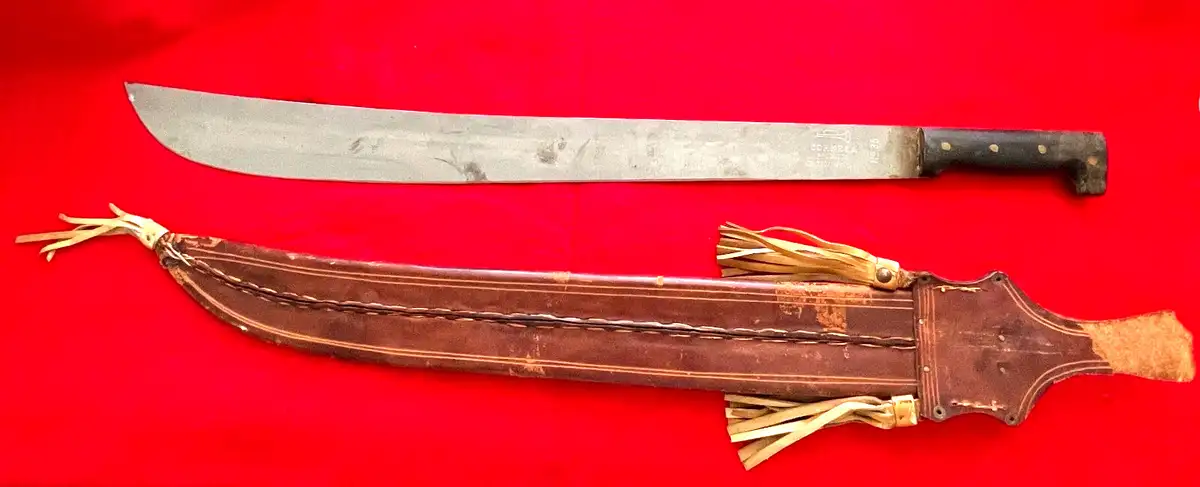
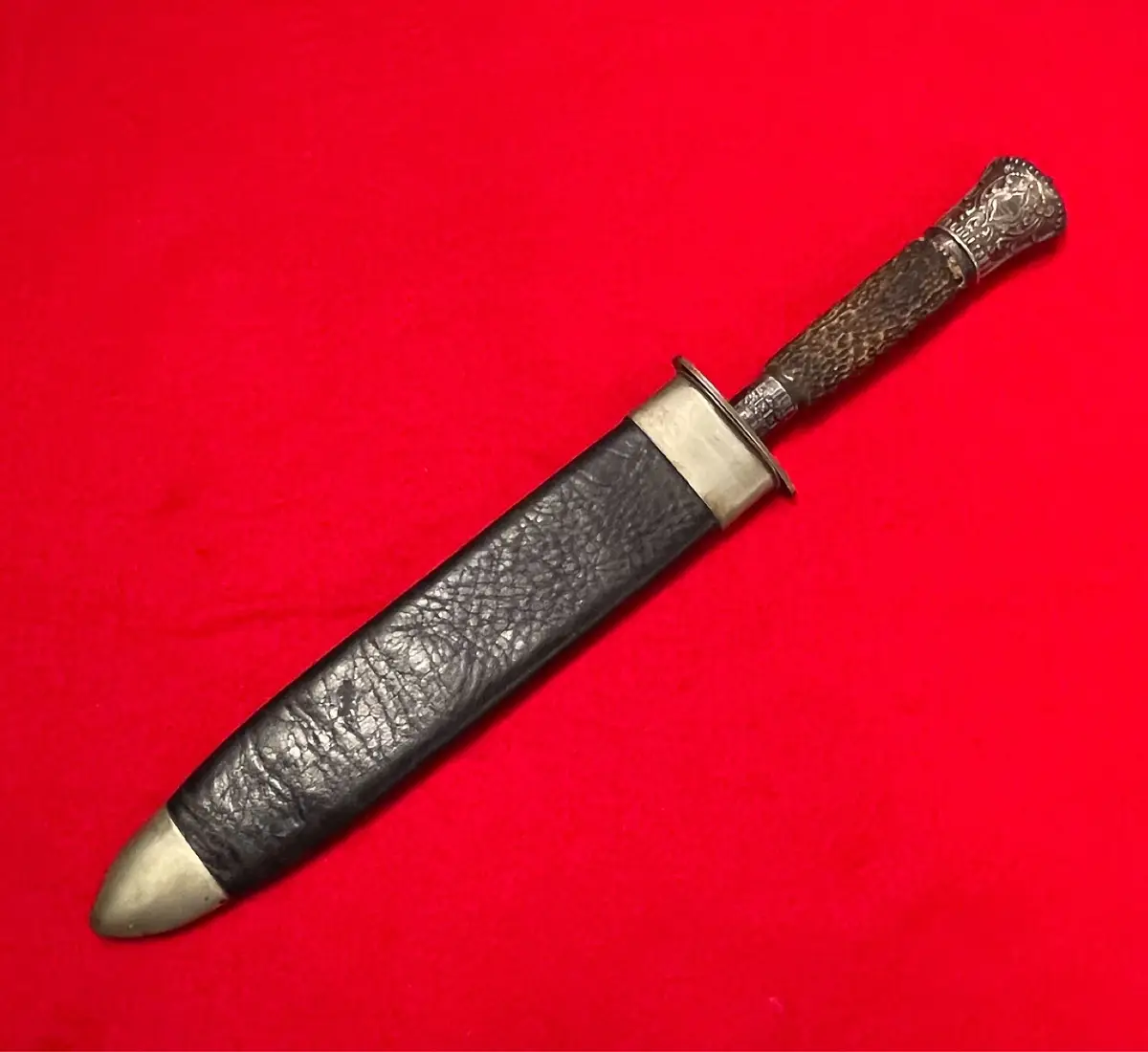
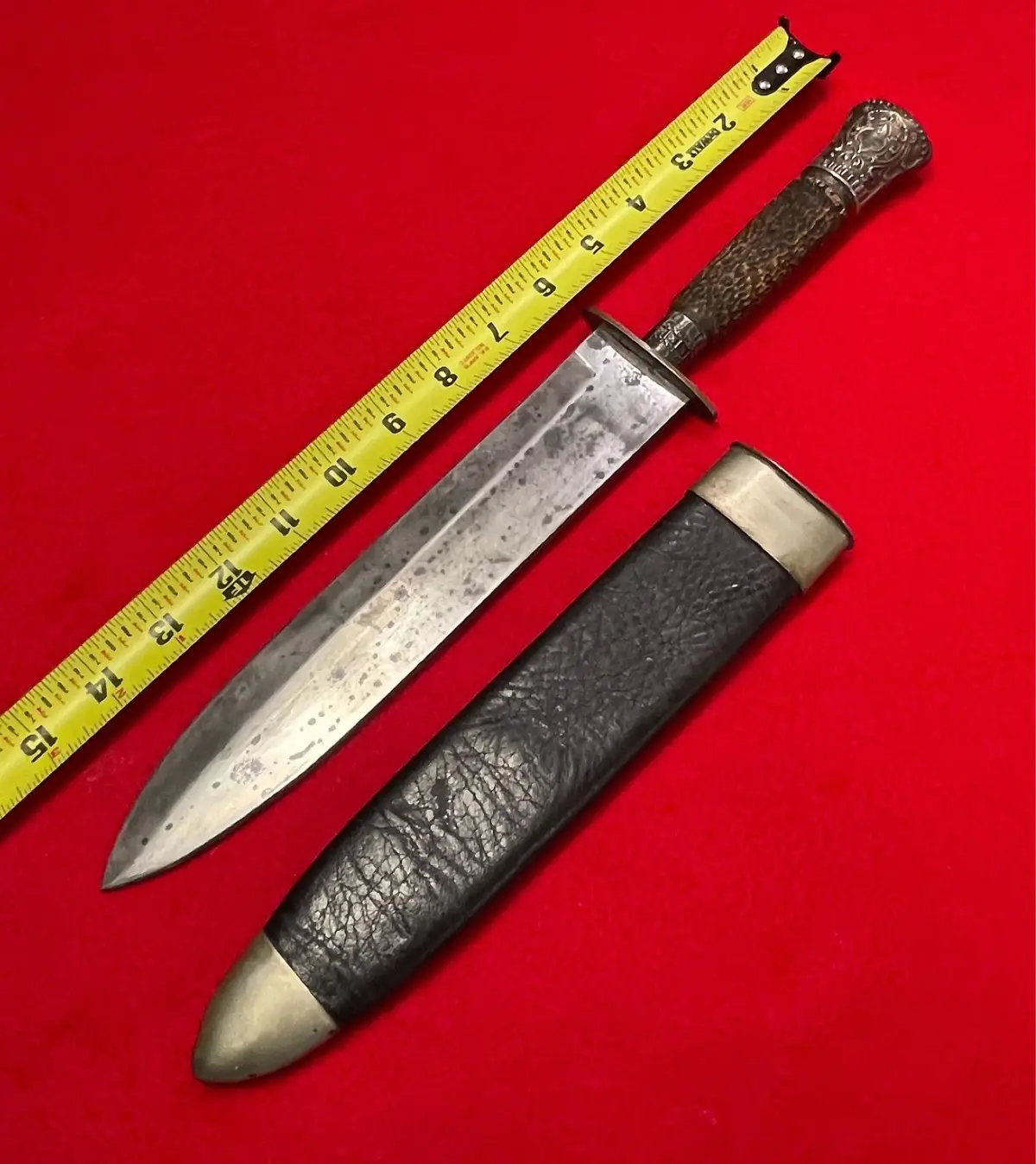
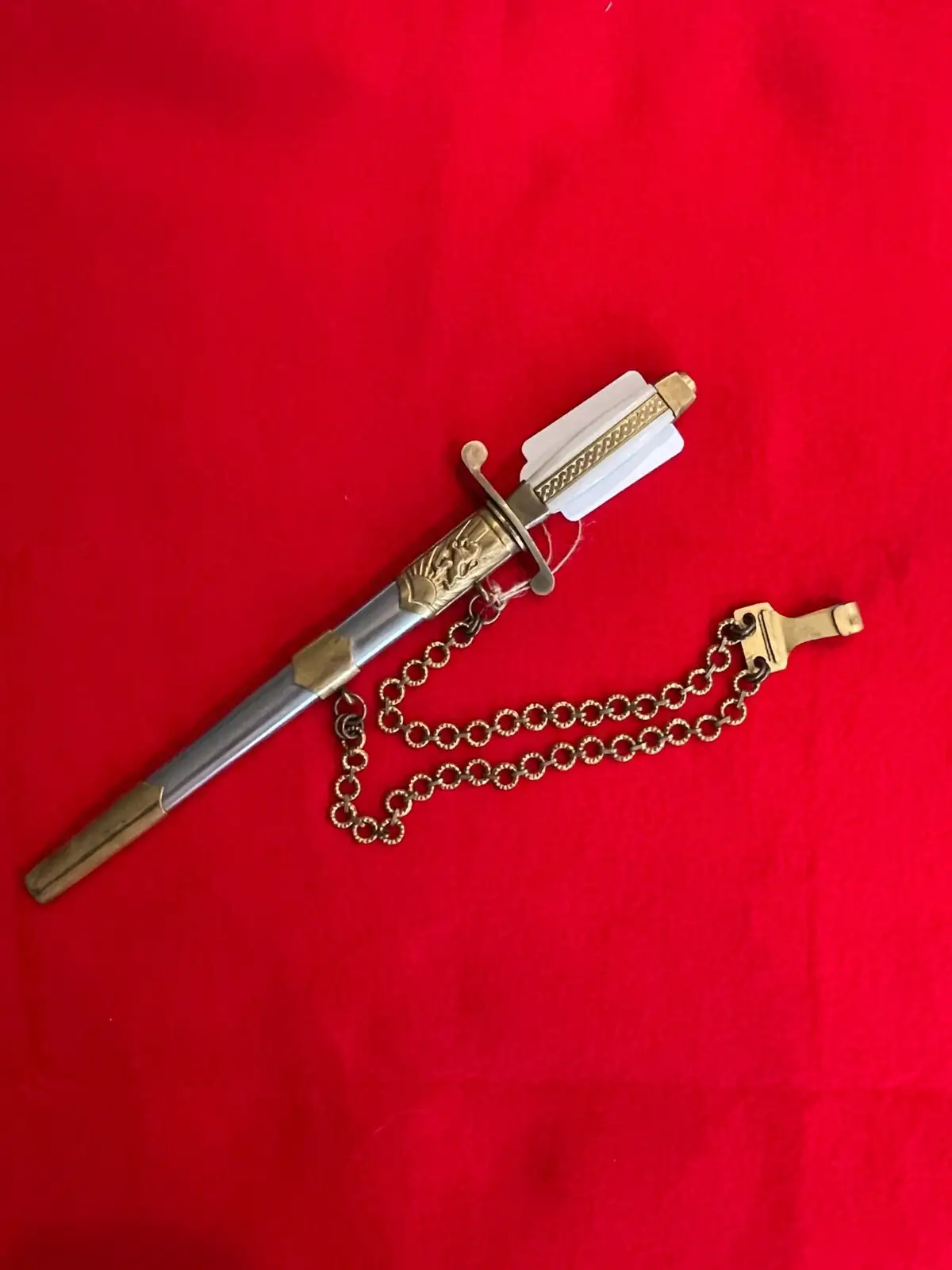
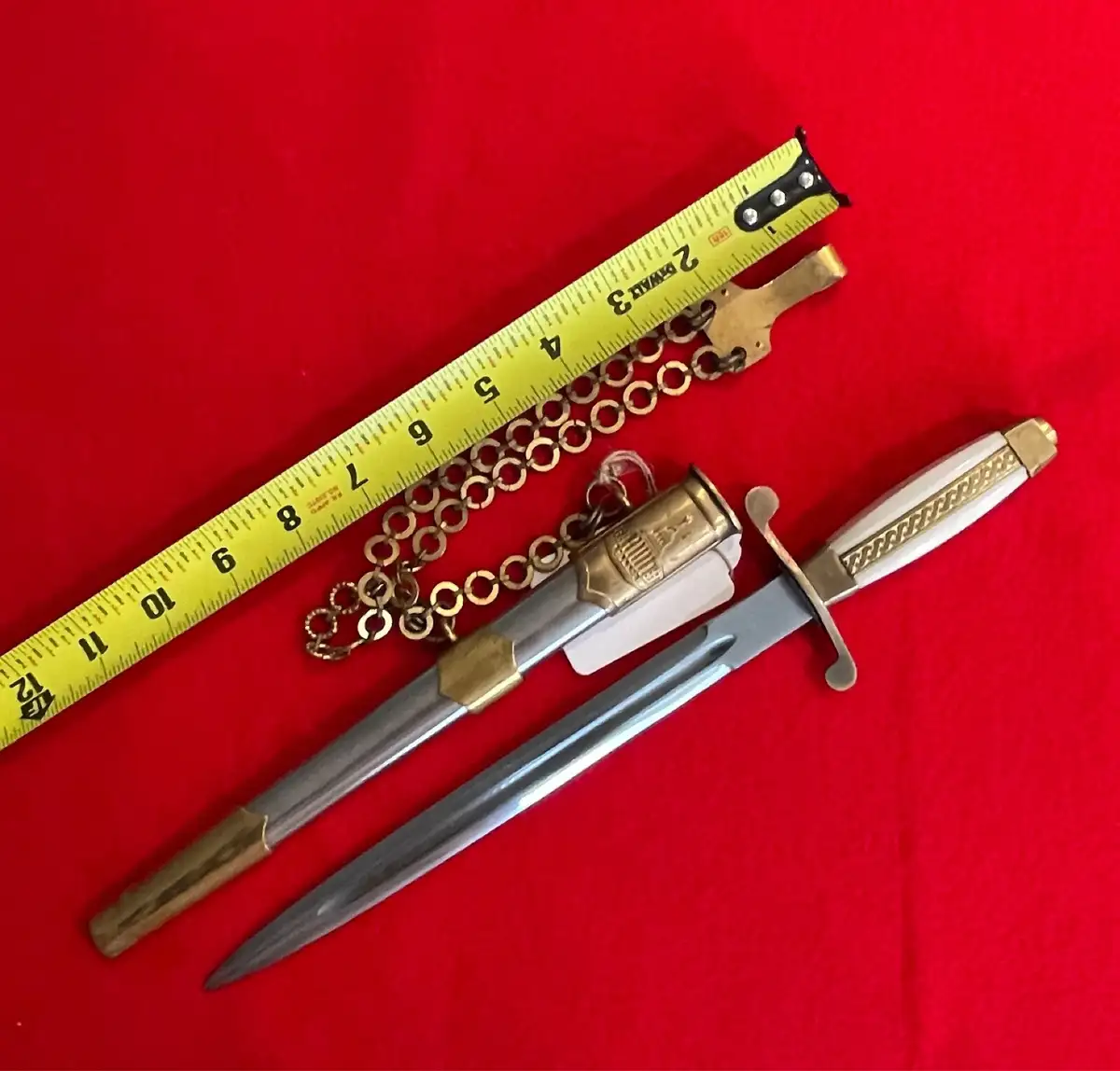
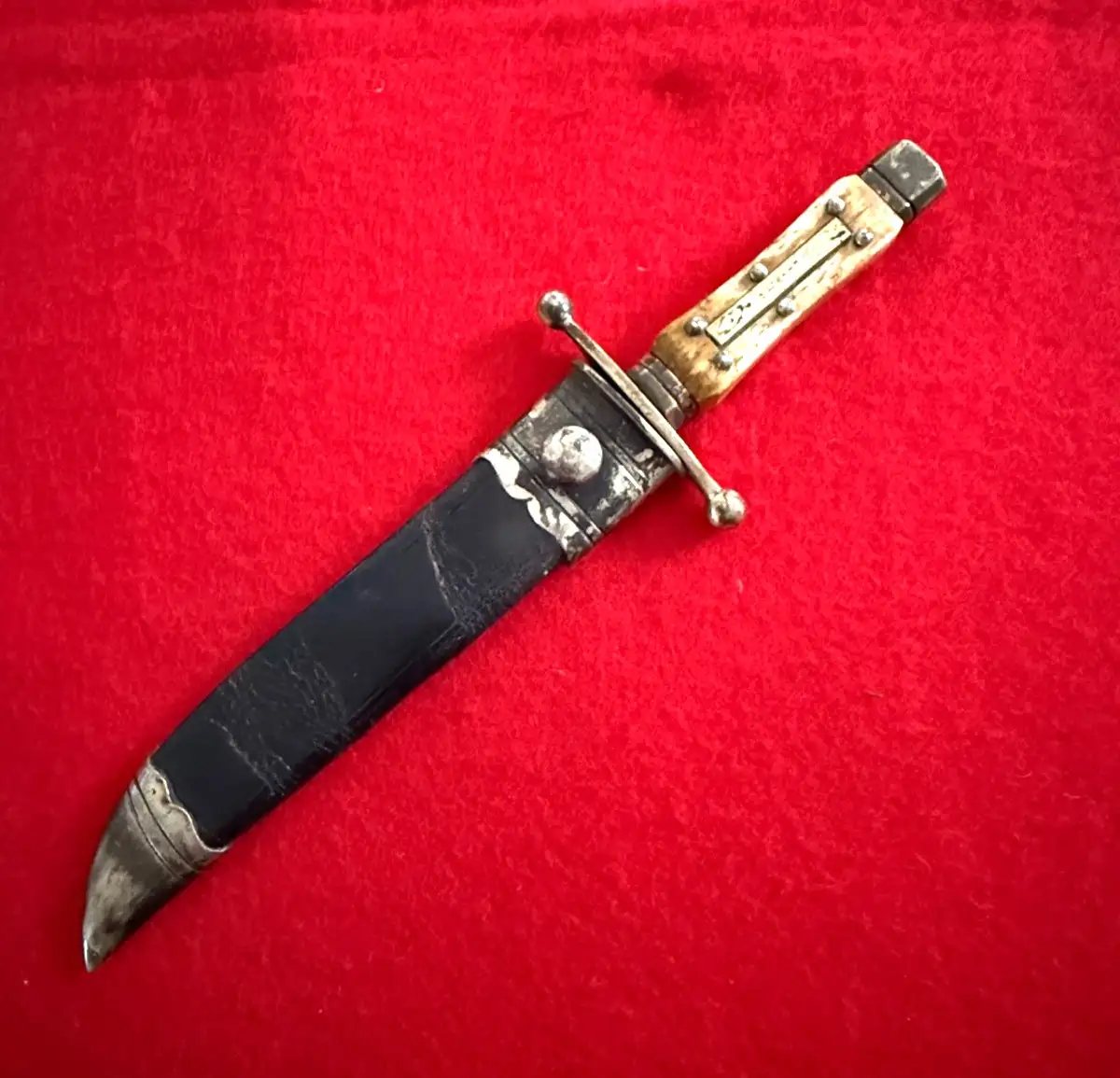
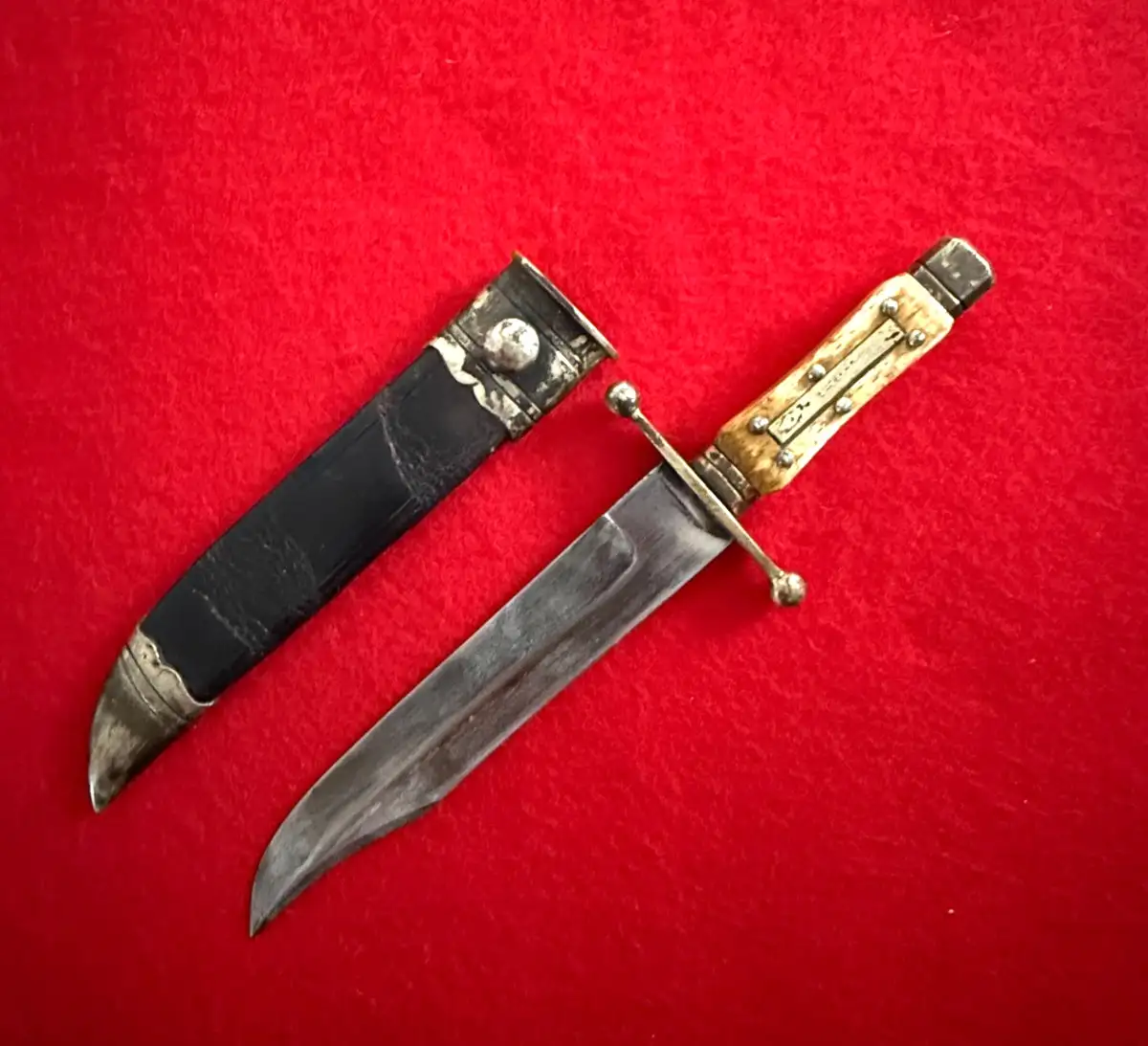
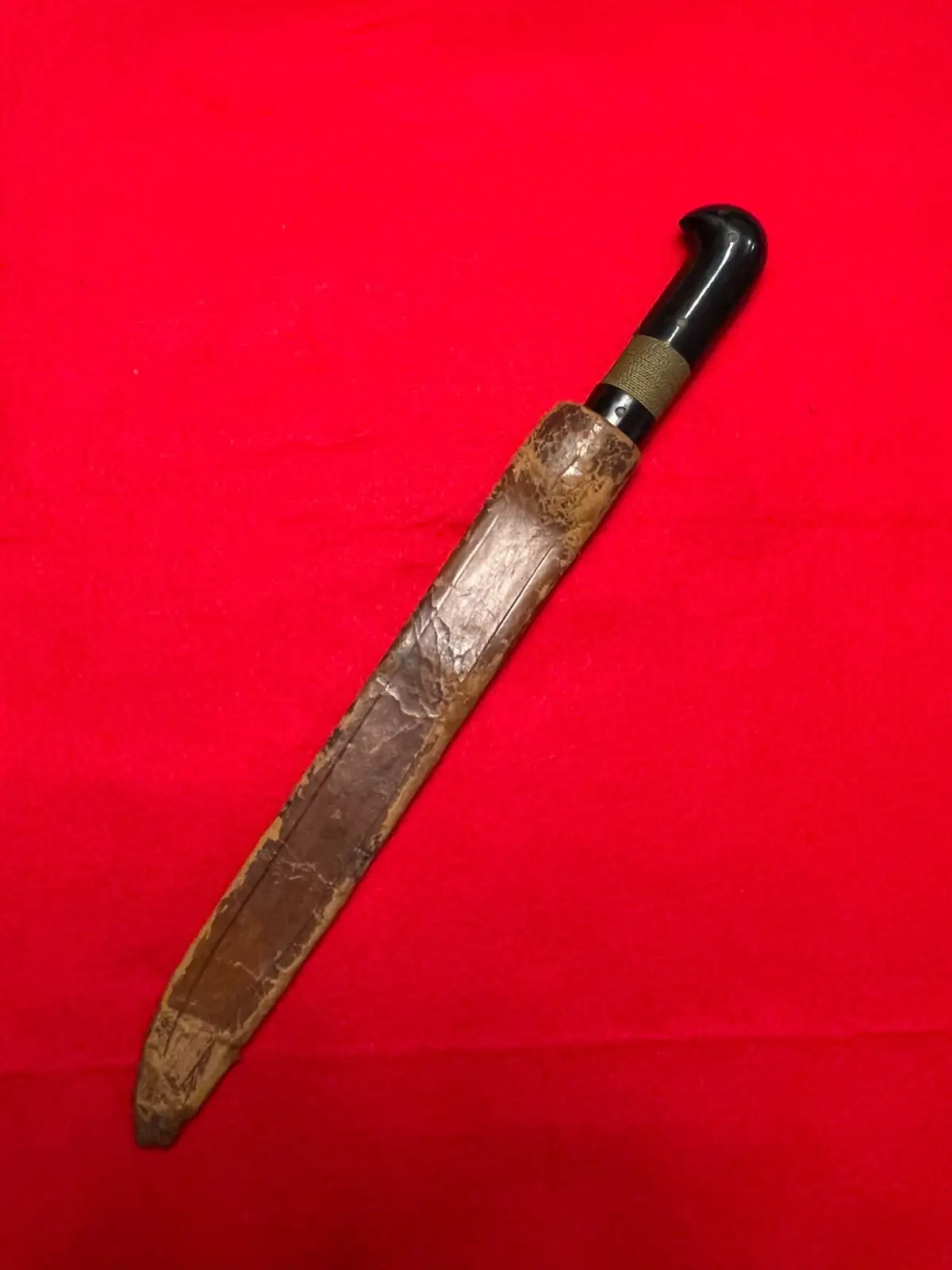
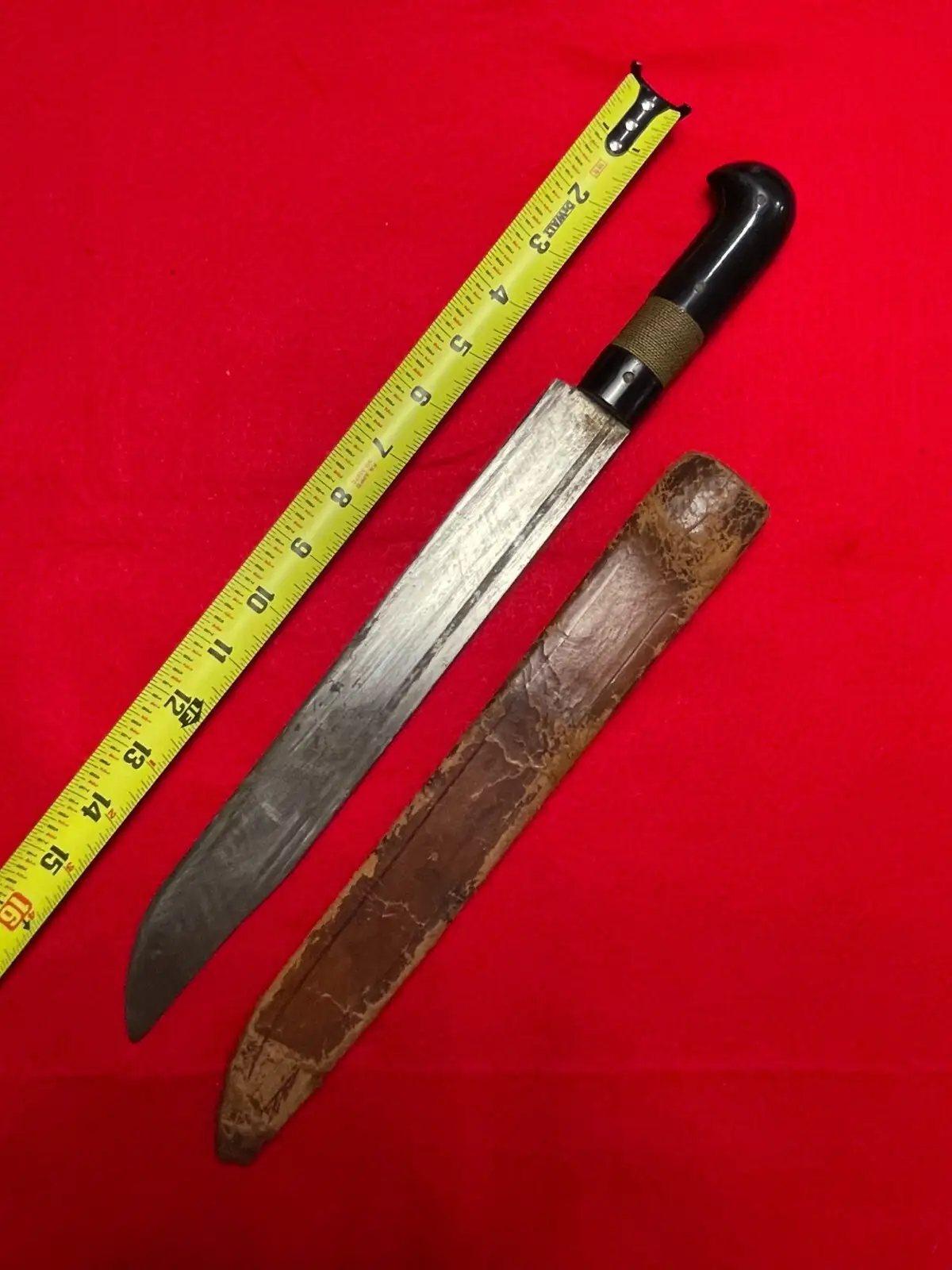
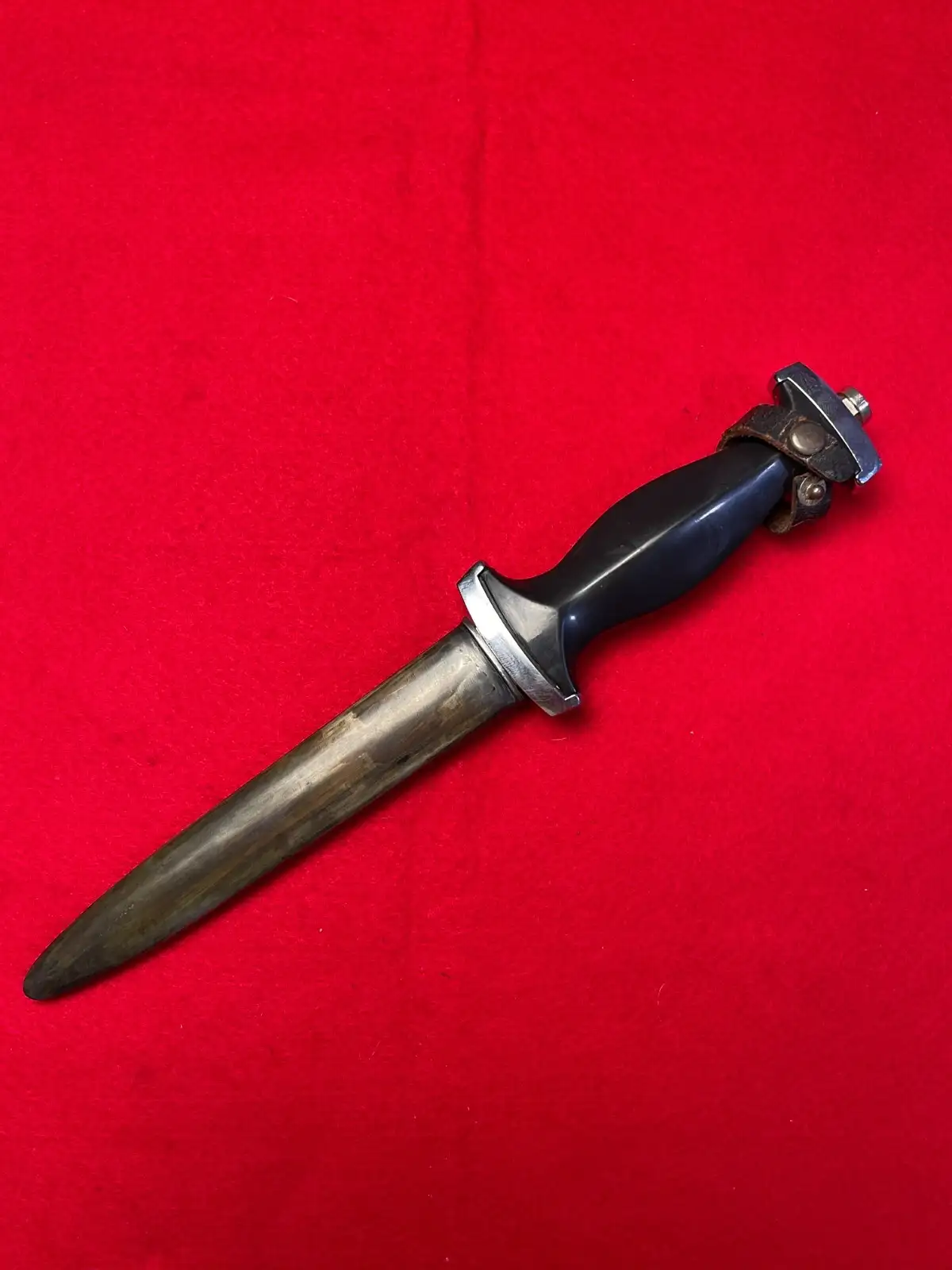
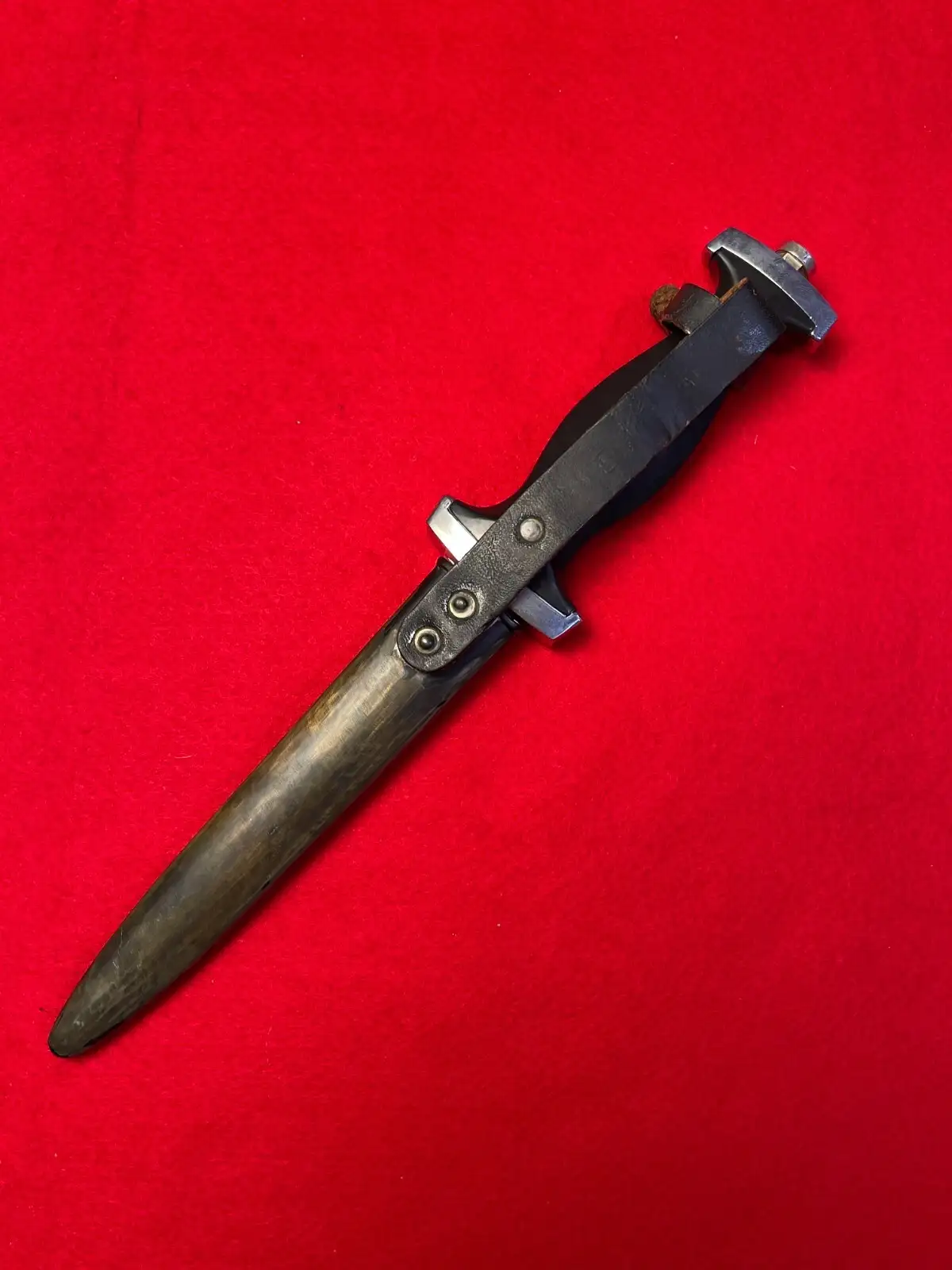
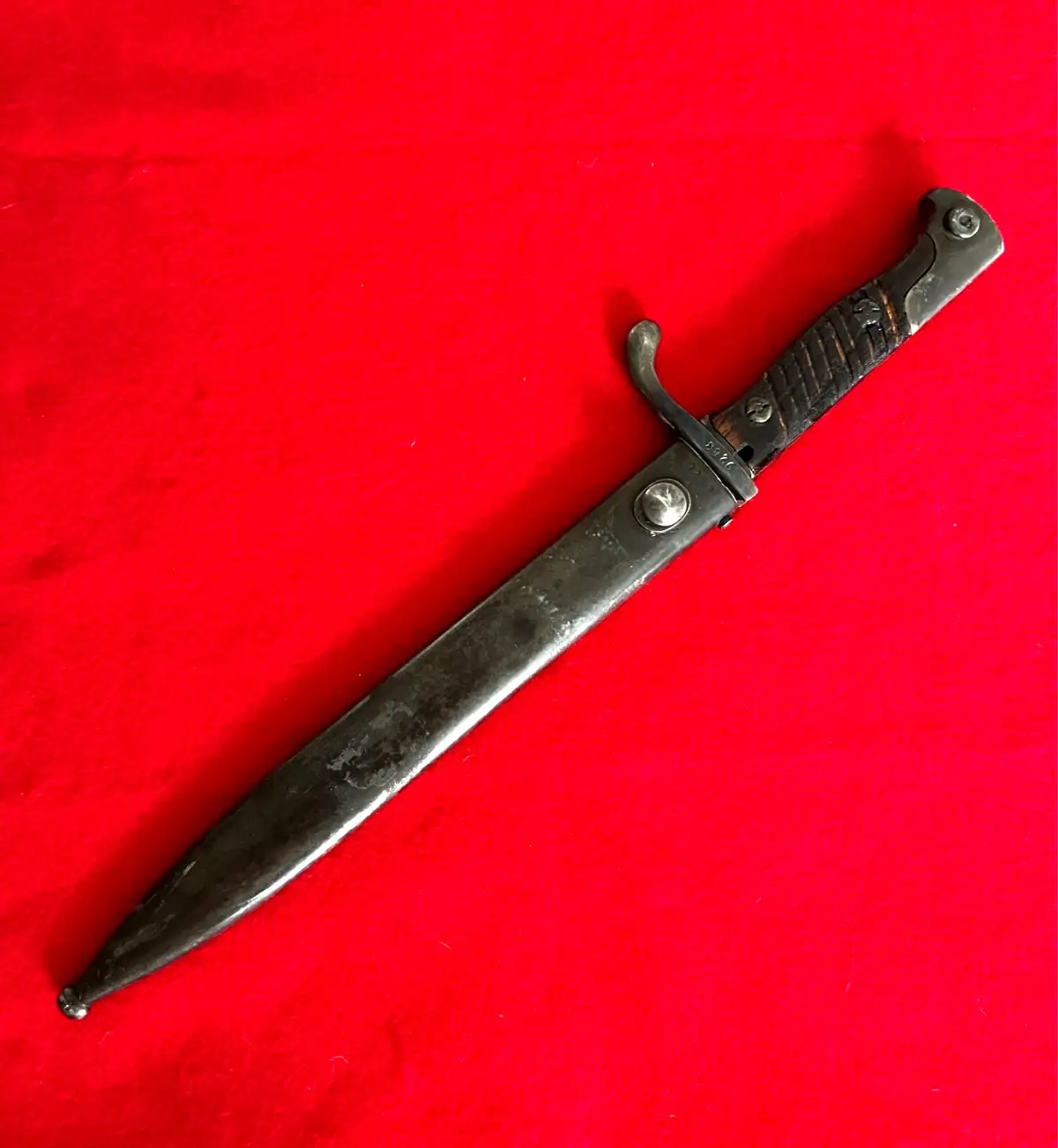
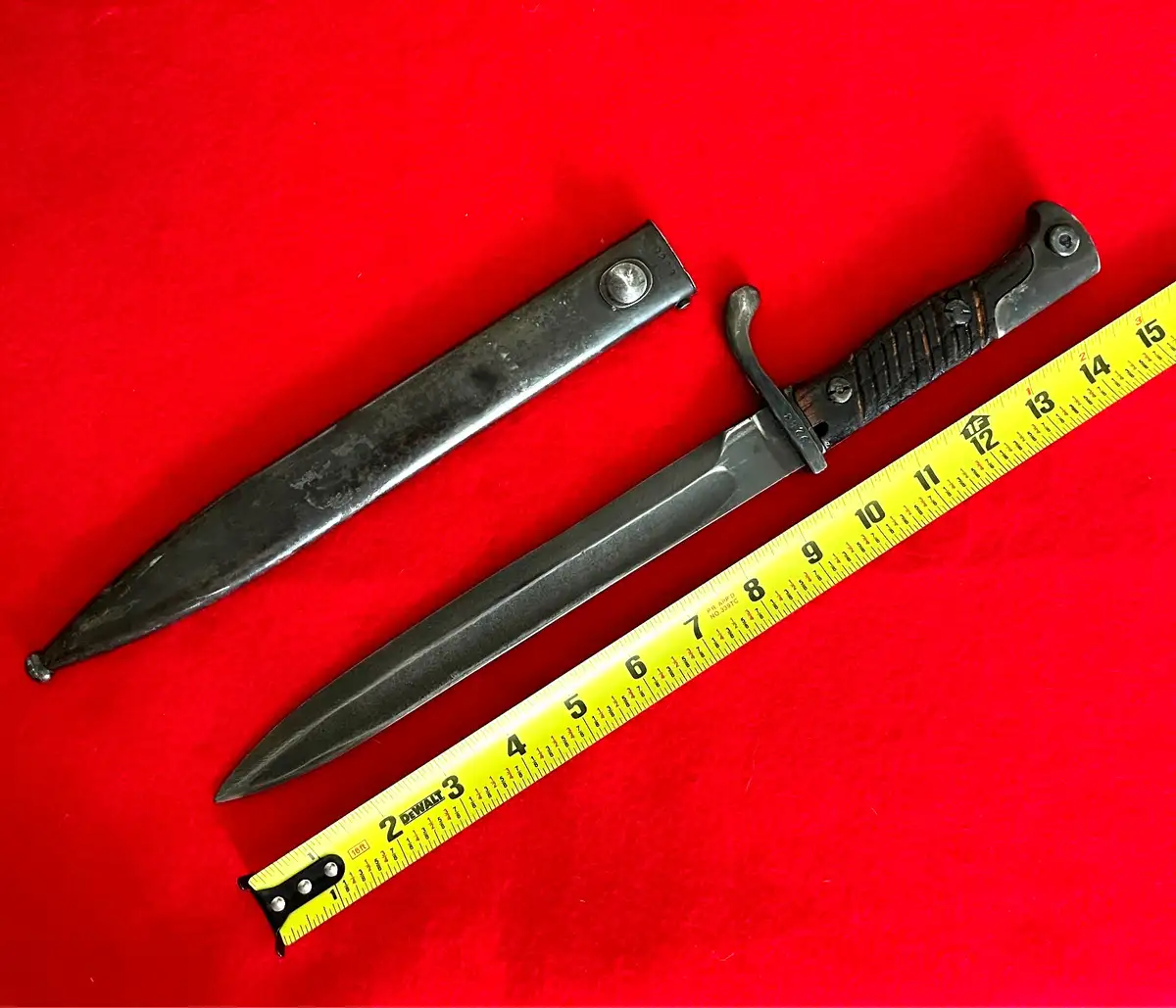
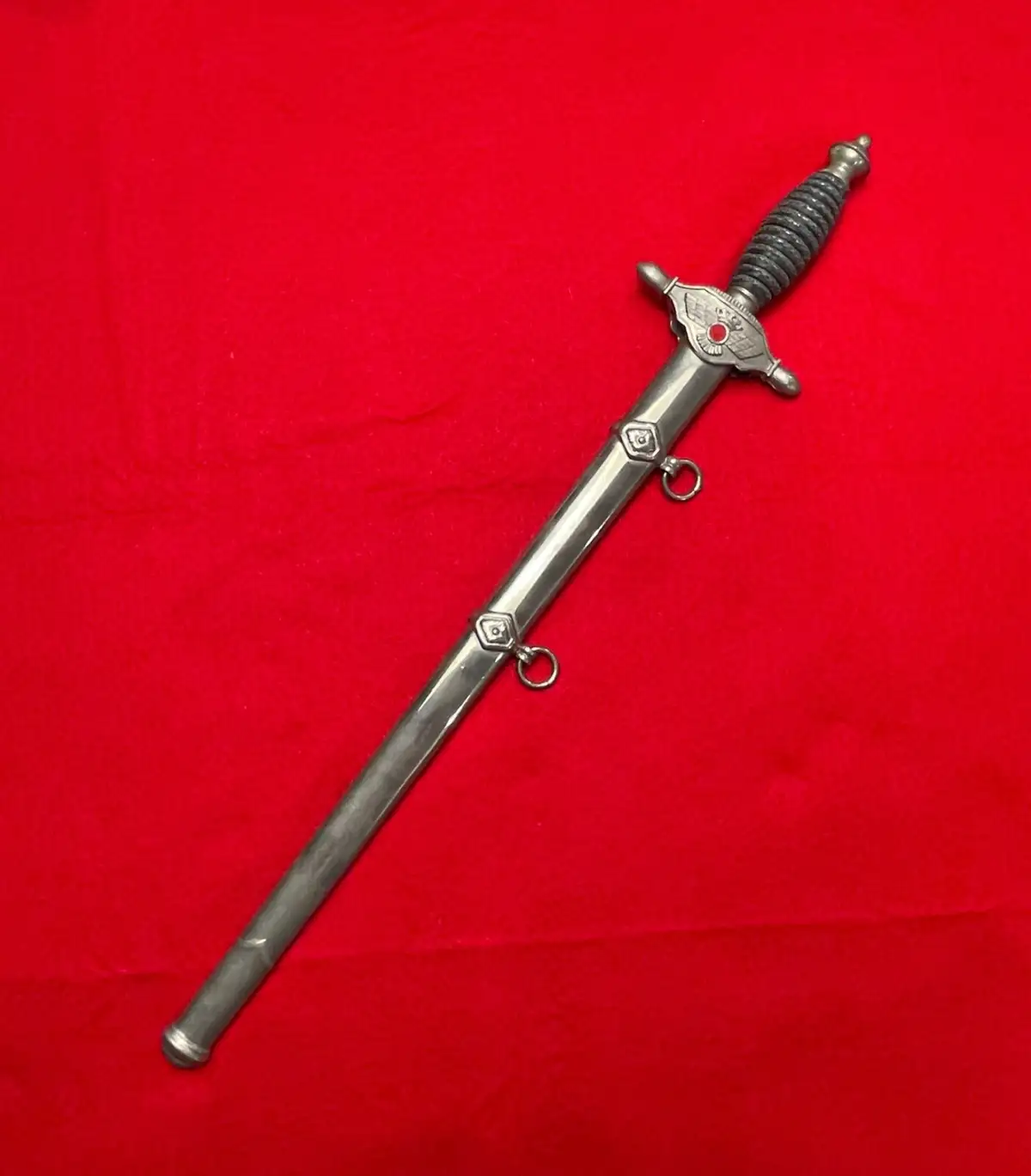
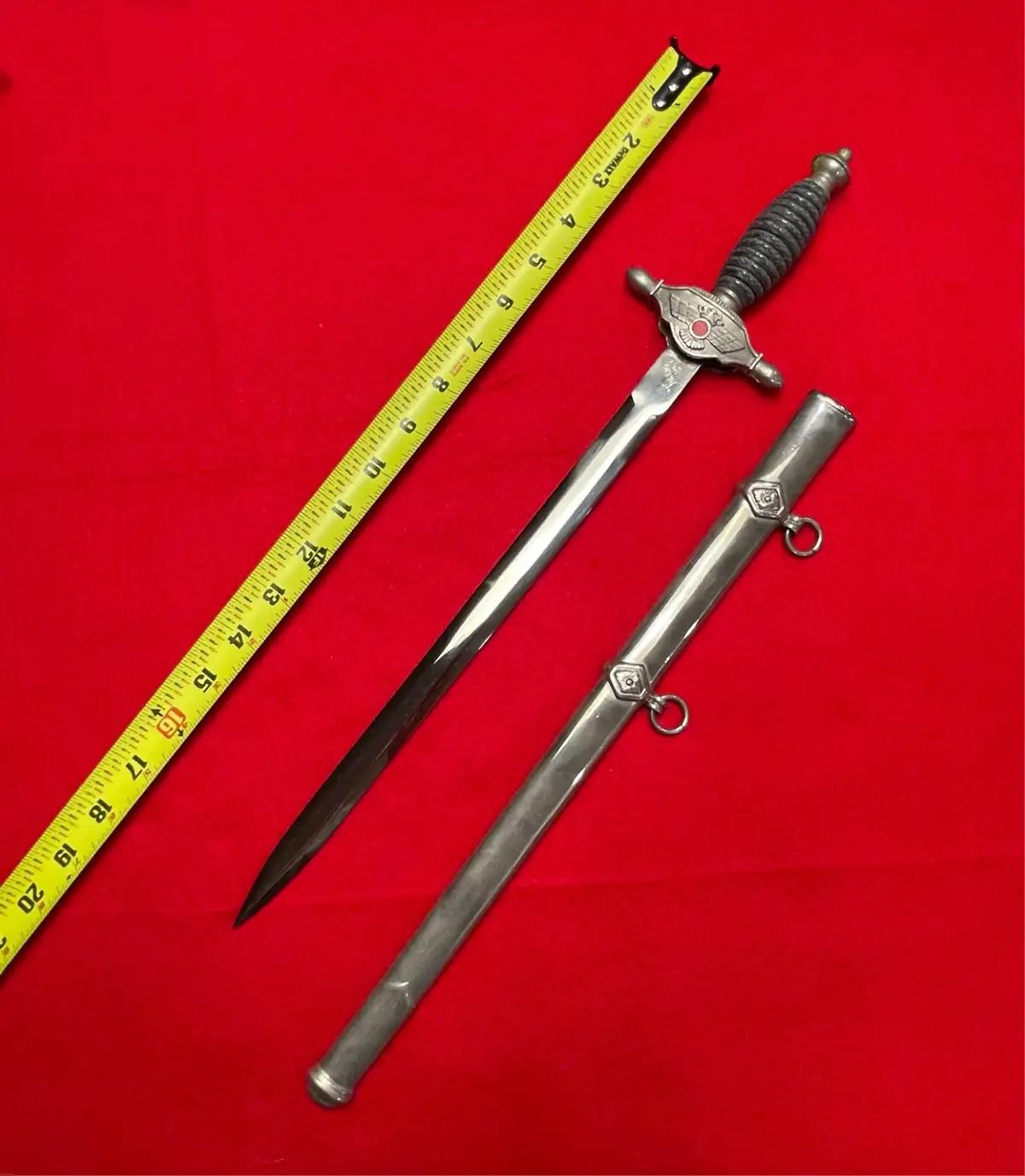
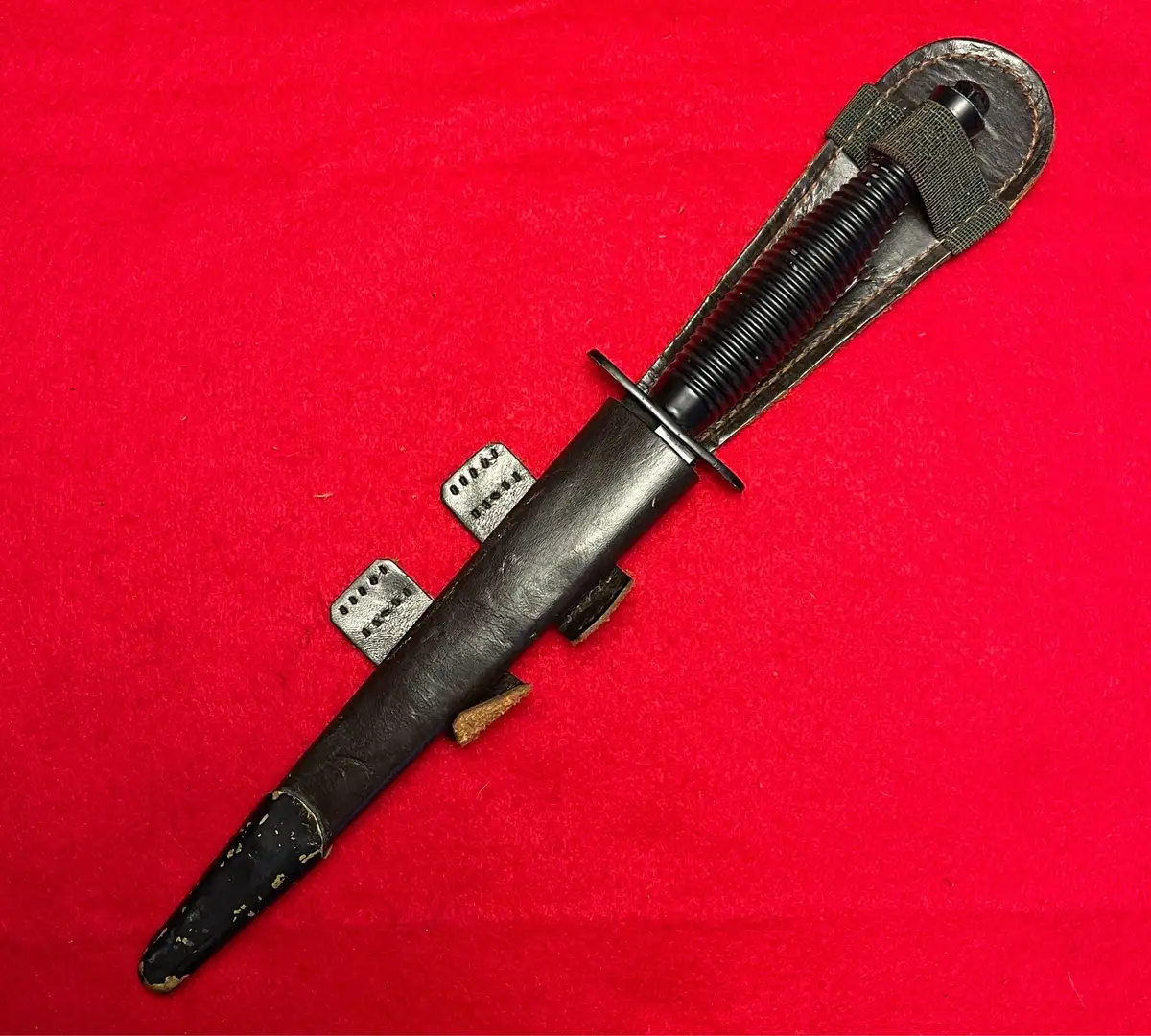
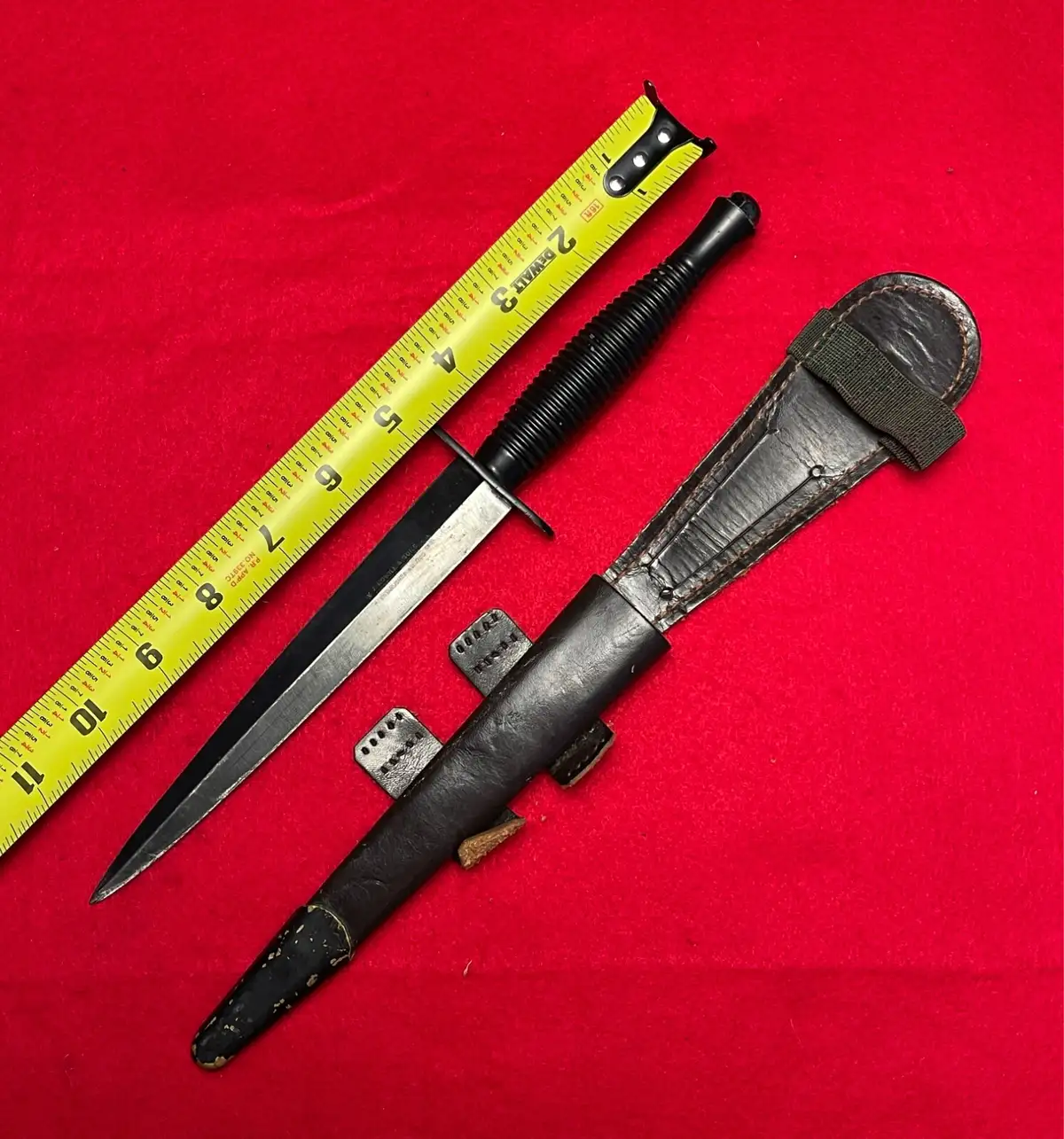
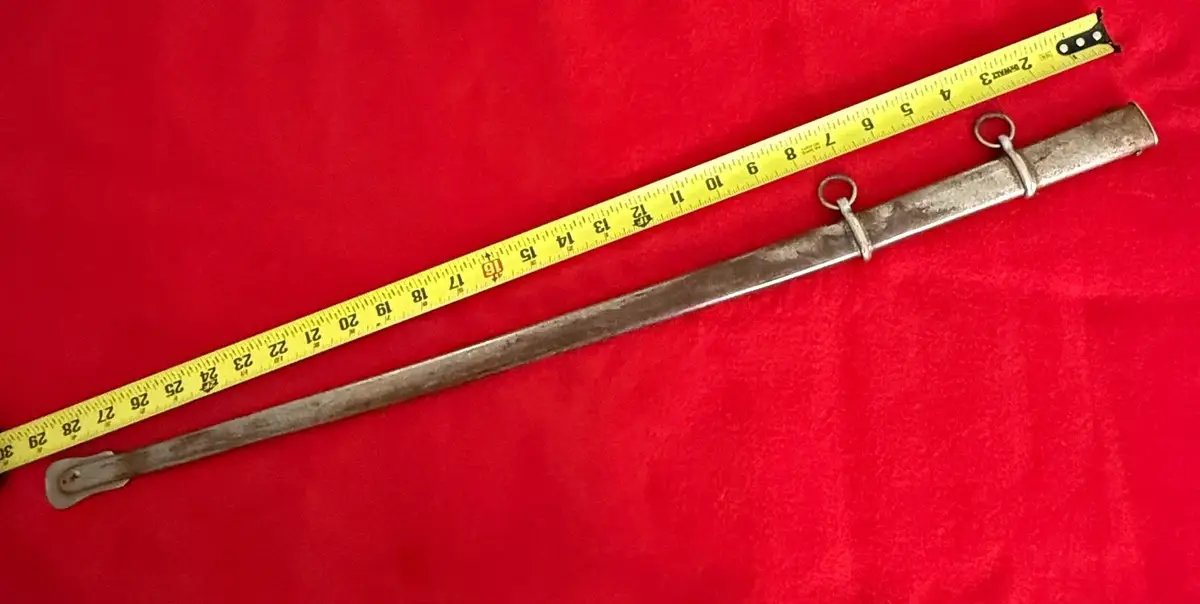
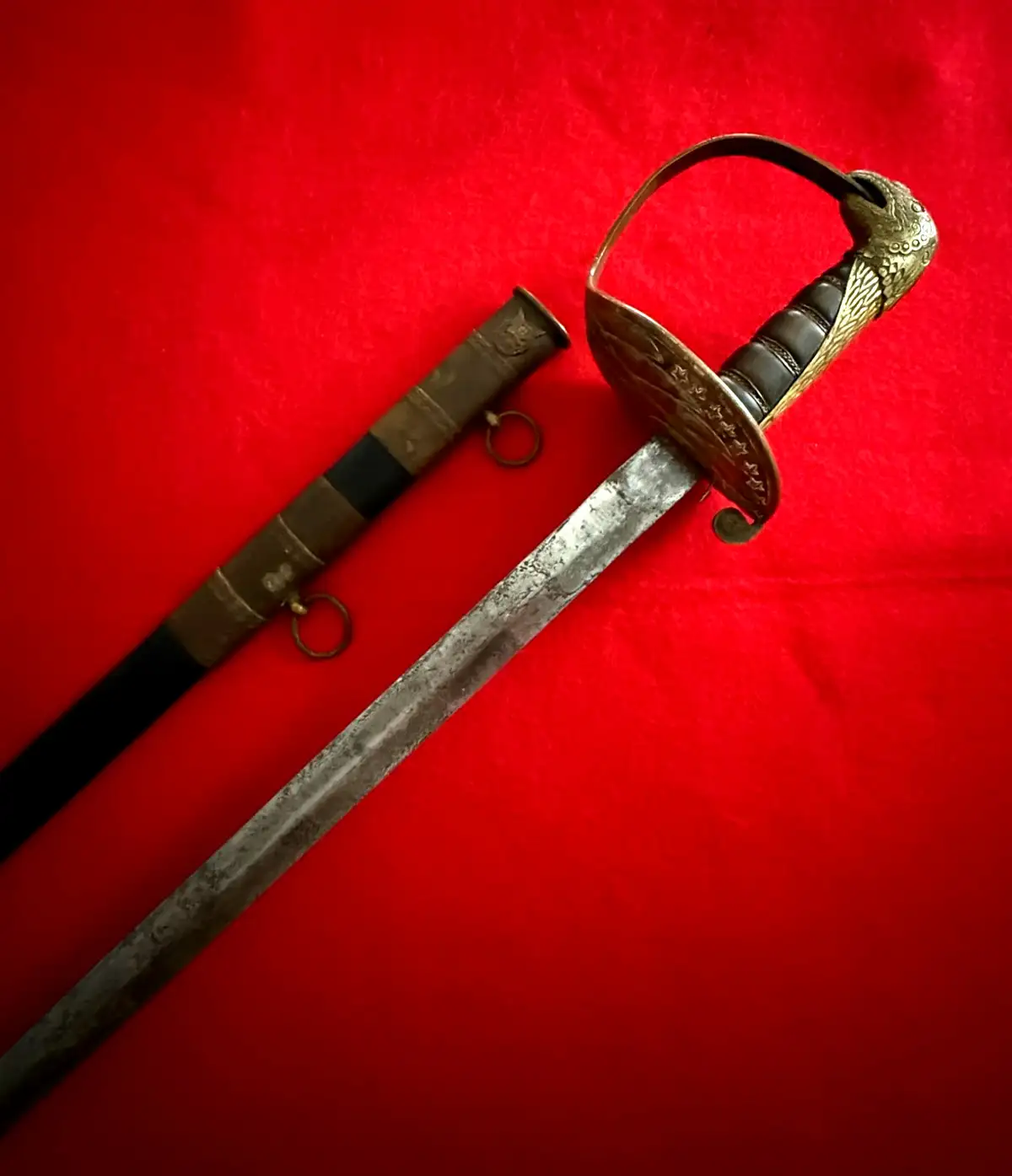
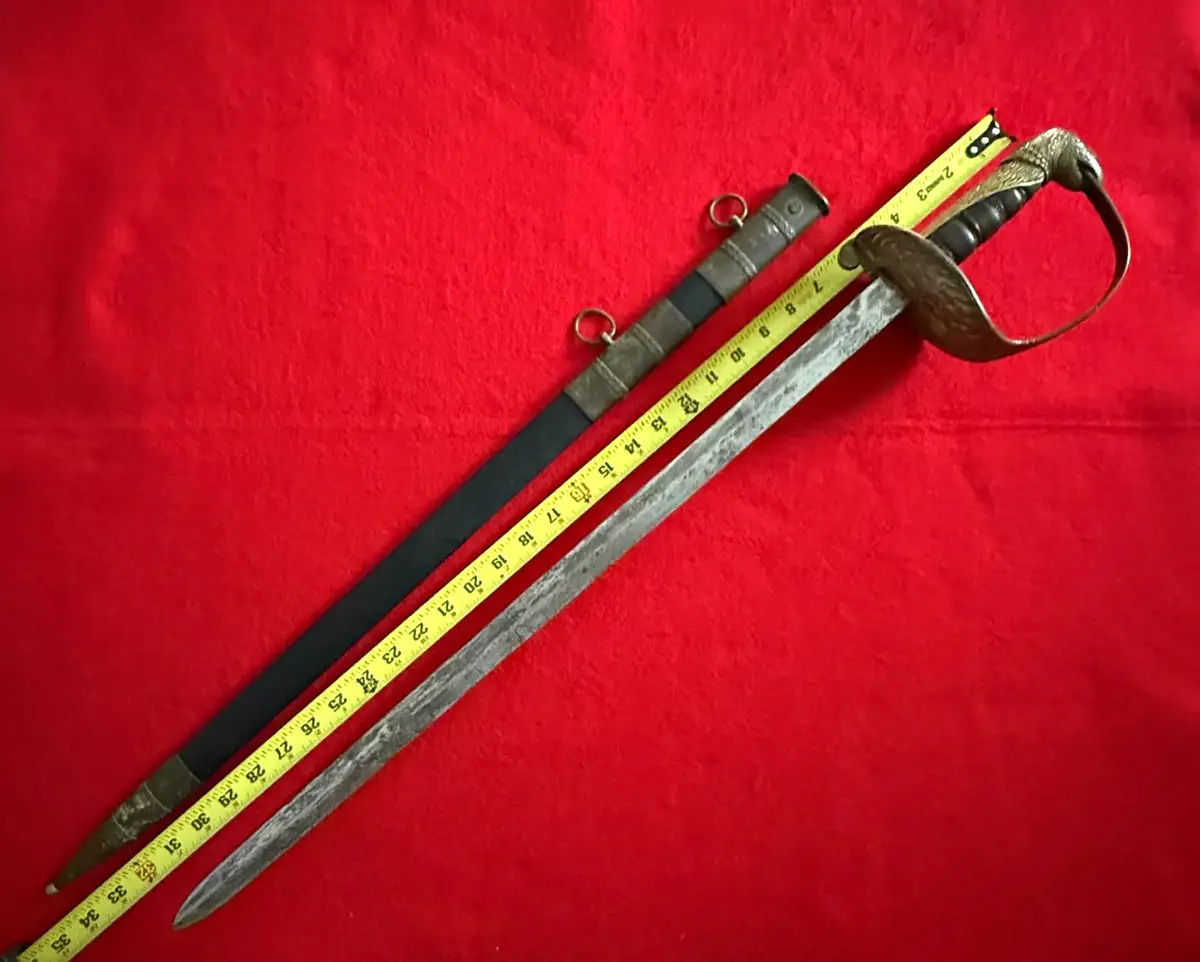
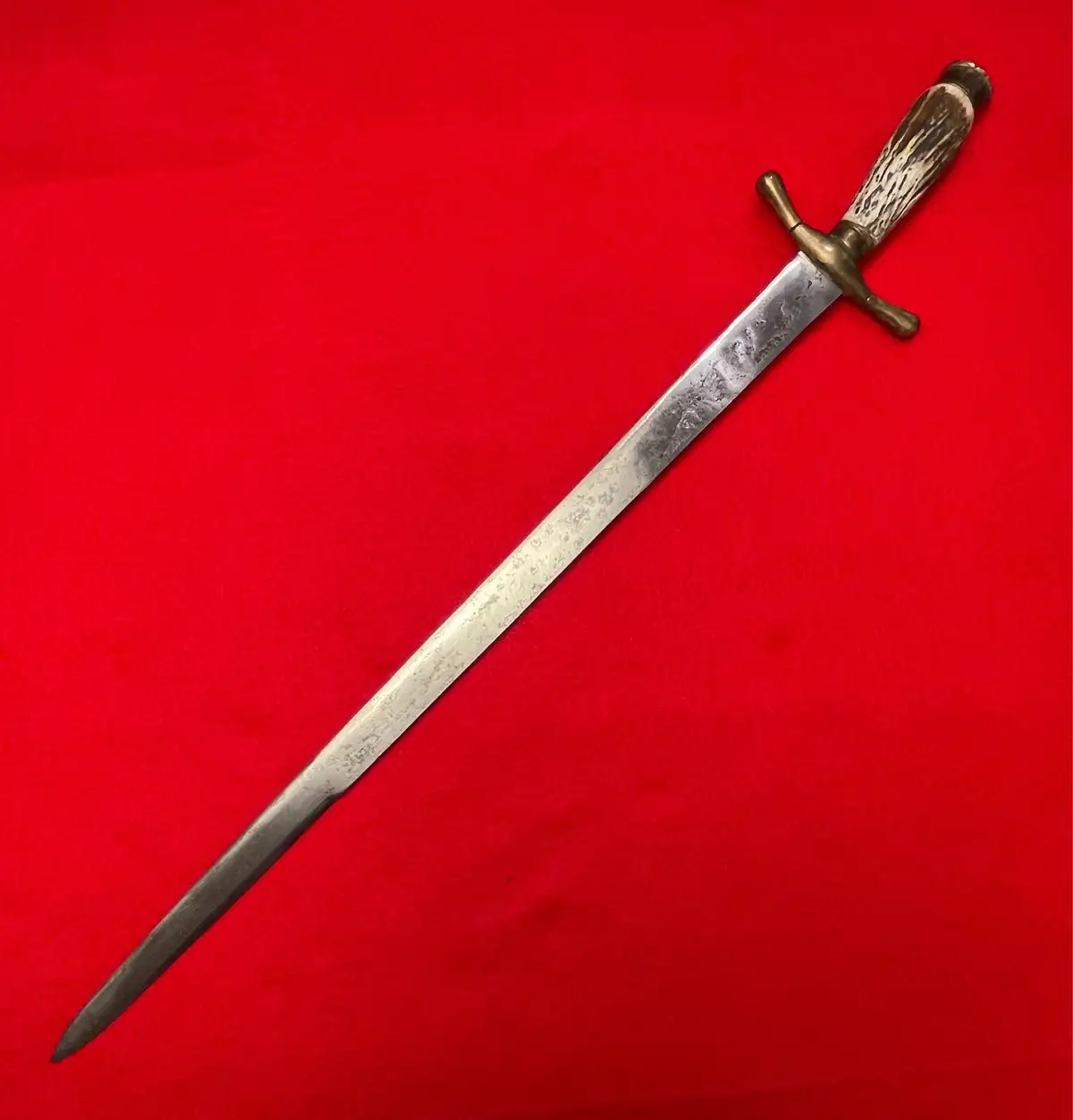
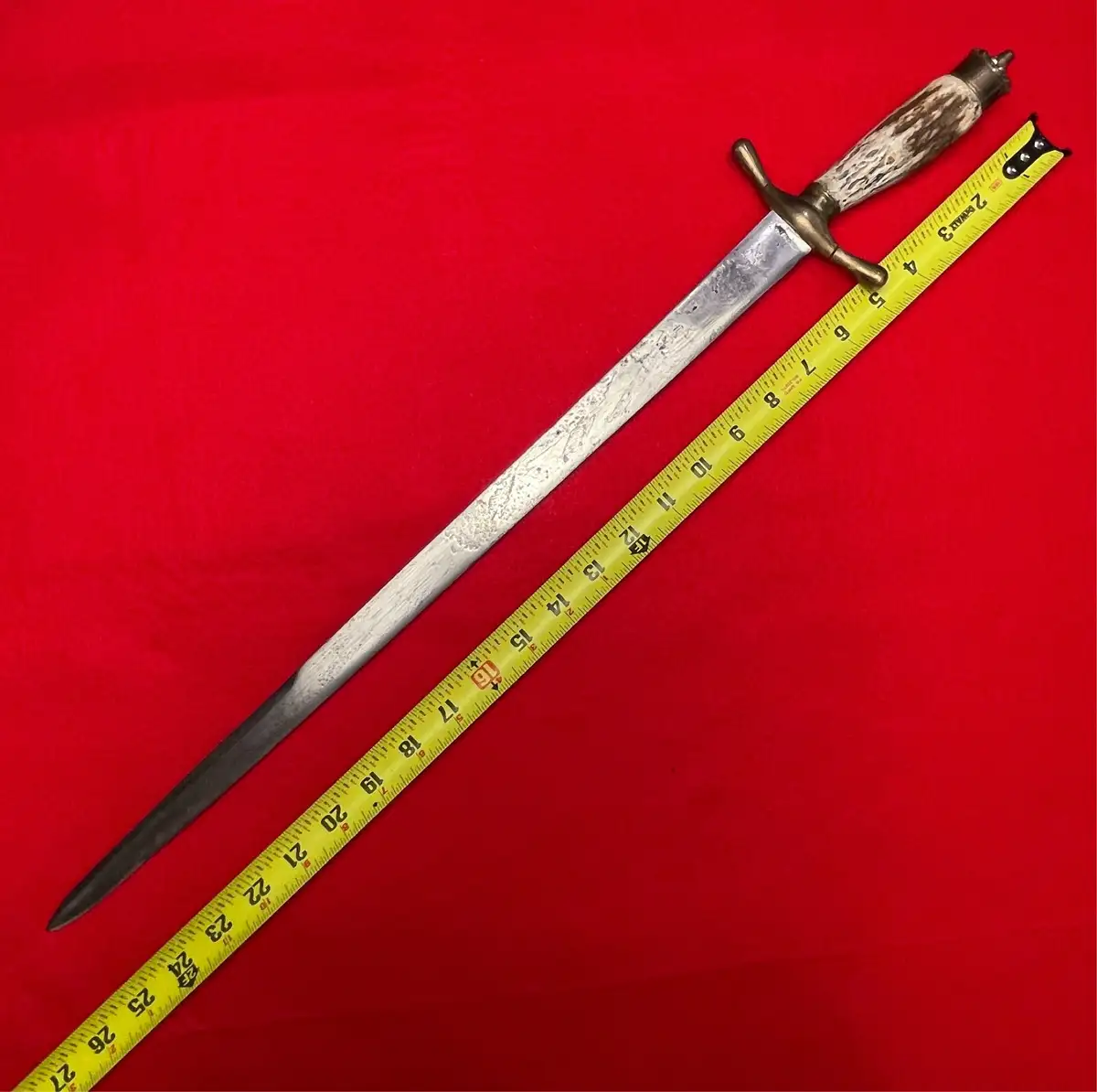
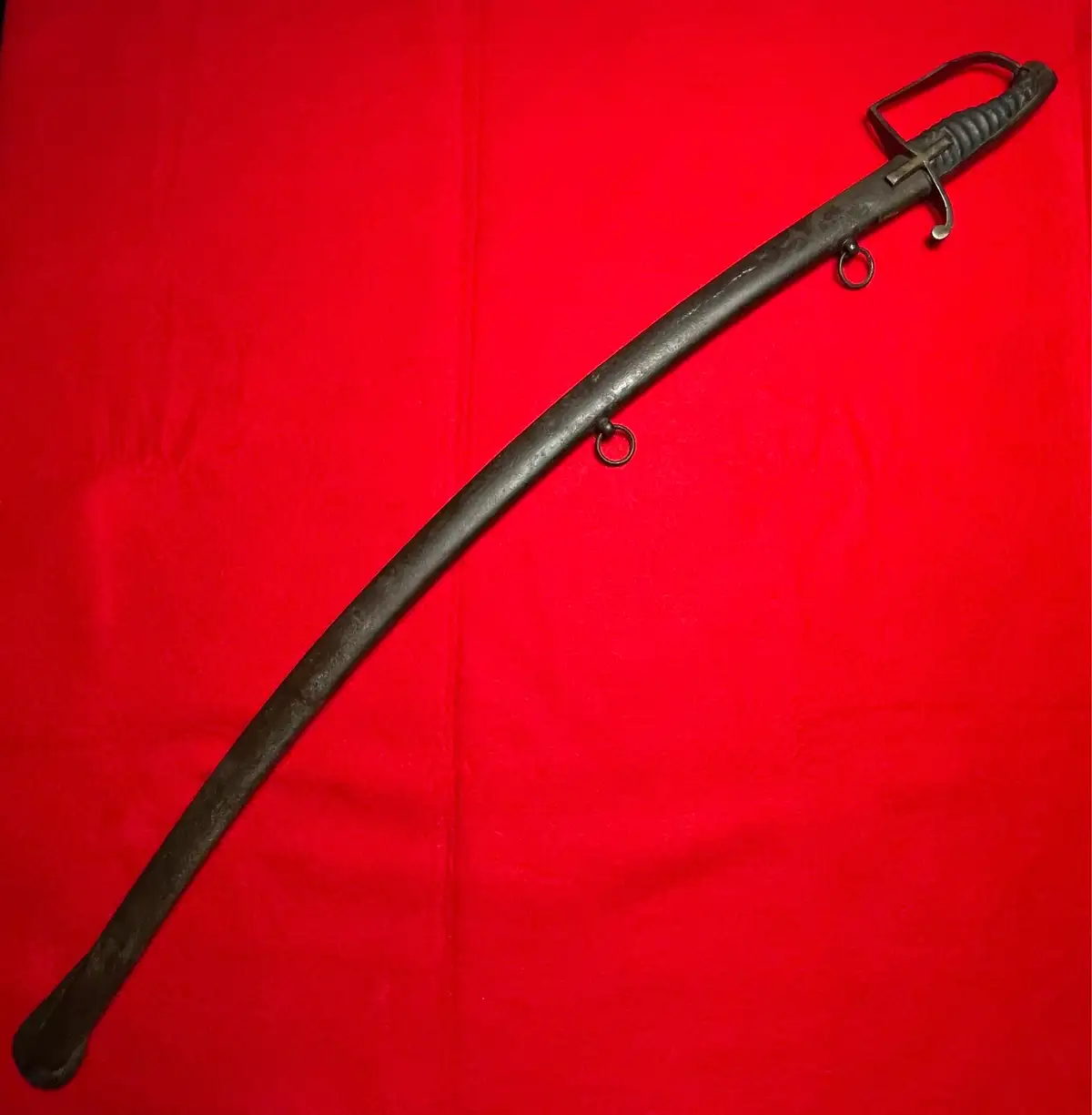
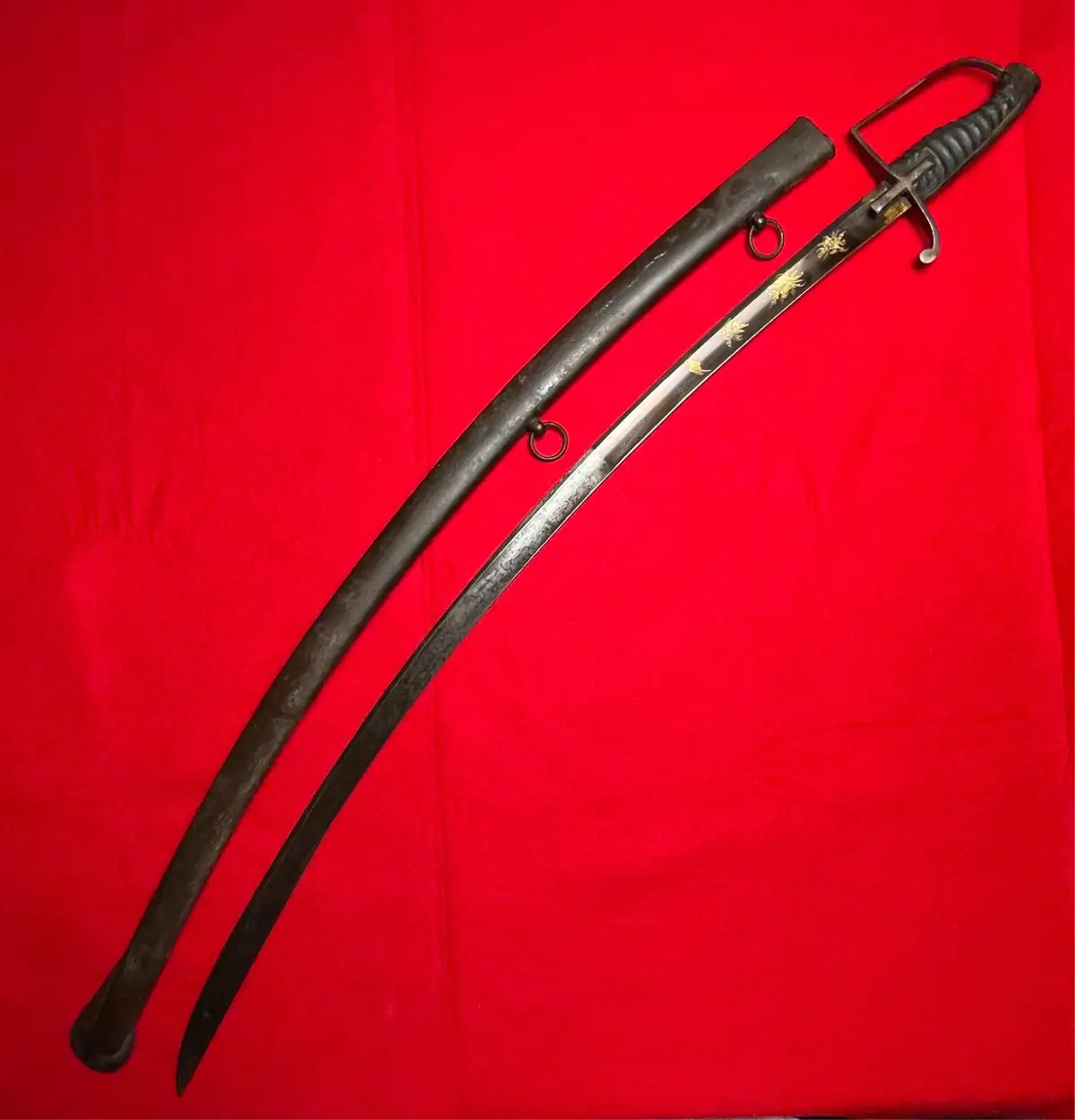
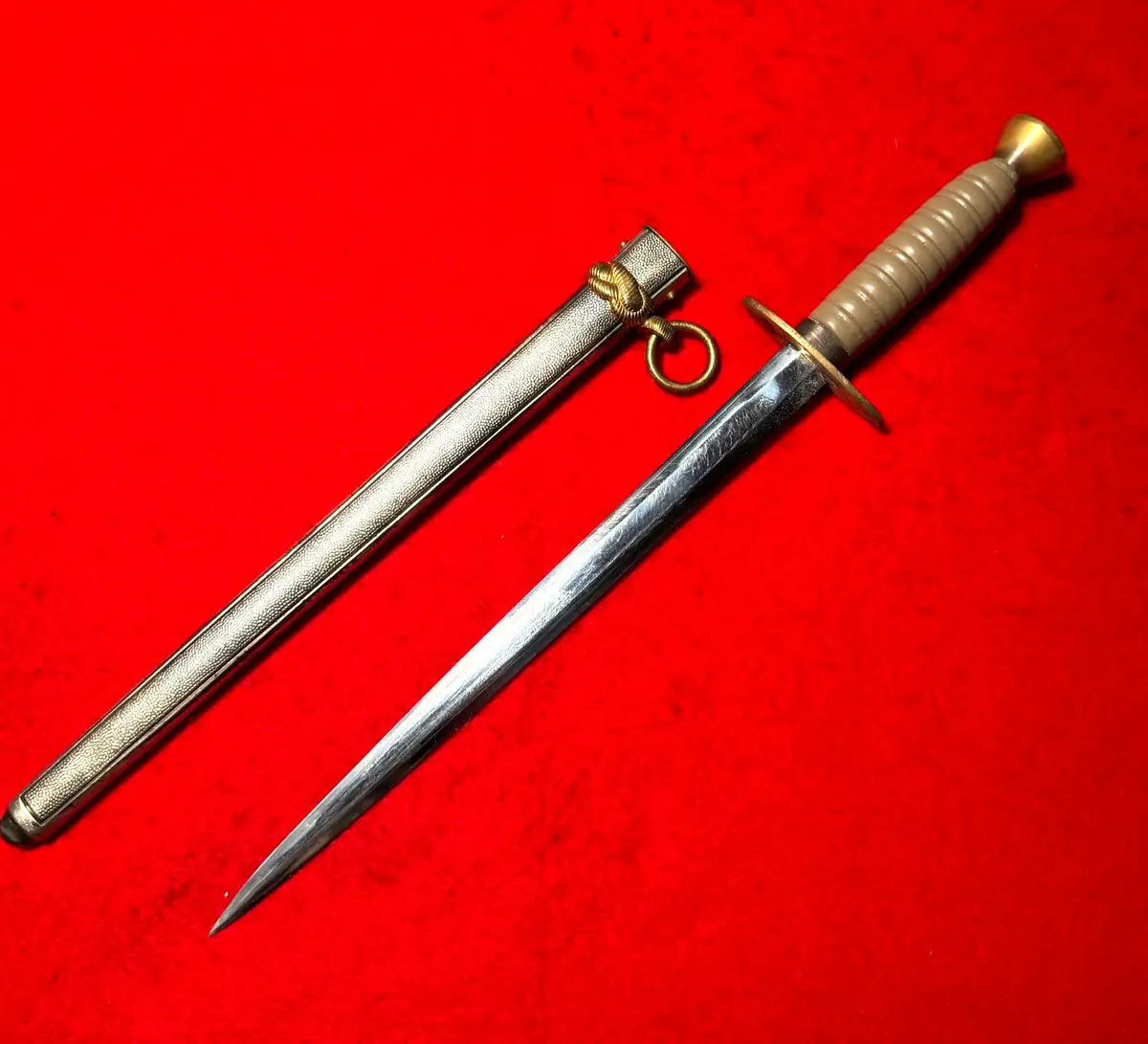
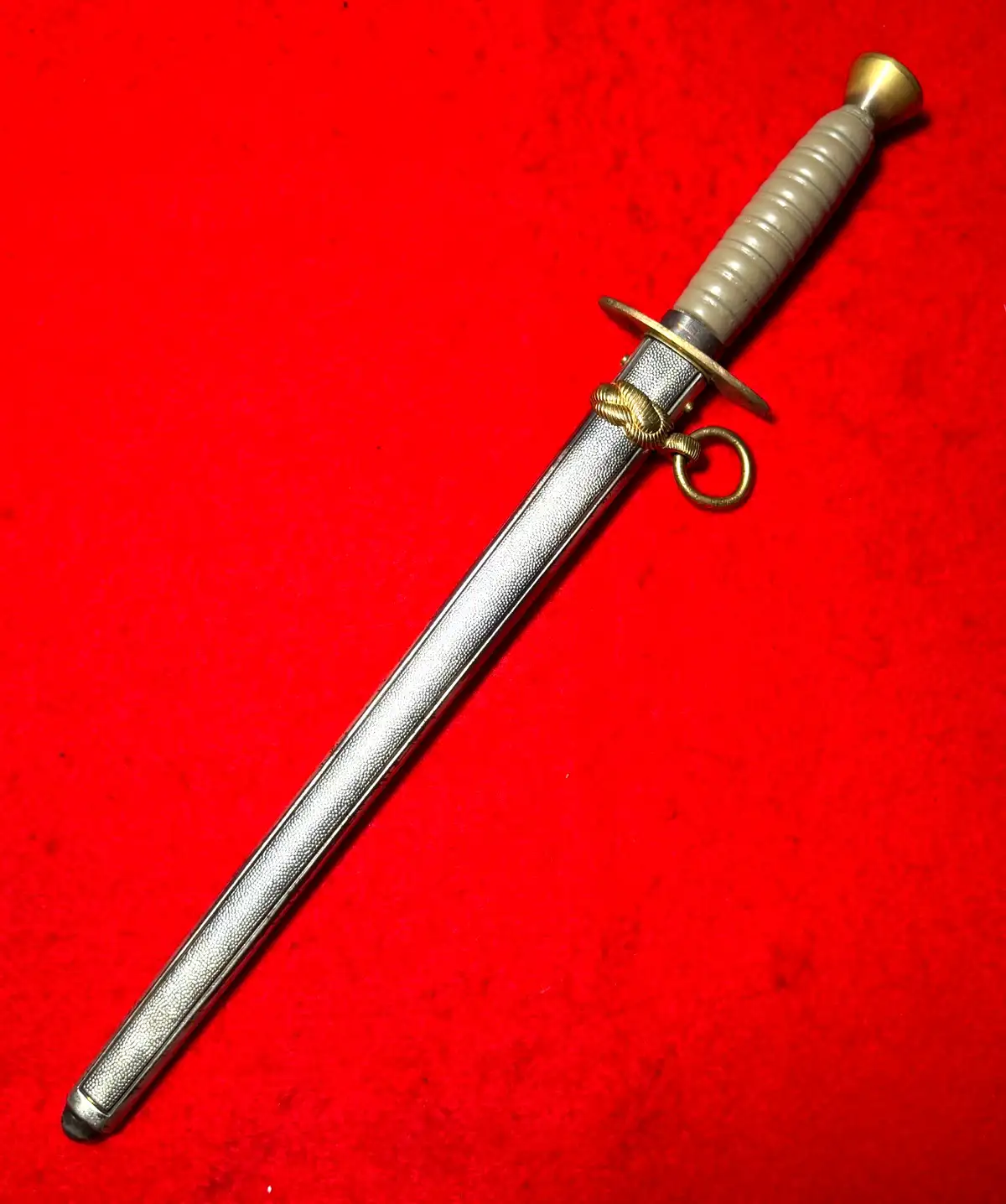
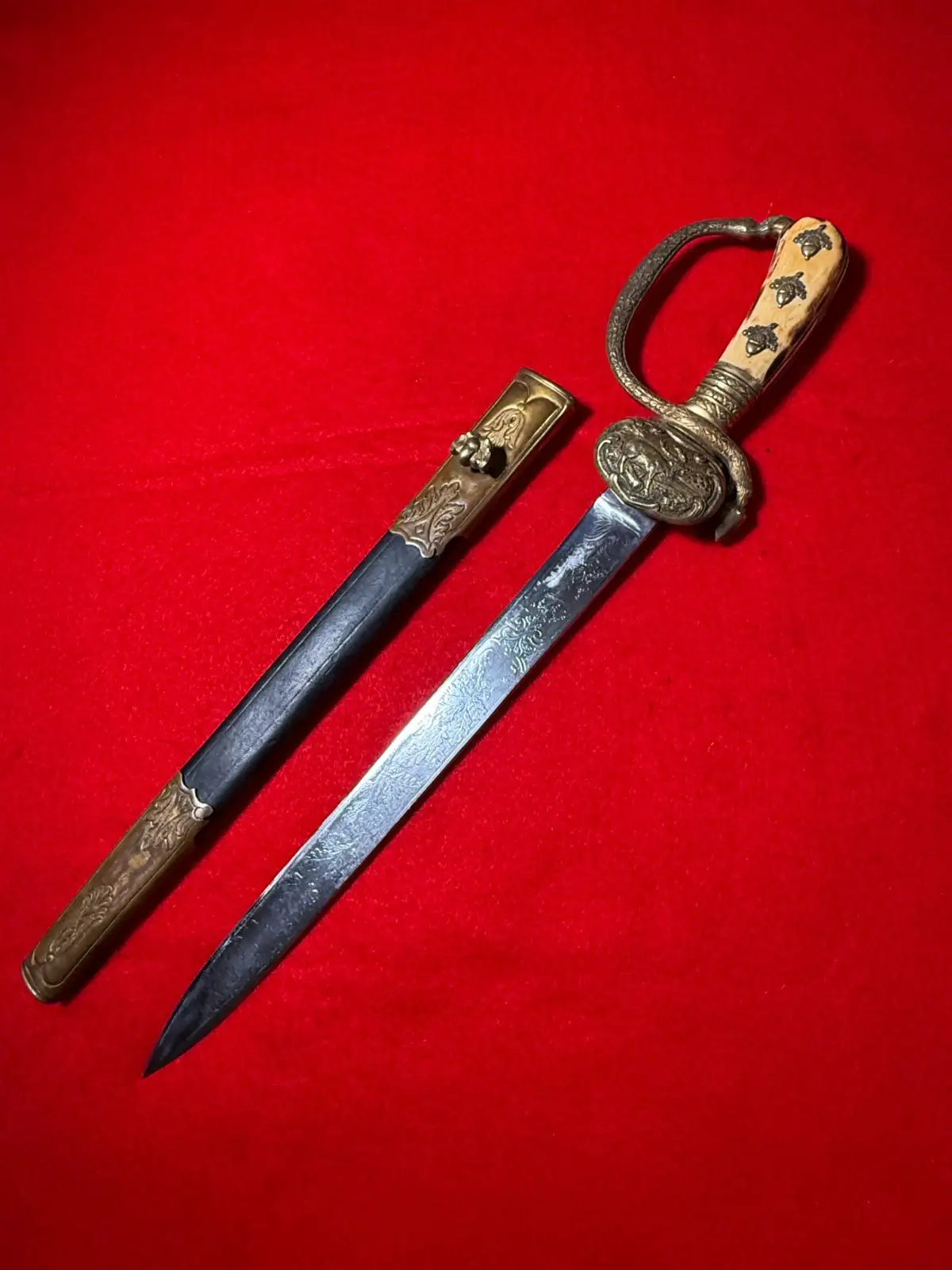
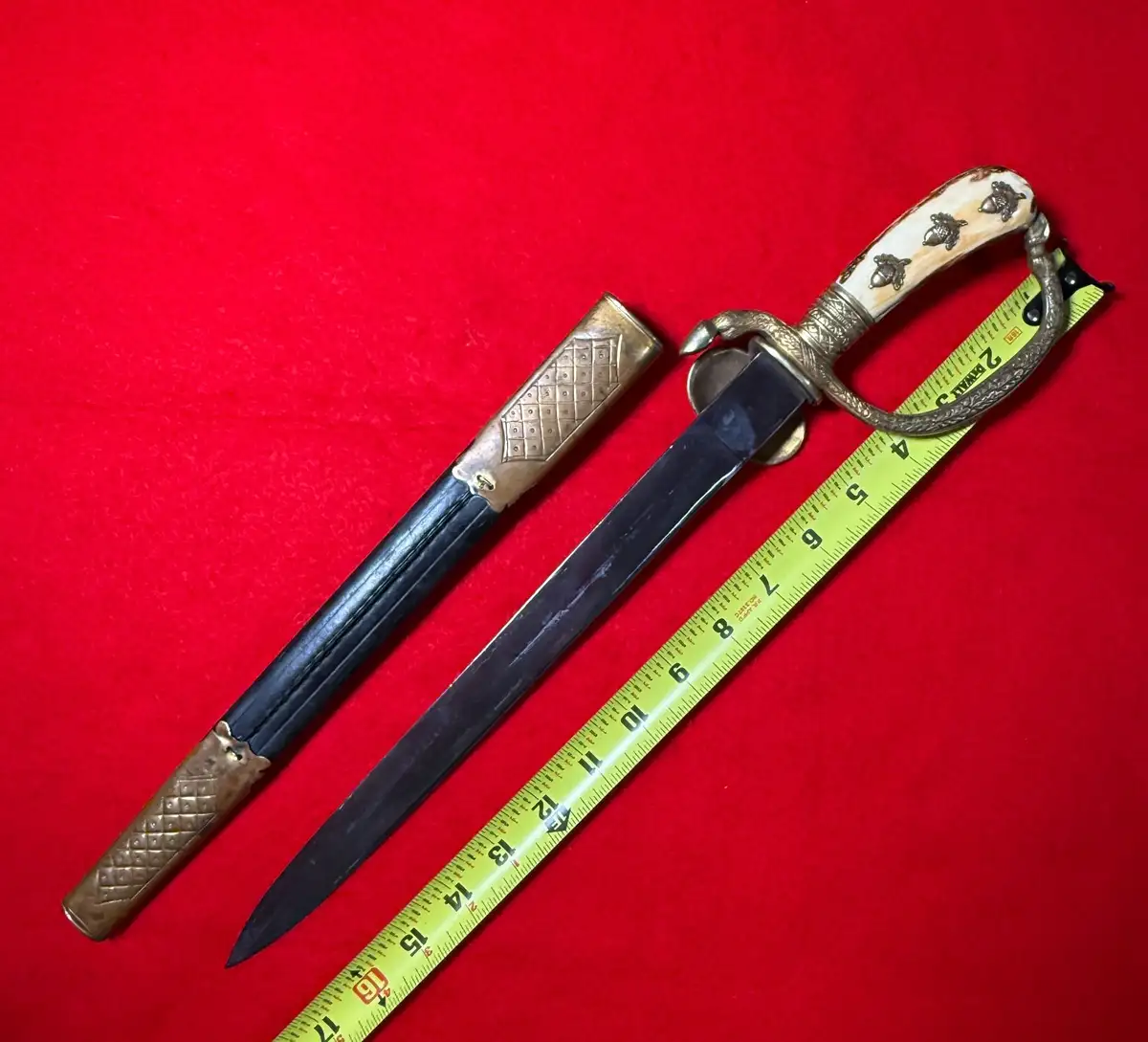
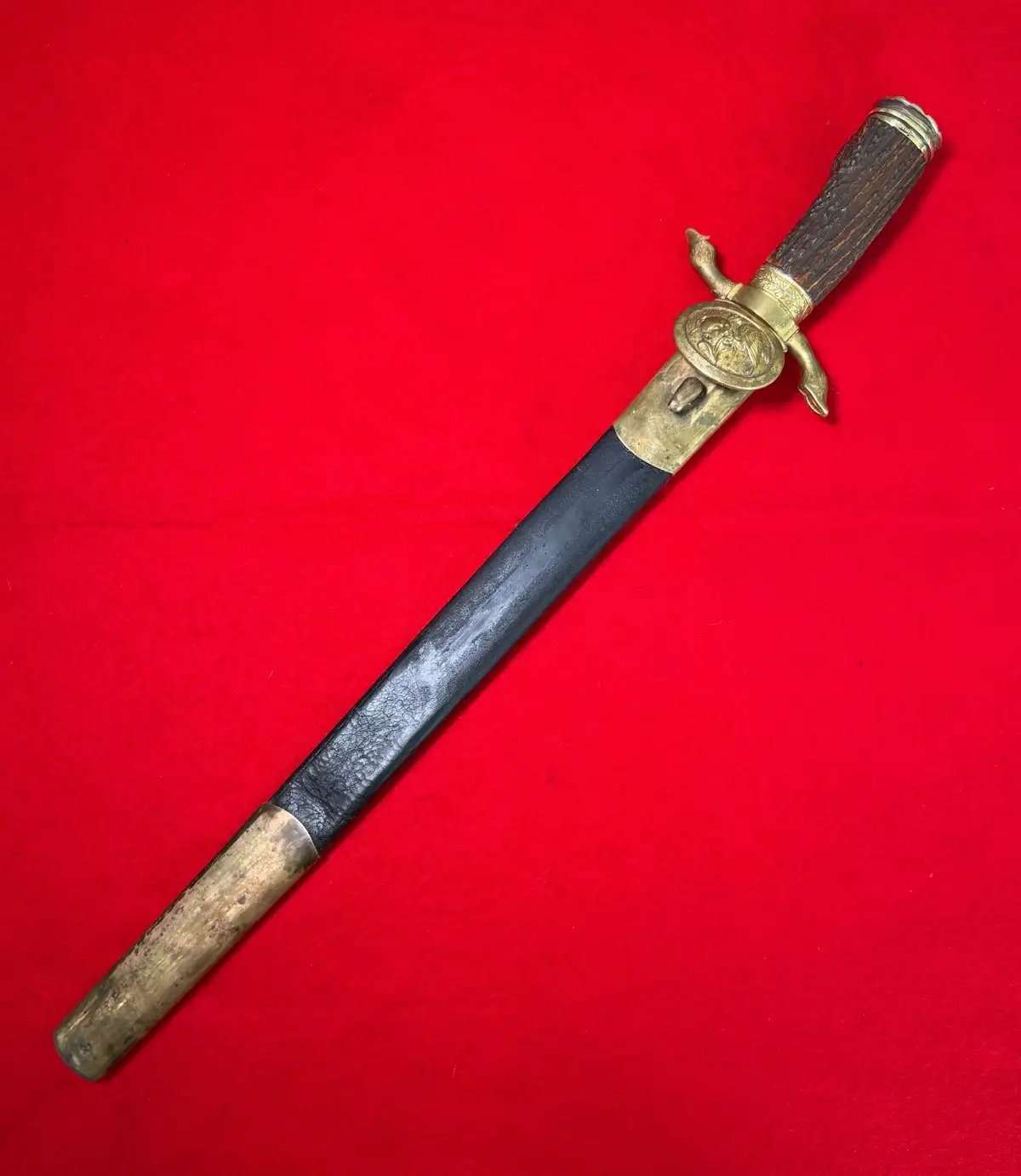
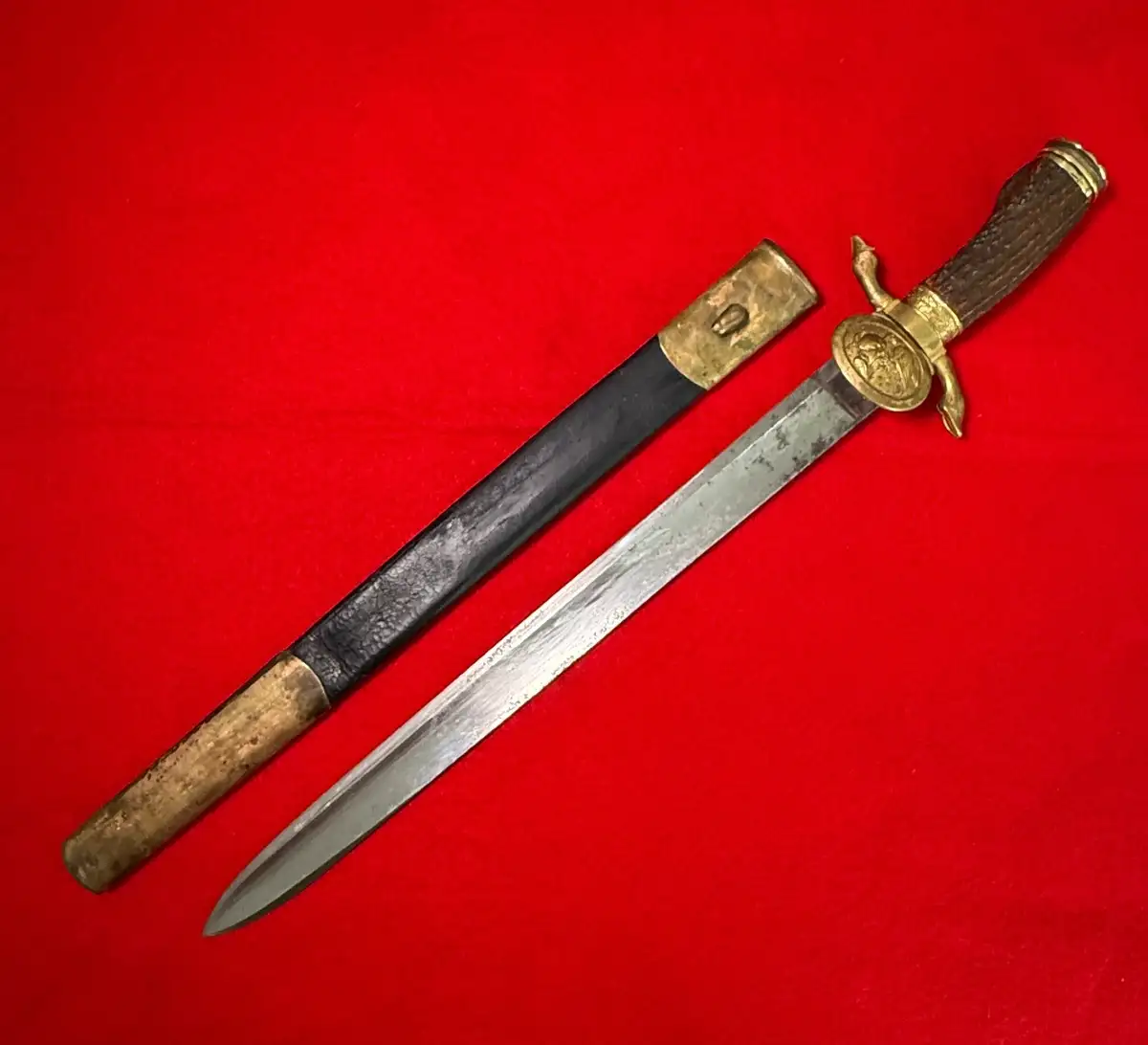
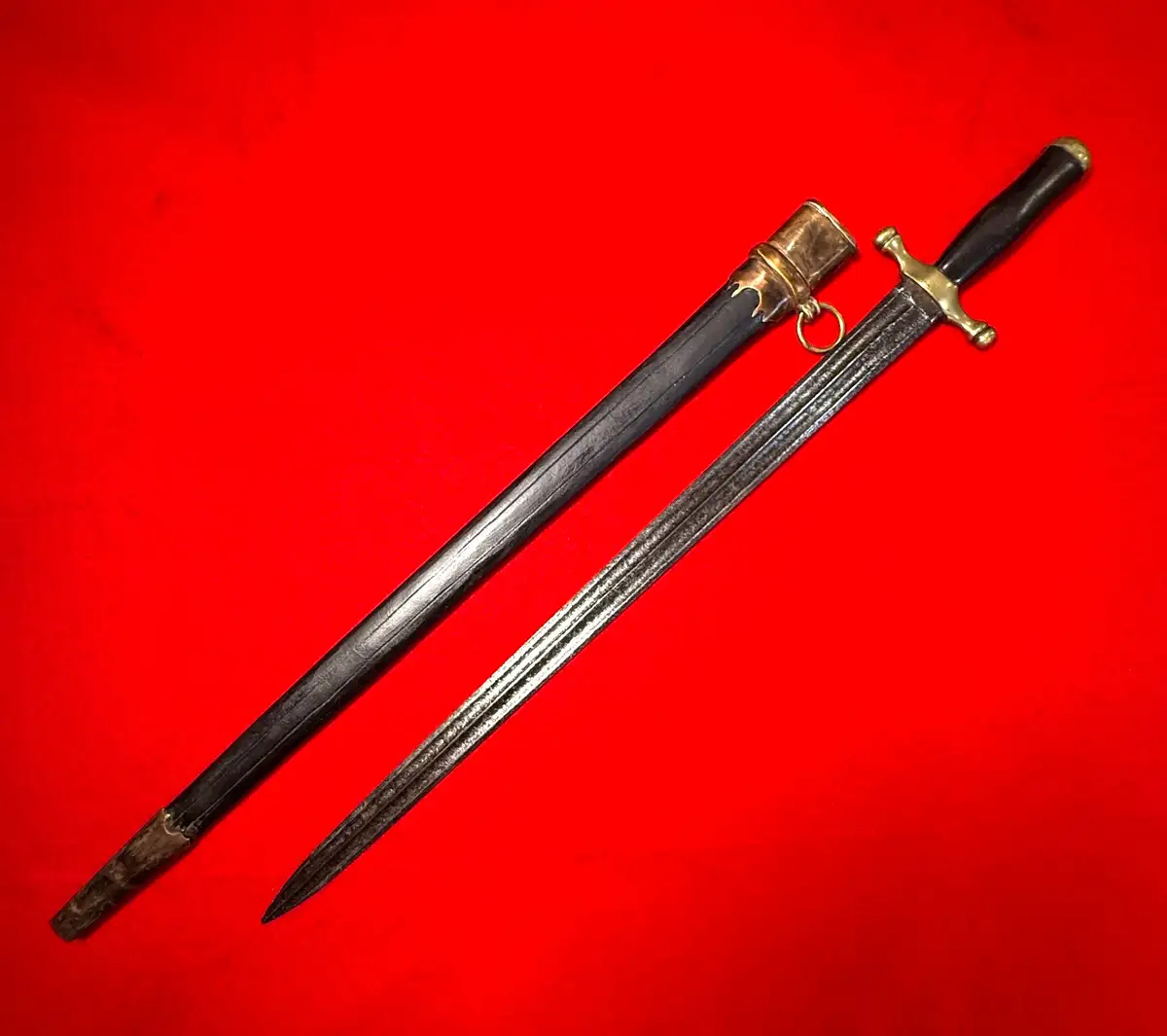
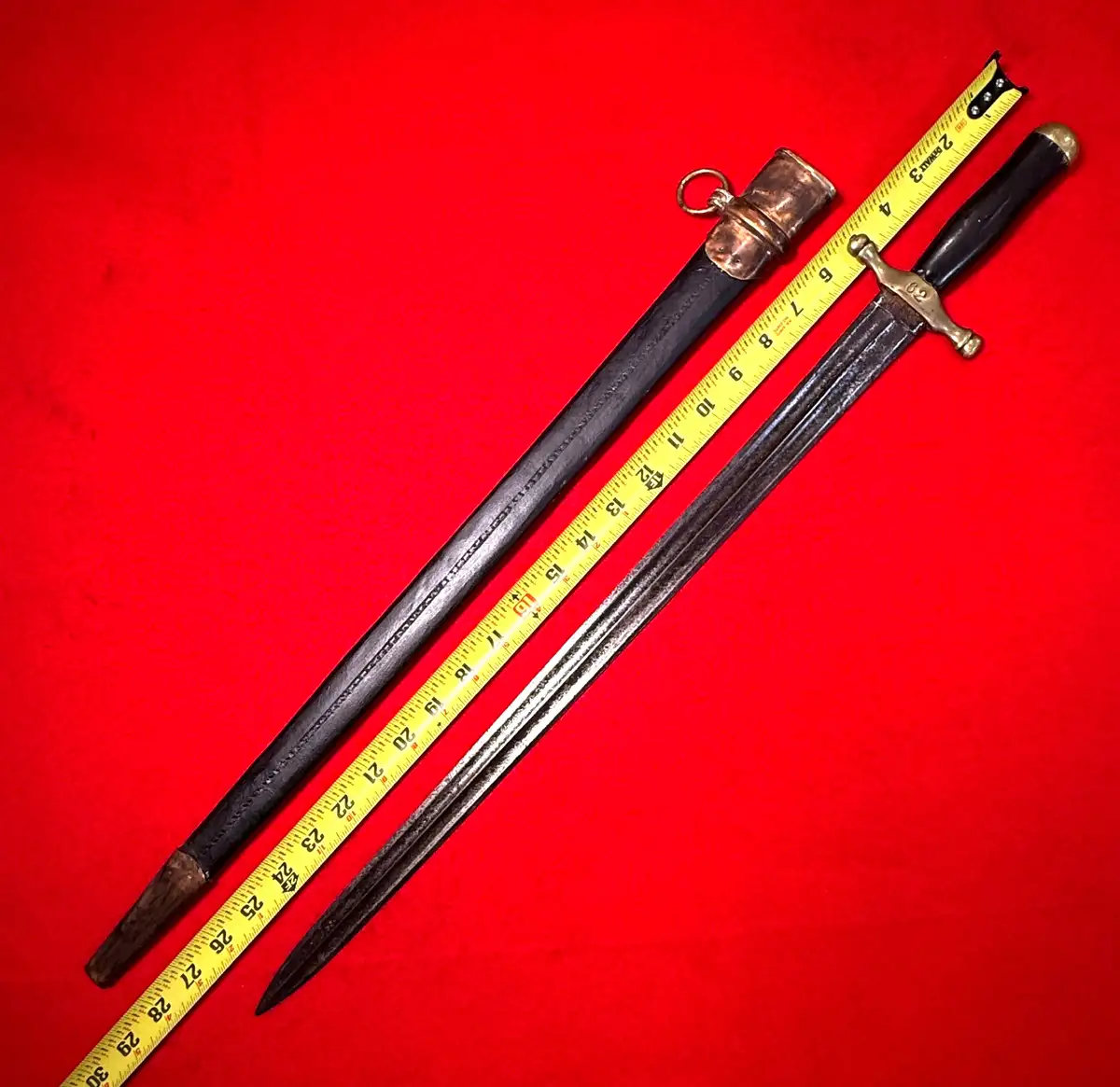
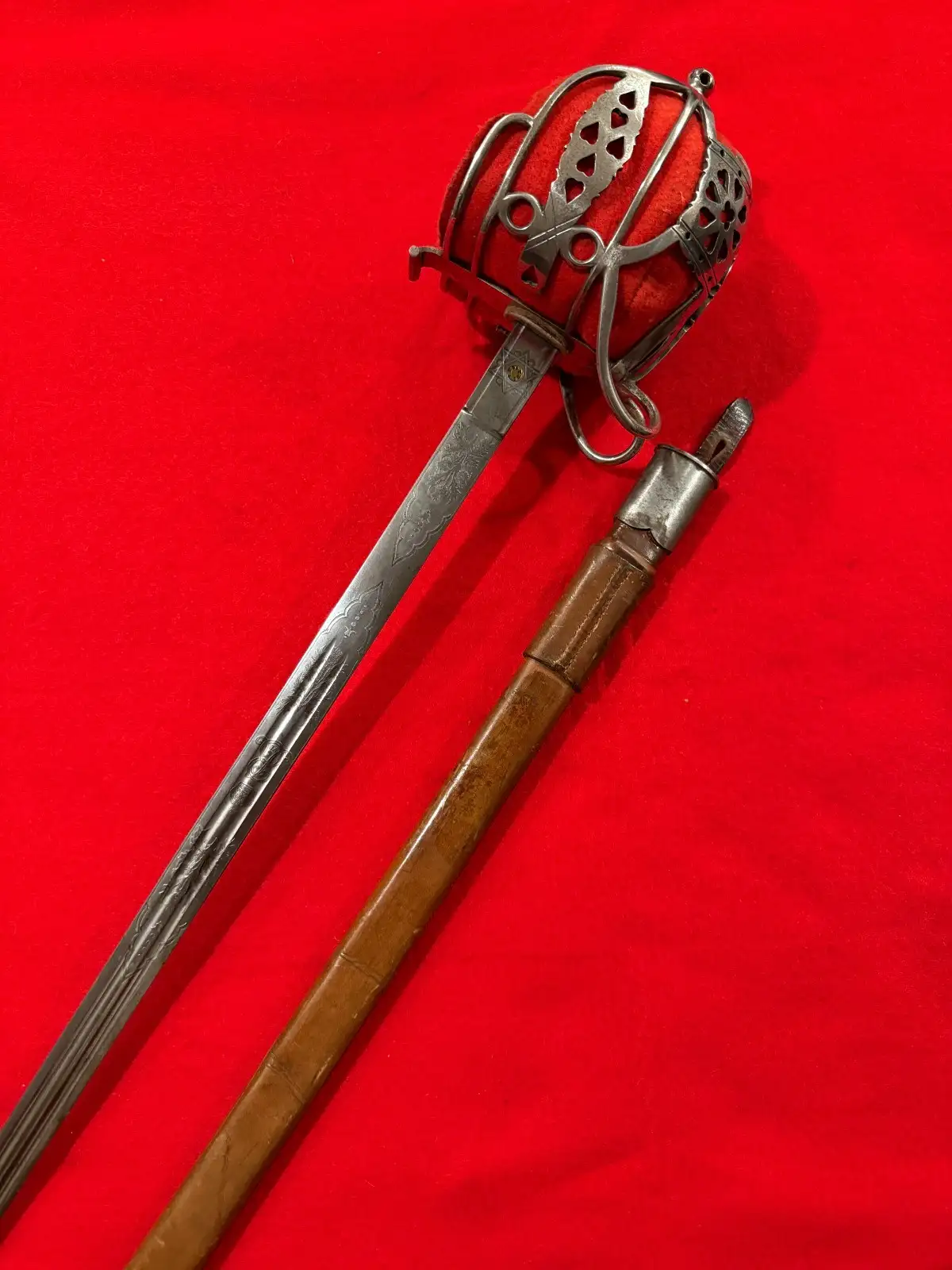
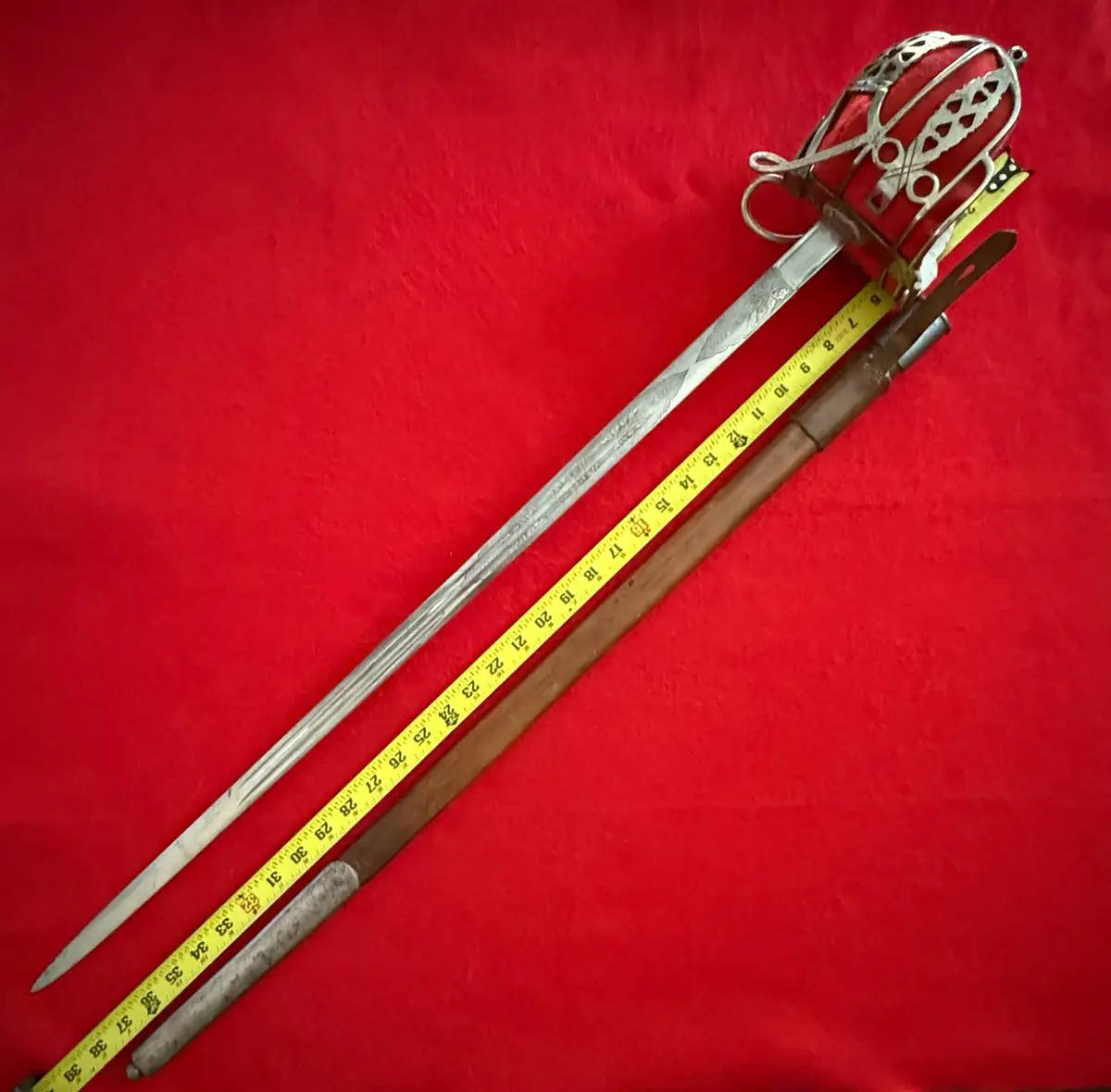
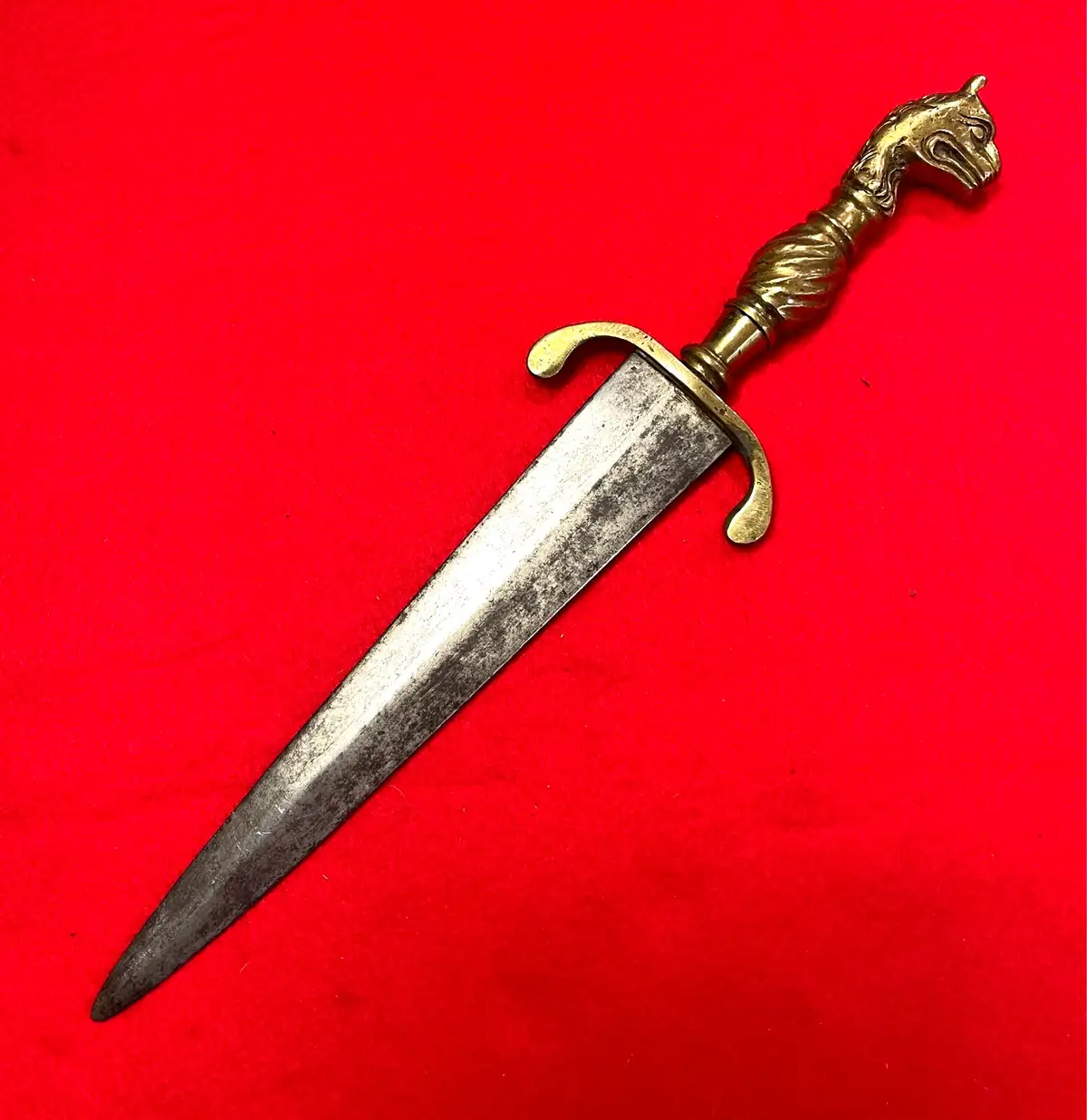
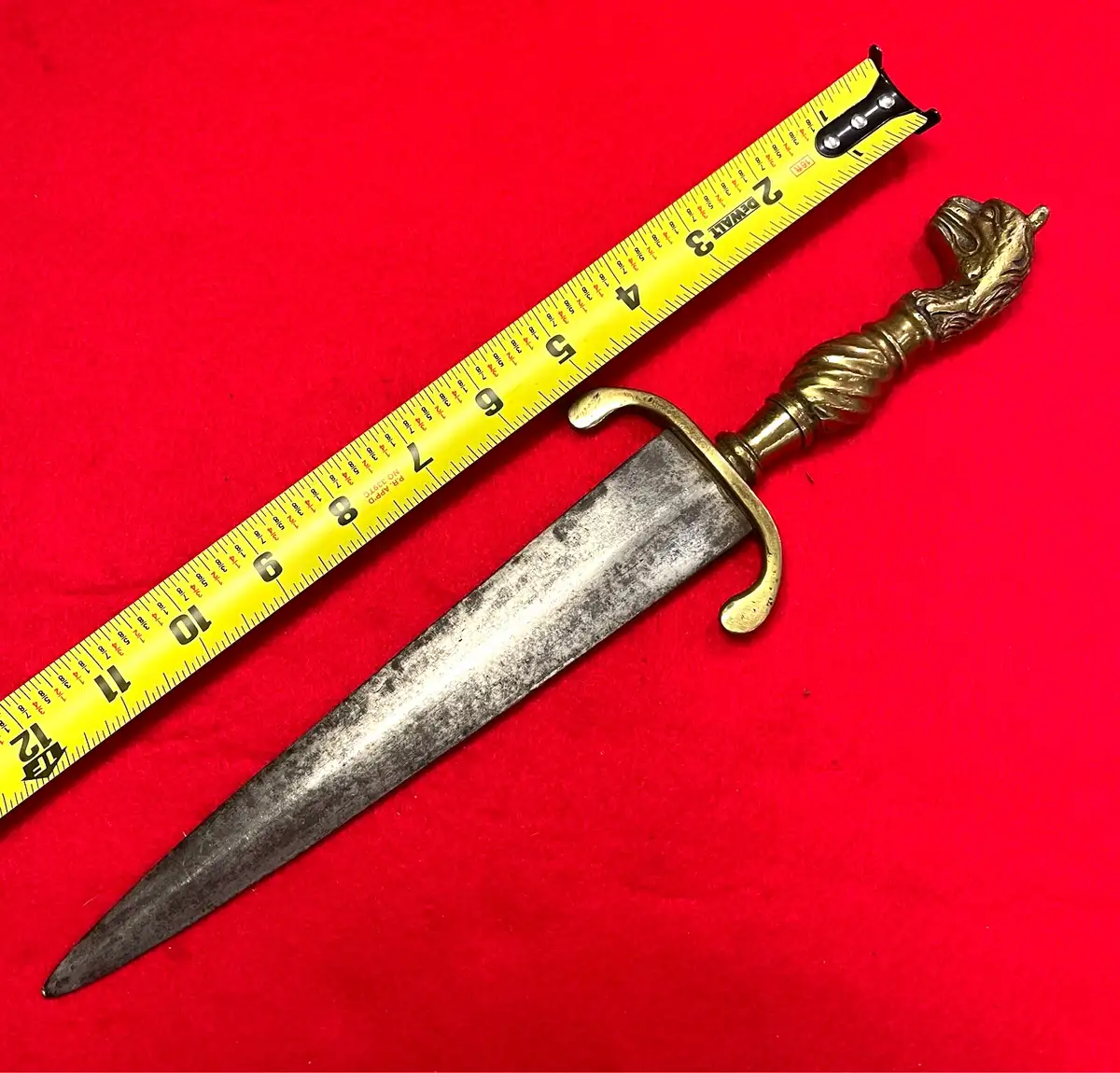
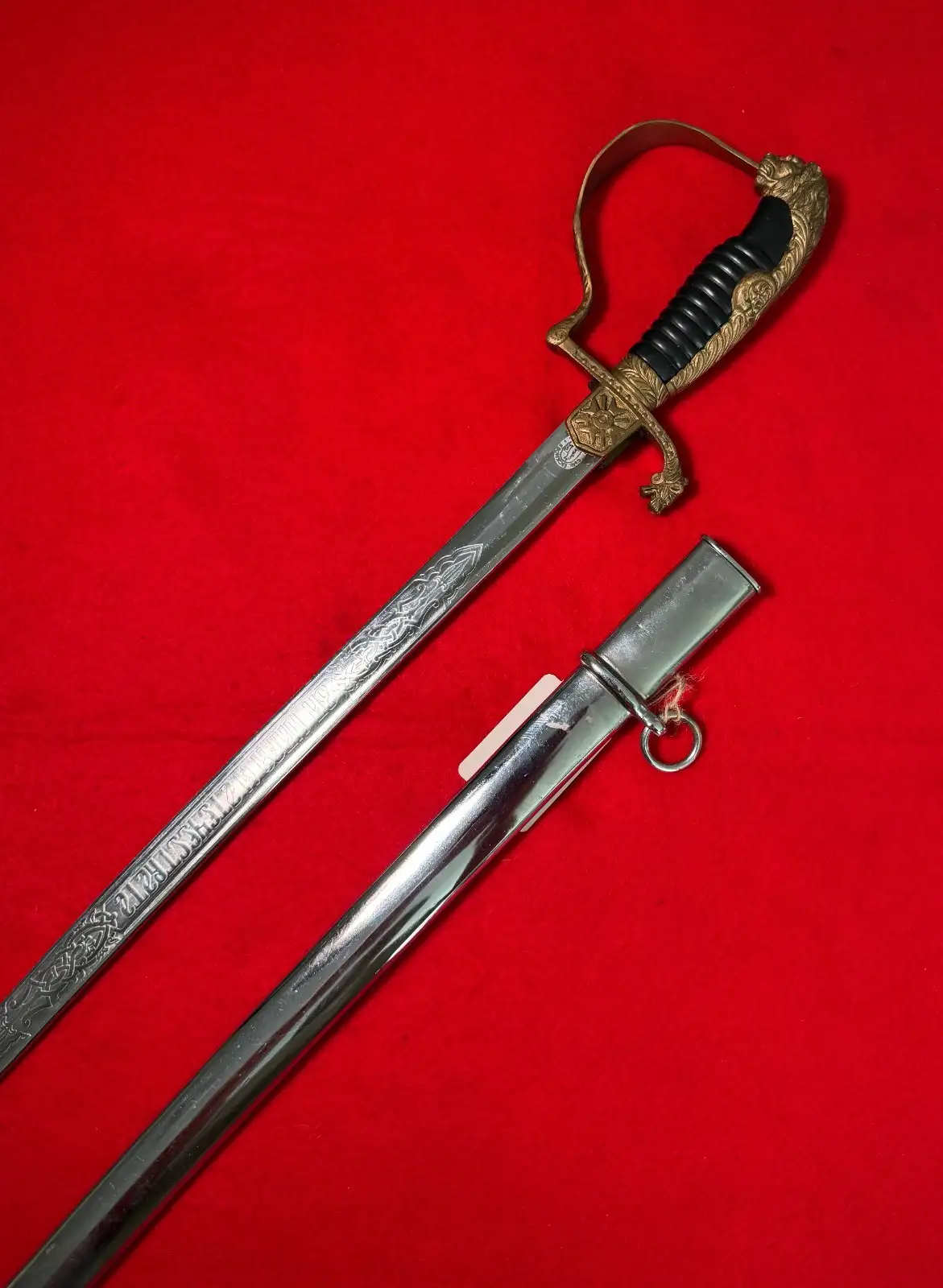
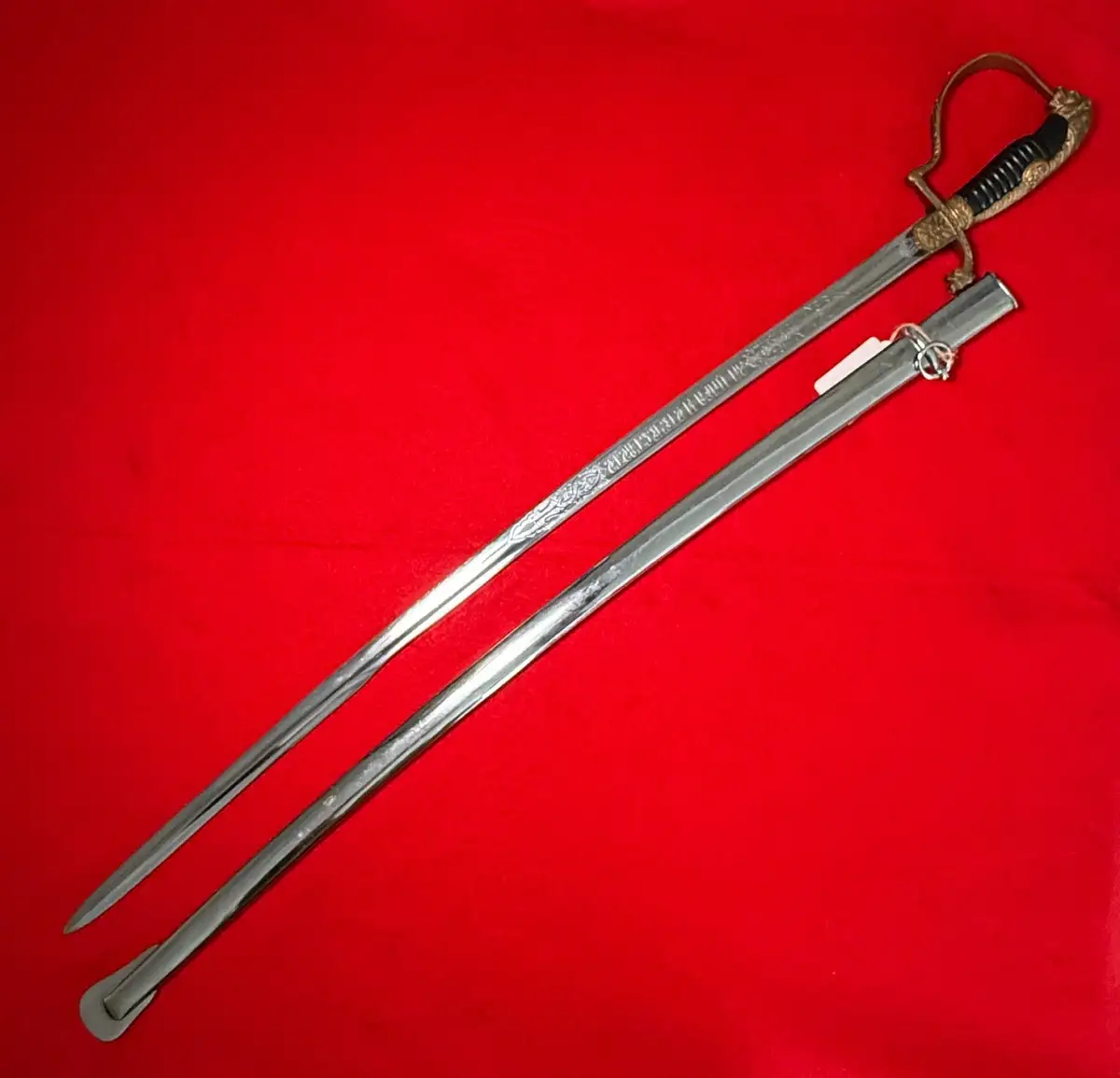
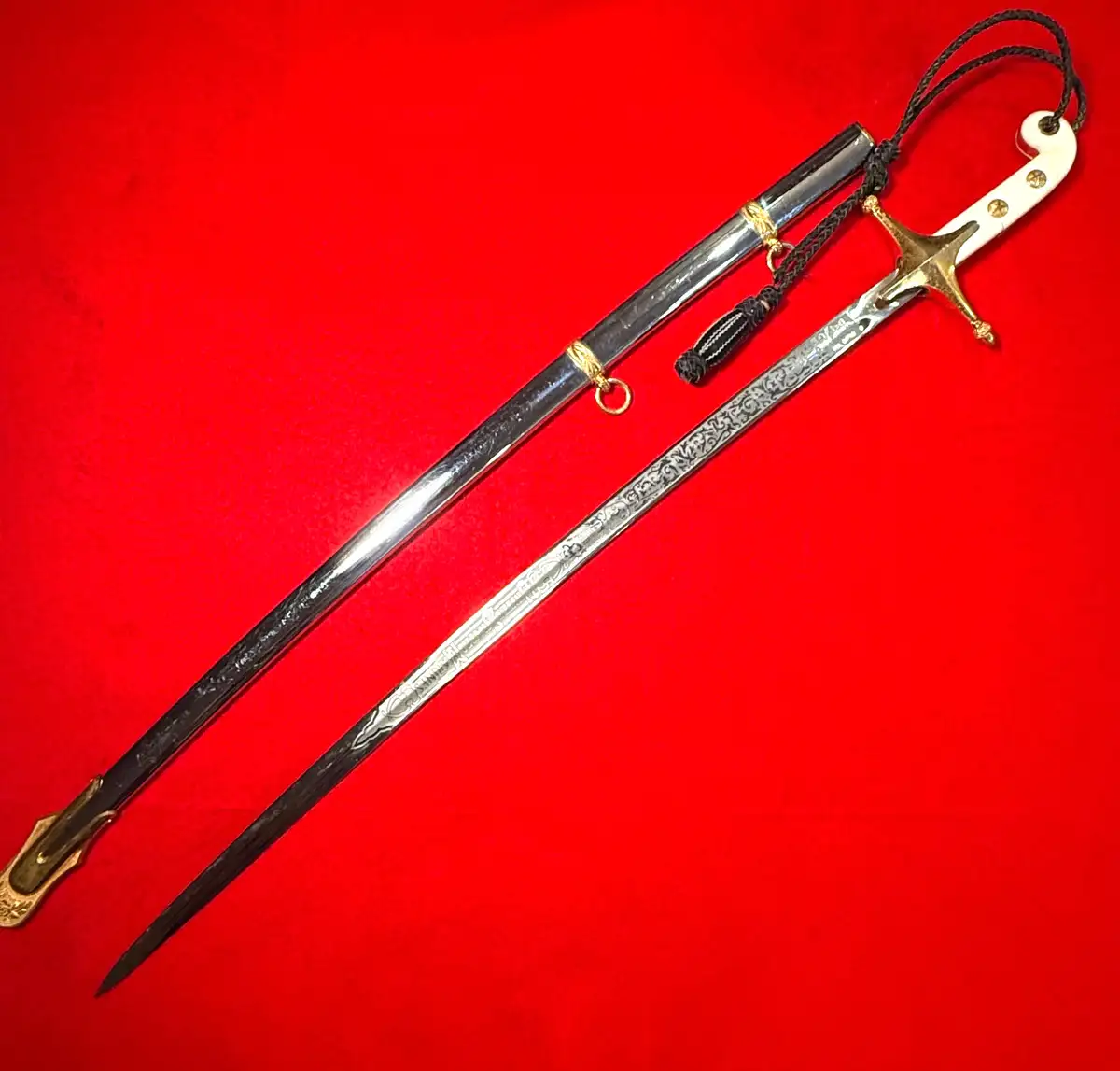
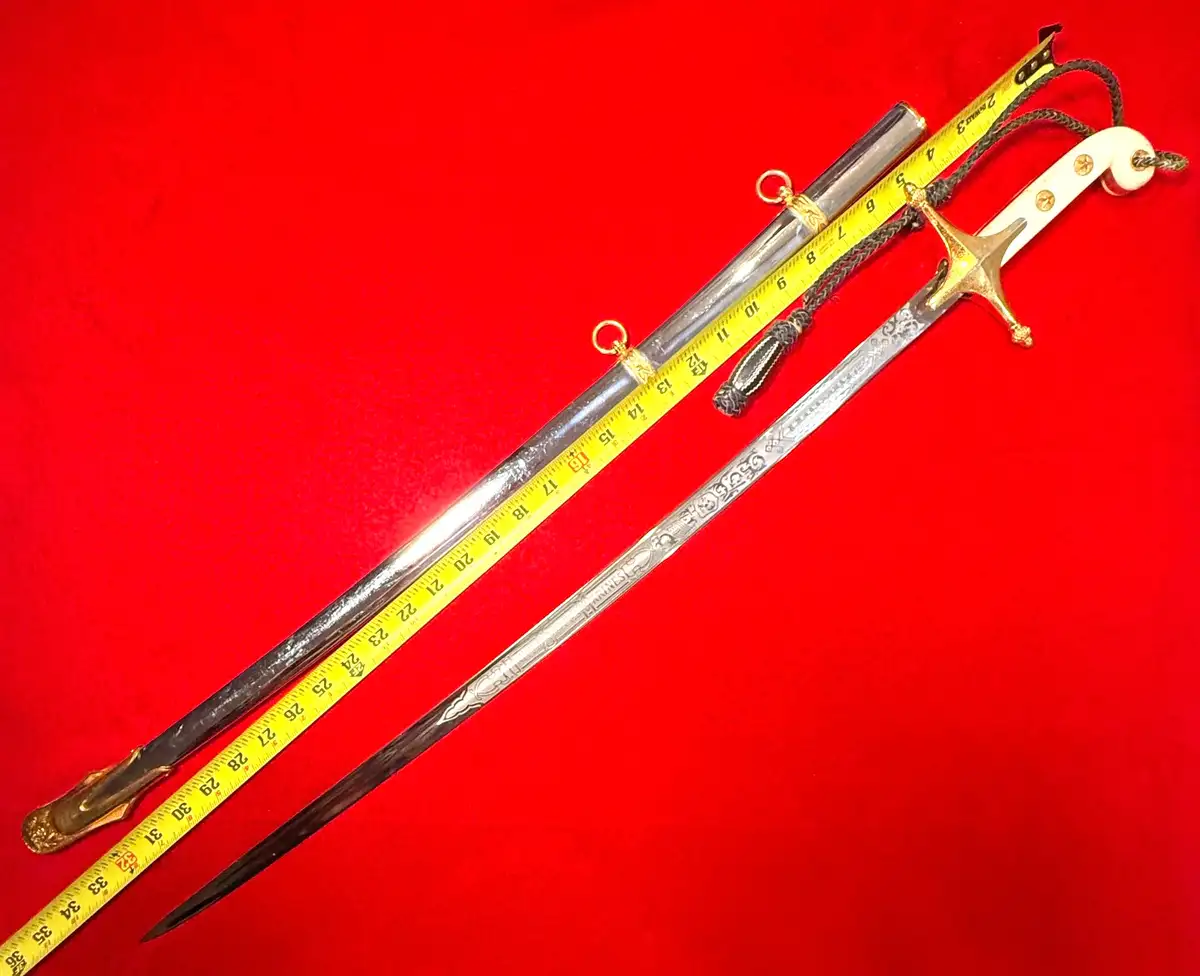
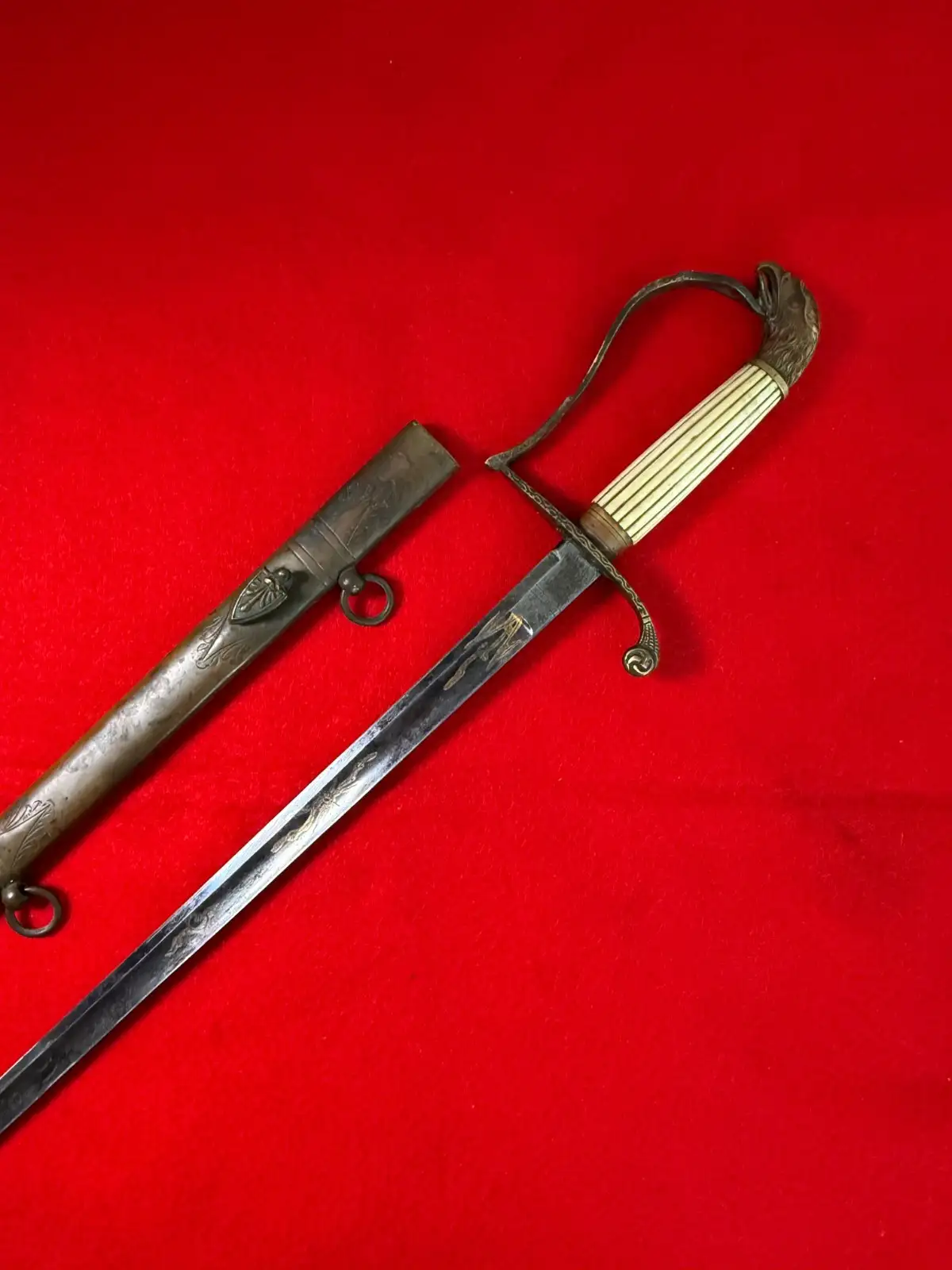
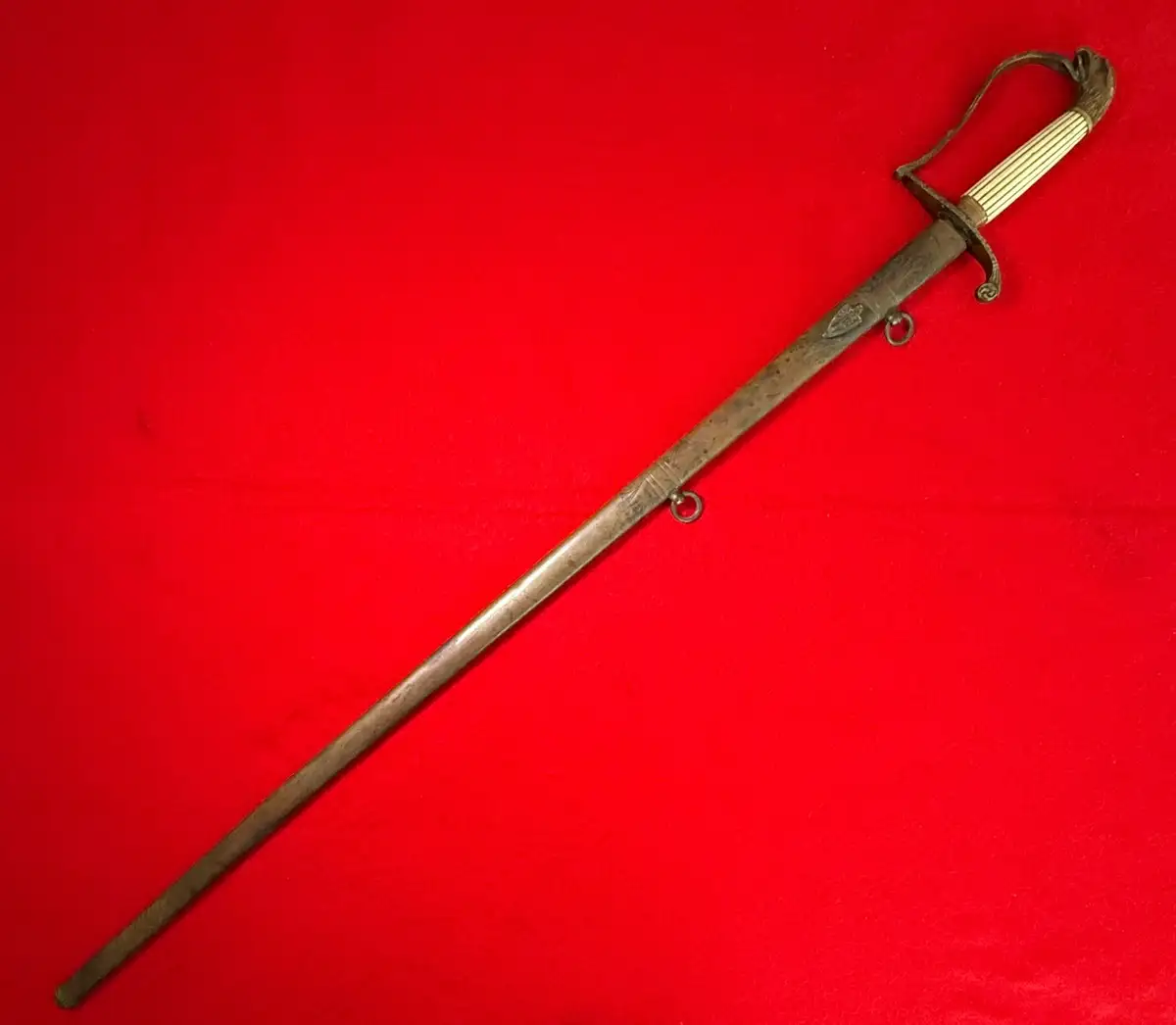
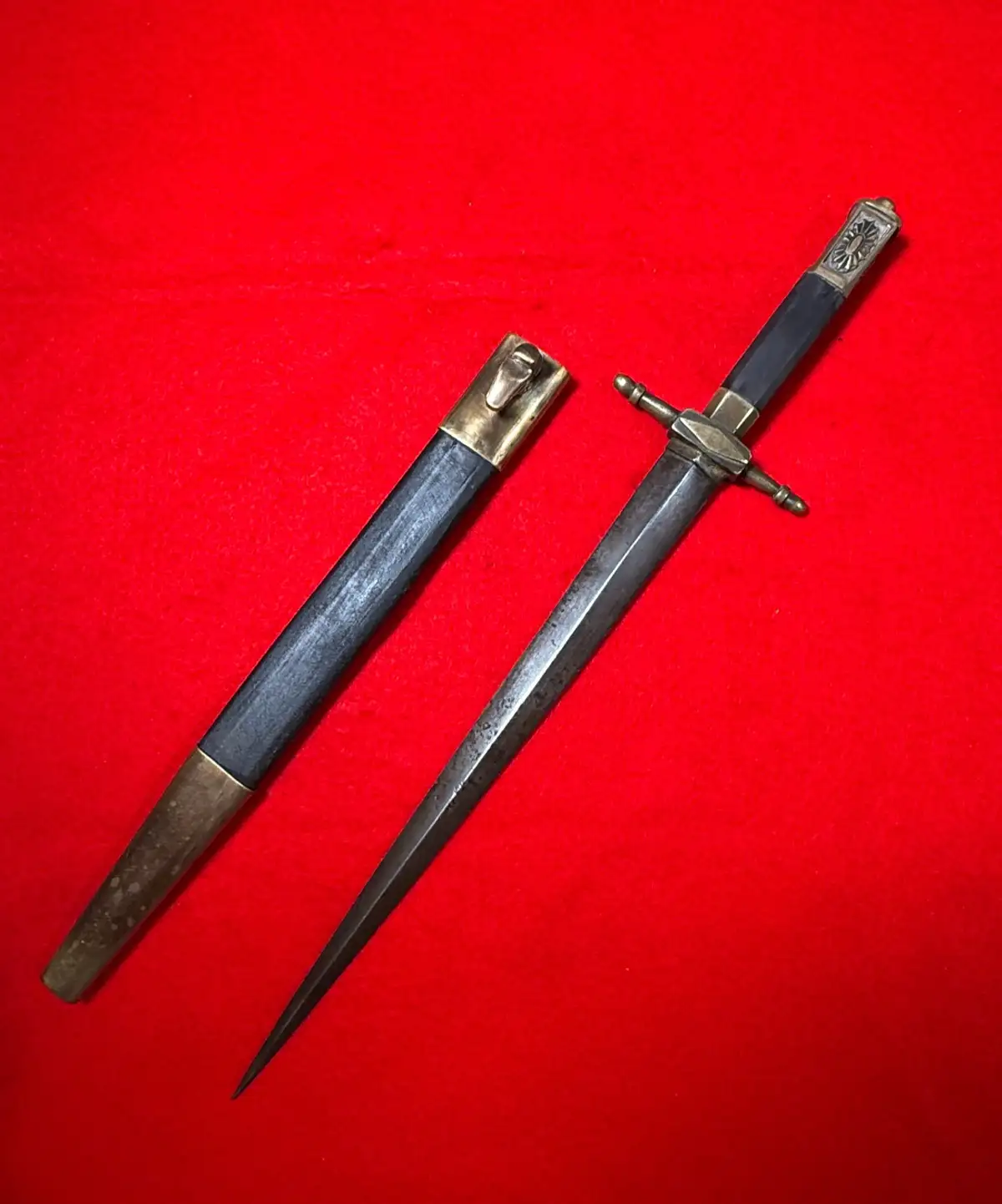
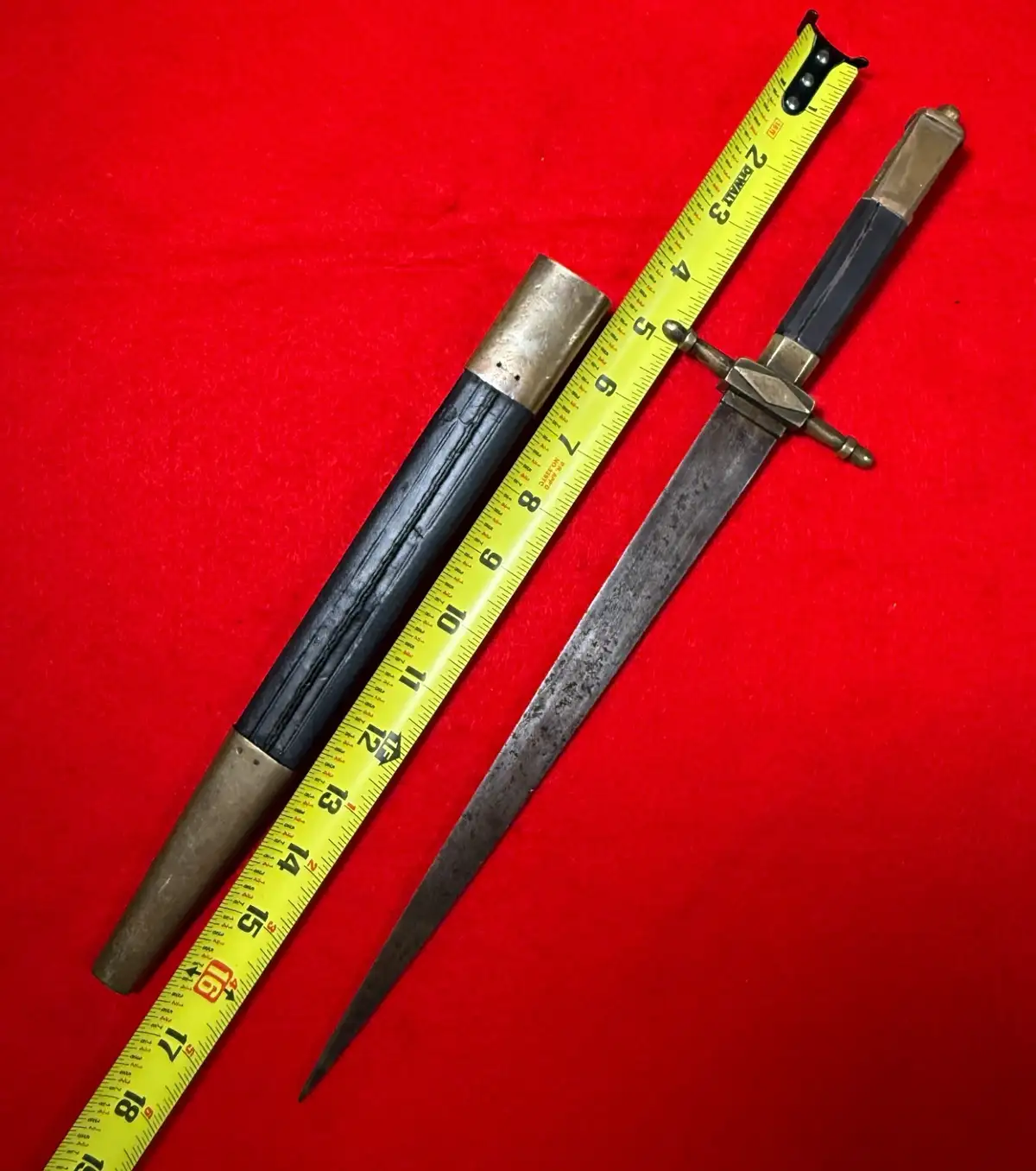
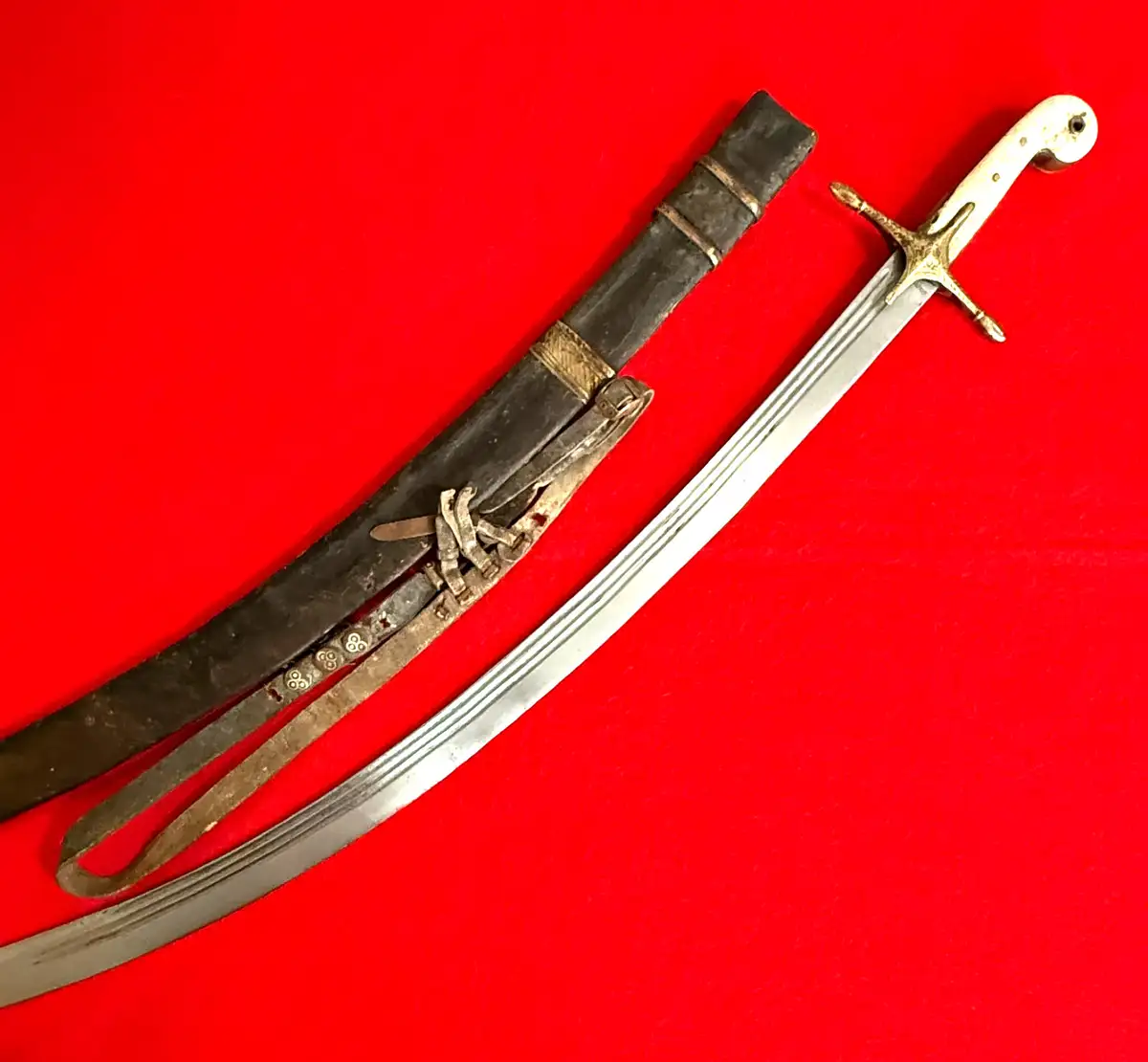
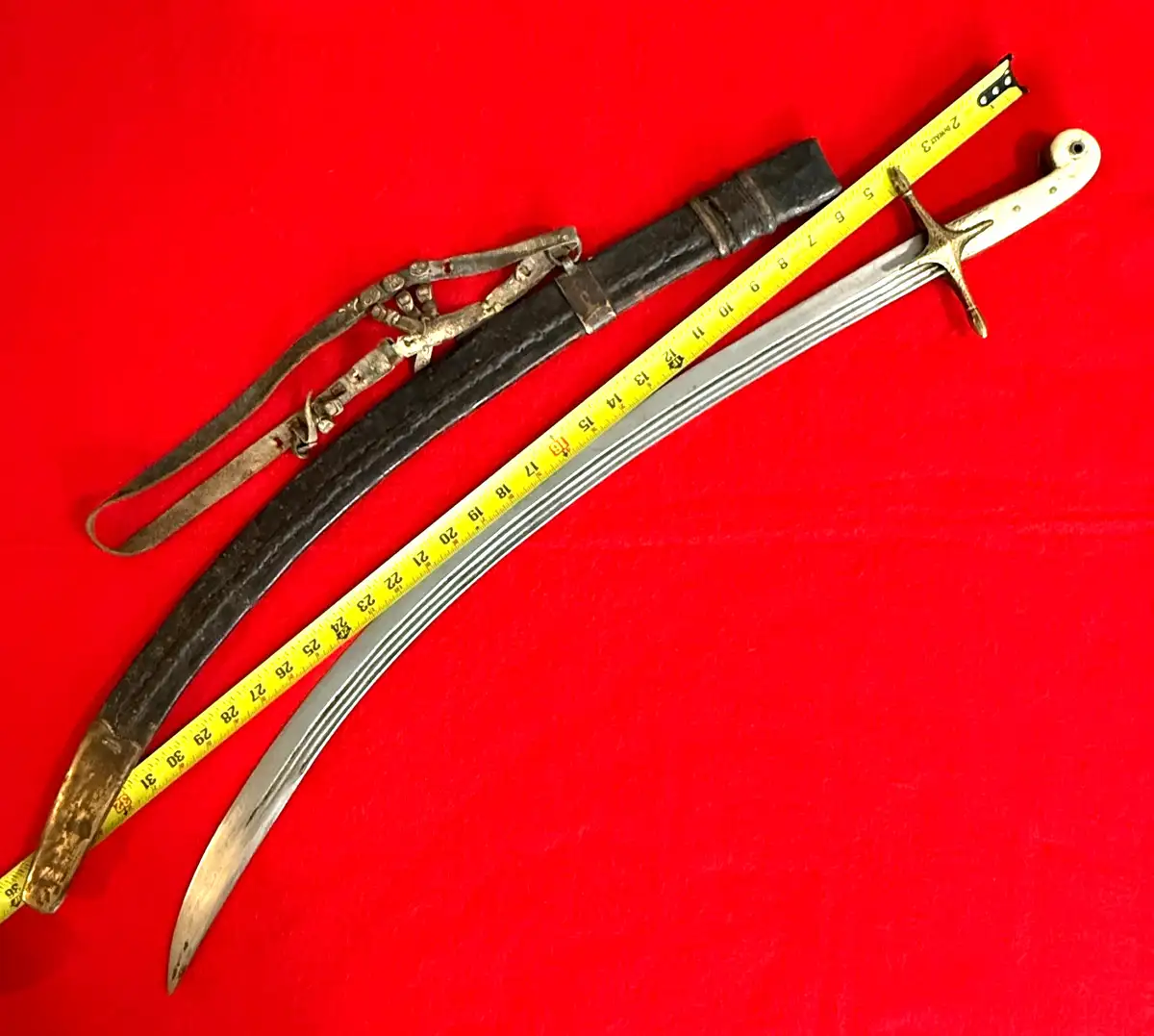
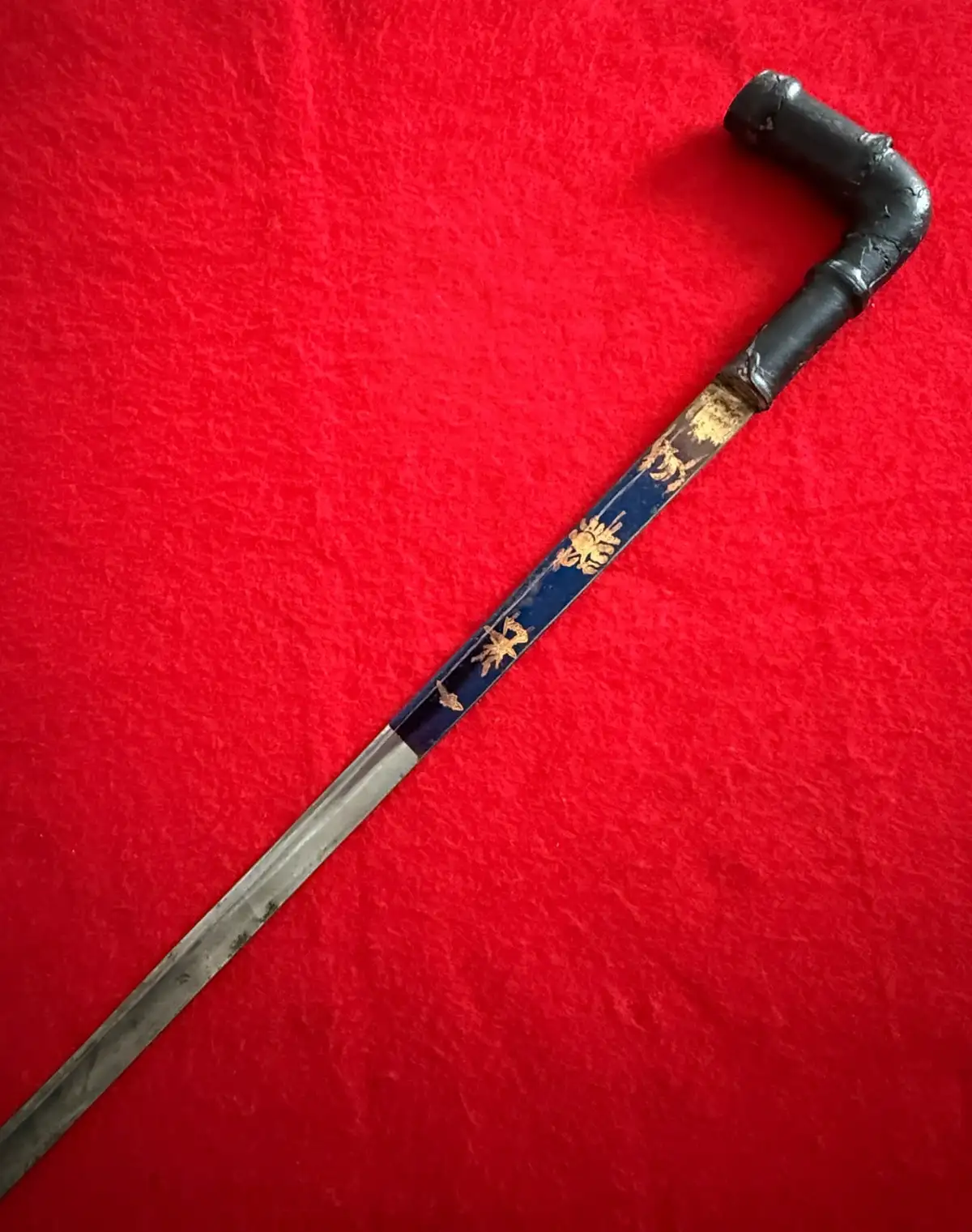
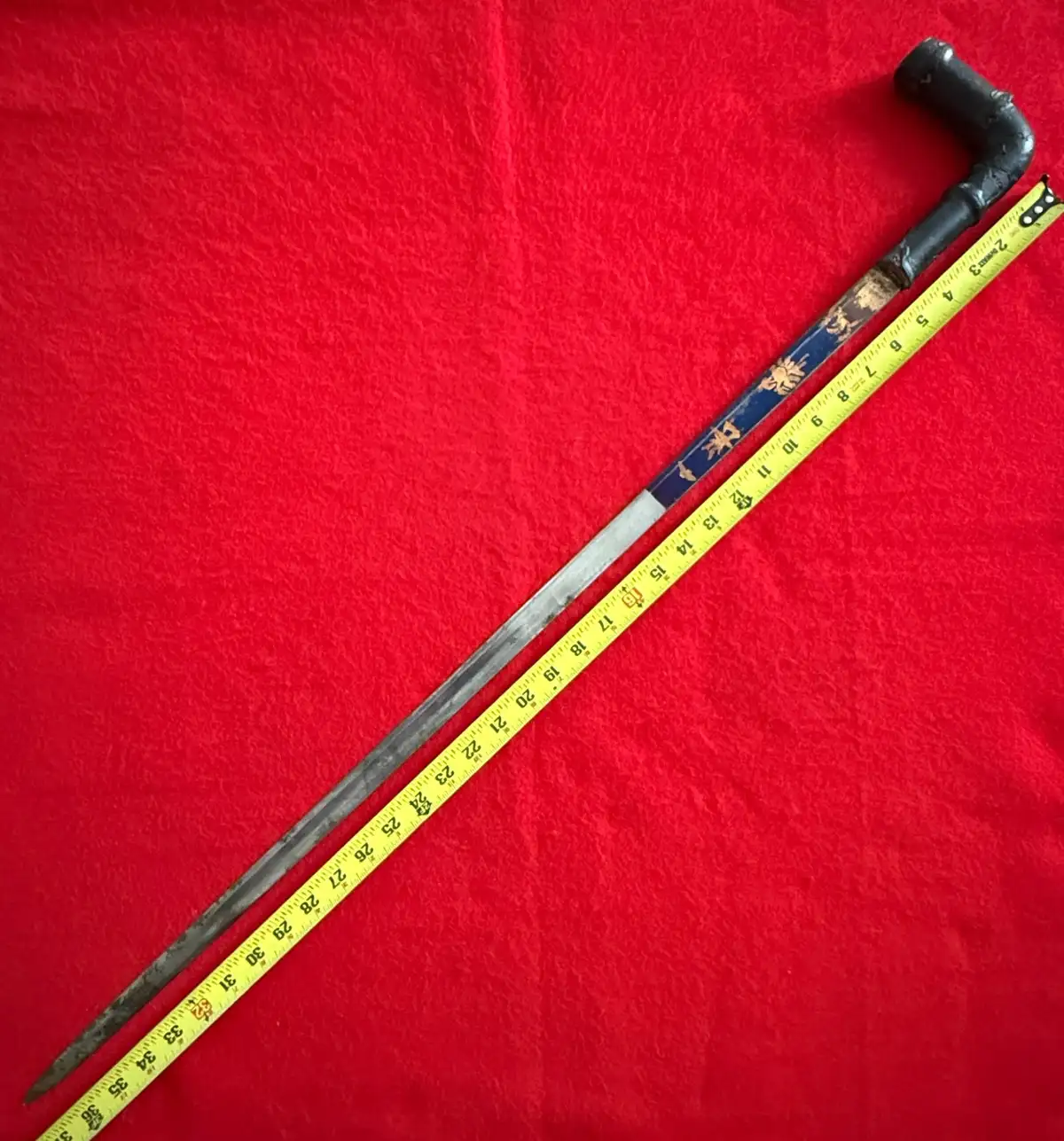
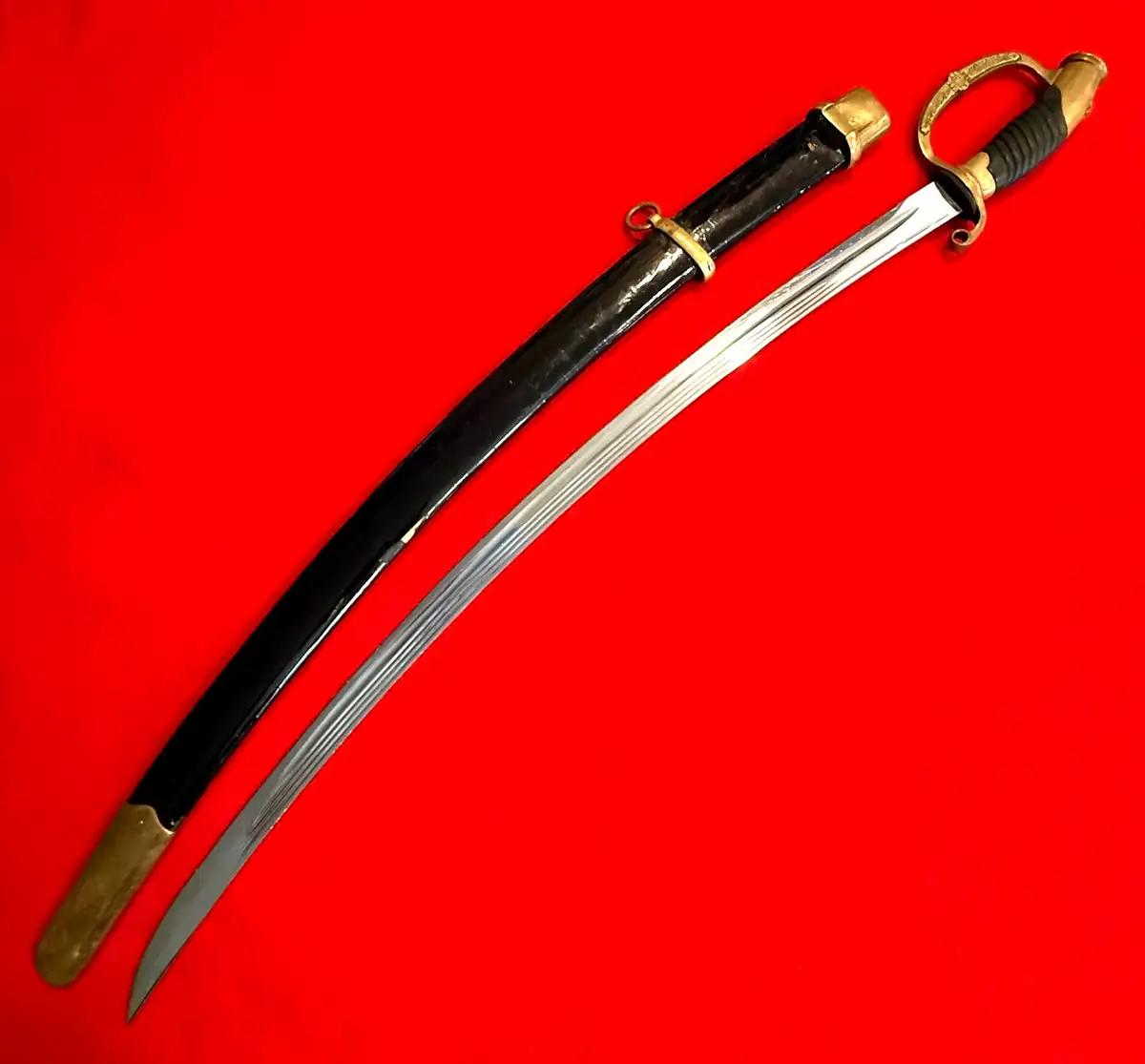
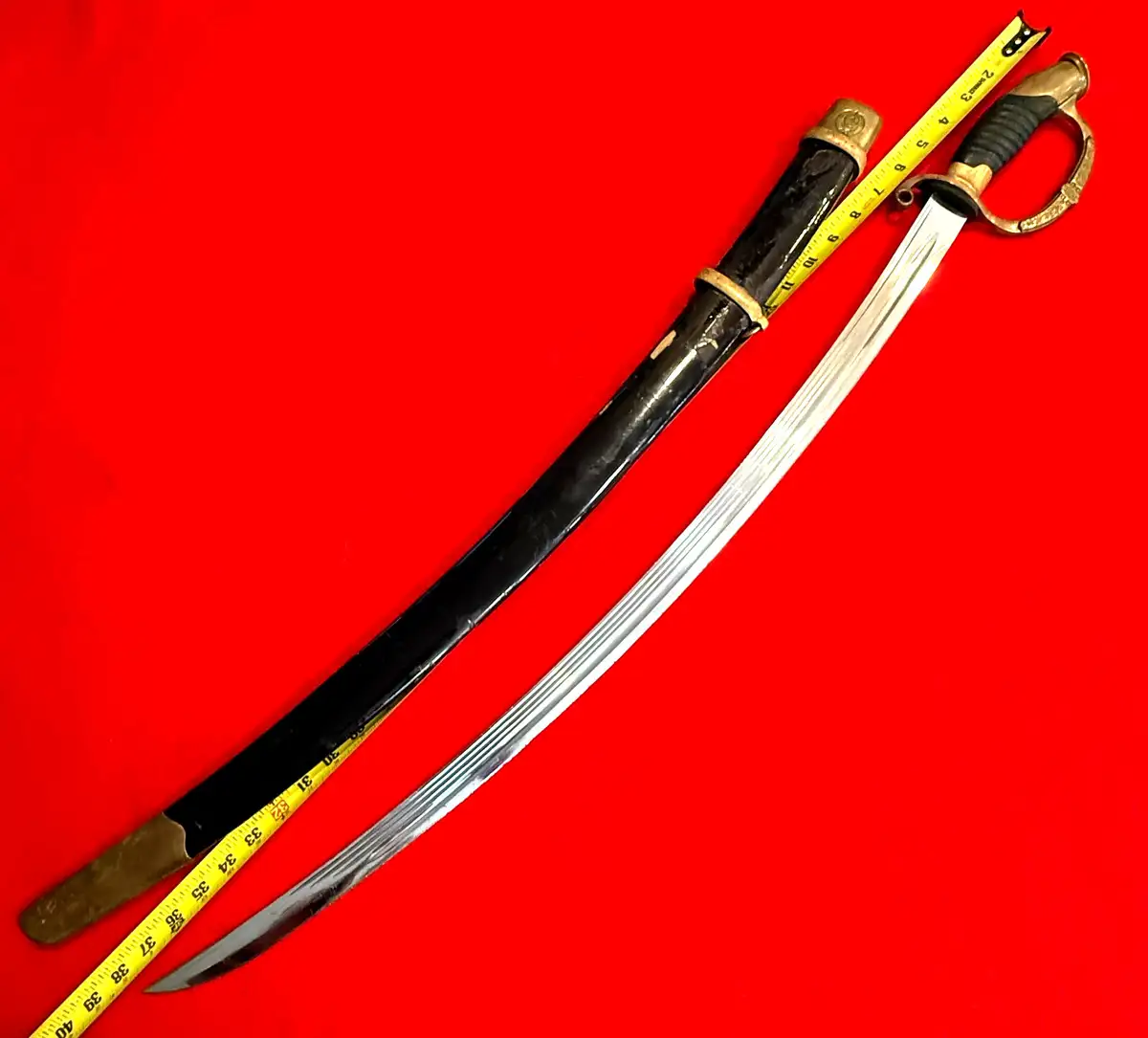
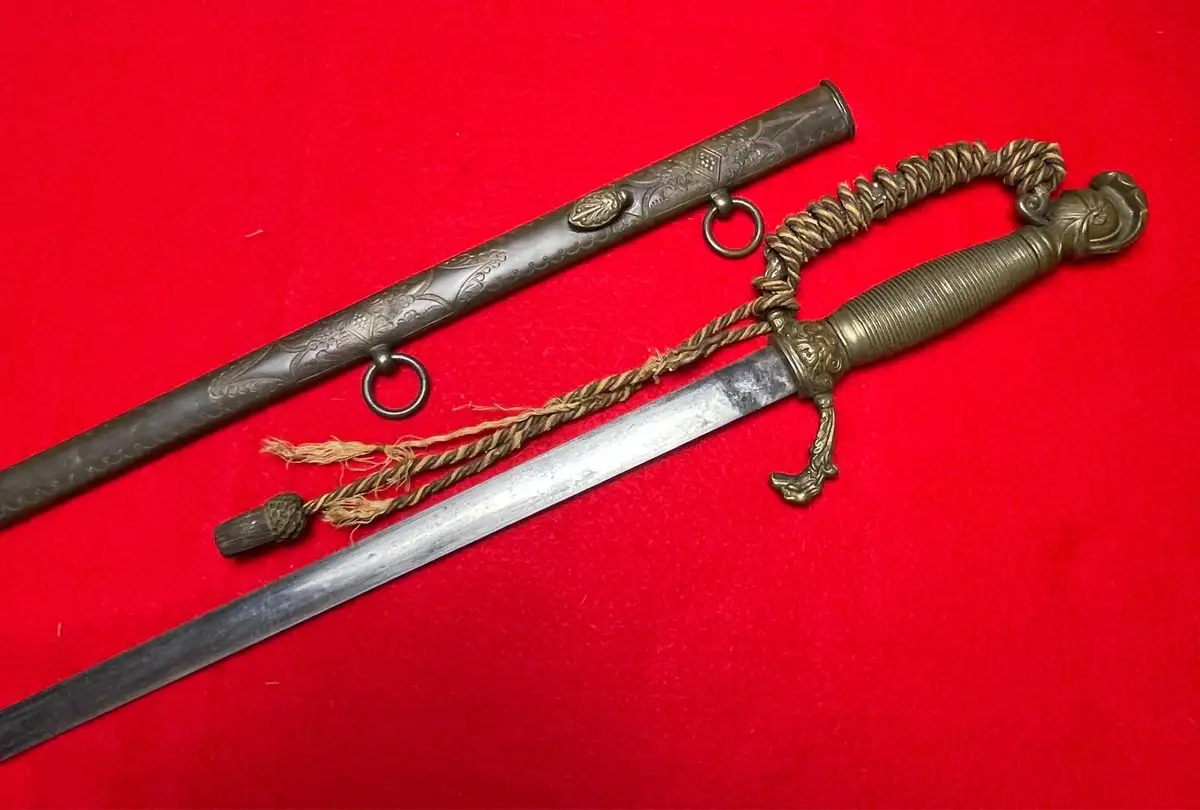
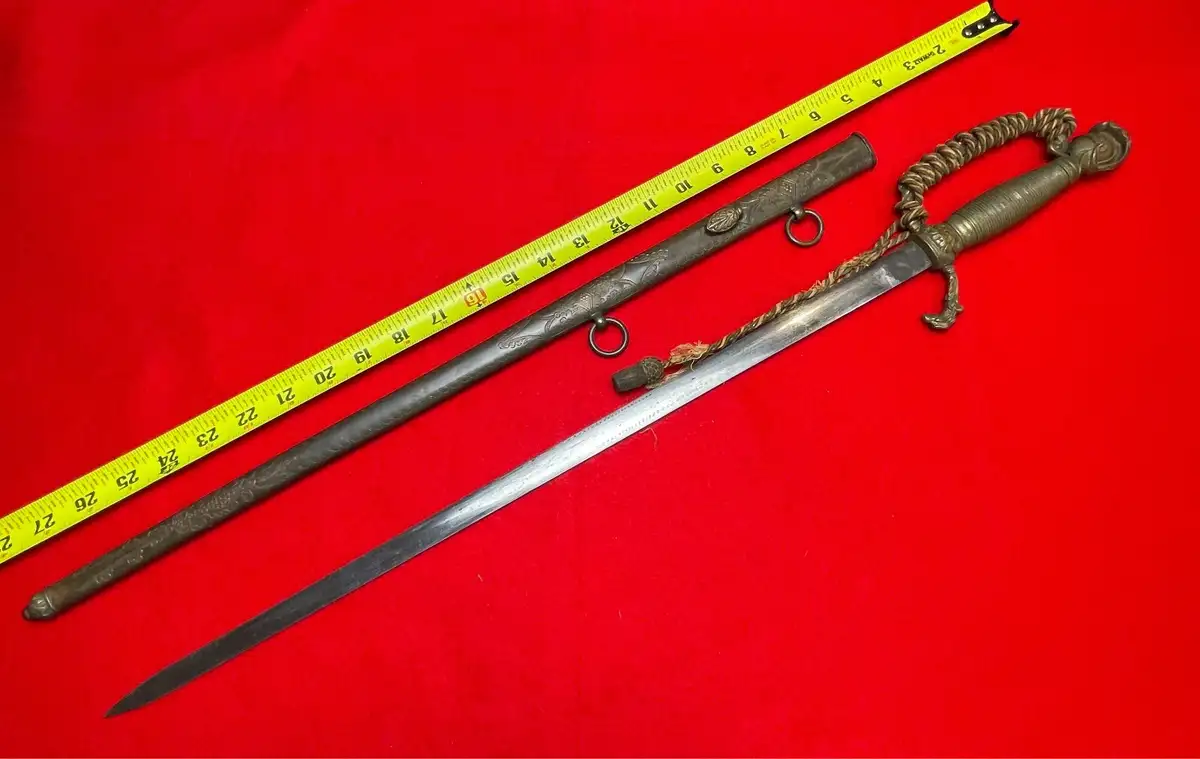
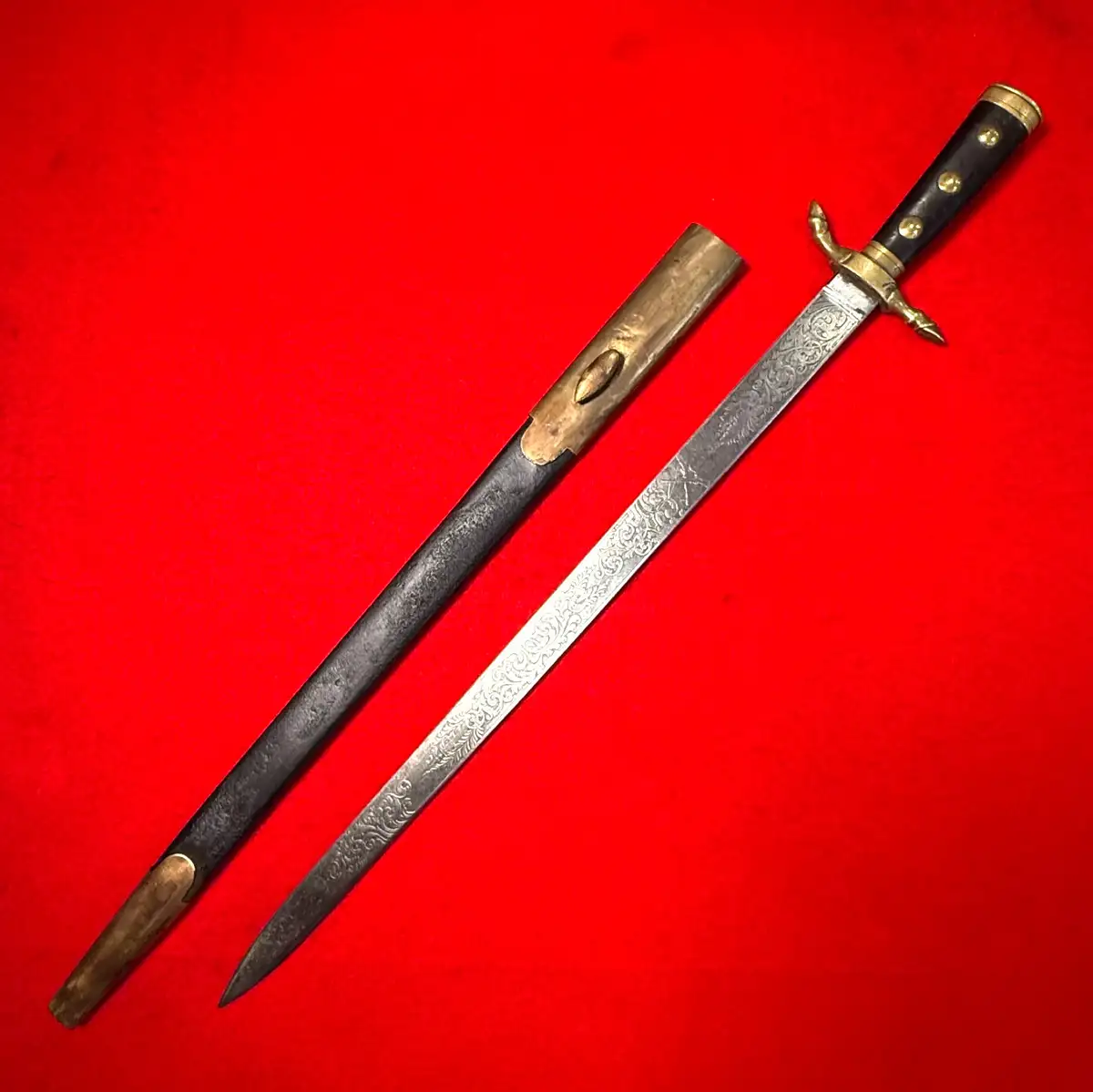
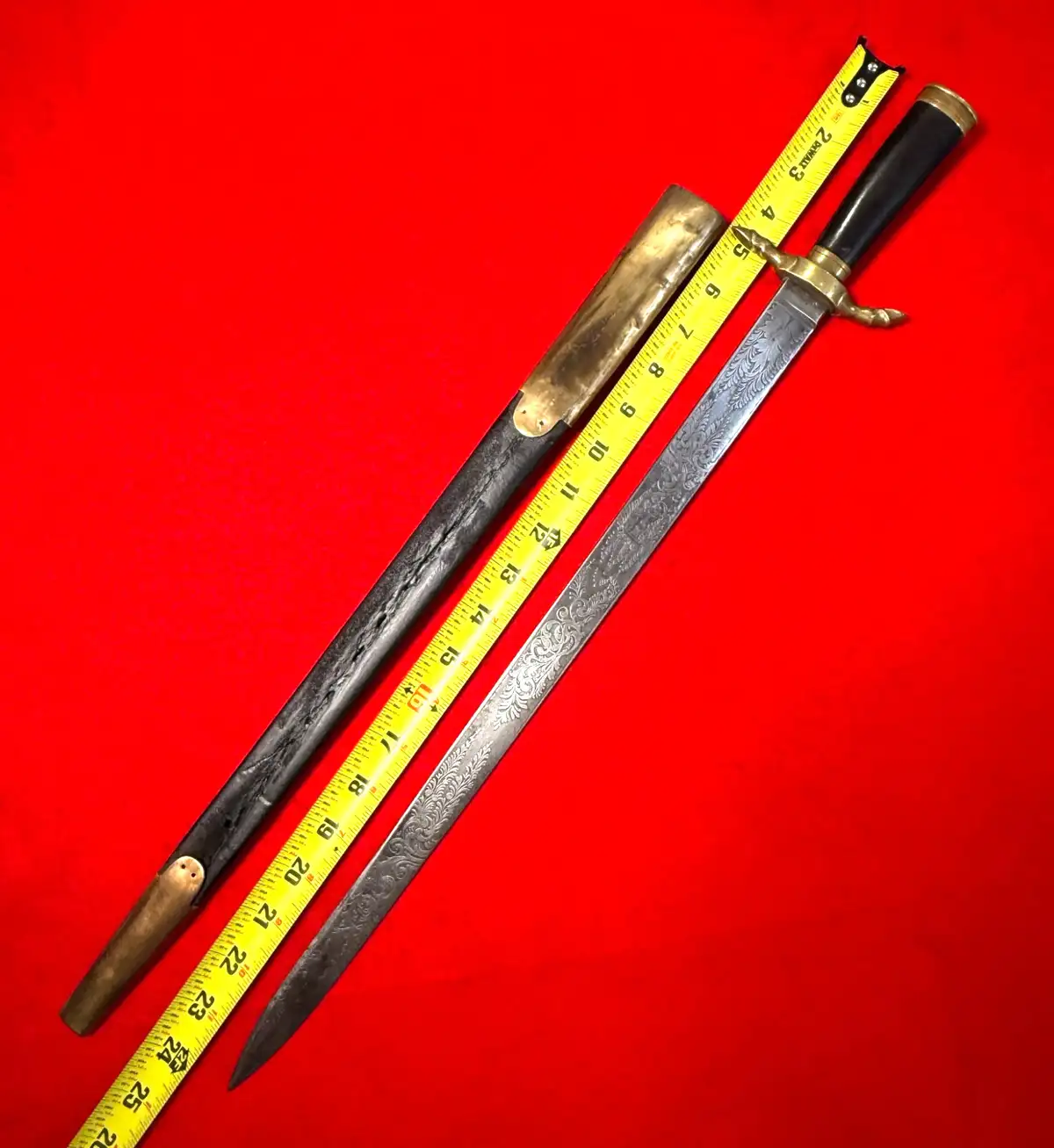
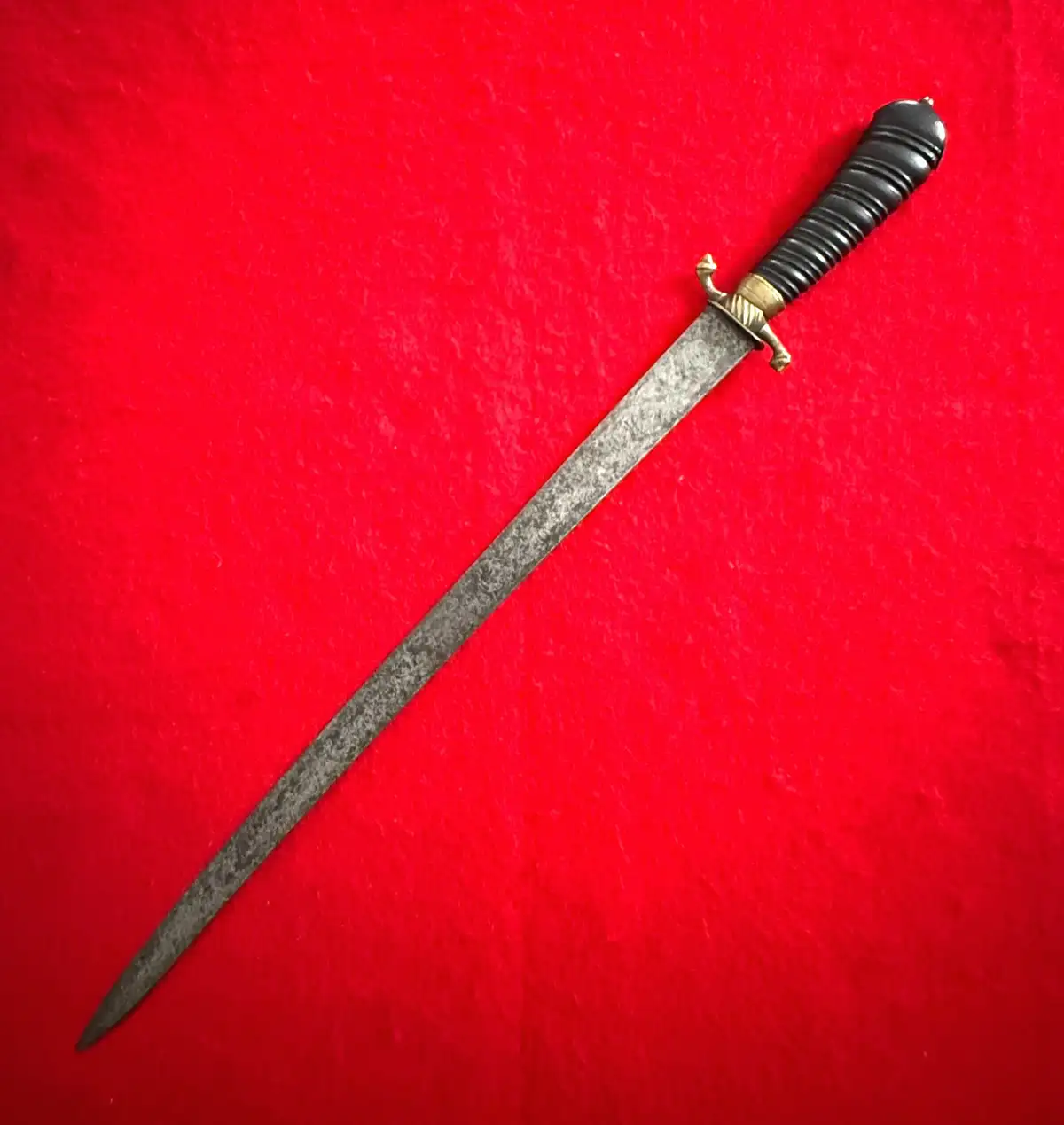
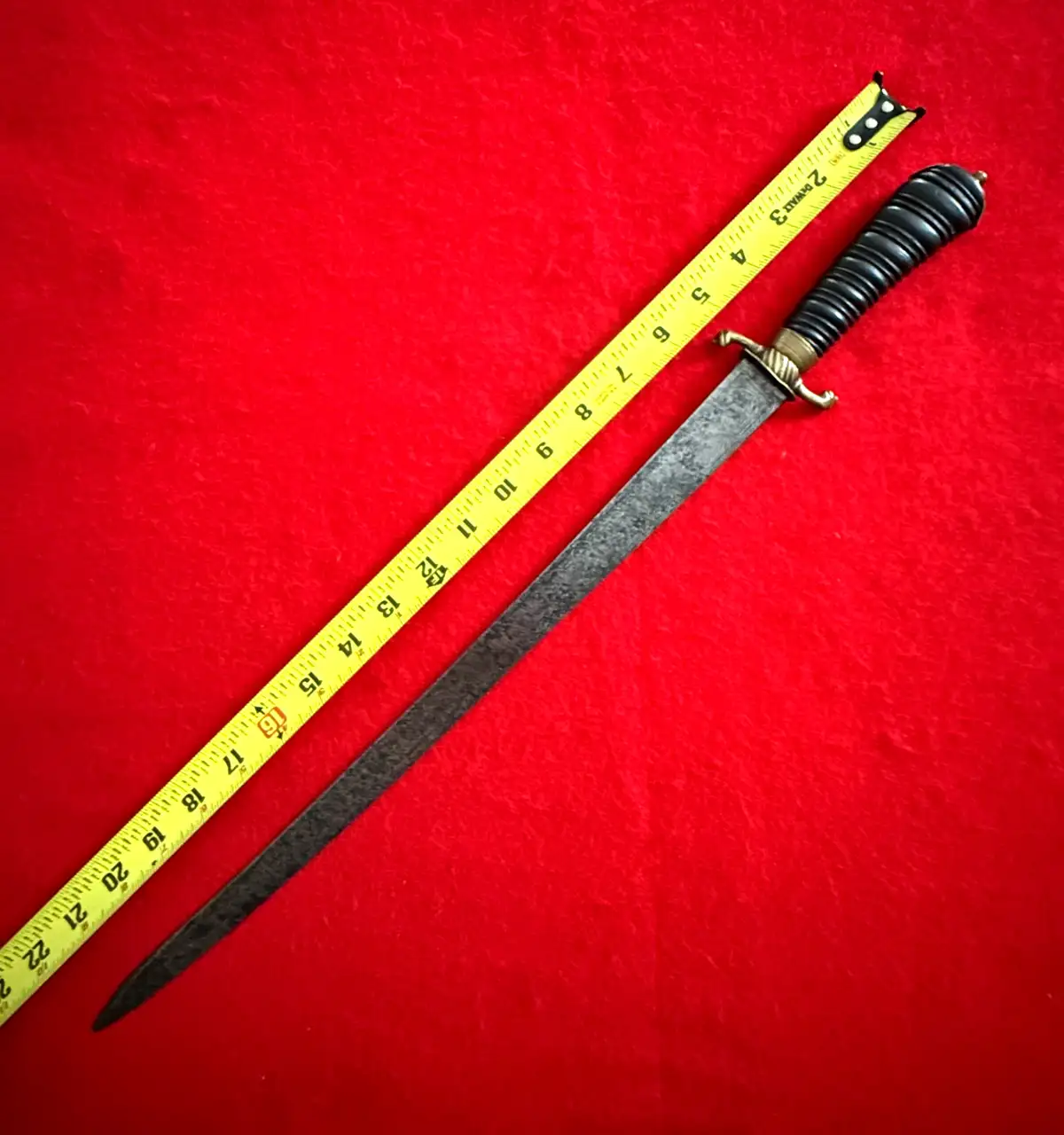
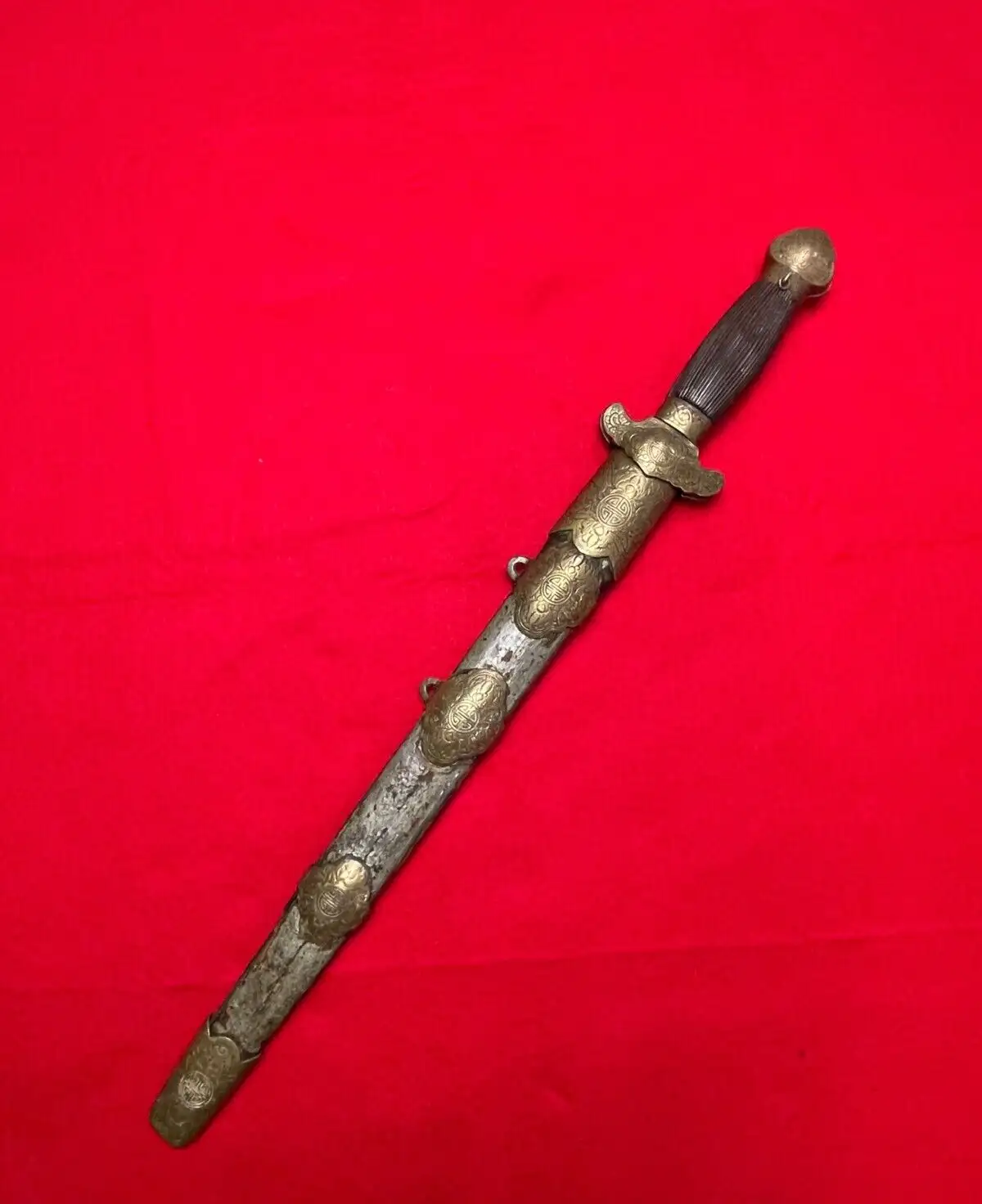
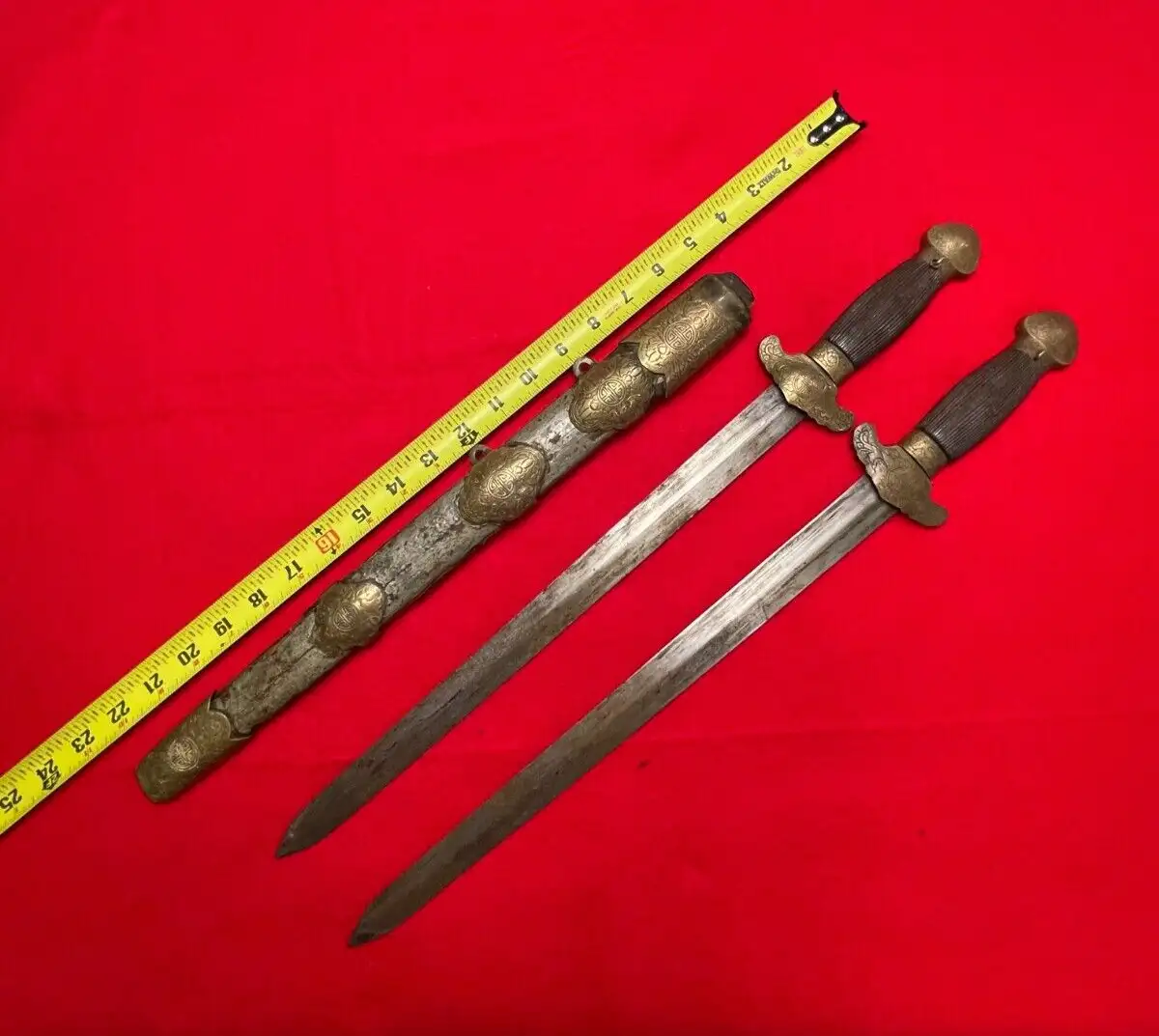
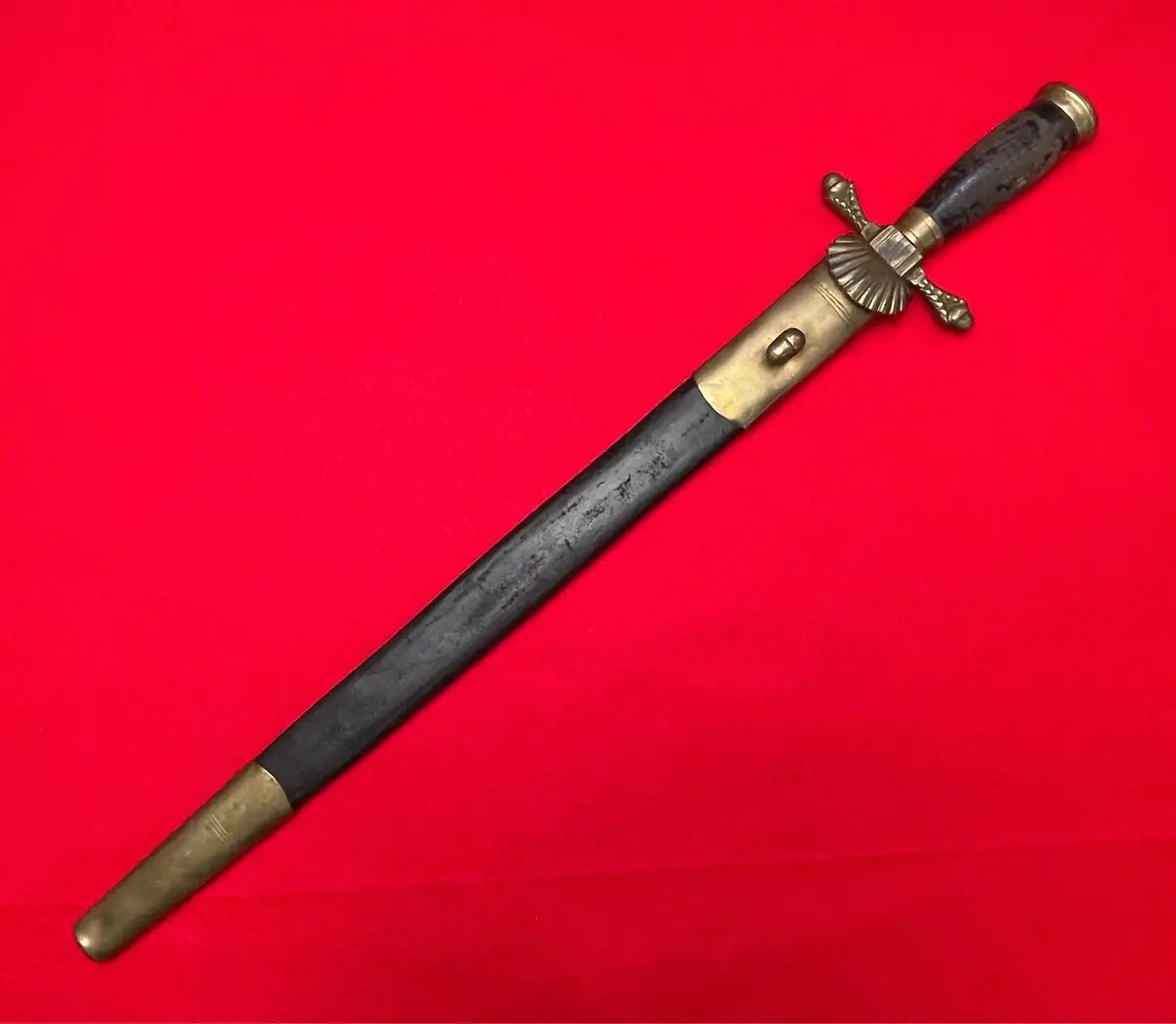
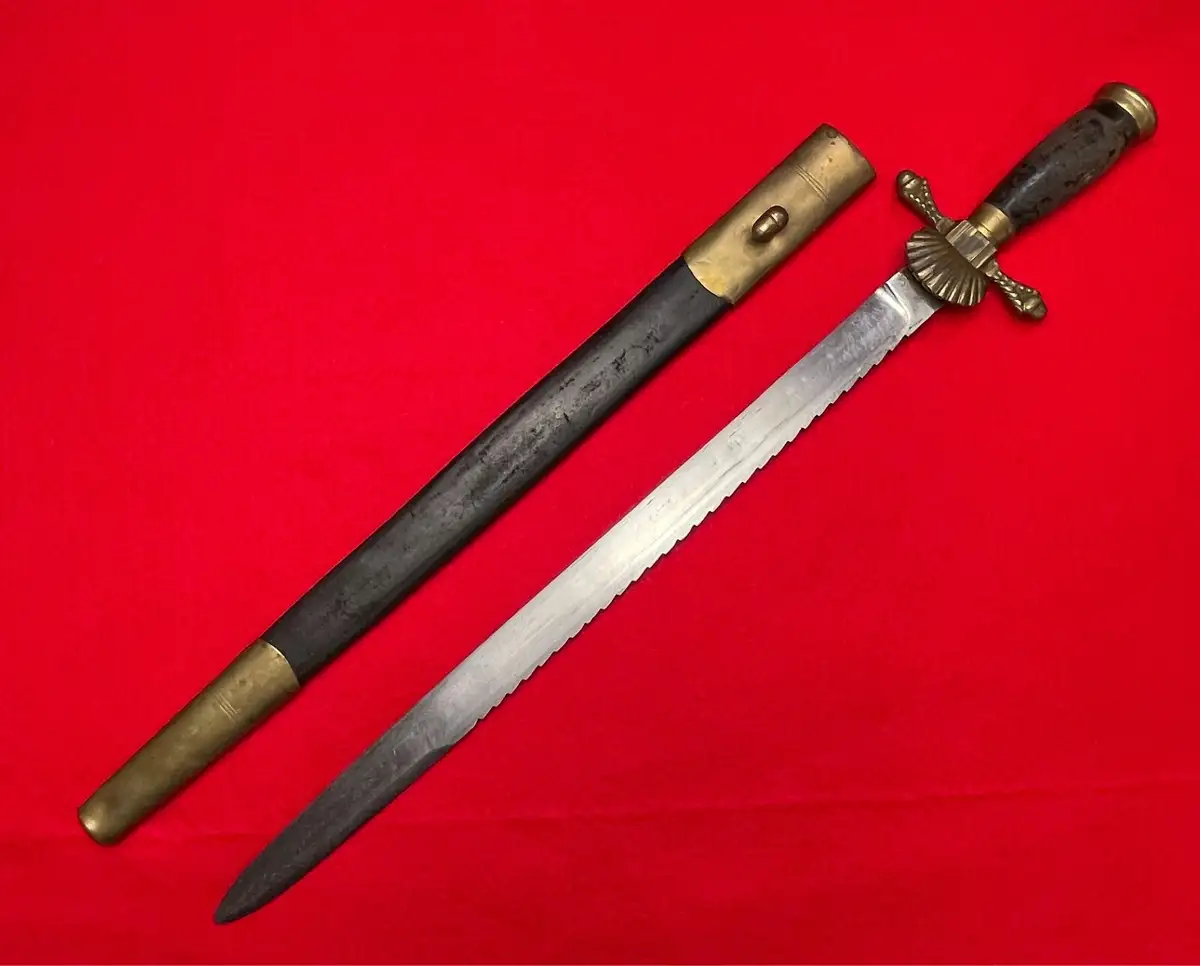
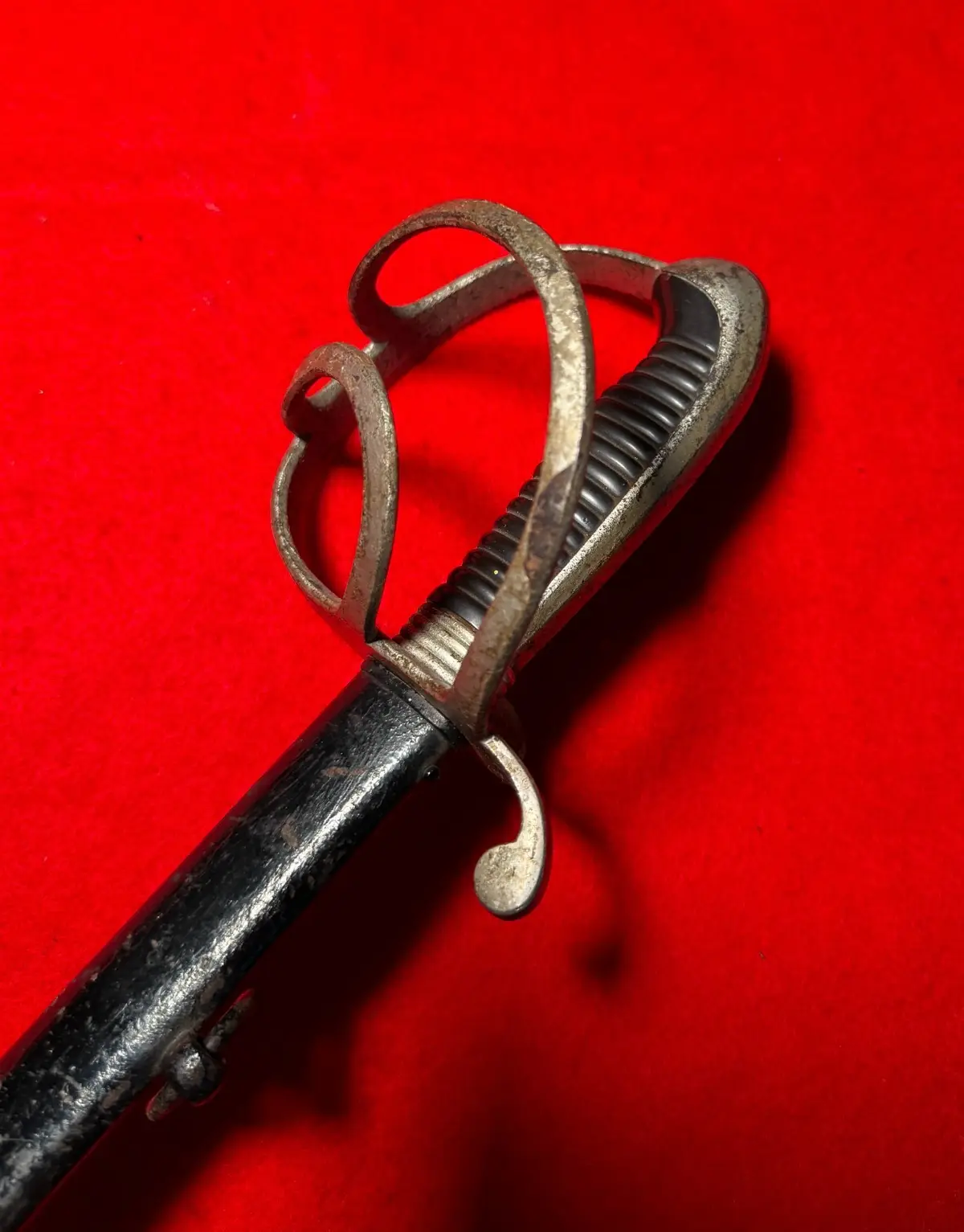
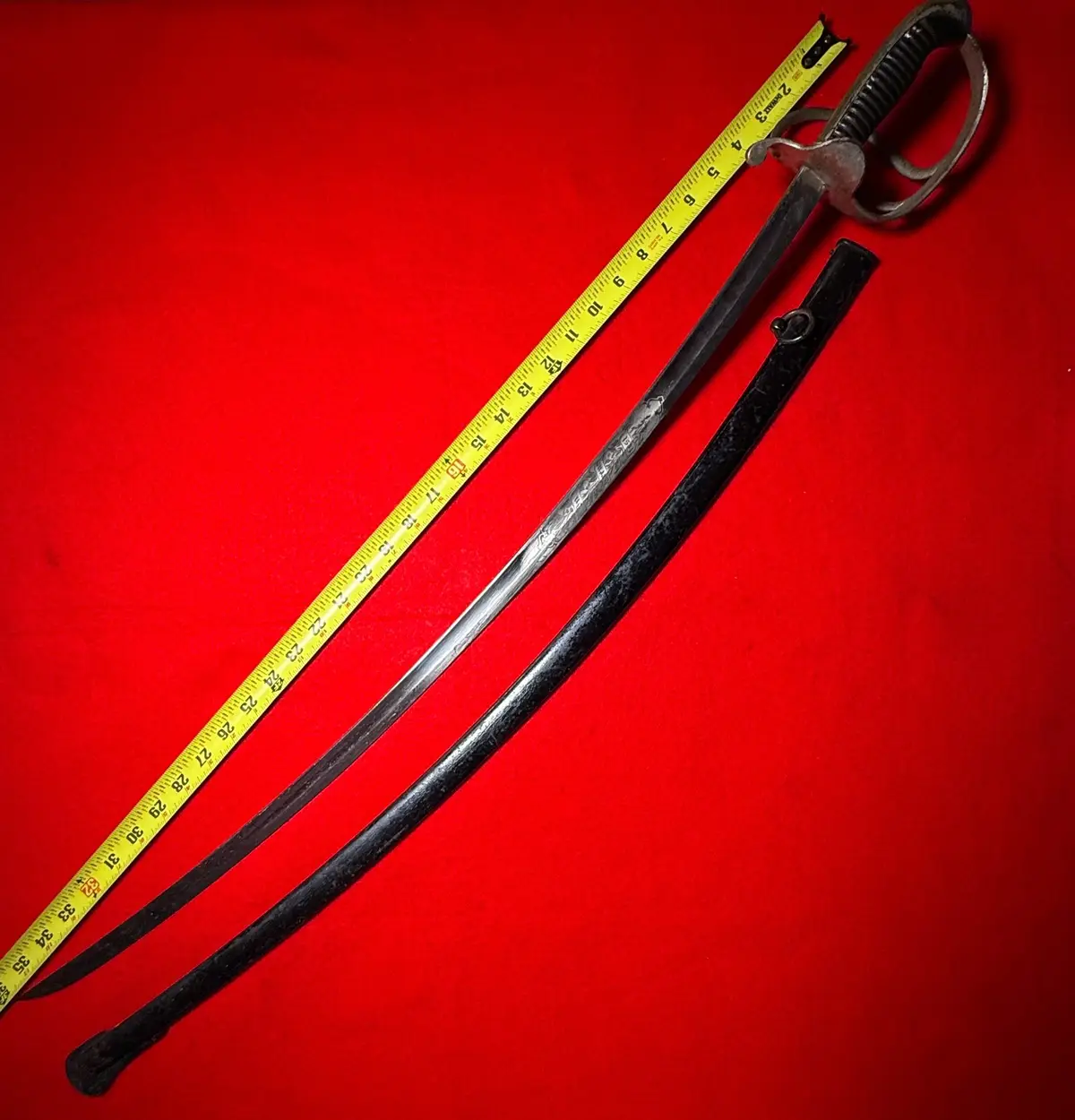
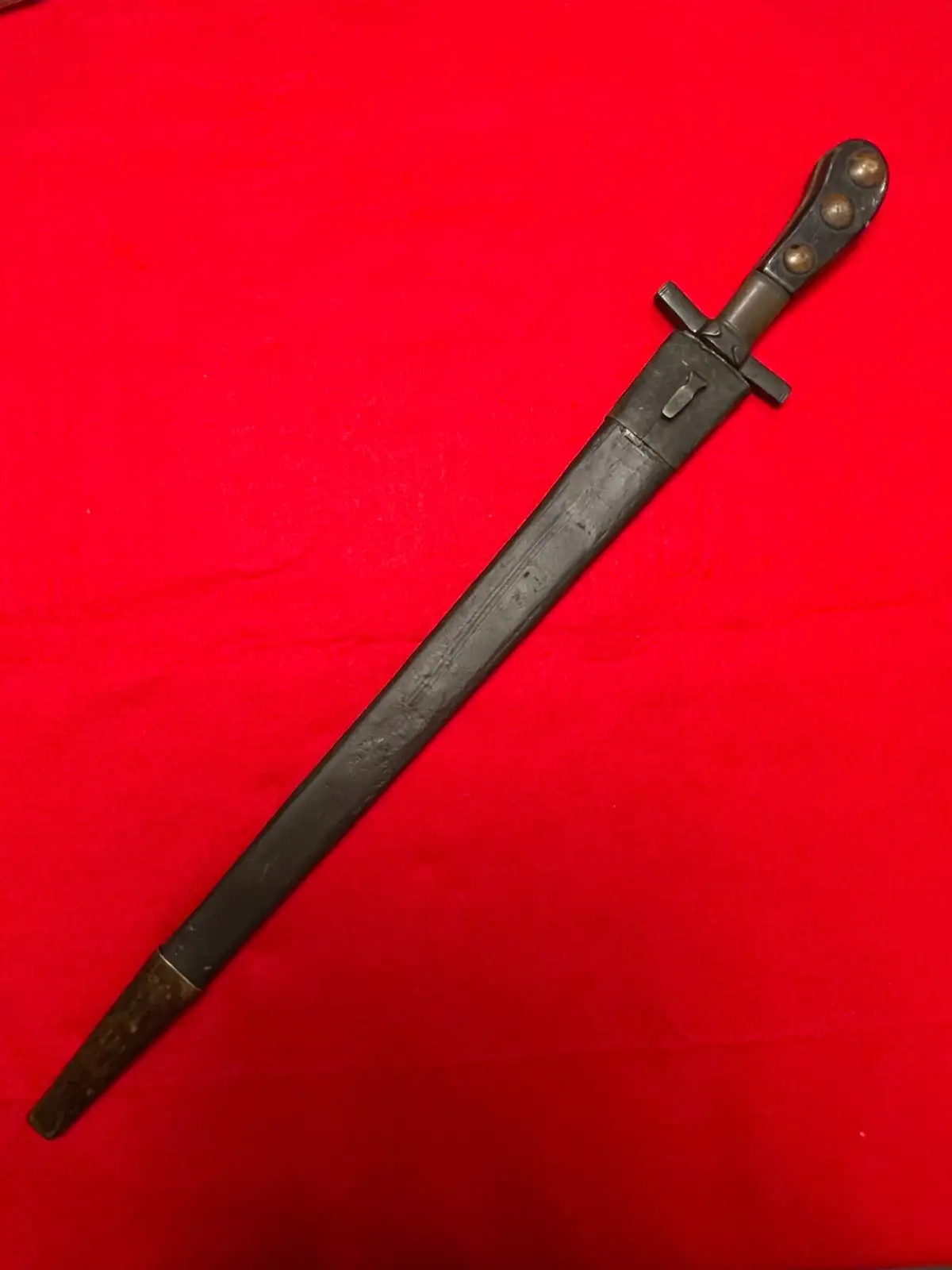
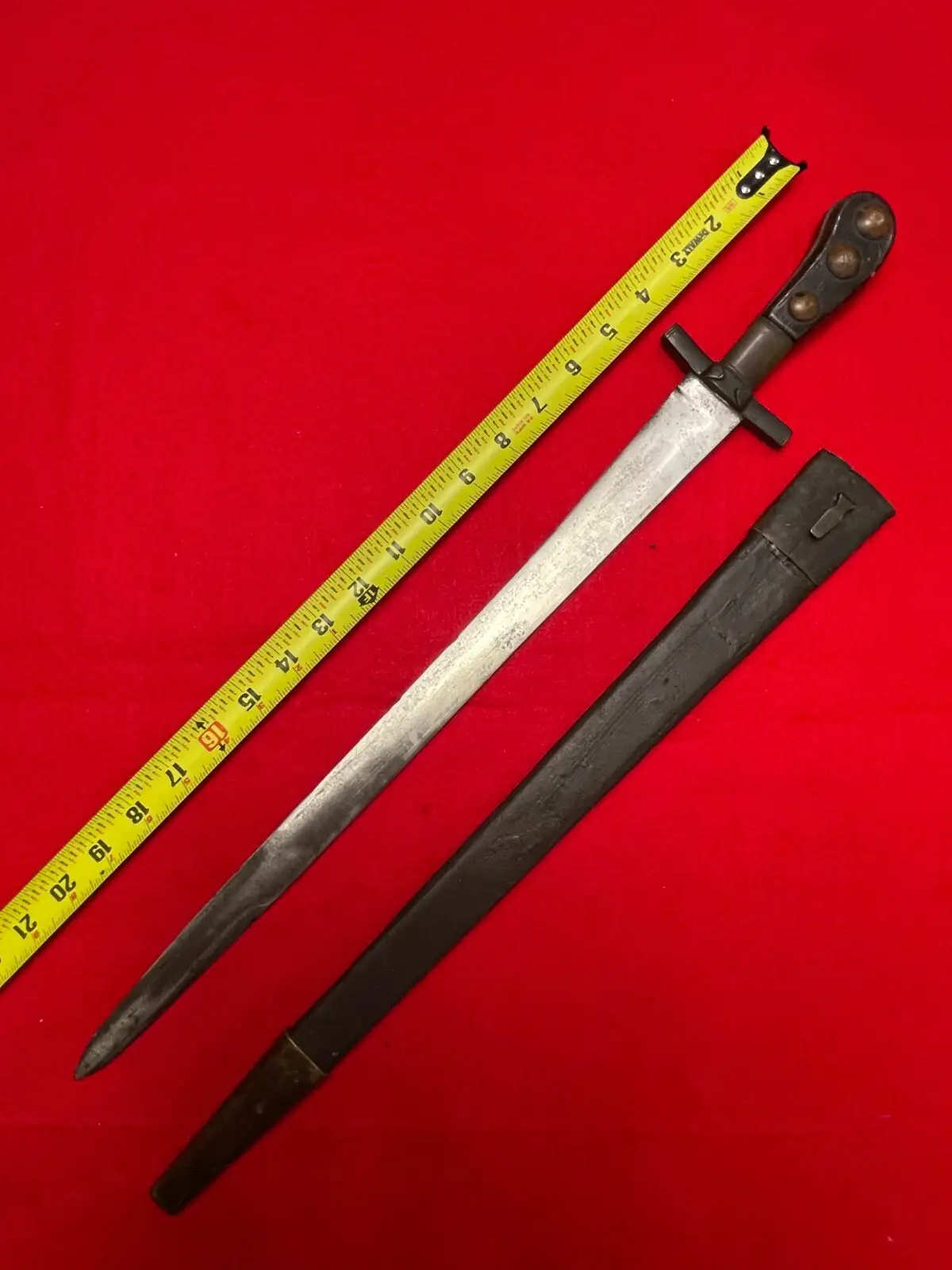
When the record gives no date
Some pieces in this archive carry no period. That is a gap in the paperwork rather than a doubt about the object, and it is worth knowing which one you are looking at.
Where a date comes from, and where it does not
Every piece here arrived with a record written by whoever sold it. That record is where the period on a listing comes from. When the seller stated a conflict or an era, the catalogue carries it. When the seller stated nothing, the catalogue carries nothing, and the piece appears here.
The alternative was to fill the gap. A date estimated from a photograph, typed into the same field as a date read off a blade, becomes indistinguishable from it the moment it is published — and then it is quoted back, cited, and eventually believed. One guess in a catalogue of two hundred is enough to make the other hundred and ninety-nine worth less.
So the field stays empty and the page says why.
An undated piece is not an unknowable one
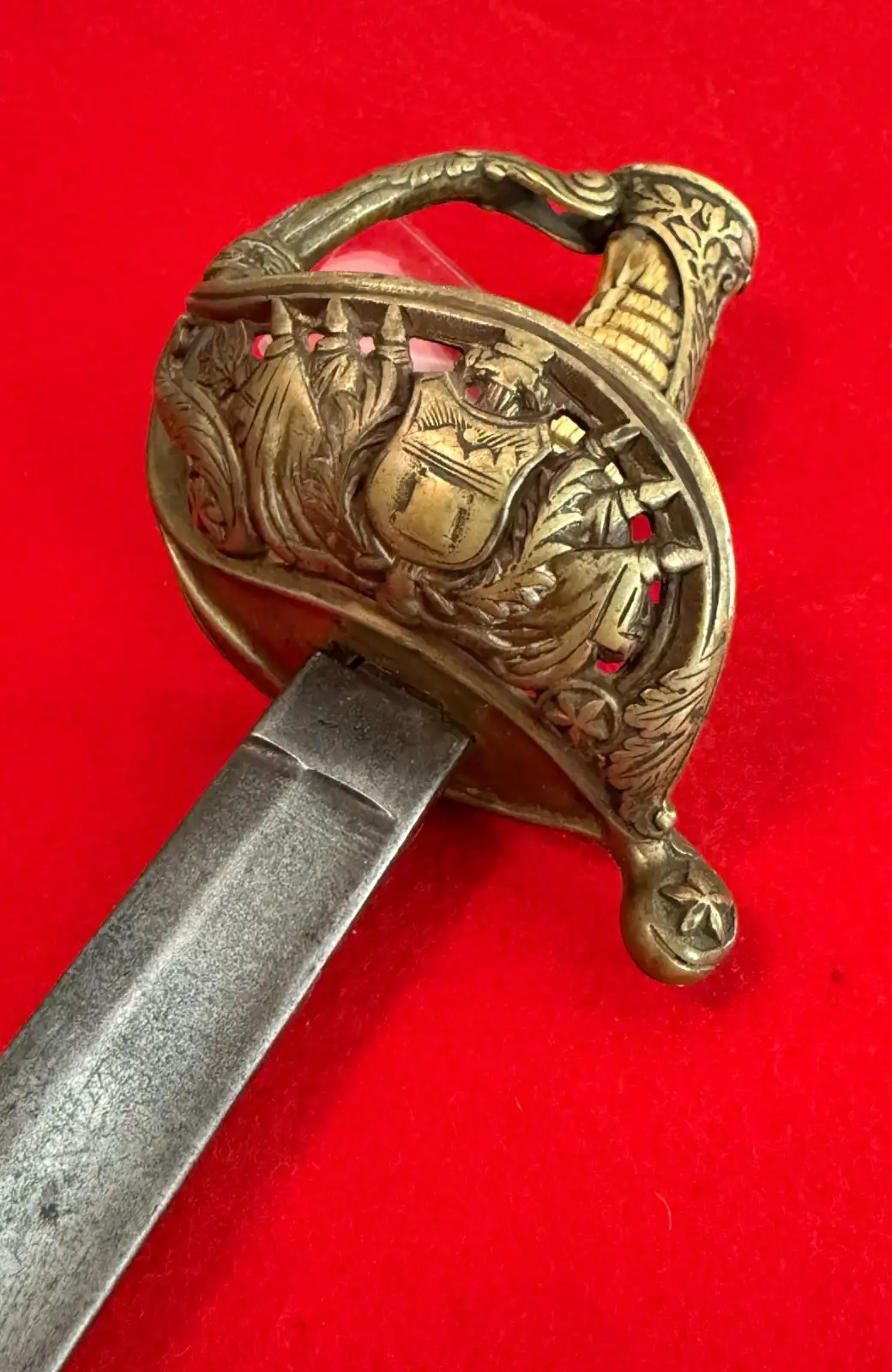
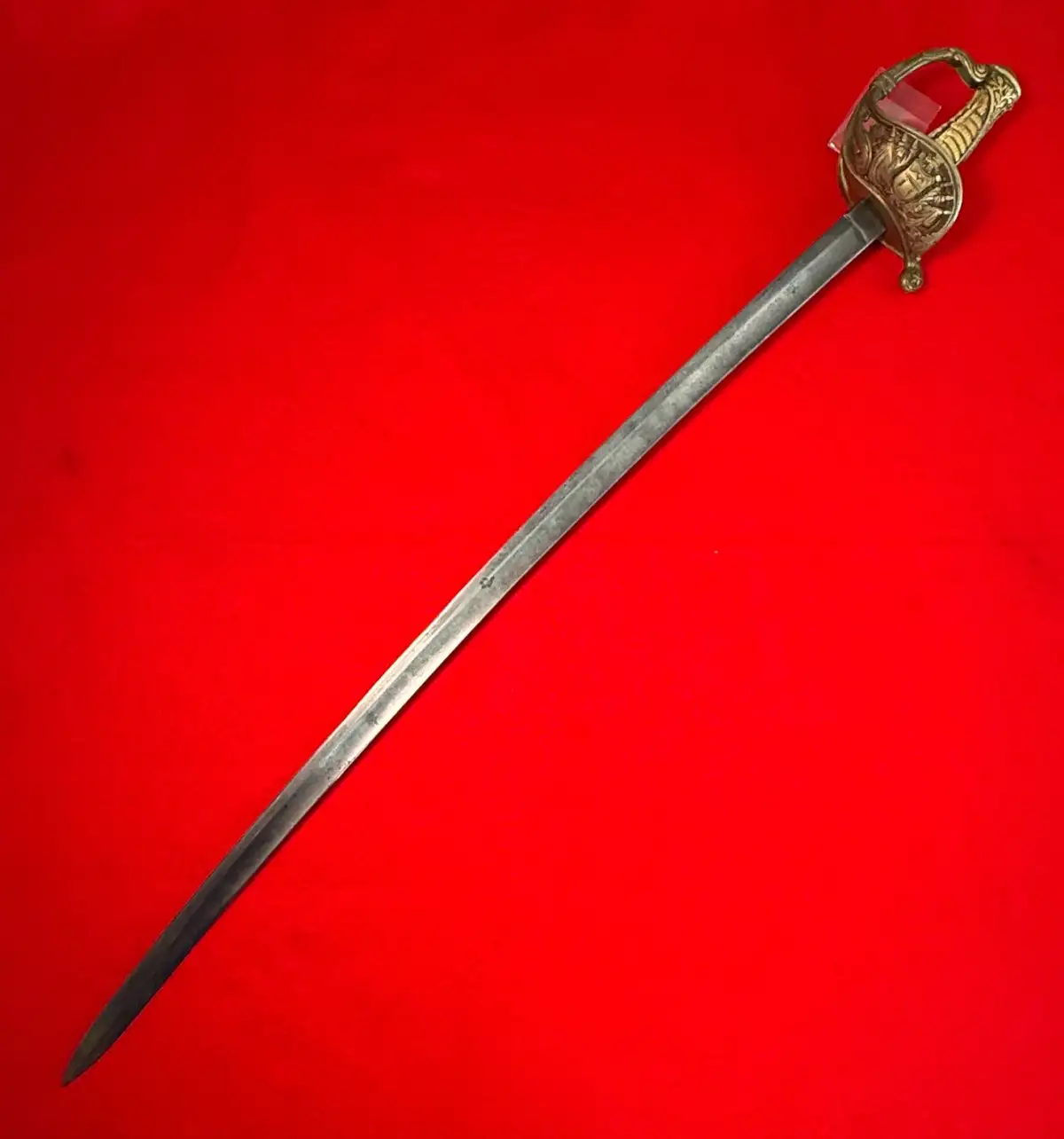
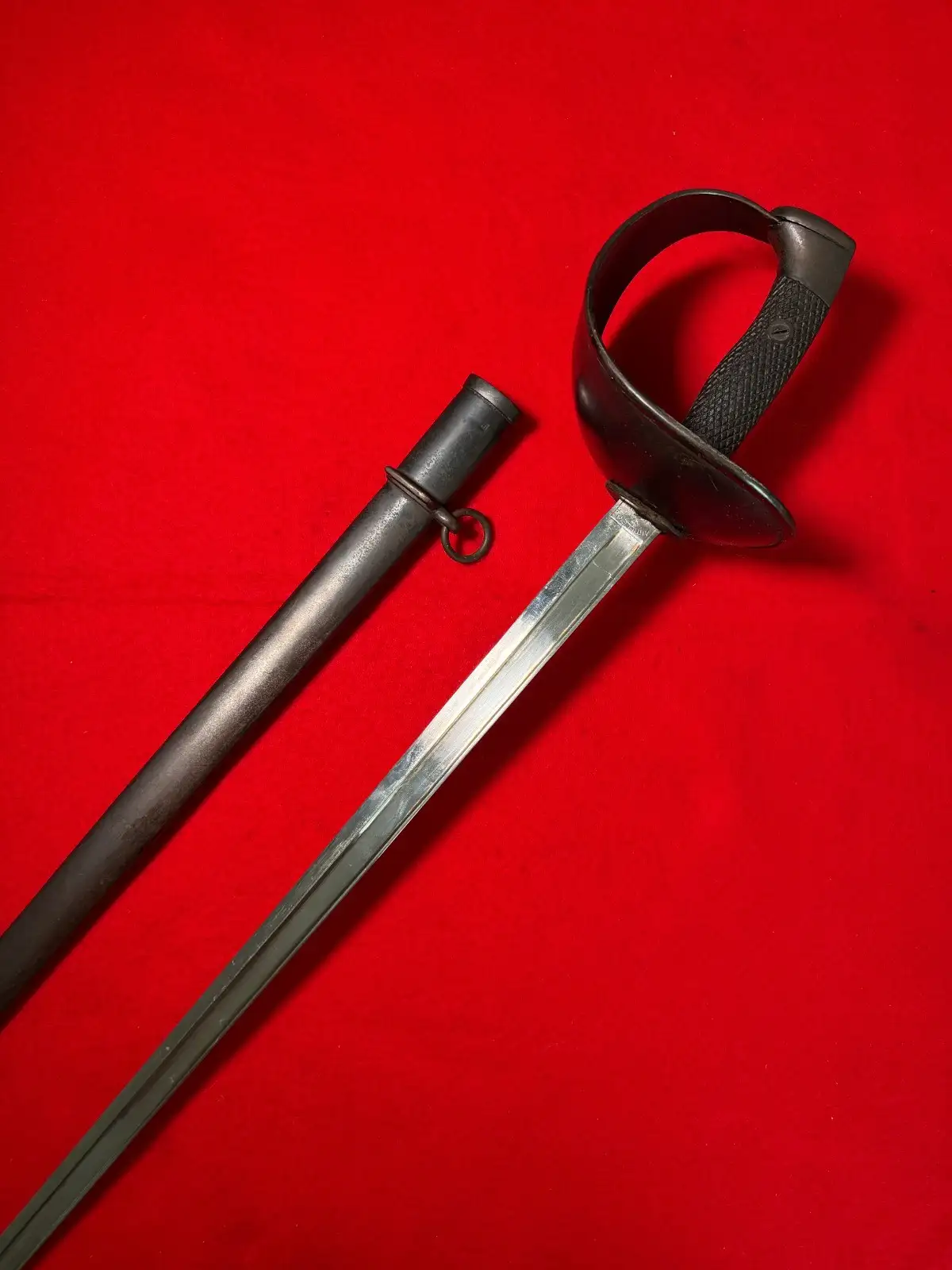
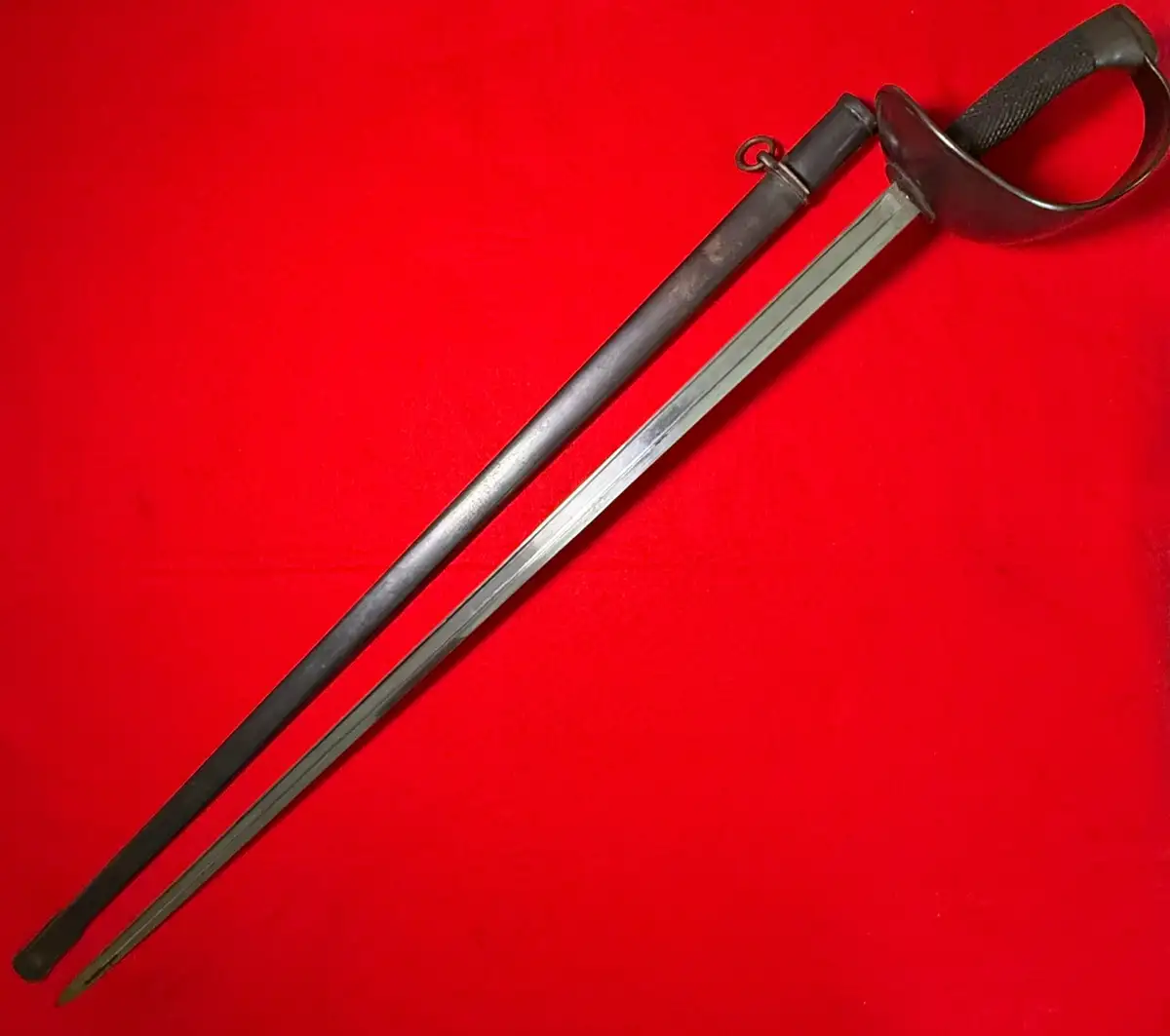
A missing period is one missing column. Most of what actually identifies an edged weapon is still in front of you.
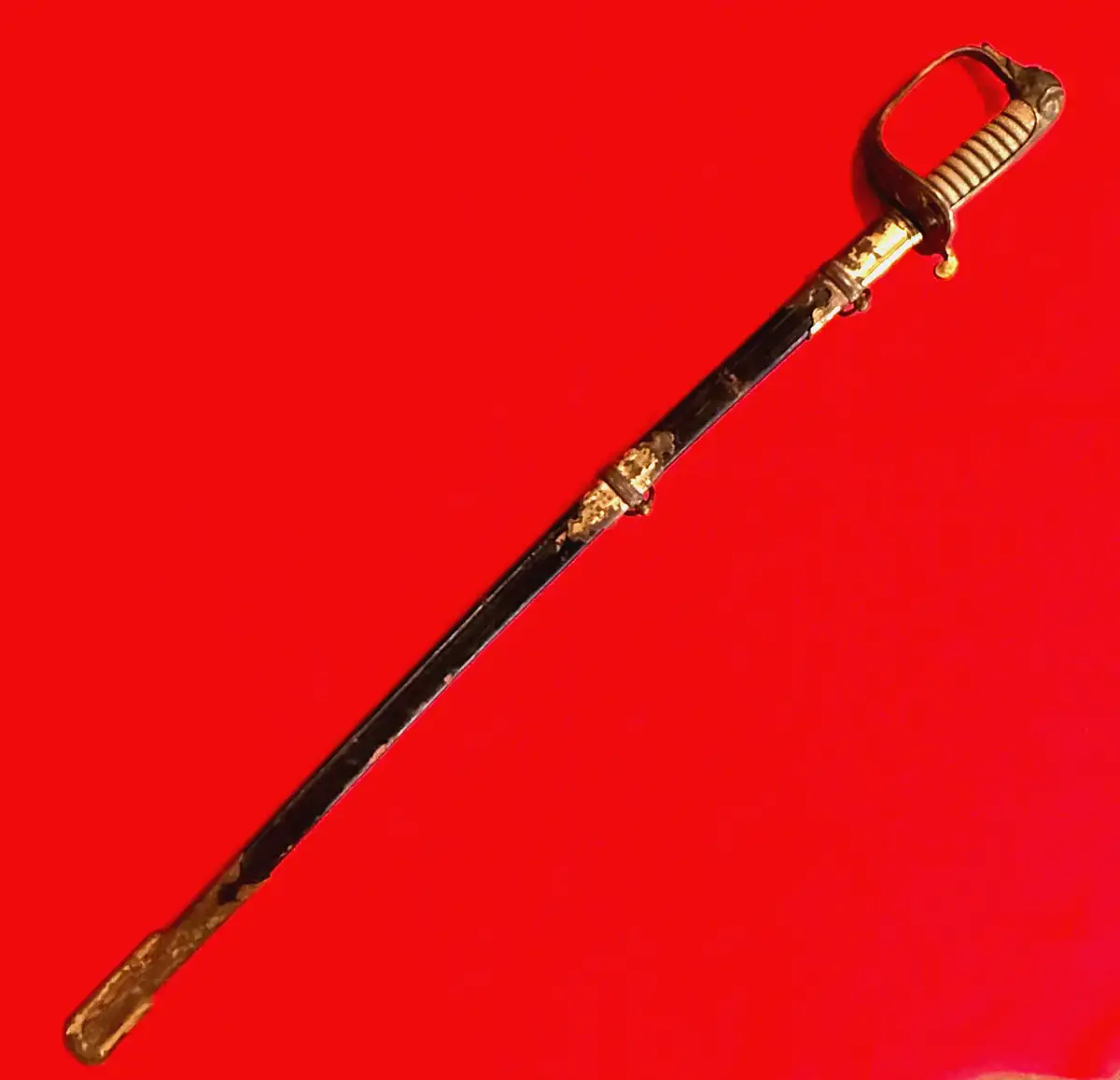
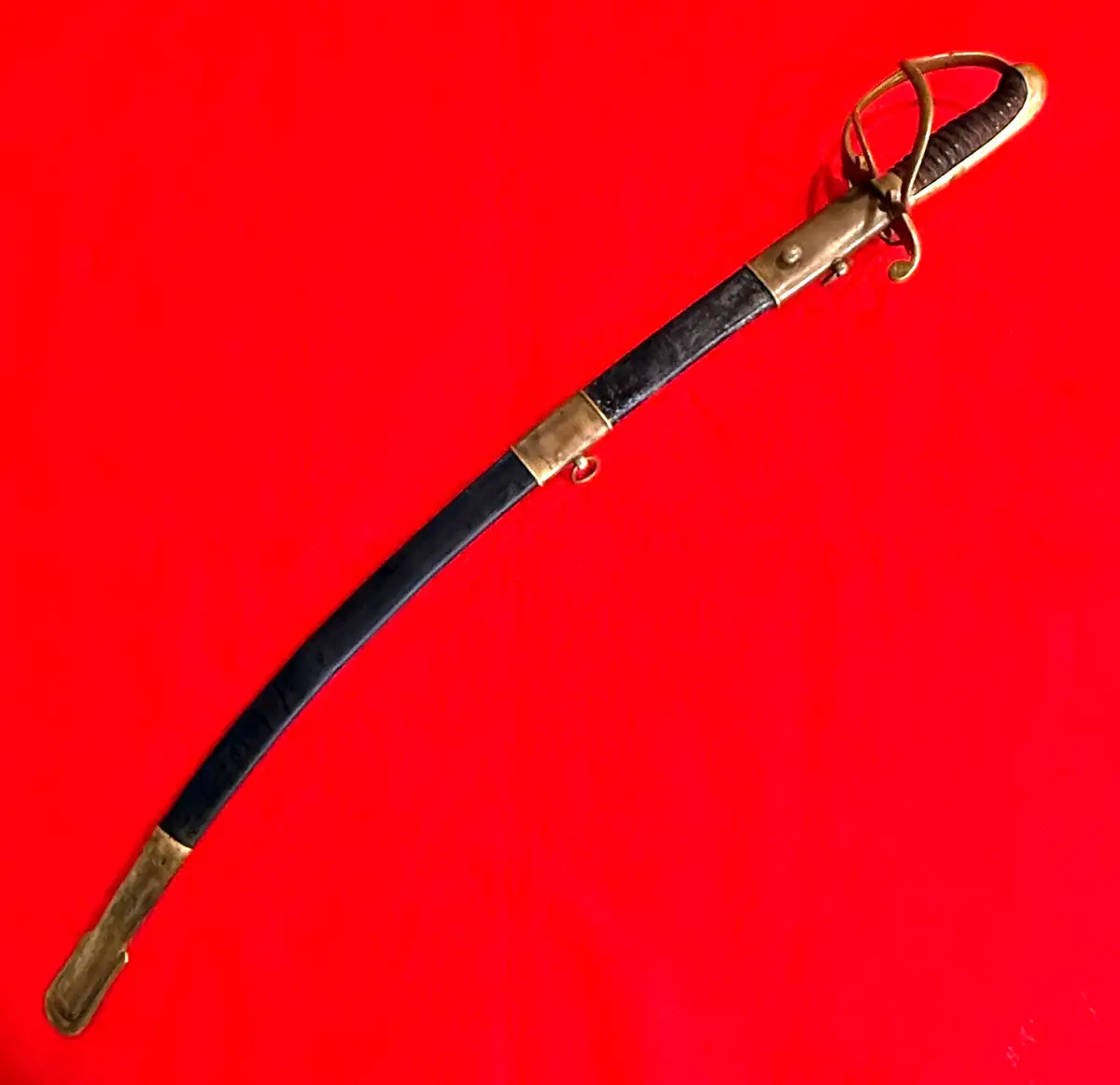
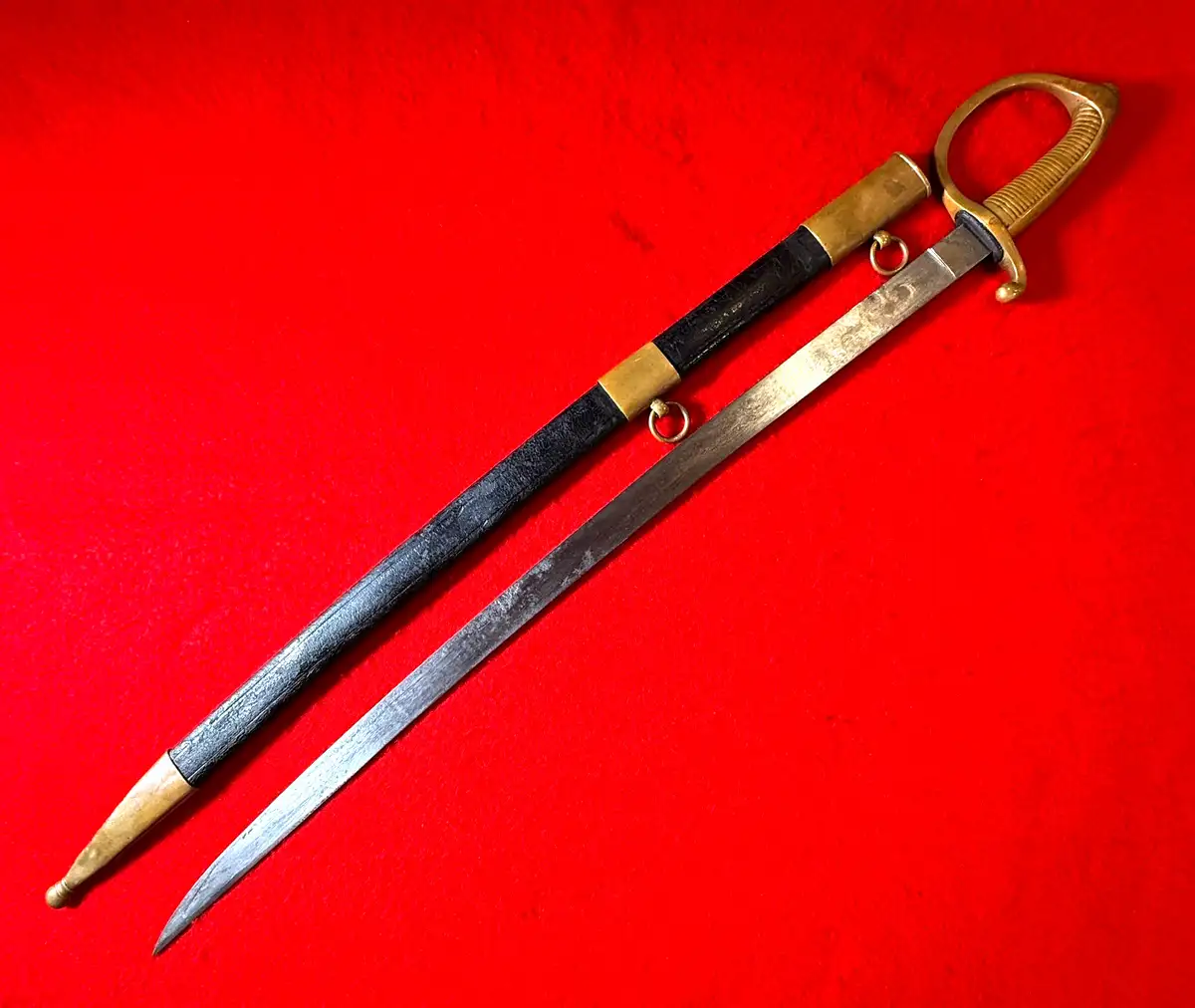
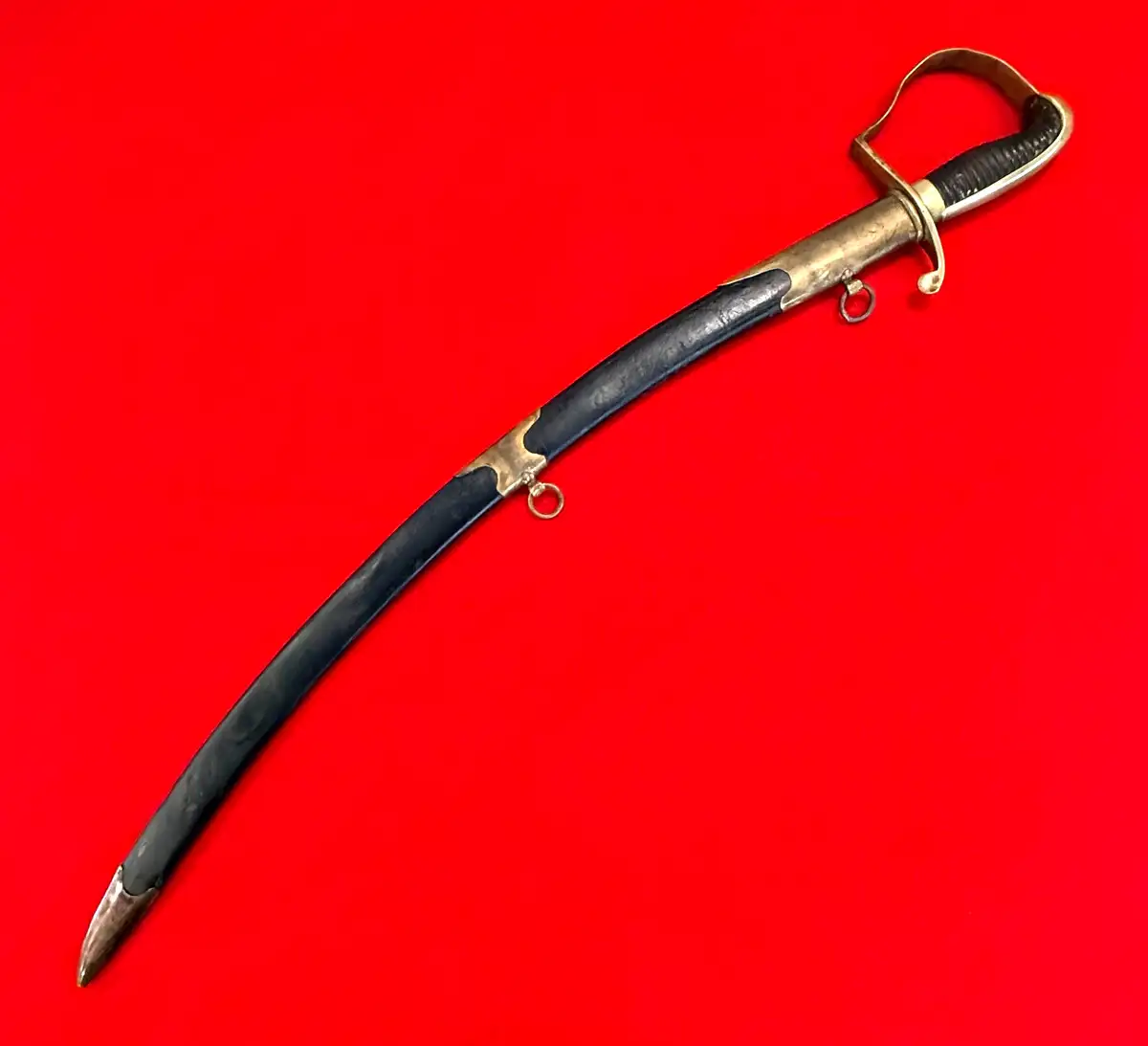
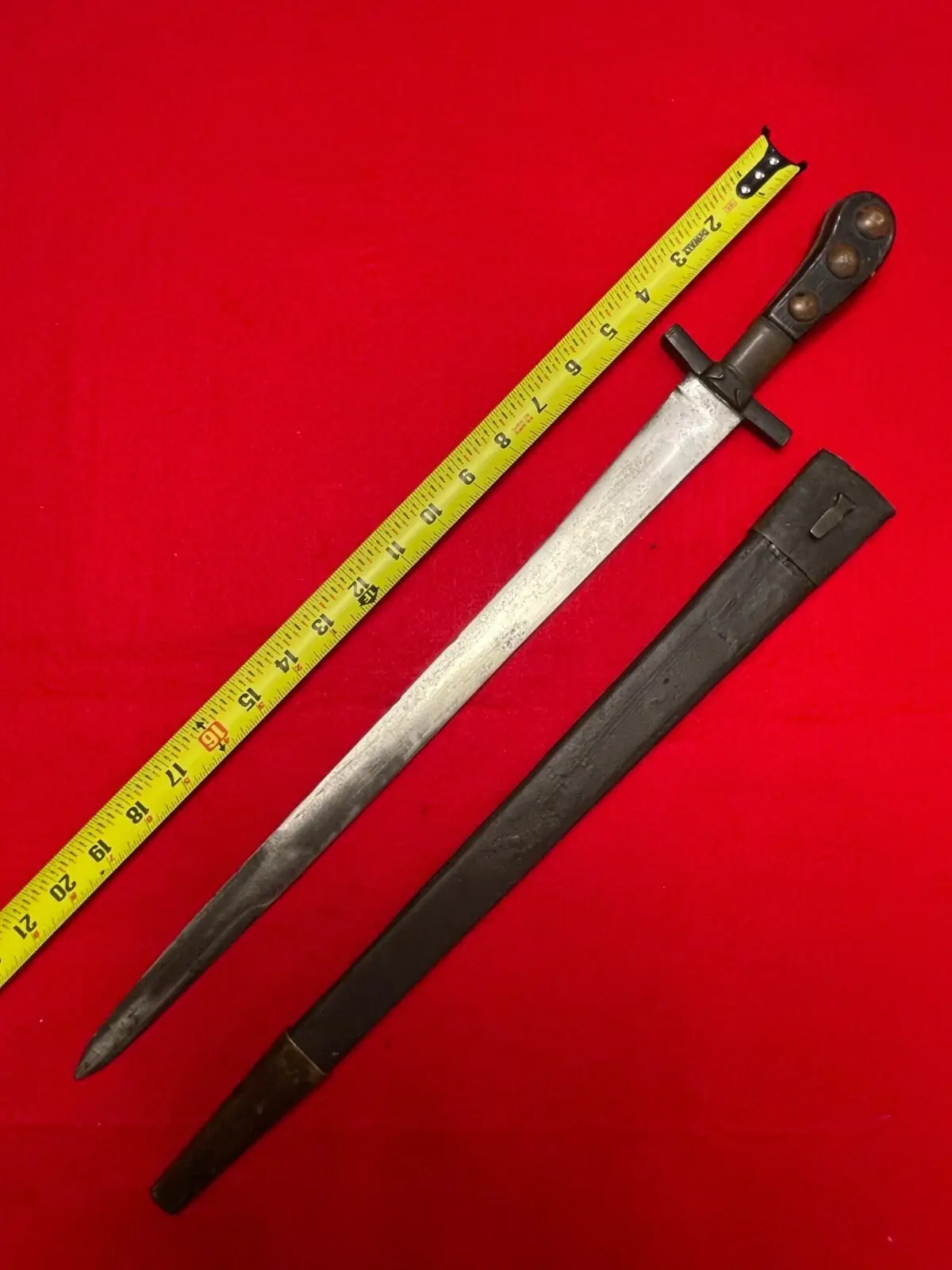
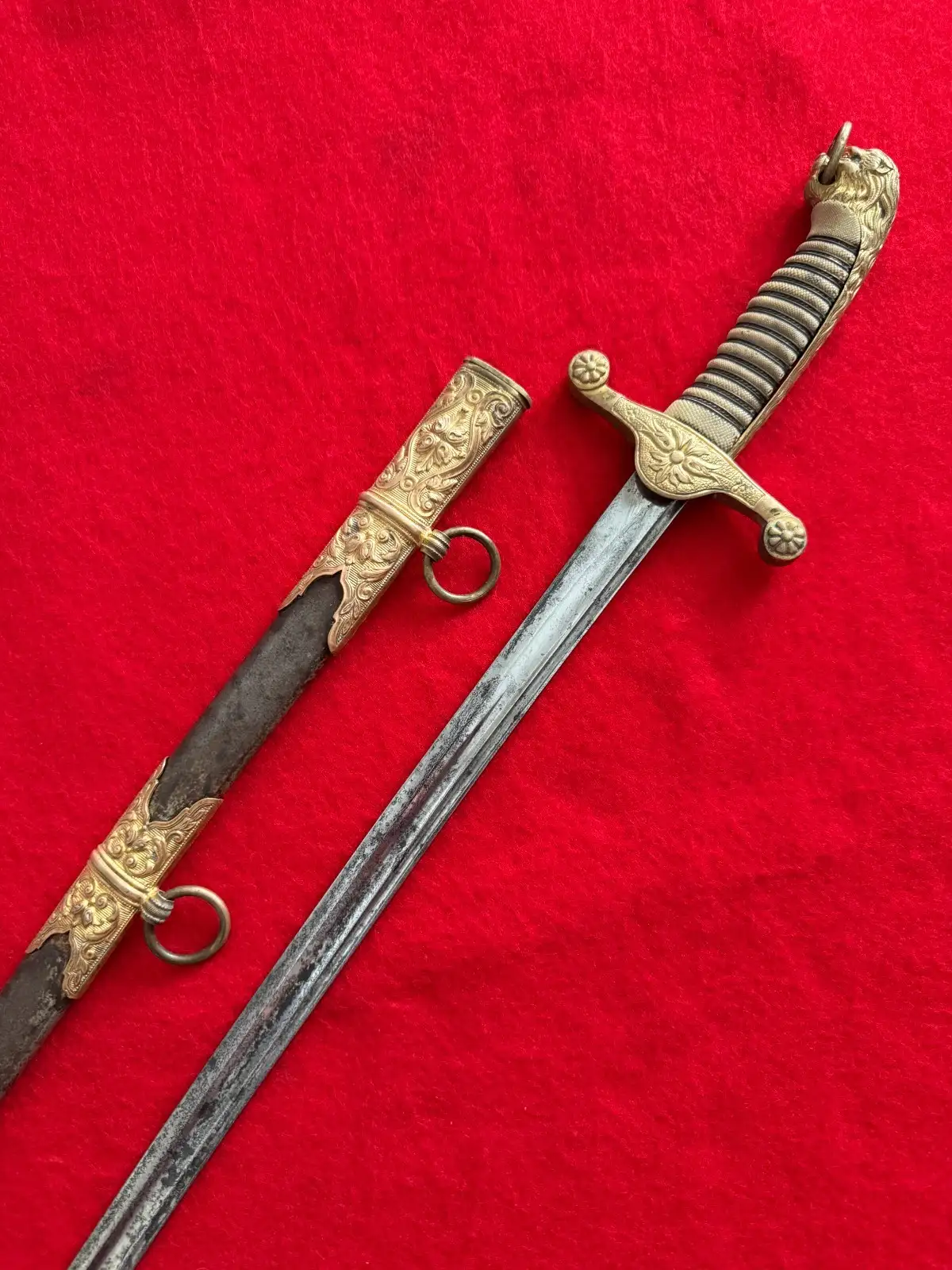
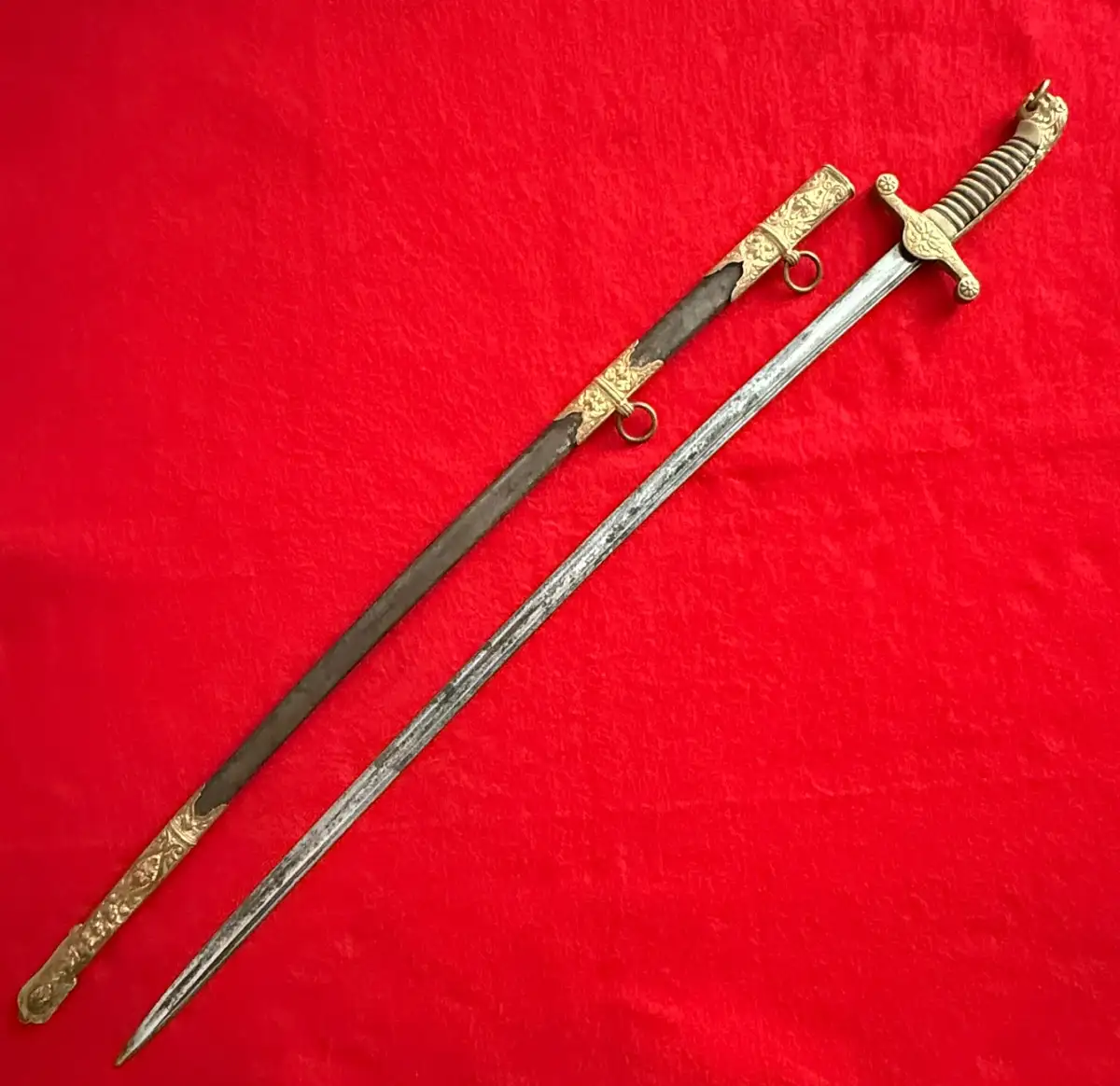
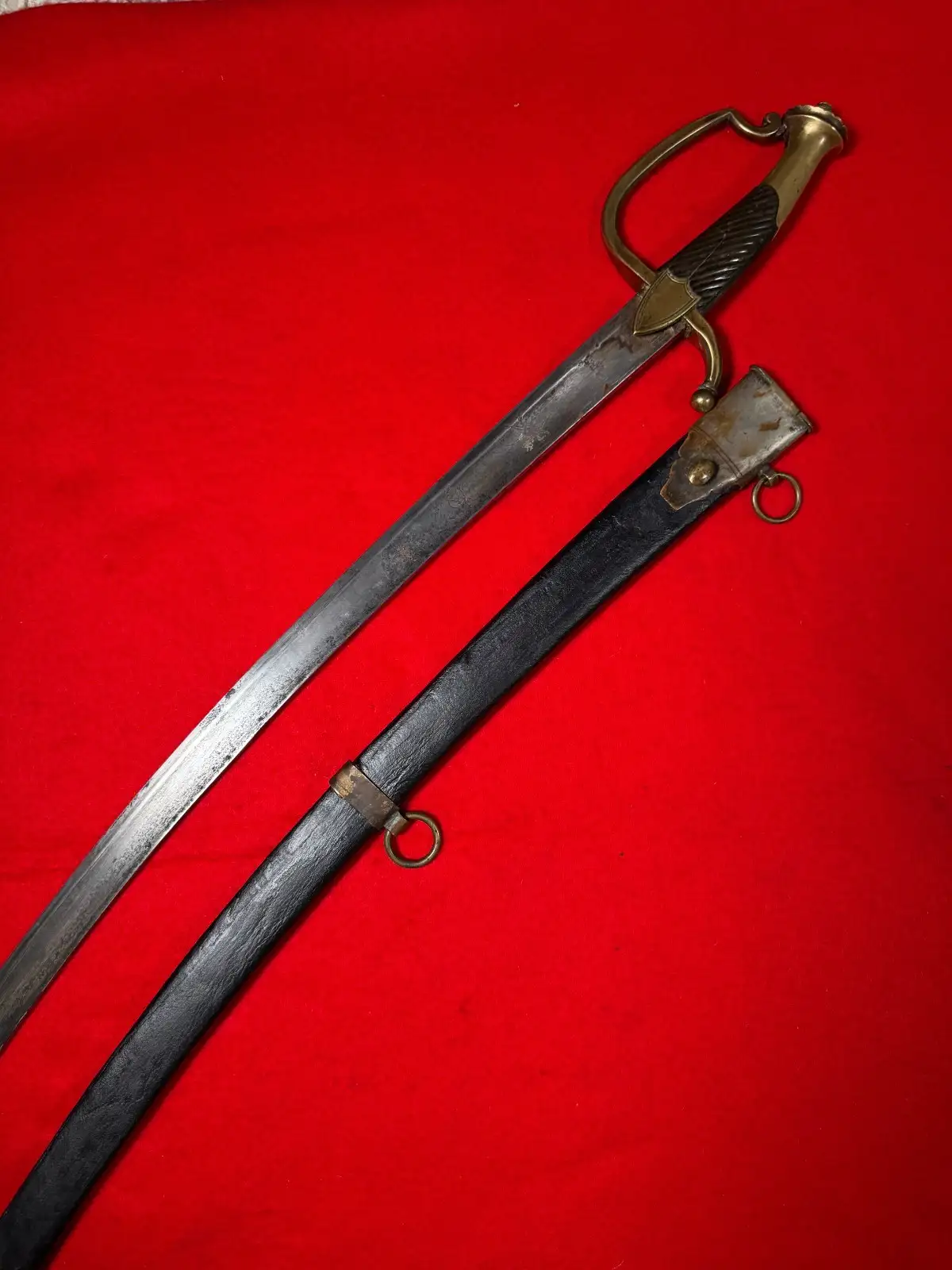
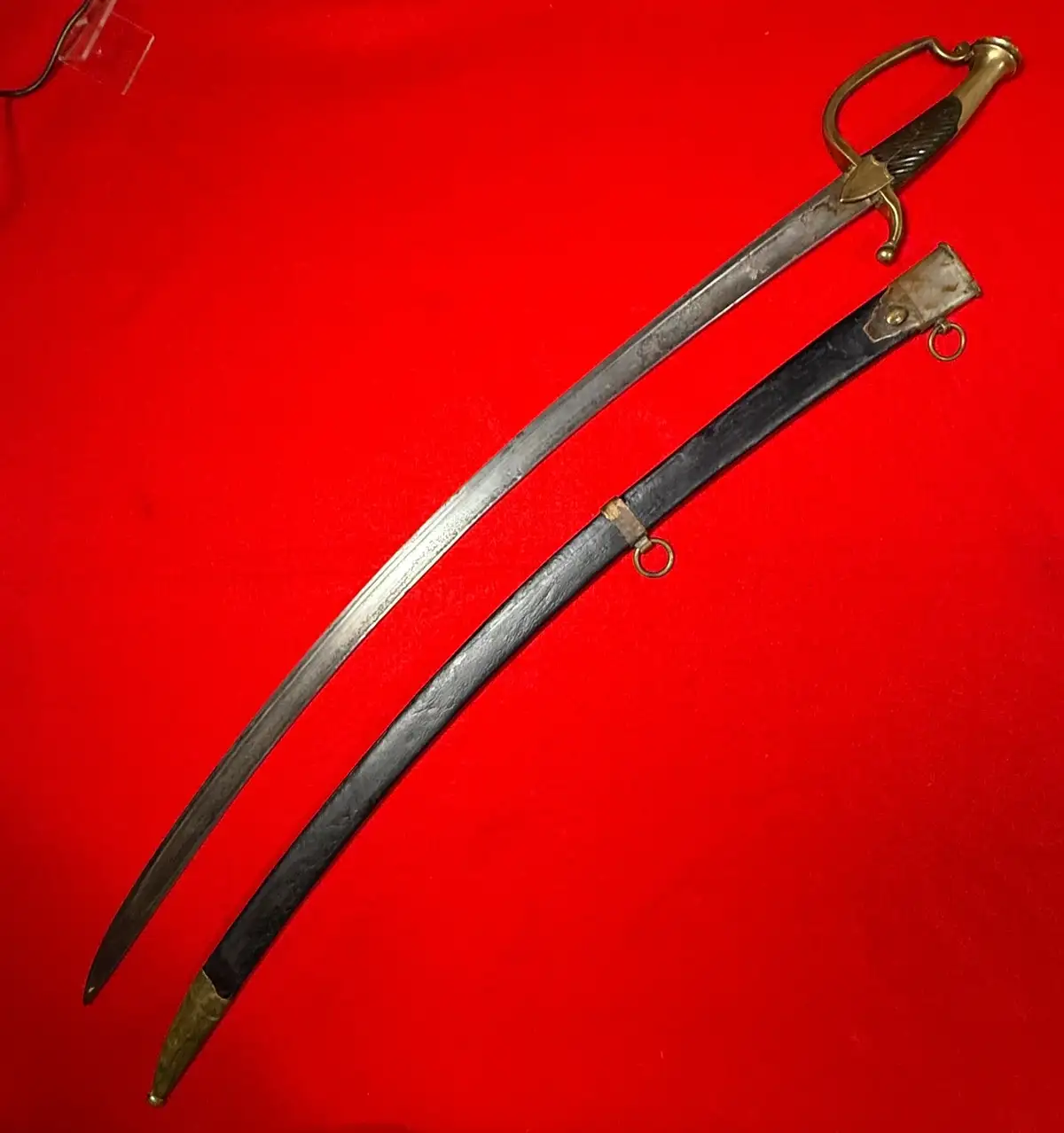
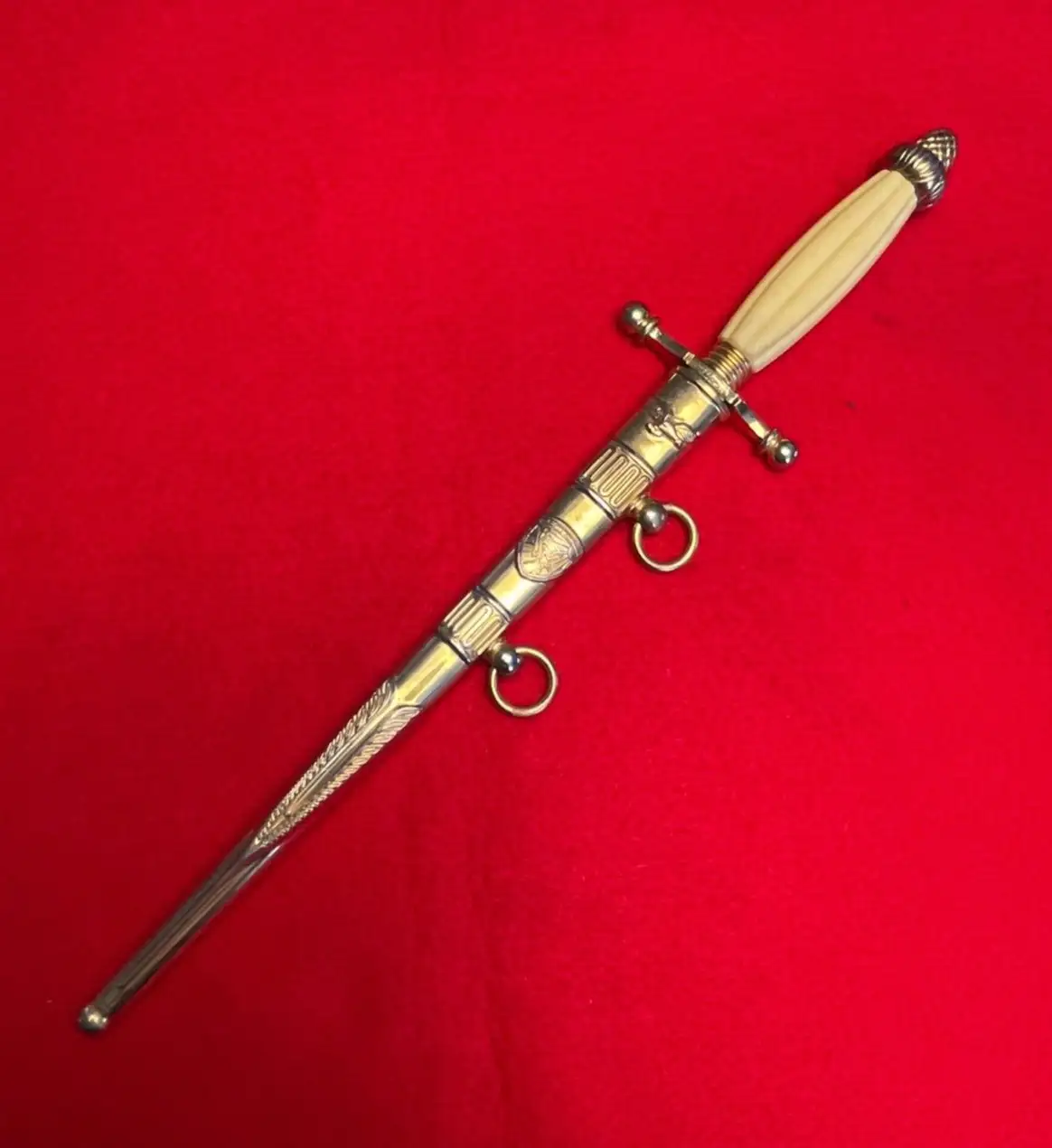
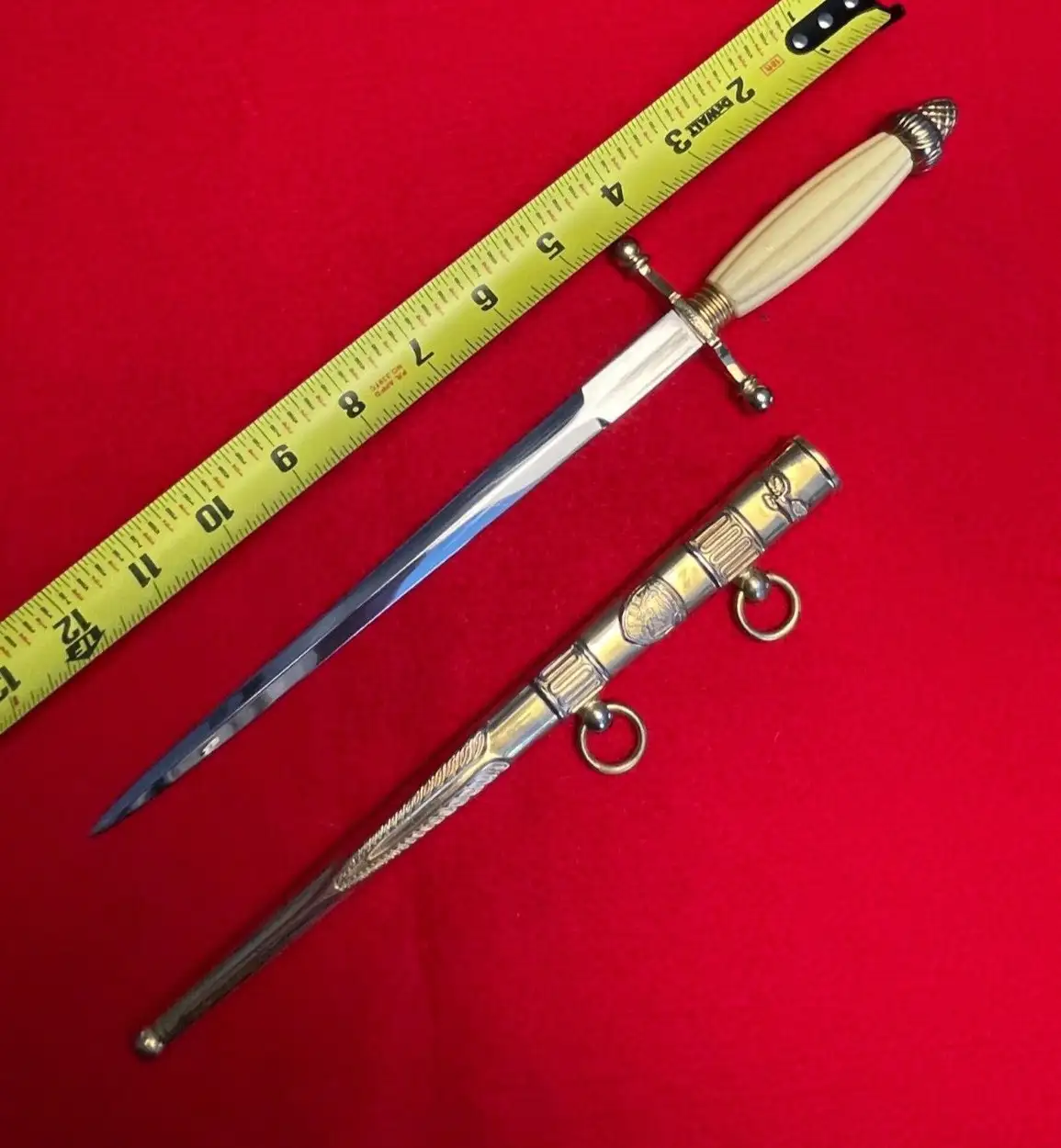
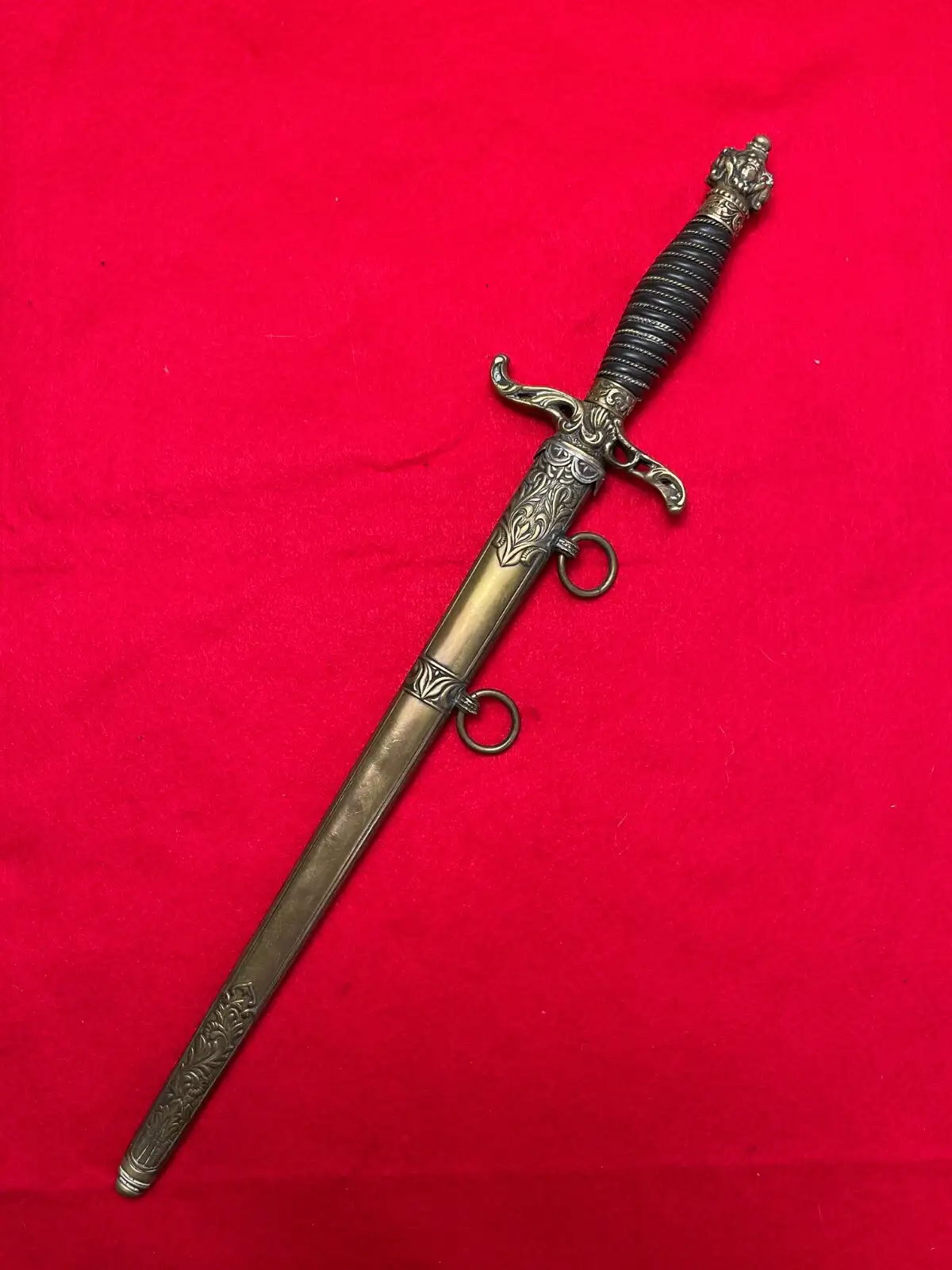
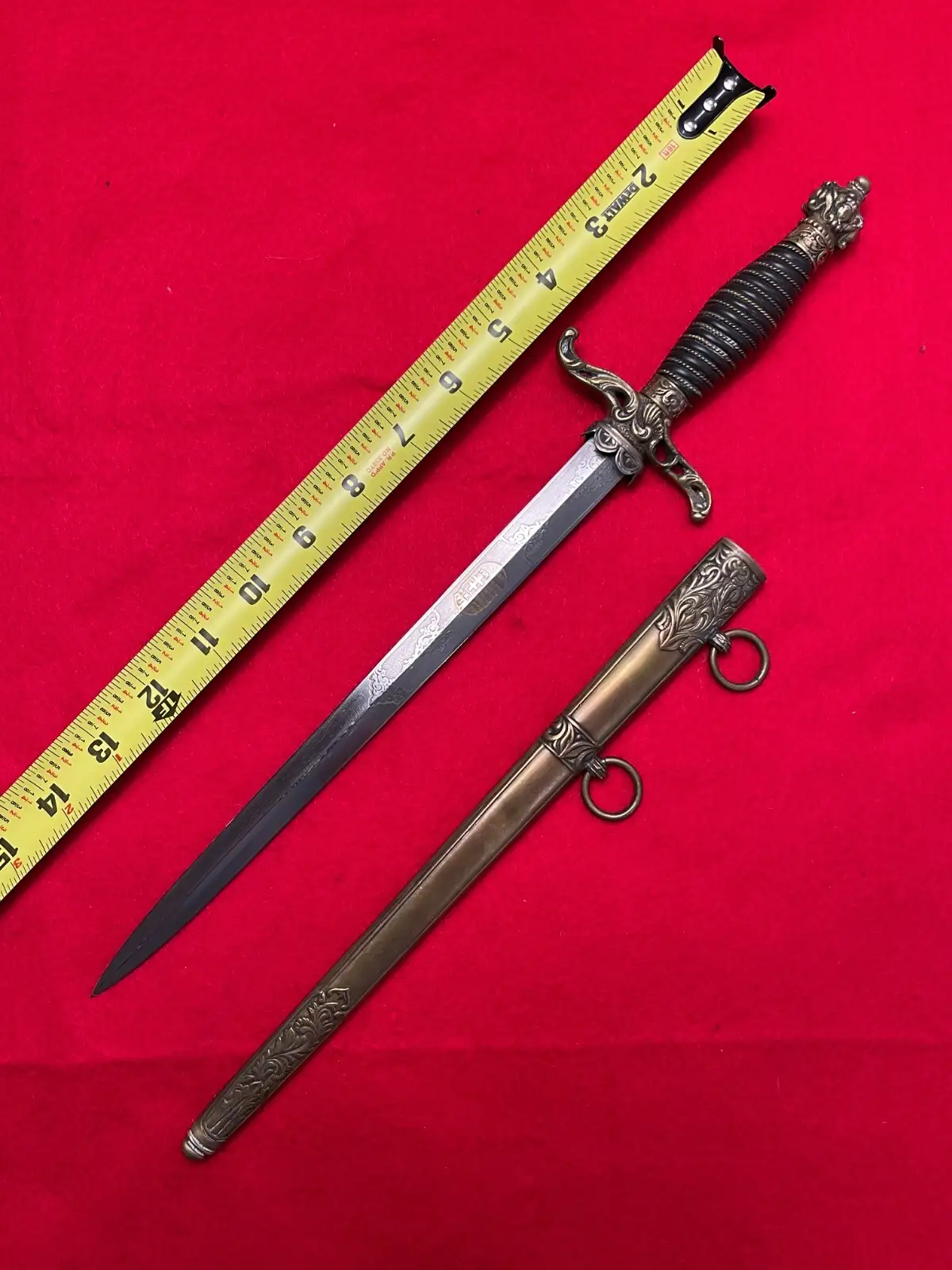
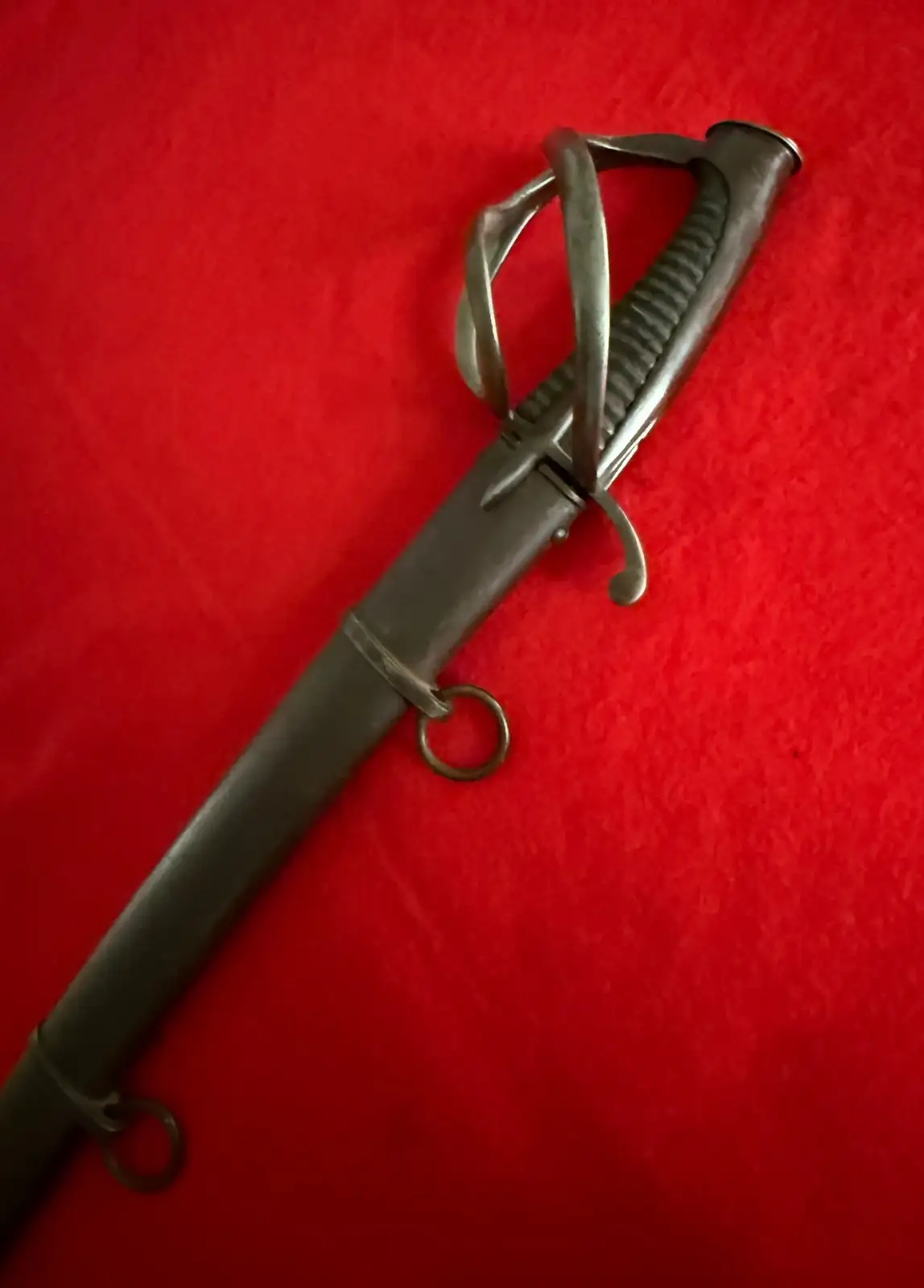
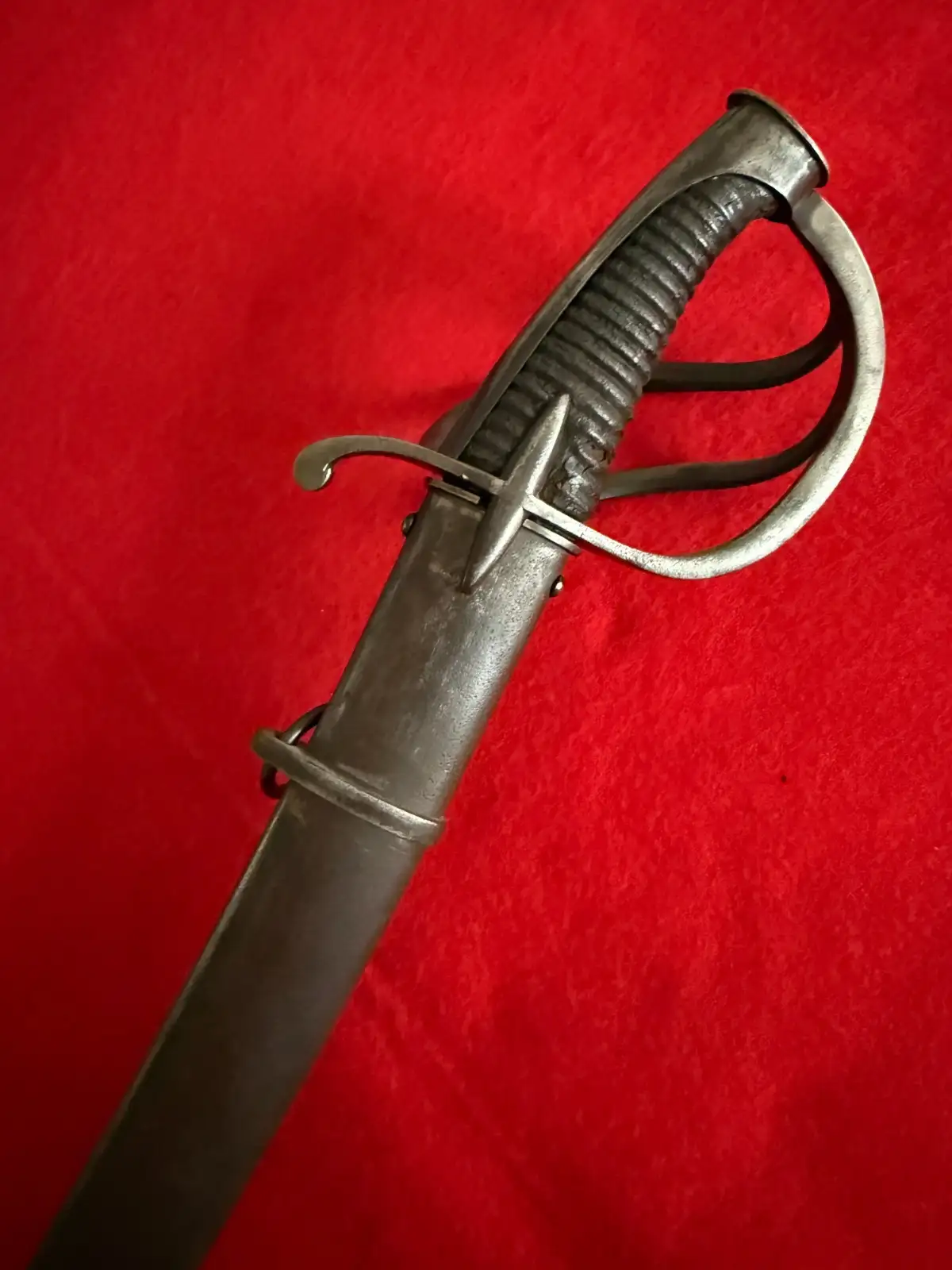
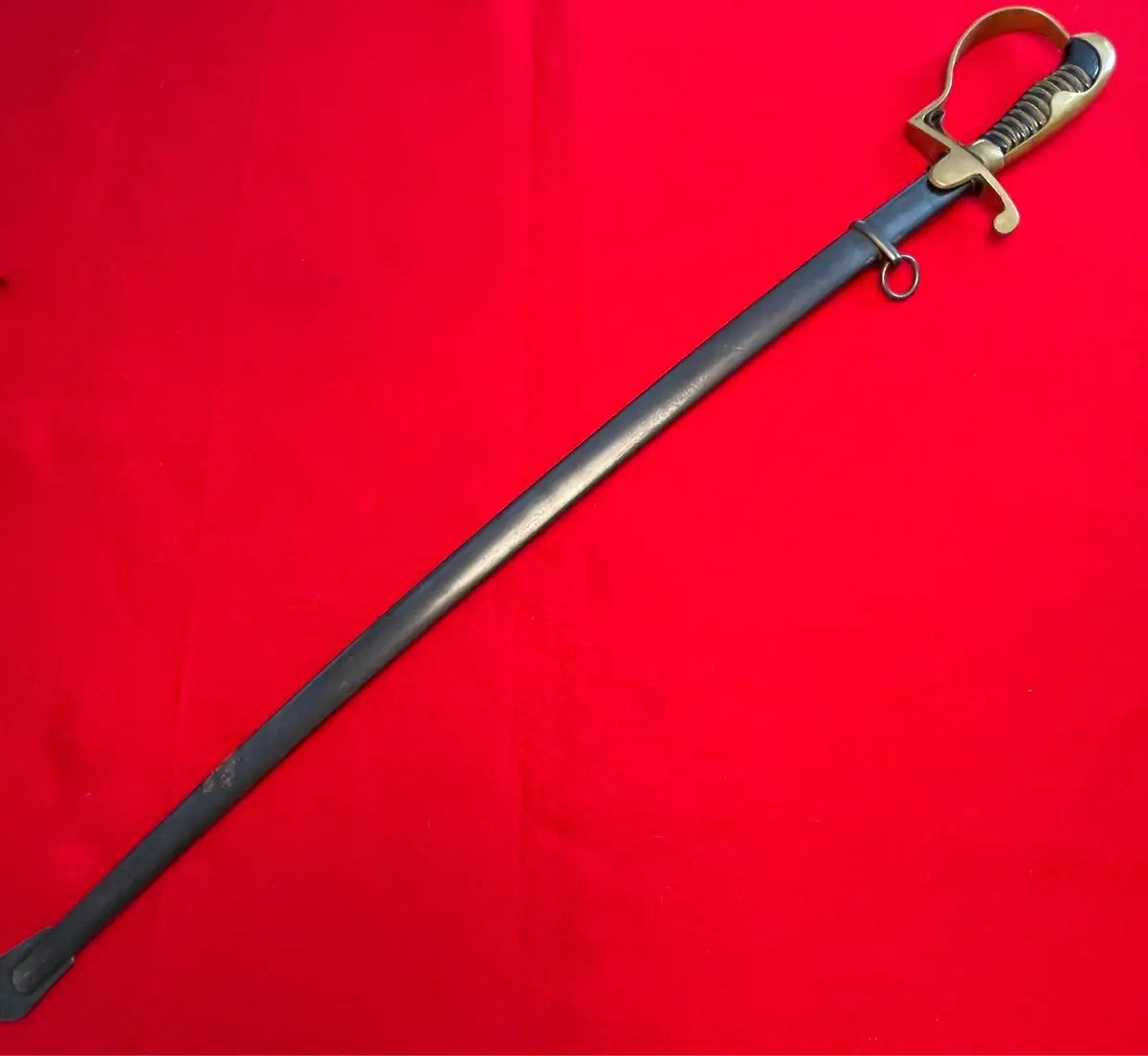
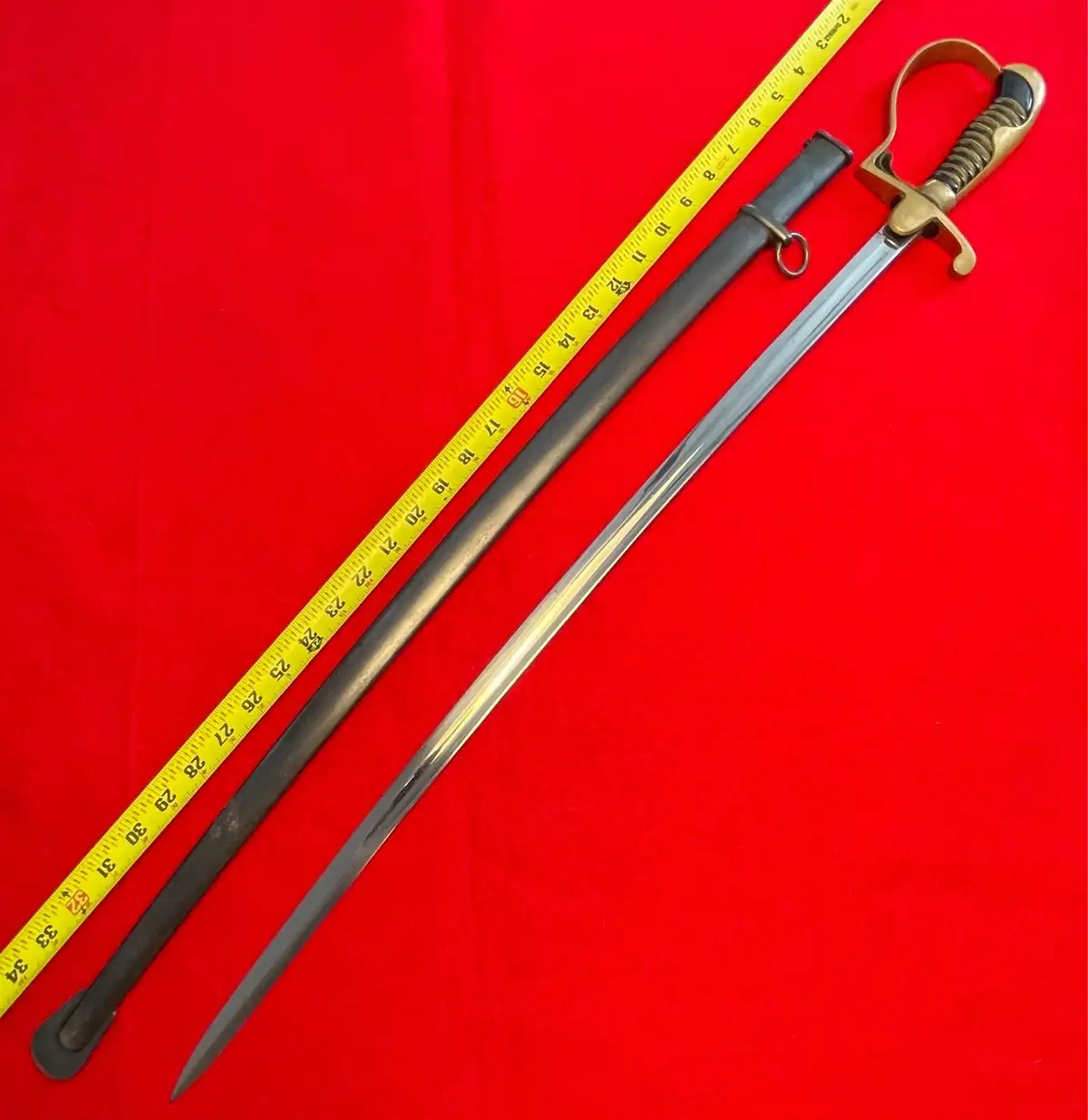
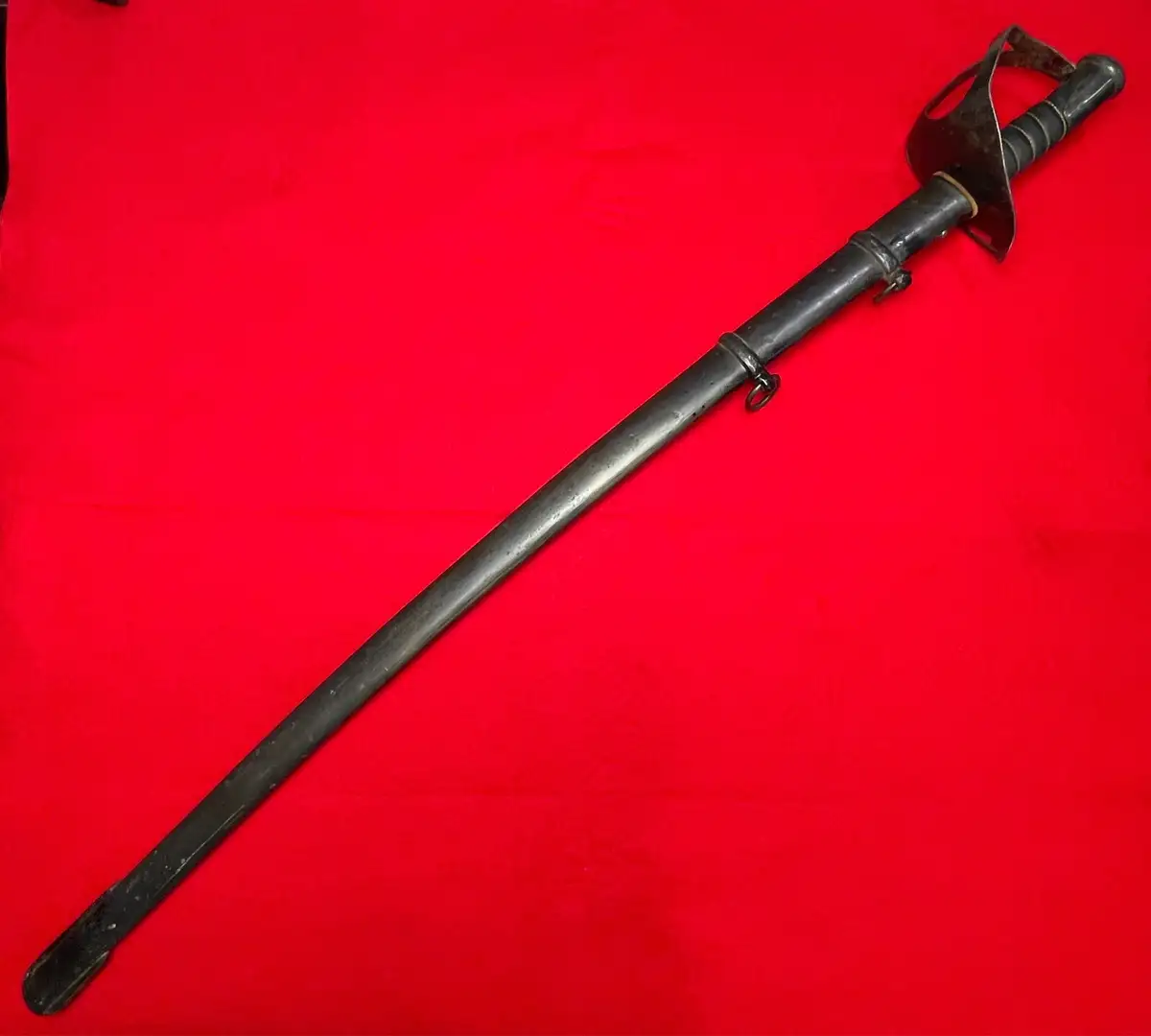
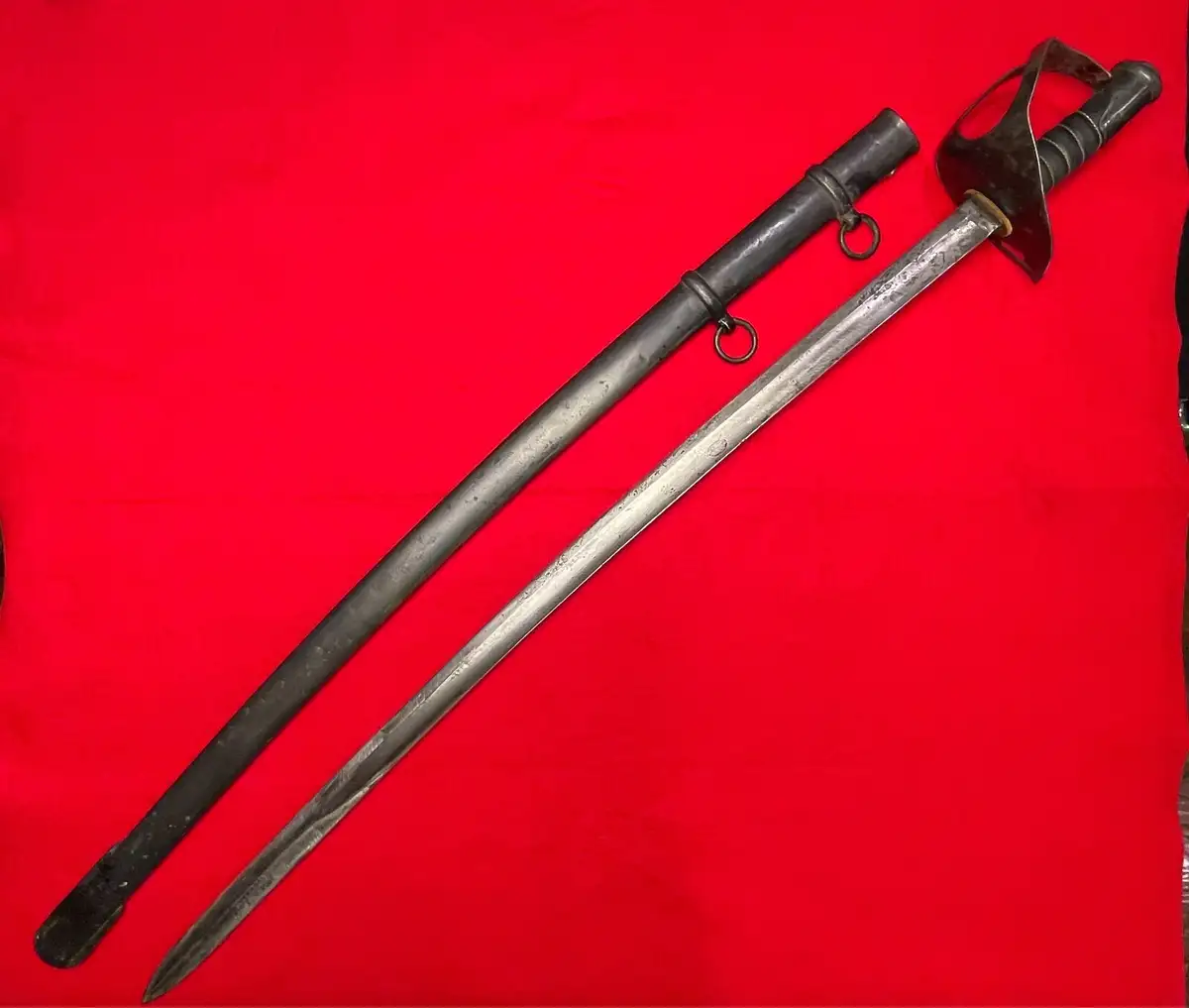
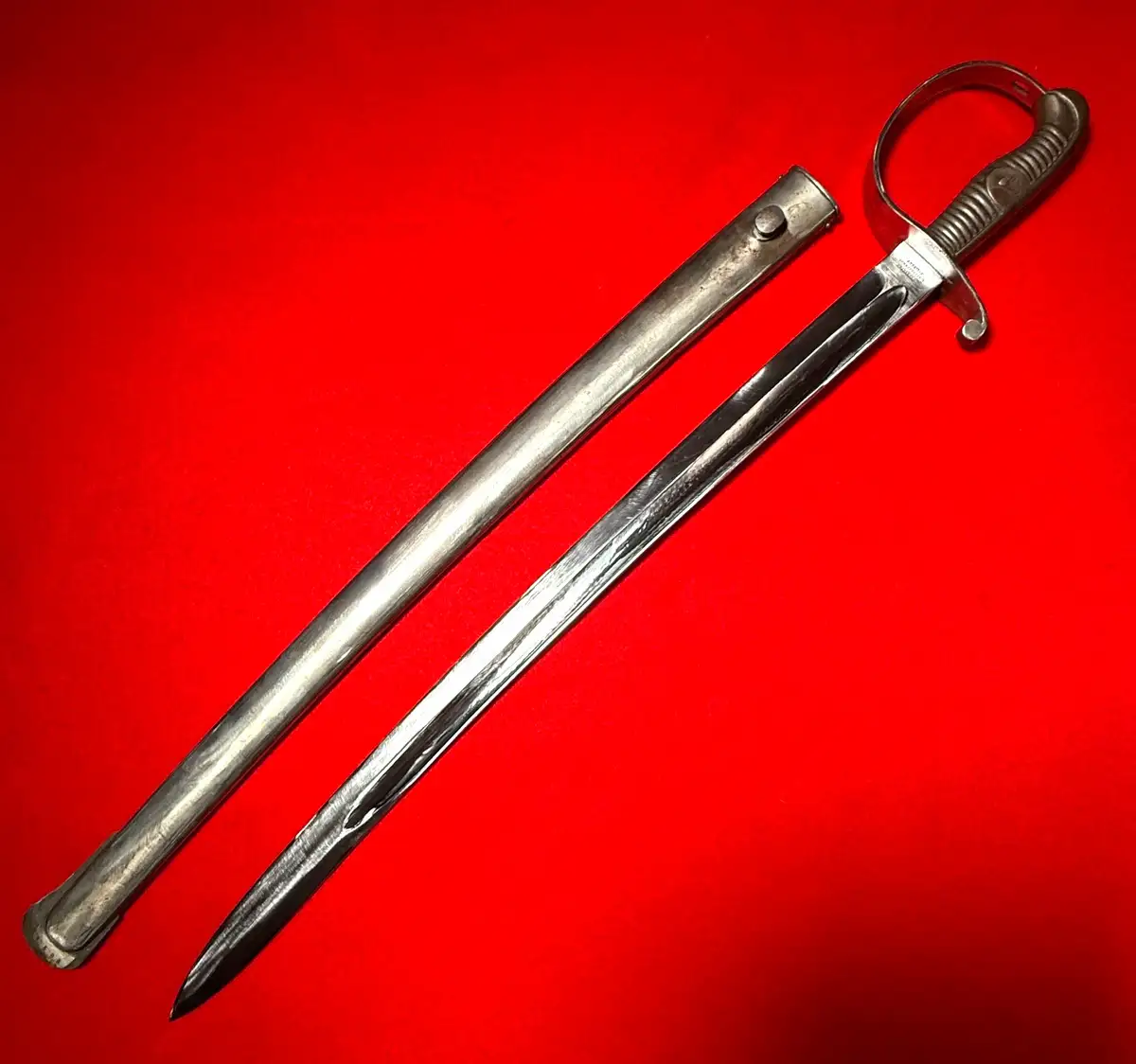
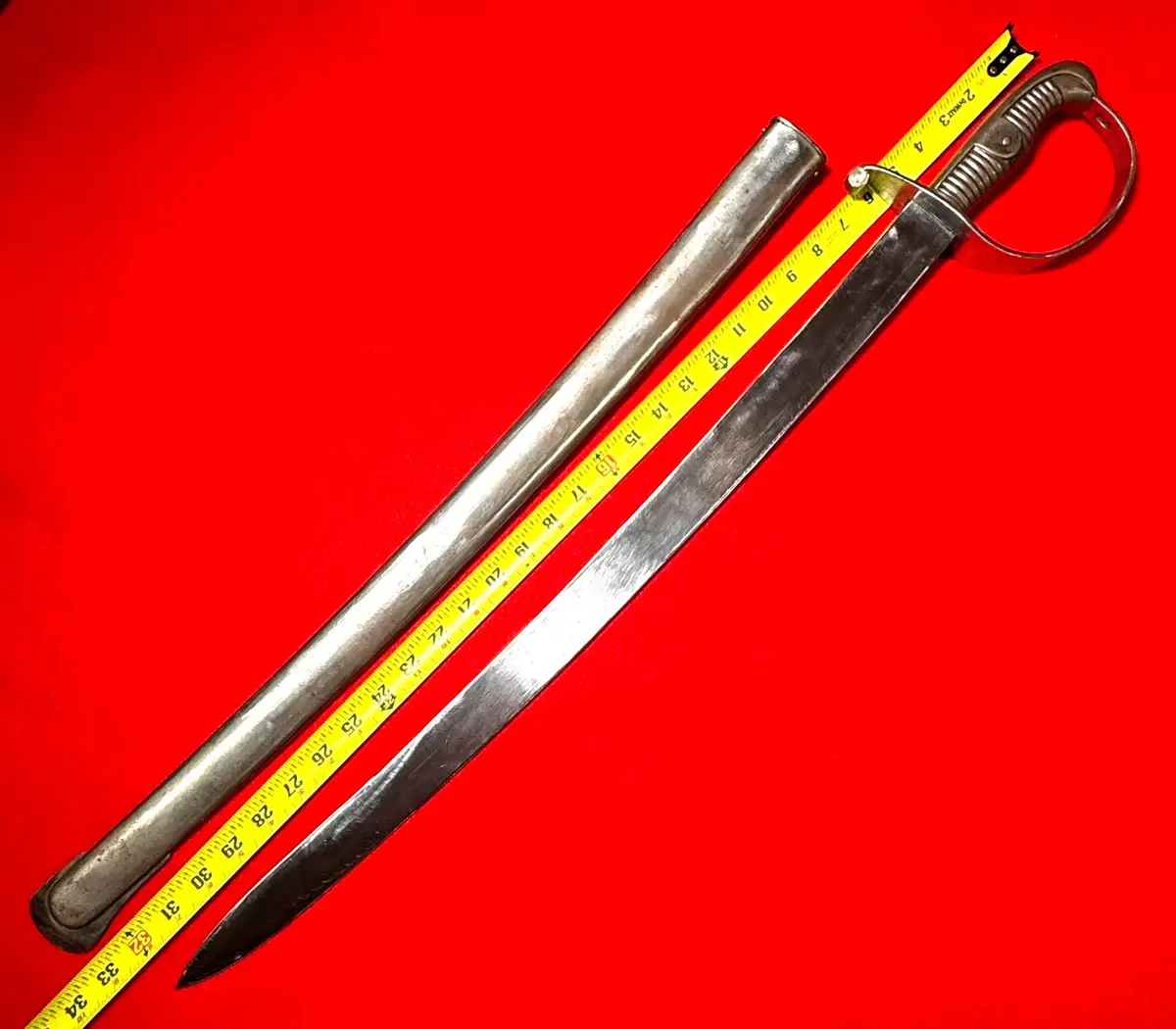
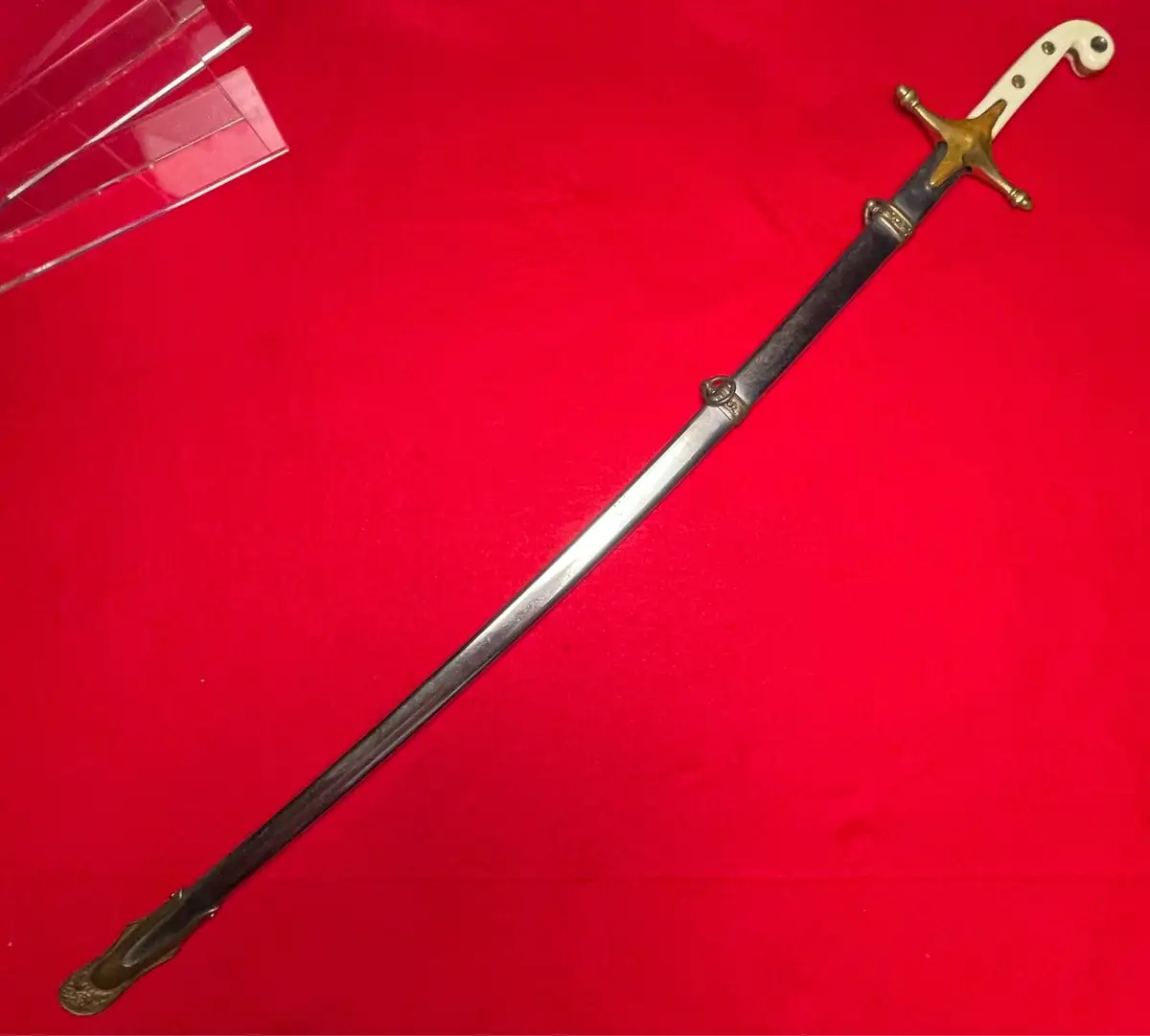
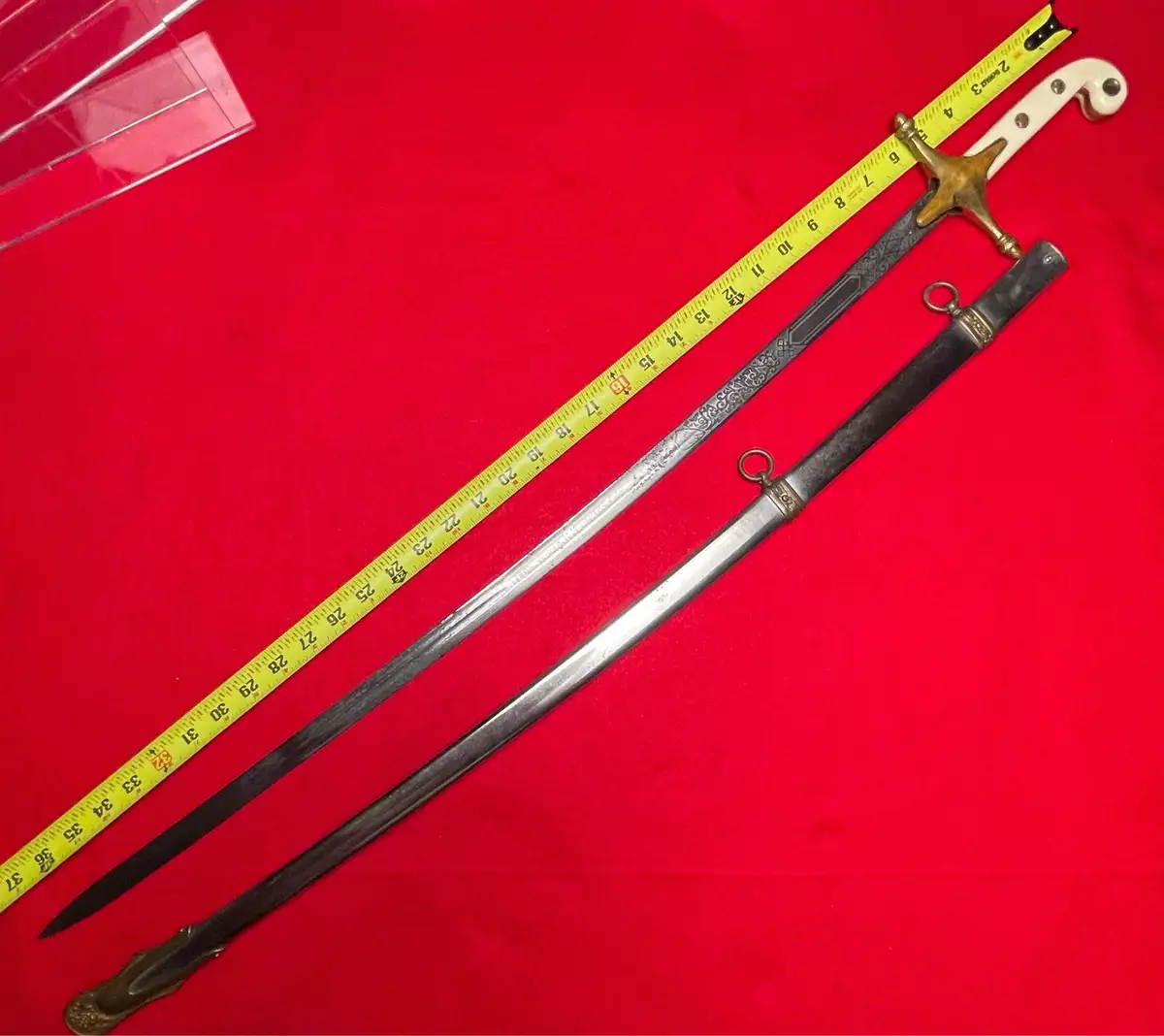
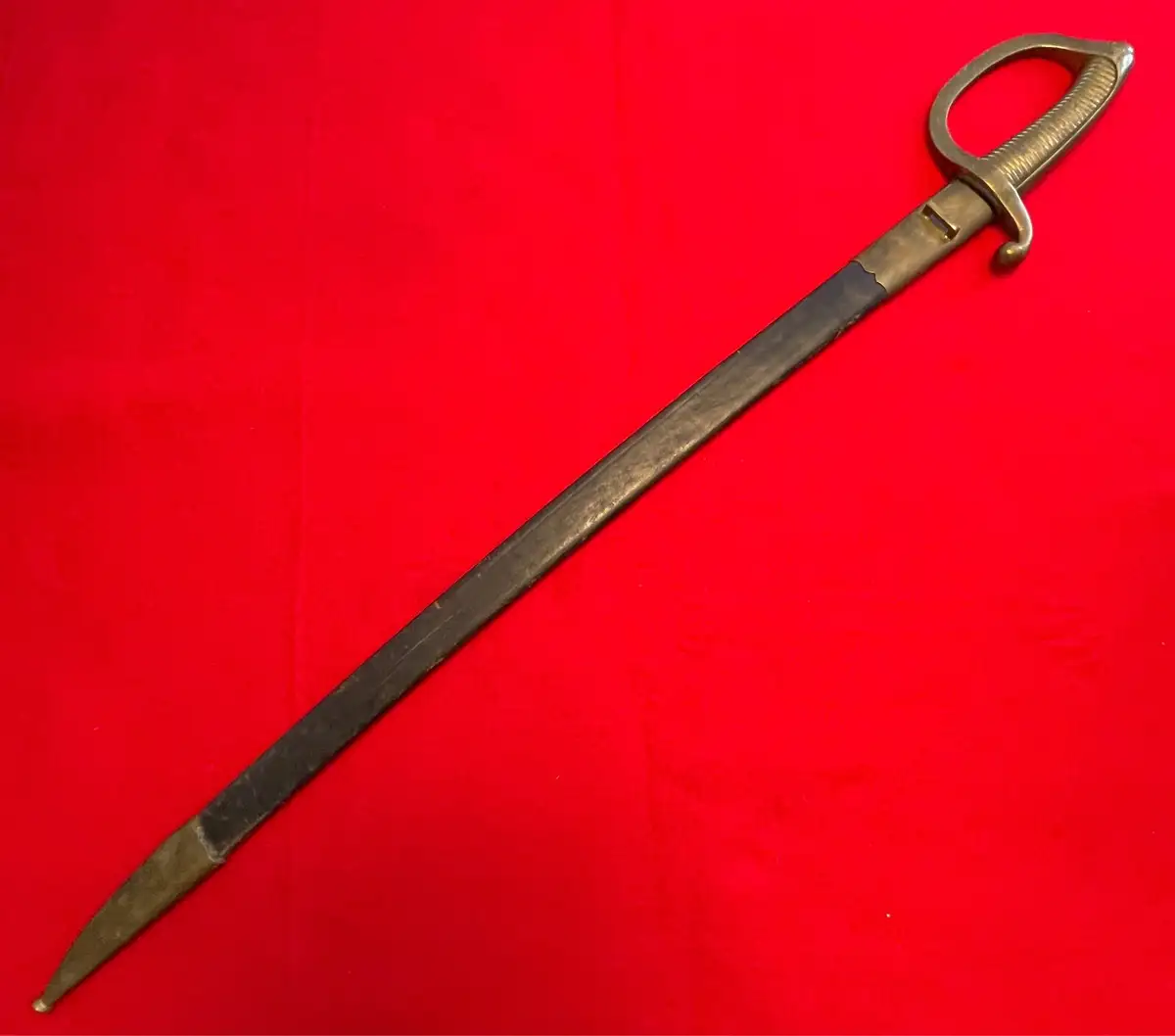
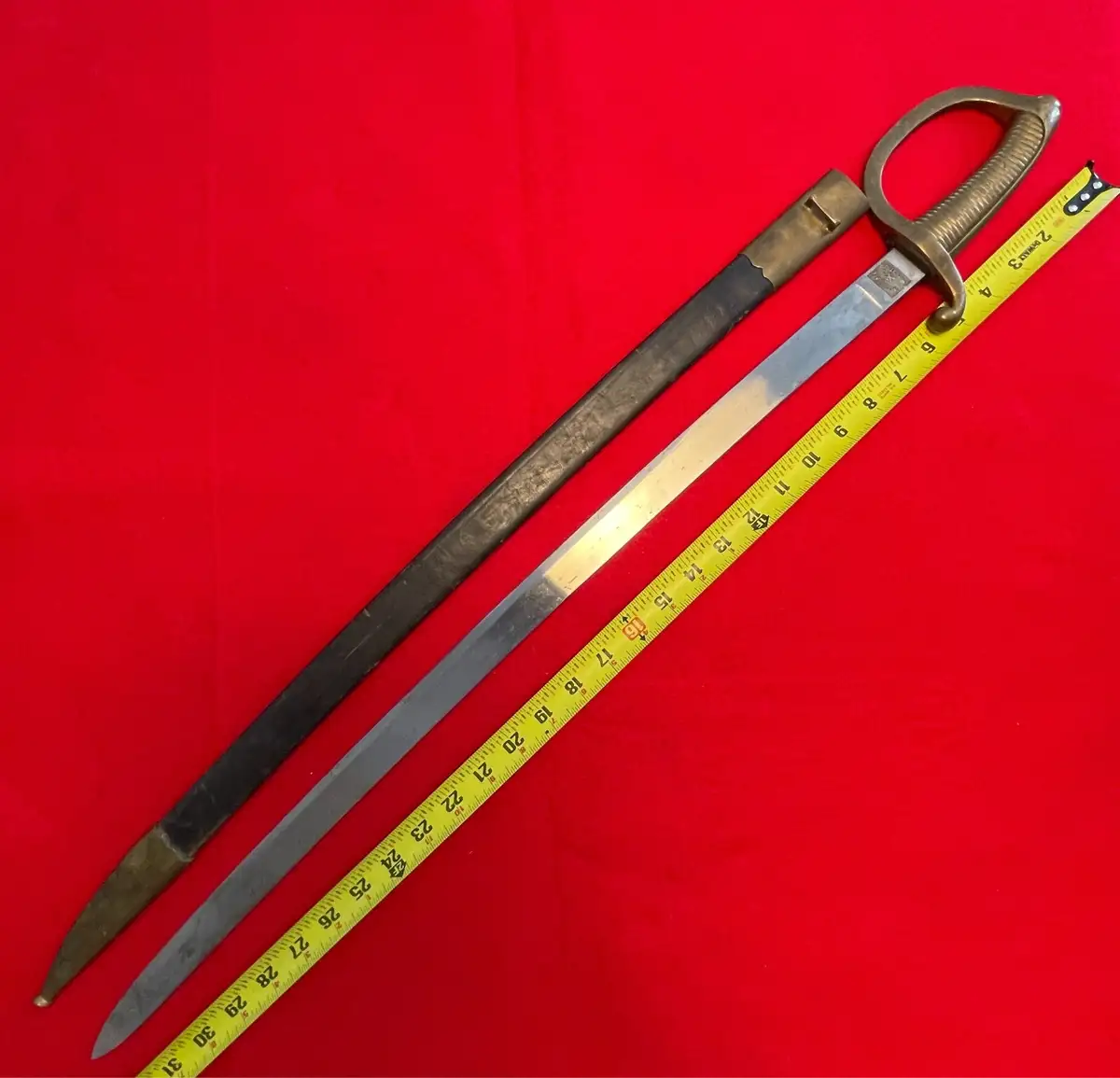
The pattern is the strongest evidence there is. An army that adopted a model wrote down its blade length, its hilt form and its scabbard fittings, and those specifications do not move. A blade that matches a documented pattern is dated by the pattern, whatever the listing left blank — that is what the pattern pages in this library are for.
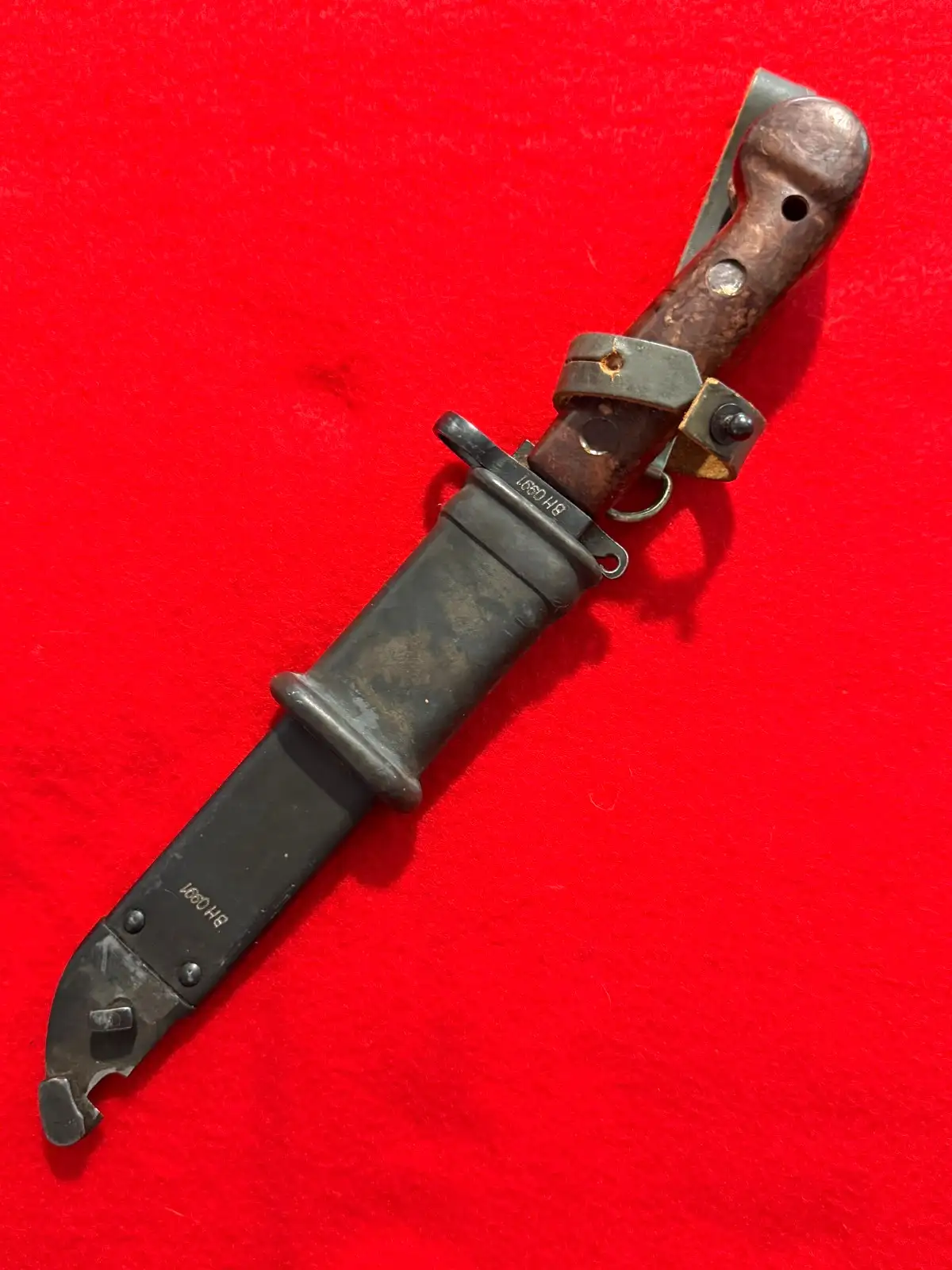
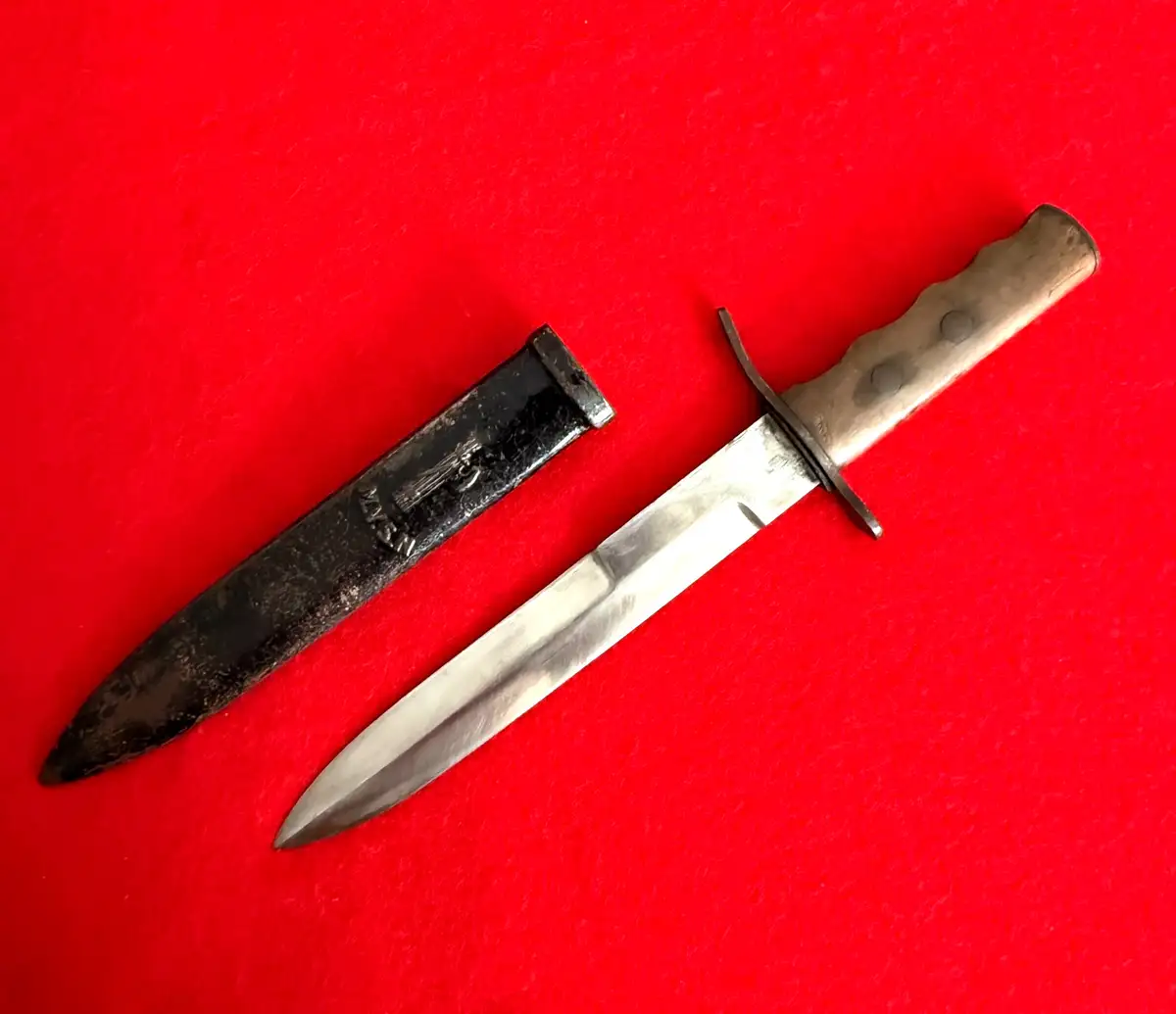
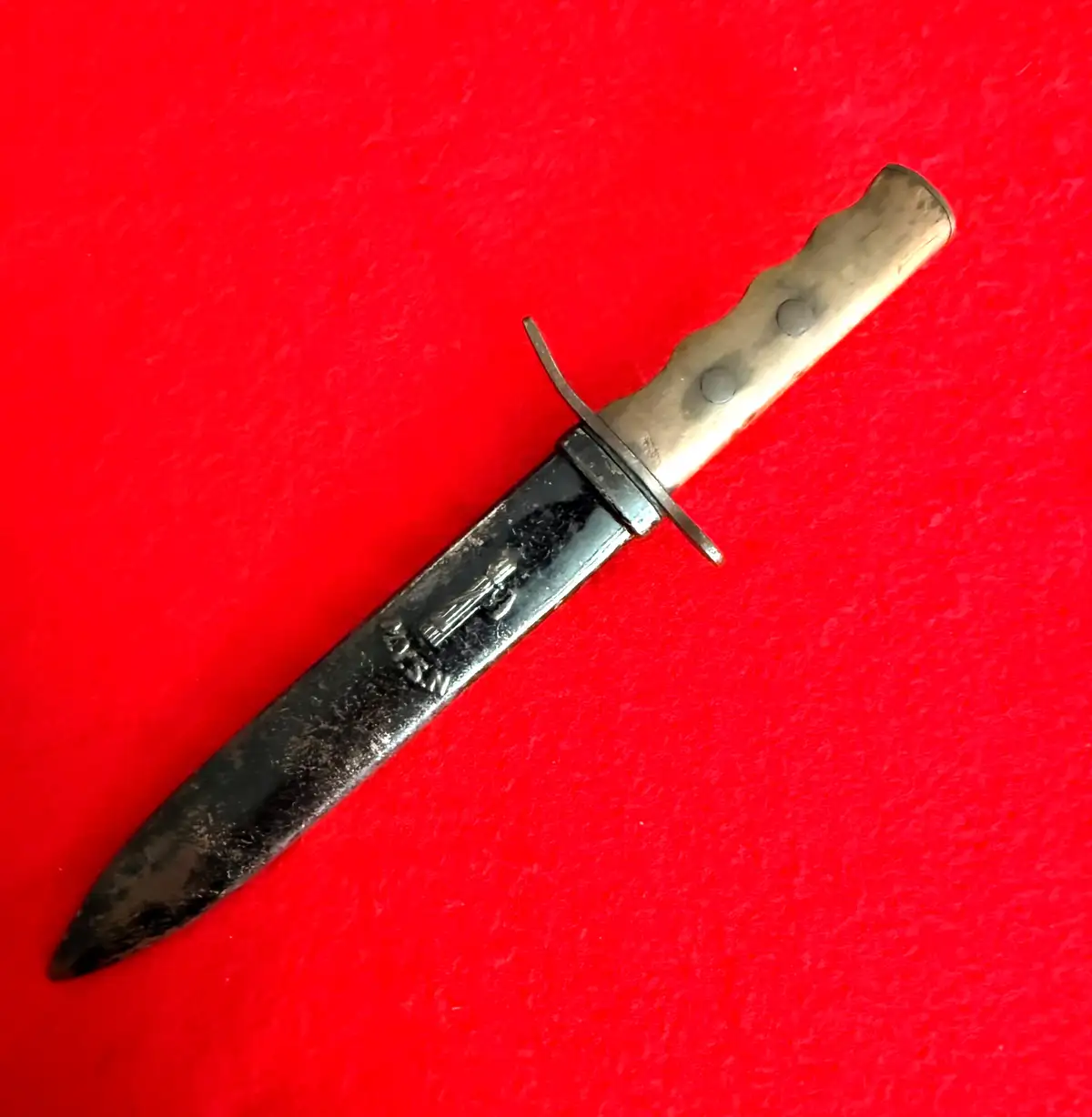
Maker's marks carry dates of their own. A firm that formed in one year and changed its mark in another brackets any blade carrying it. So does a national arsenal stamp, an acceptance mark with a year under a crown, and a unit stamp that names a regiment which existed between two known dates.
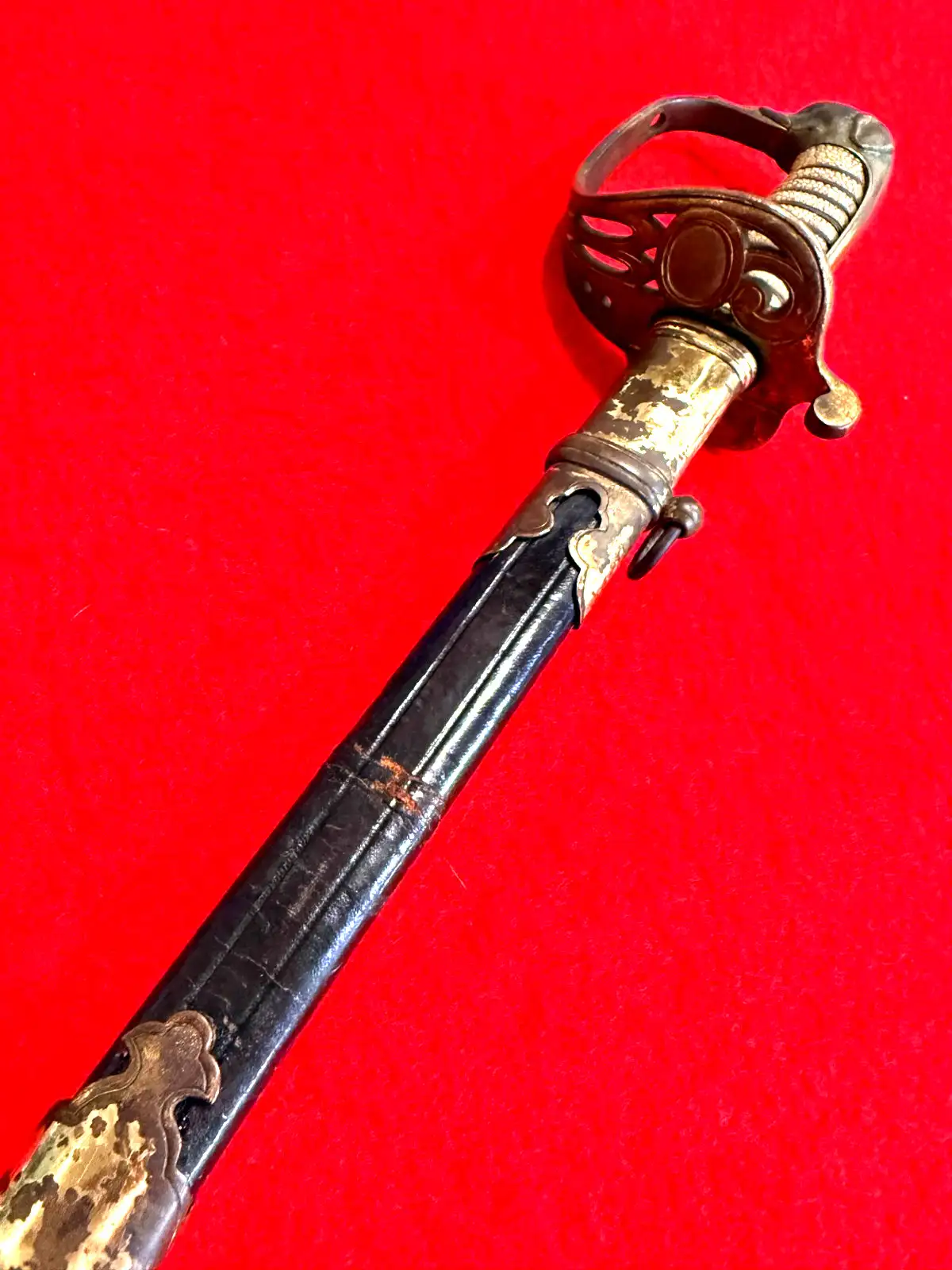
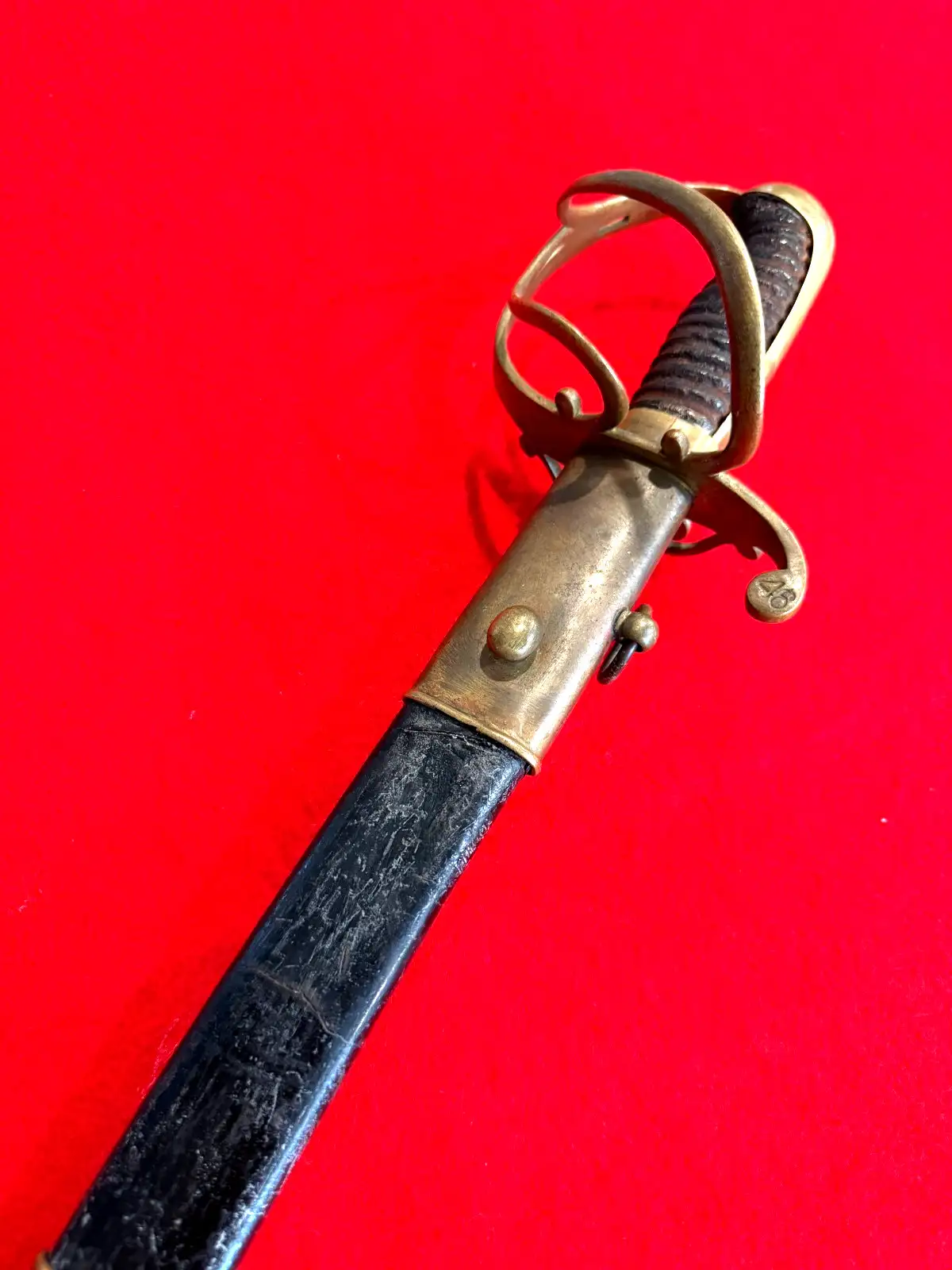
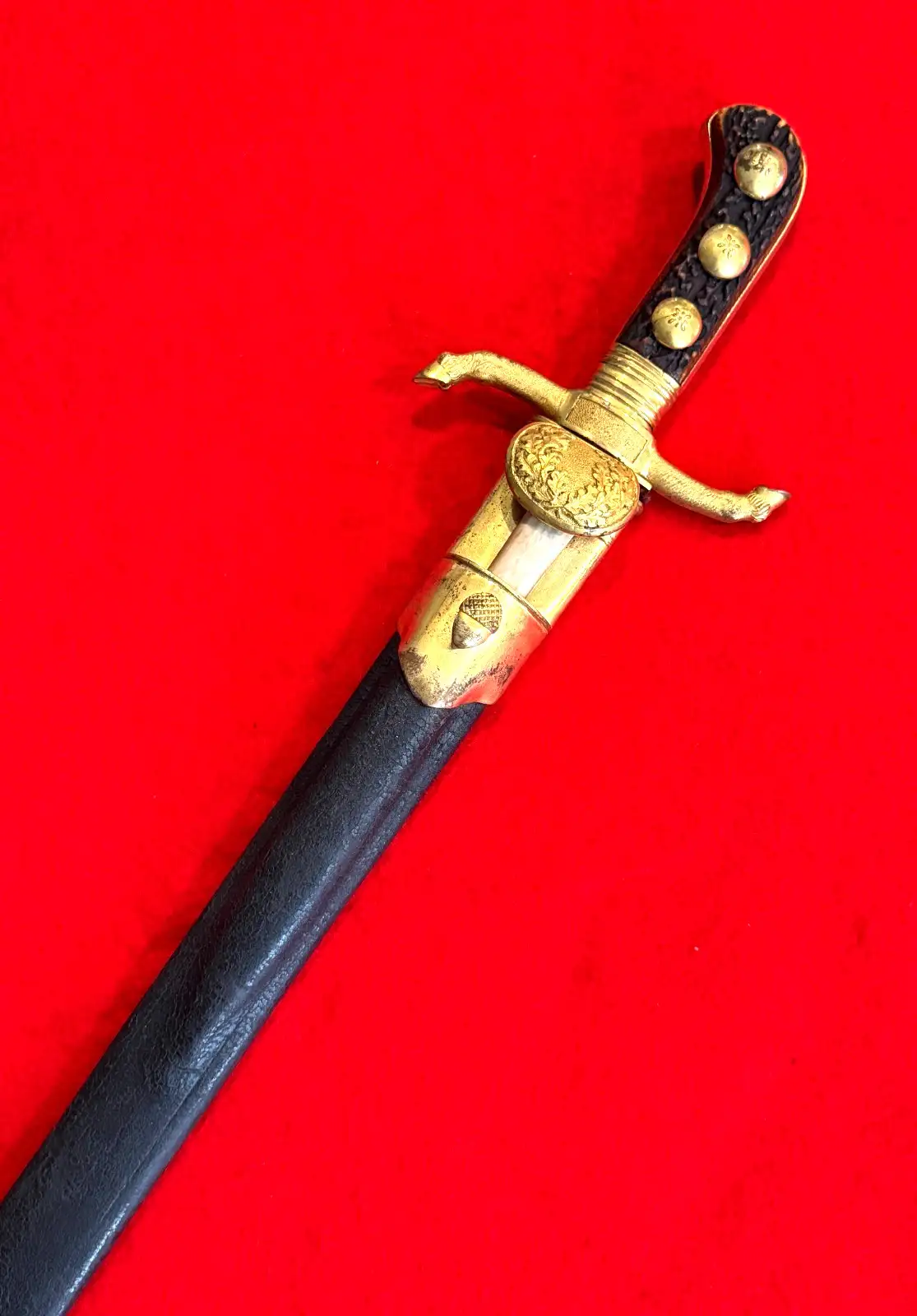
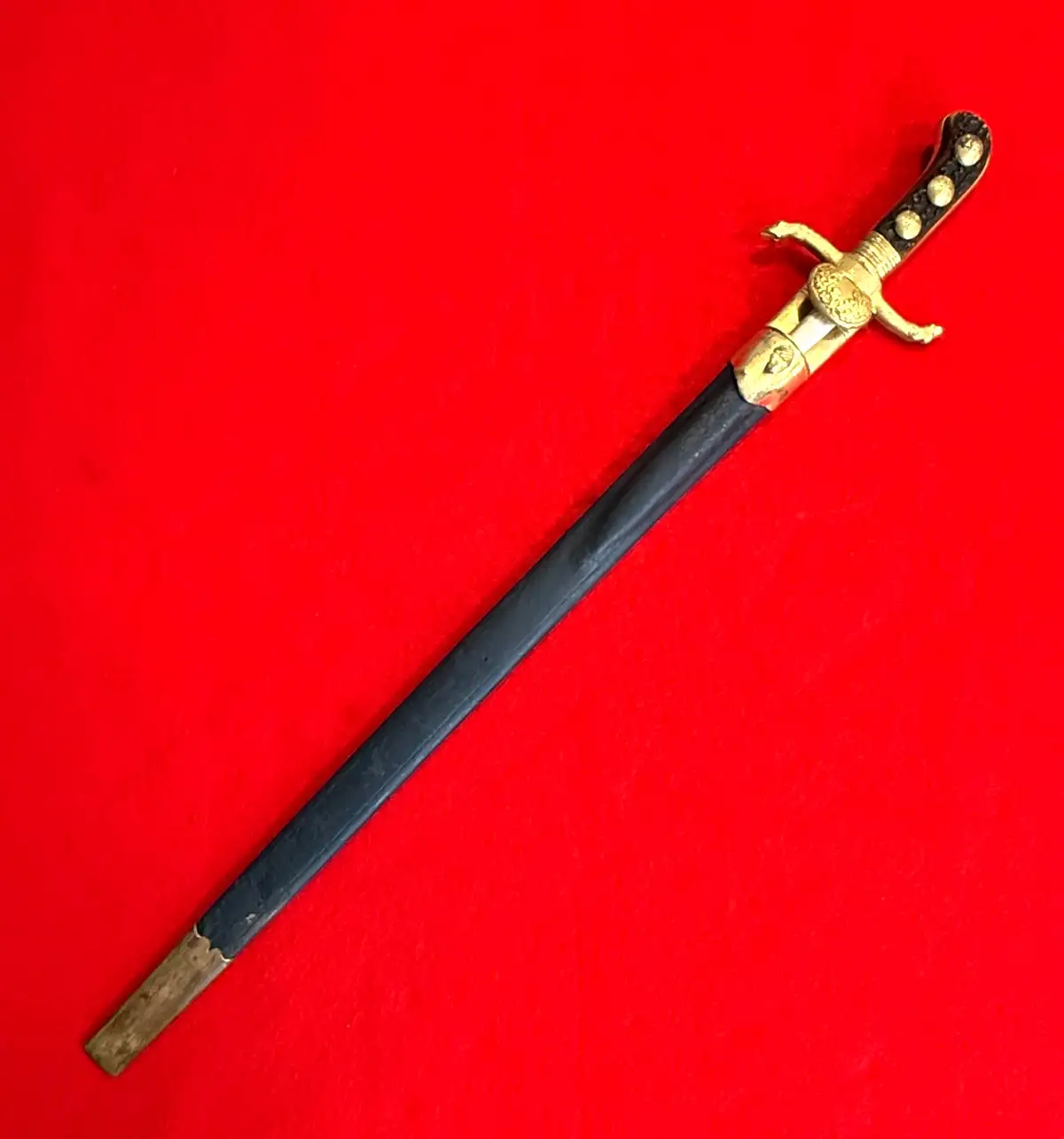
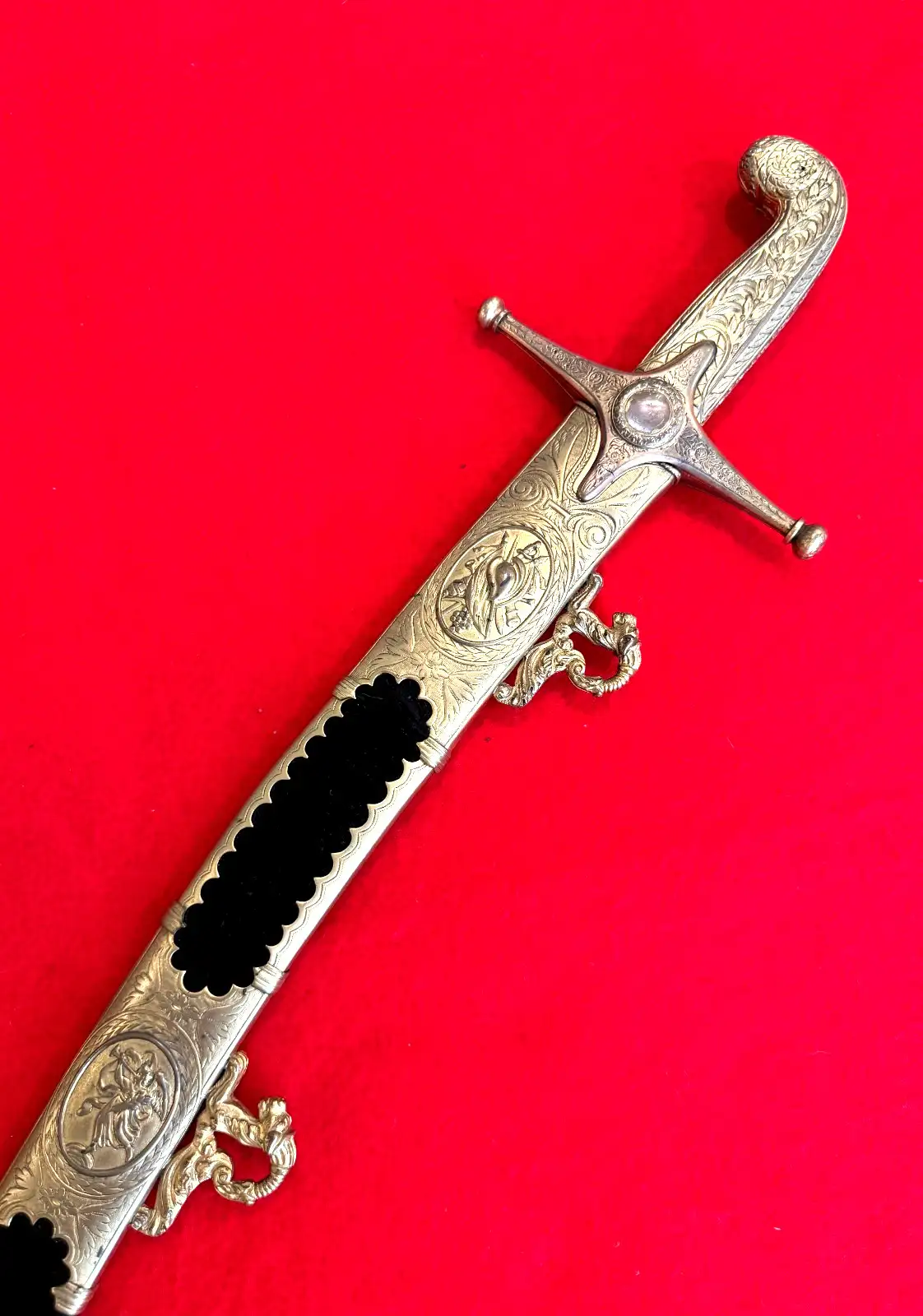
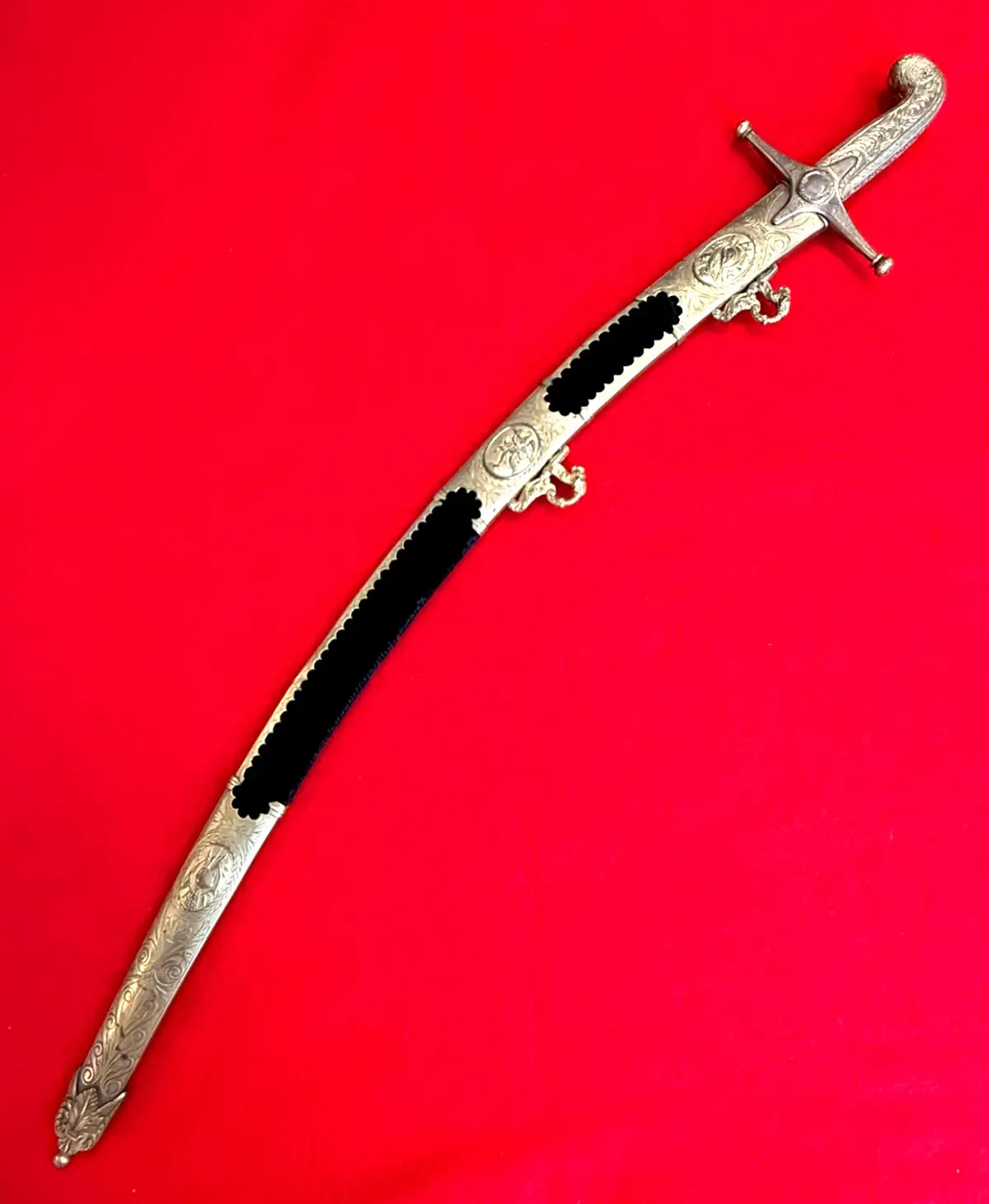
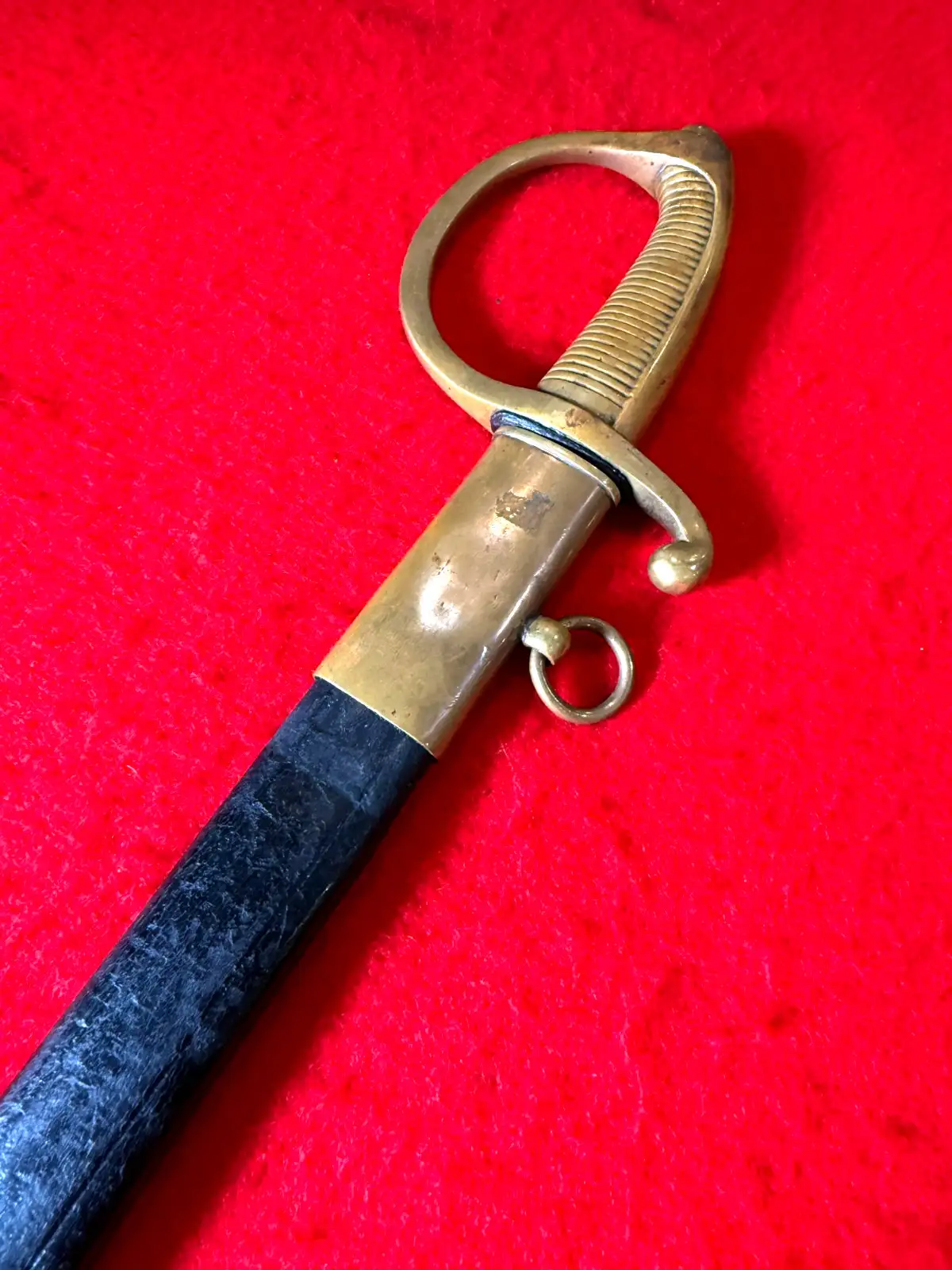
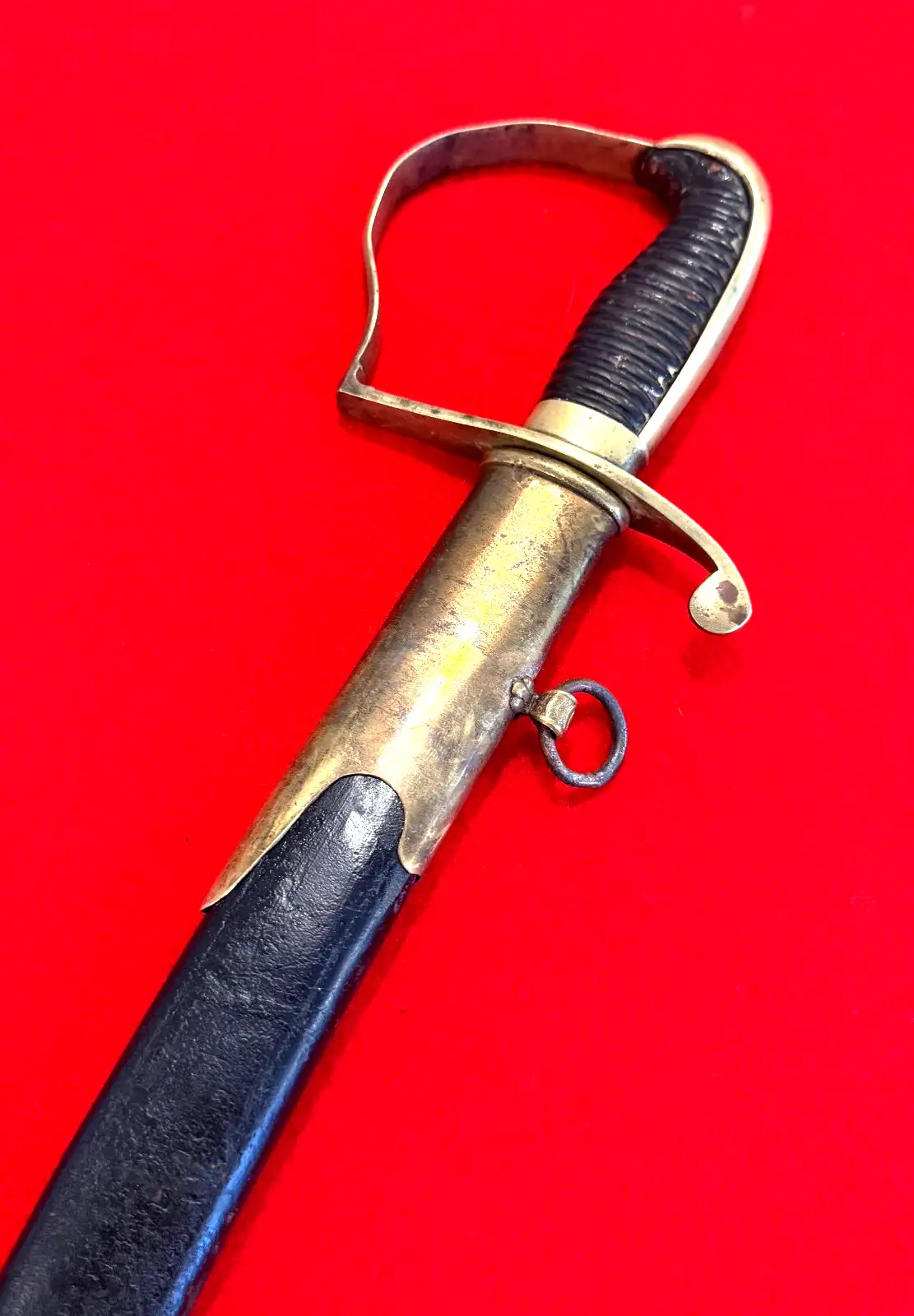
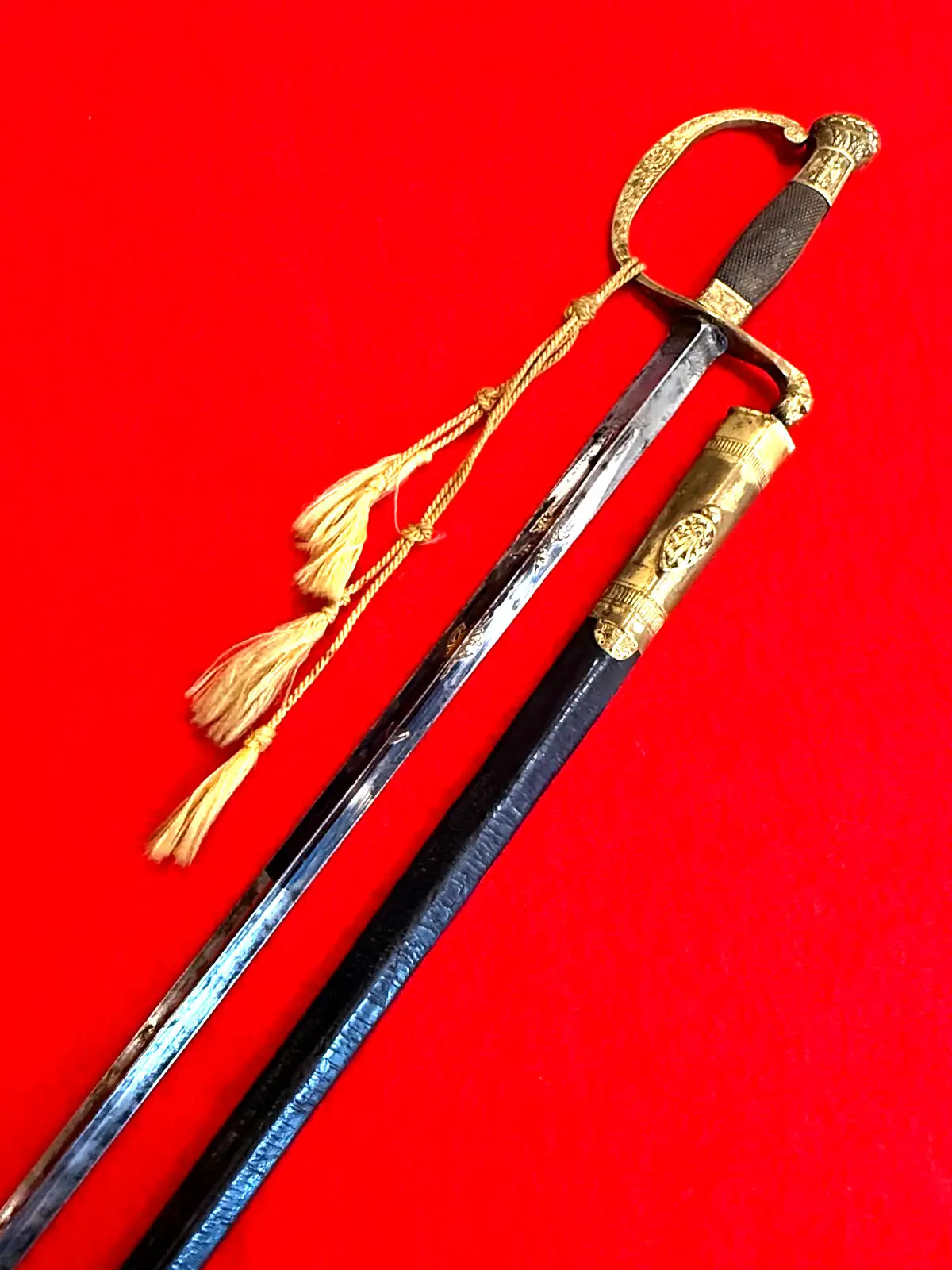
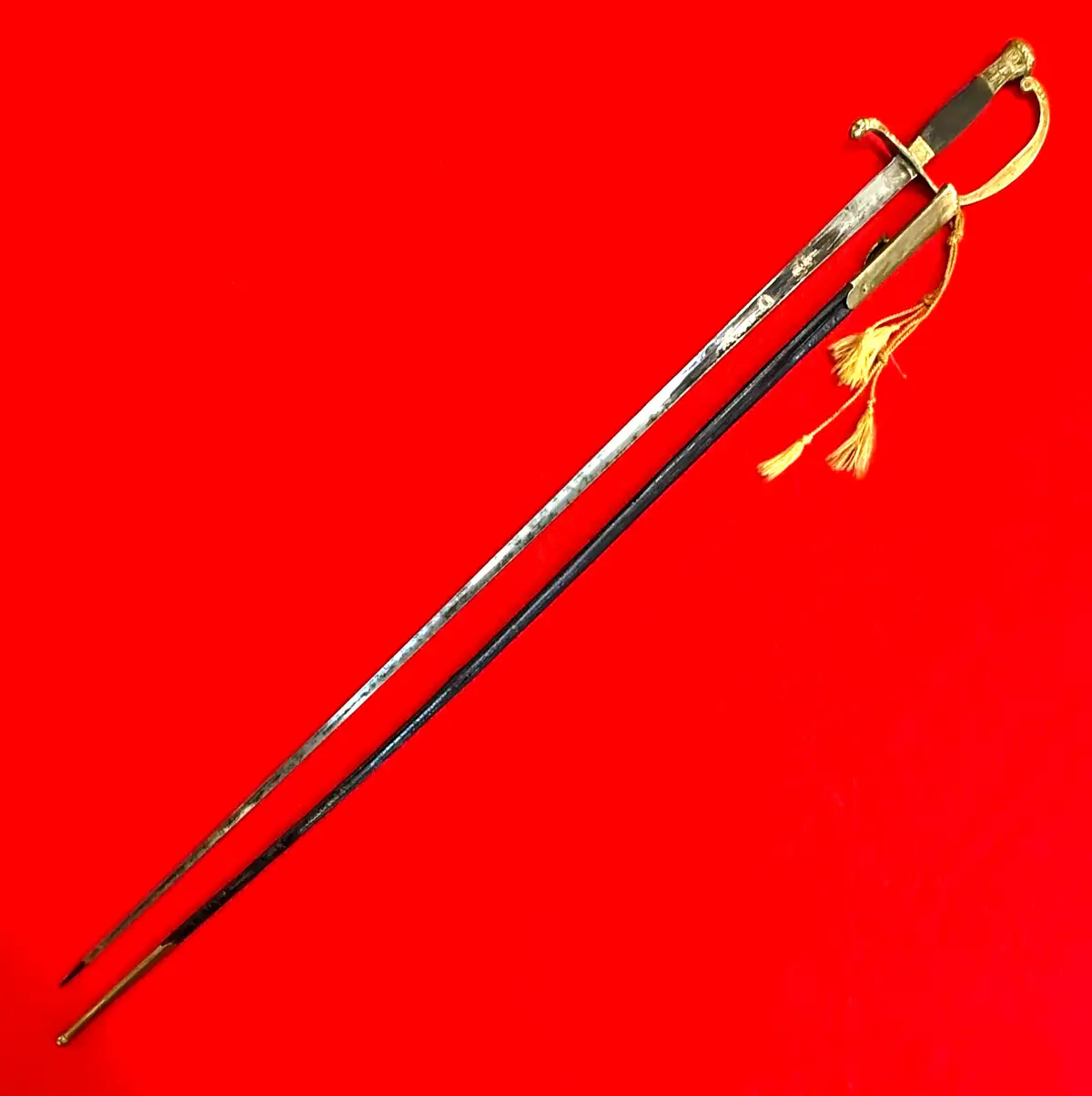
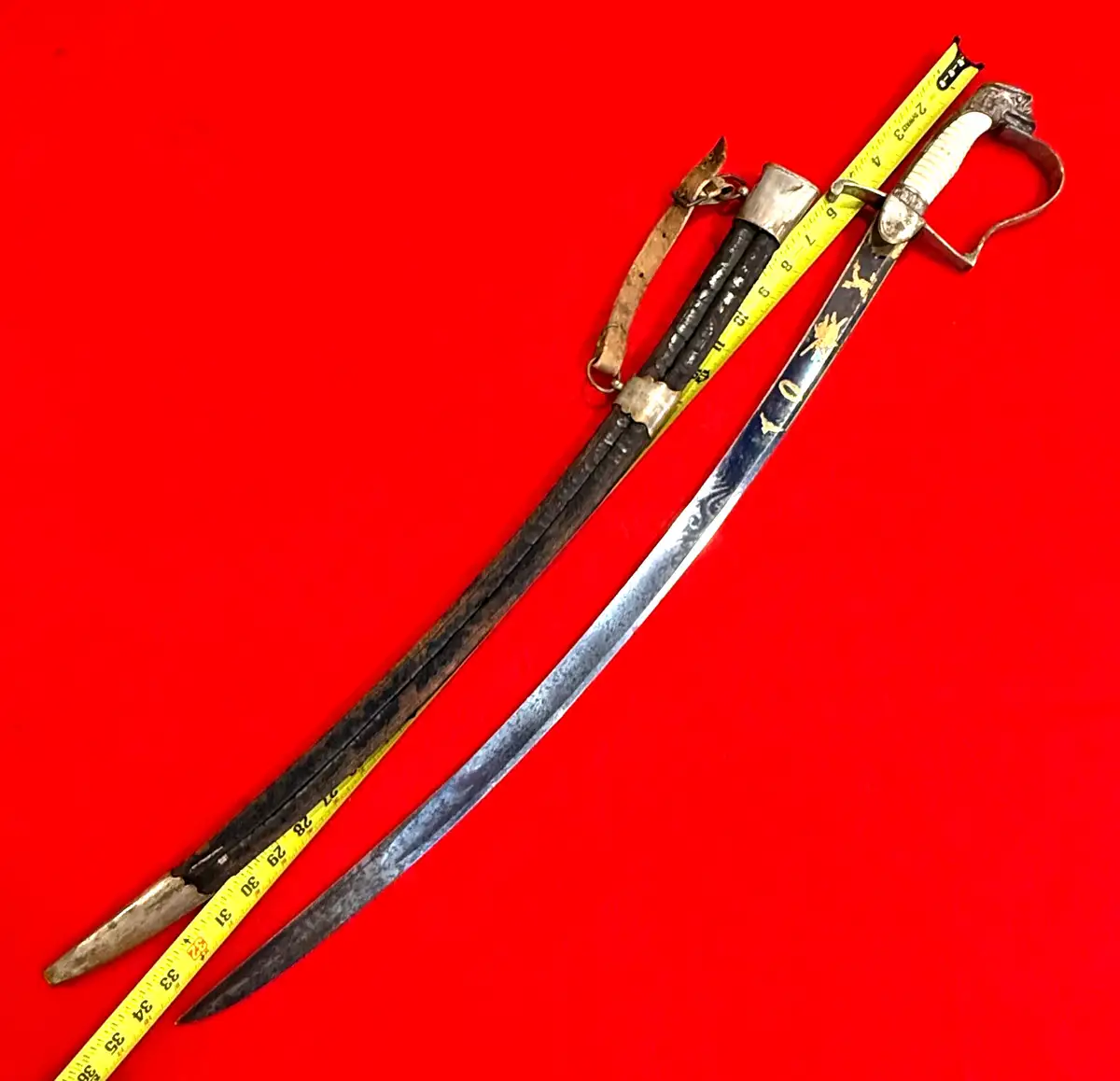
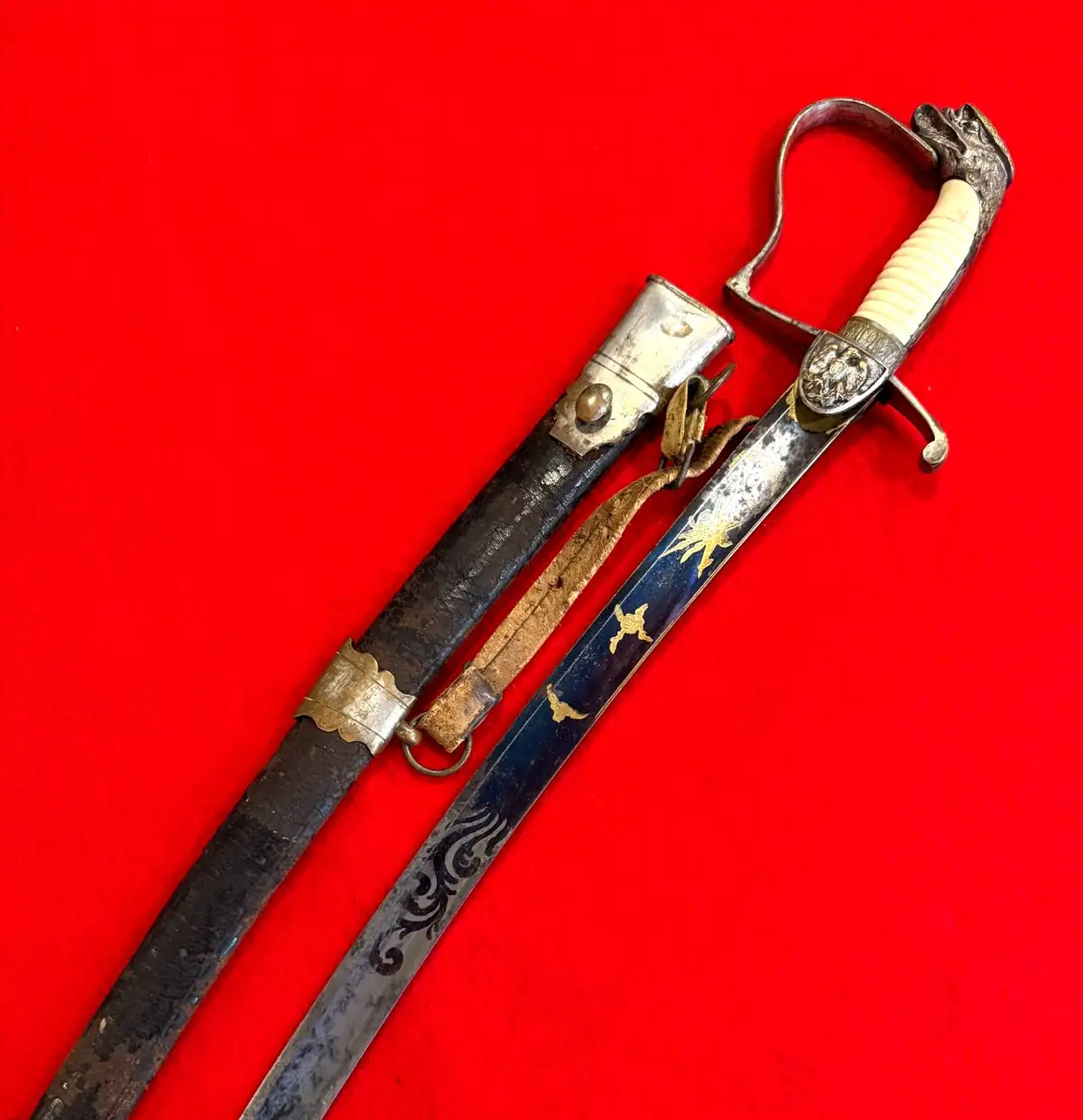
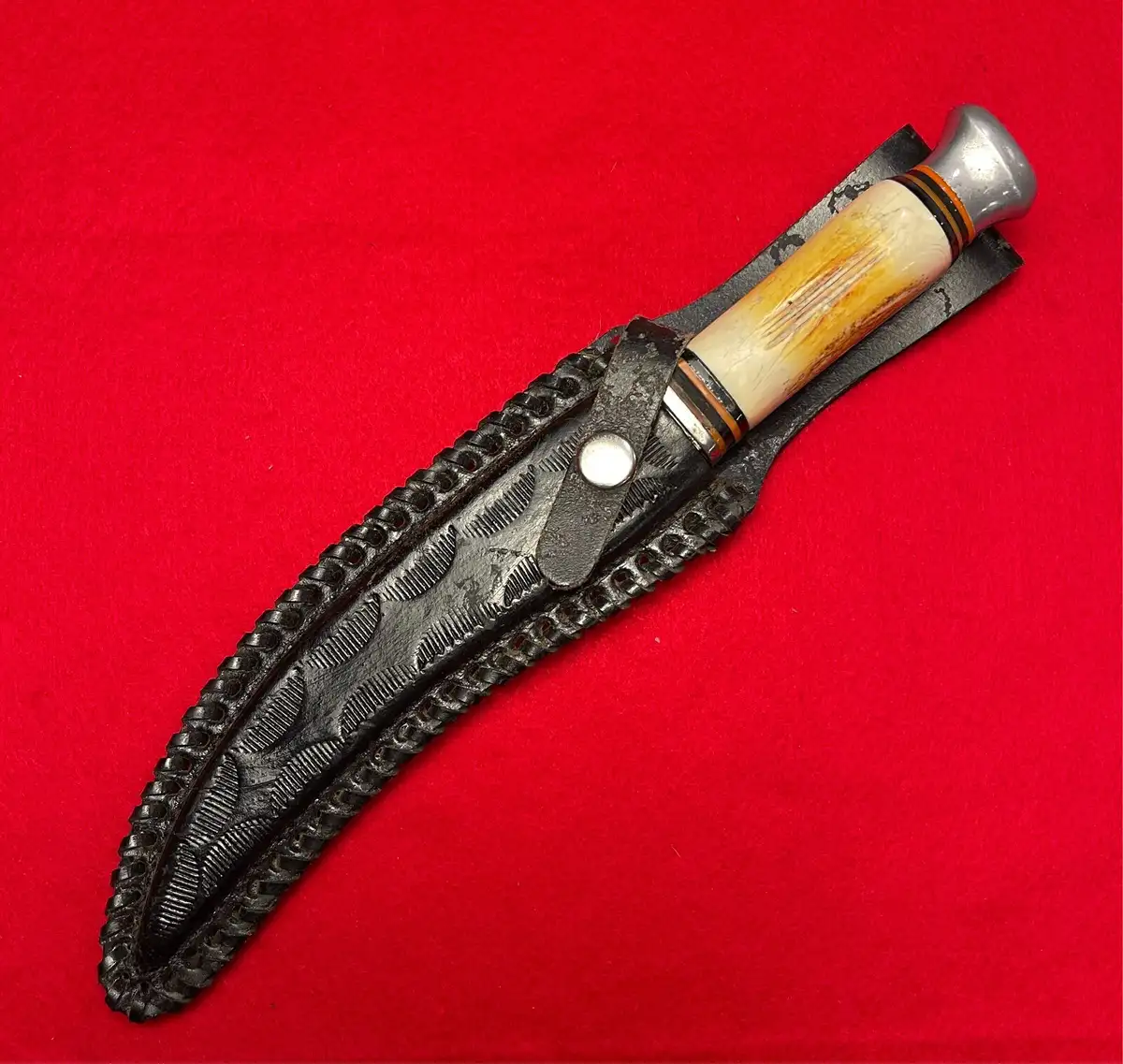
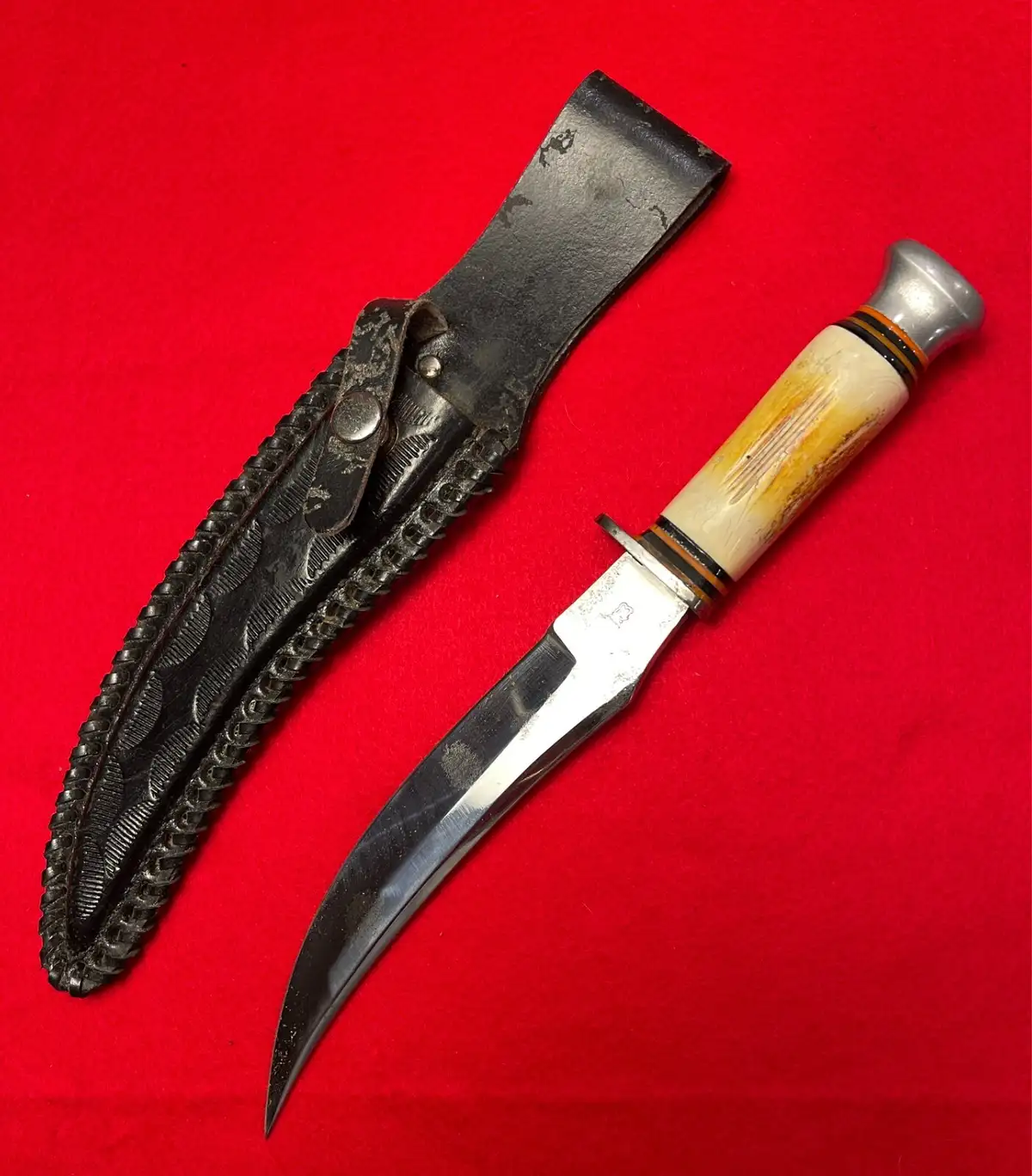
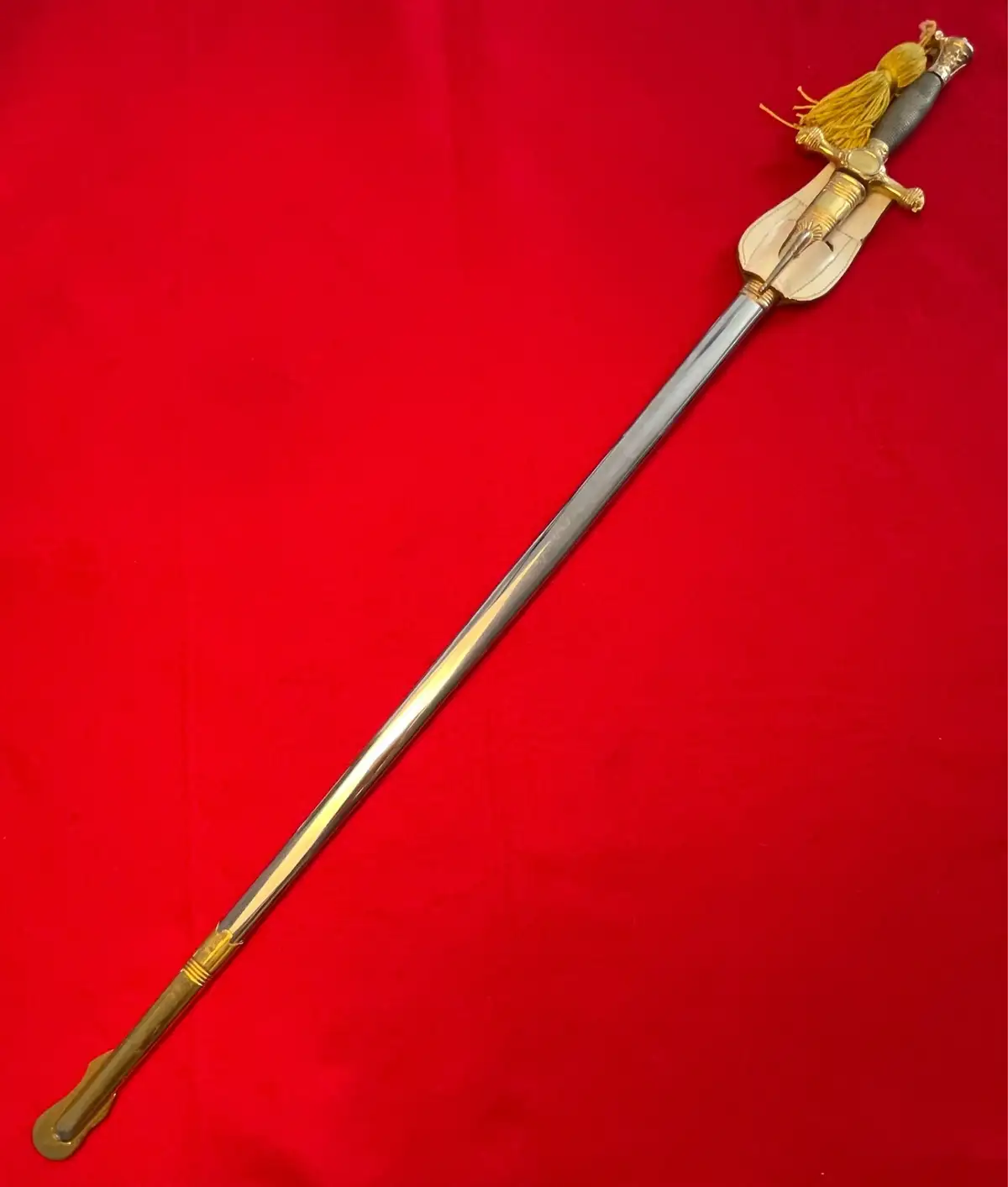
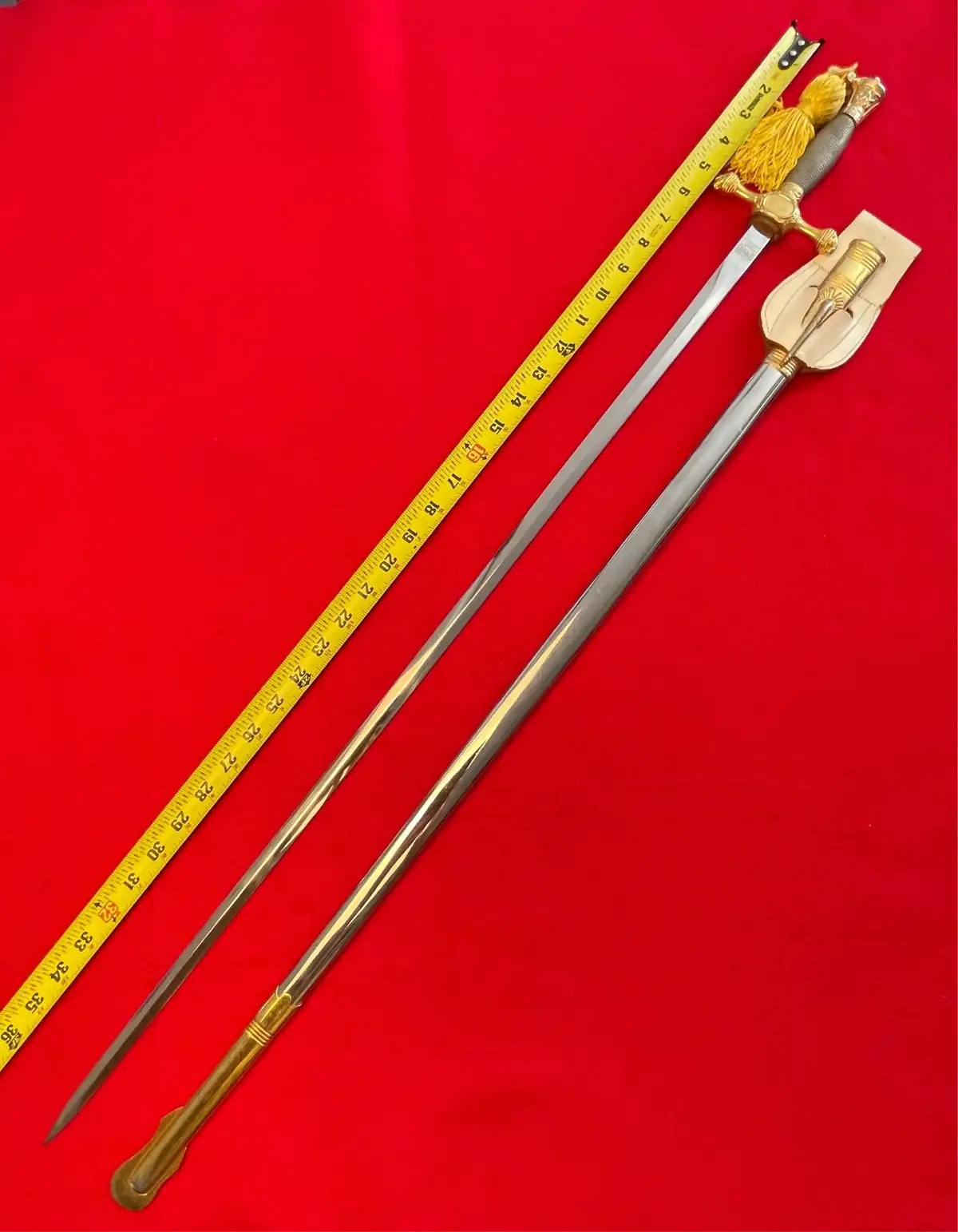
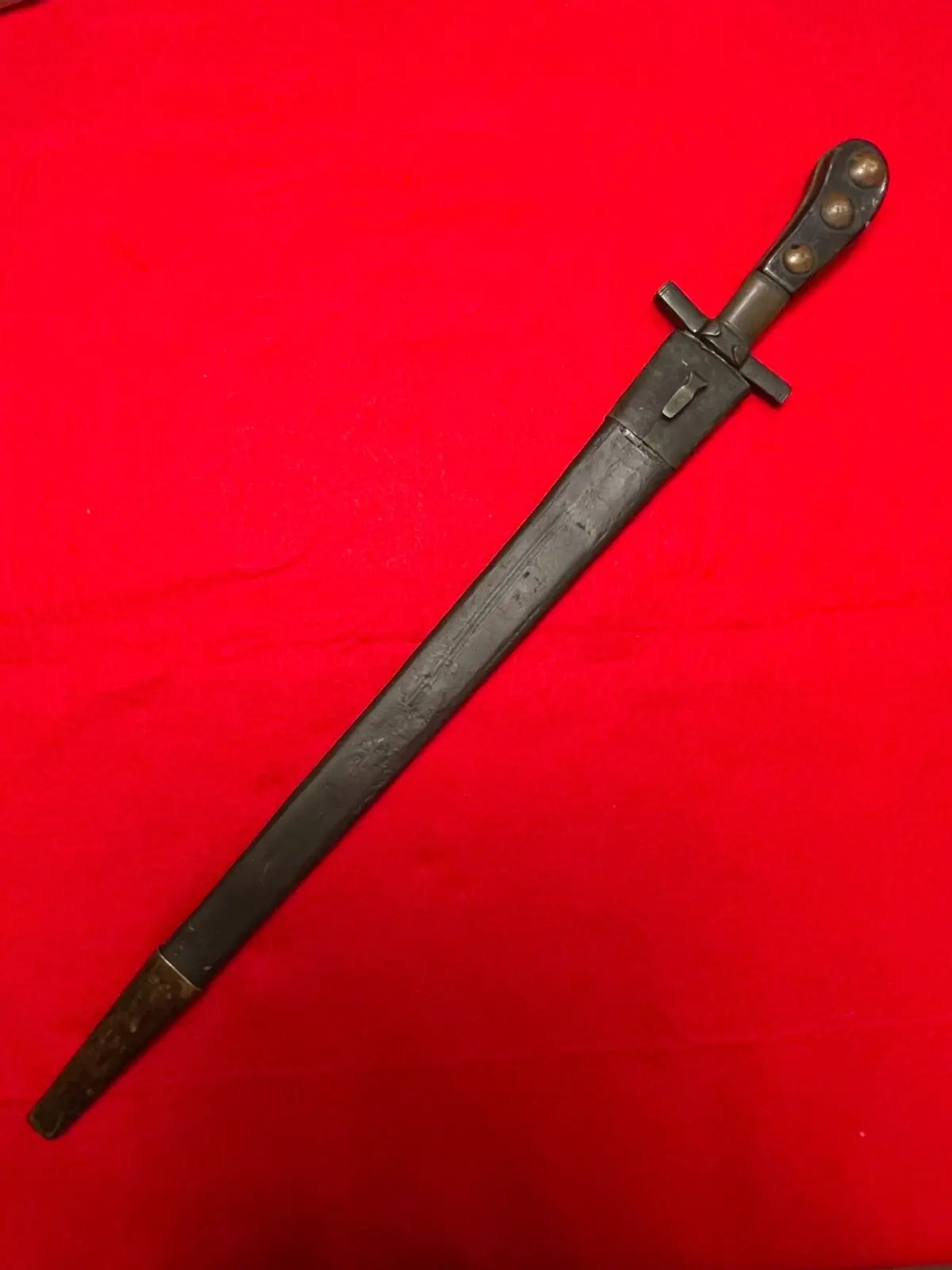
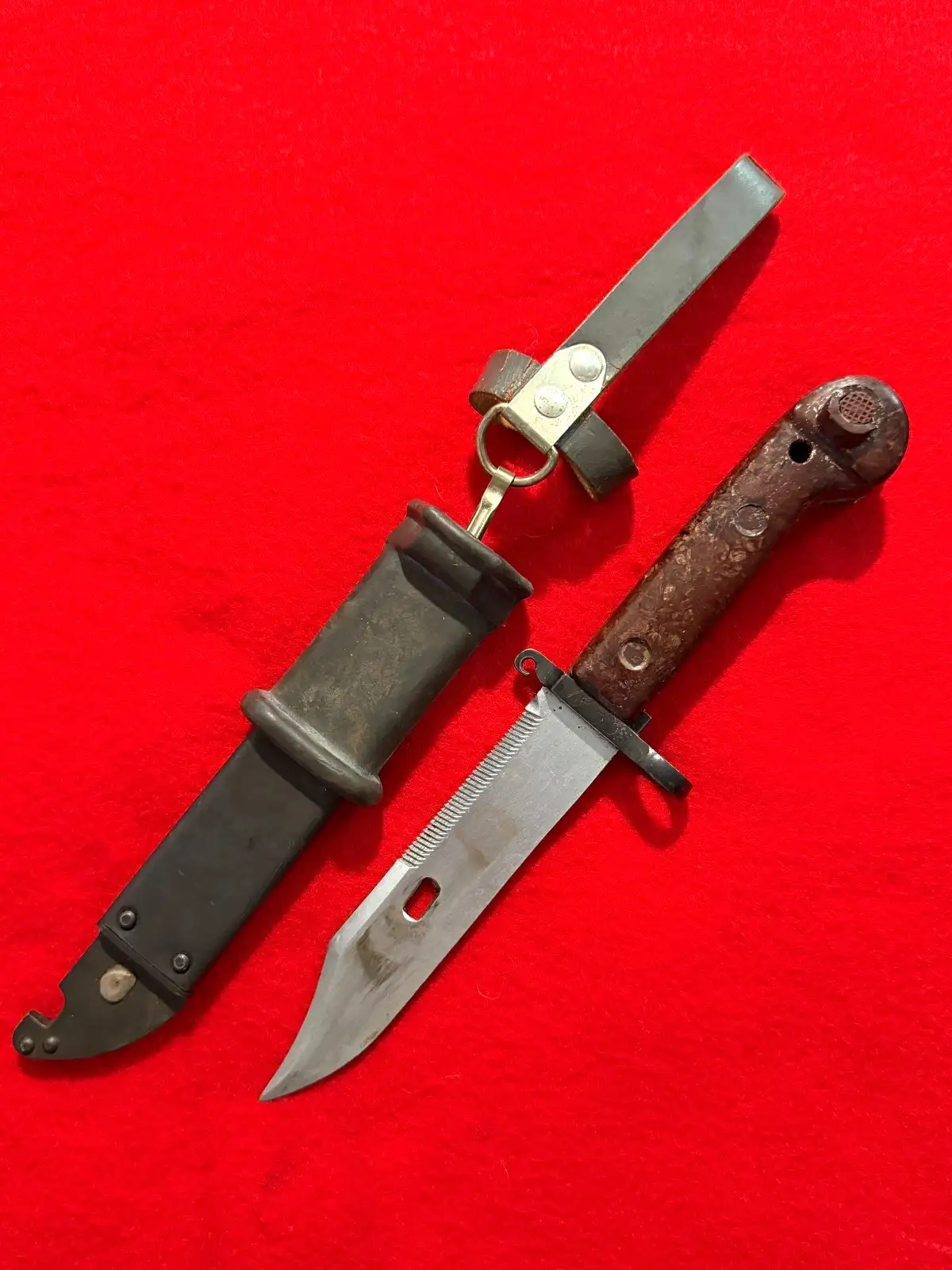
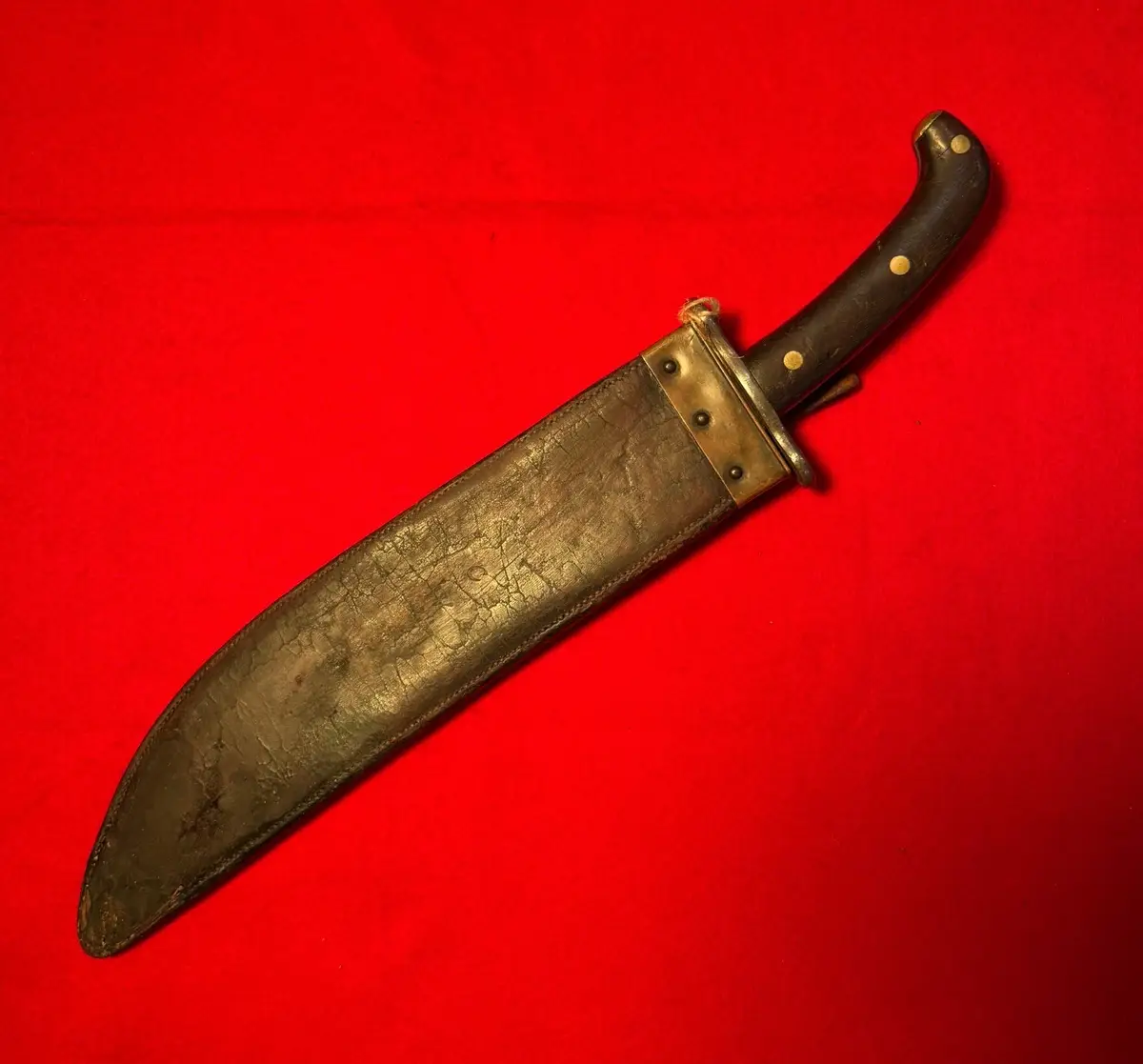
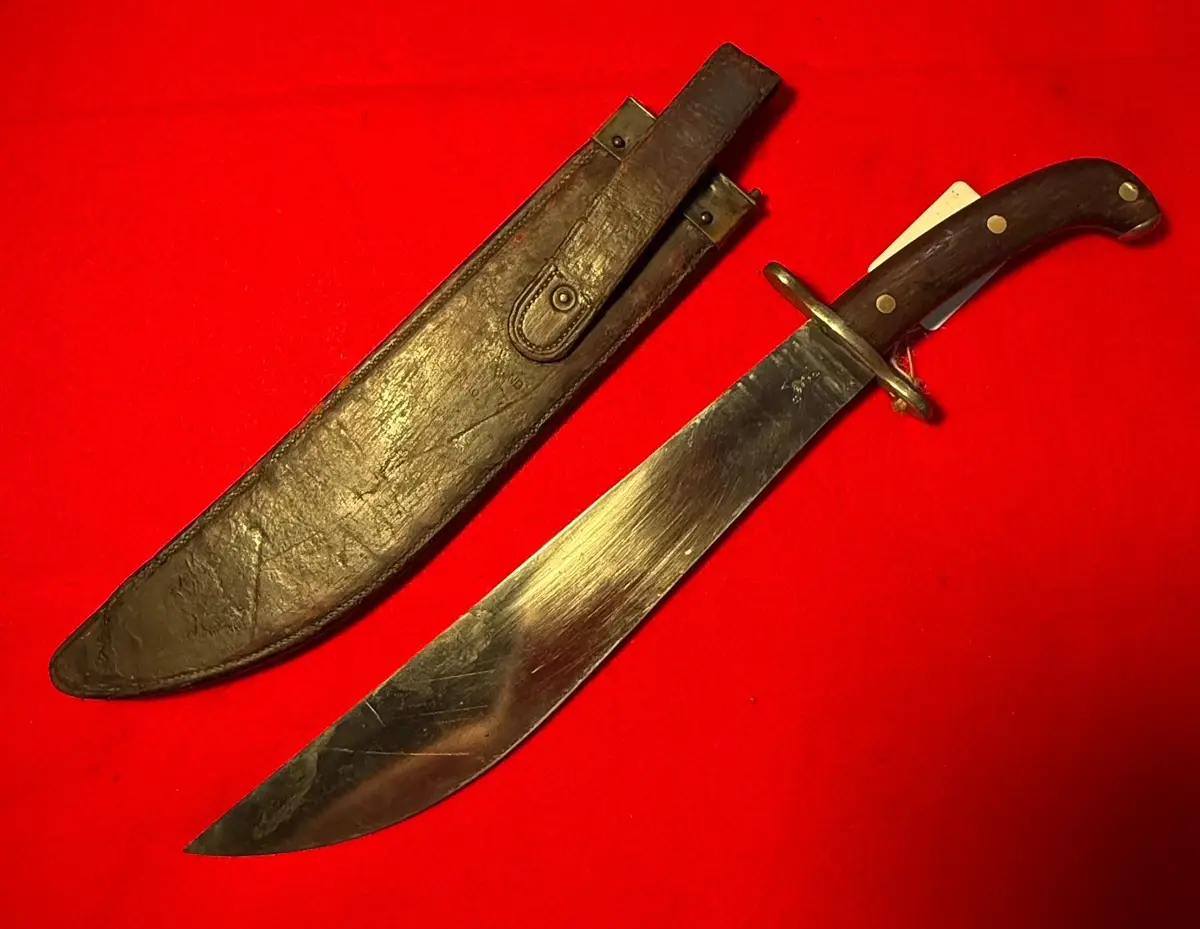
Construction narrows it further. A hand-forged tang, a peened pommel, a brazed guard and a hide-covered scabbard all belong to periods, and none of them is a matter of opinion.
What the site will and will not say about these
A piece with no stated period gets no invented one. It does not get a hedge either — no "circa", no "likely mid-19th century", no range wide enough to be unfalsifiable. The specifics table shows what the record holds and stops there.
Where the collector has examined a piece and written down what he thinks it is and why, that note appears on its page under his own heading, in his own words. Where he has not, the page is silent. Silence is the accurate state, and it is easy to read: an absent note means unexamined, not uncertain.
None of this comes from a machine. A grading pass over this catalogue exists and is not published anywhere on the site, because a confident attribution nobody actually made is precisely the thing this archive was rebuilt to stop doing.
How a piece leaves this list
By evidence, not by decision. A mark identified, a pattern matched against a documented specification, a comparison with a dated piece in a museum or a reference collection.
When that happens the record changes and the piece moves to whatever period the evidence supports. Until then it stays here, listed and photographed and described in full, priced like anything else. An undated piece is not a lesser piece; it is a piece whose paperwork is incomplete.
What to look for
- The ricasso and the blade spine first: acceptance stamps, arsenal marks and year digits under a crown or an eagle sit there far more often than on the blade face.
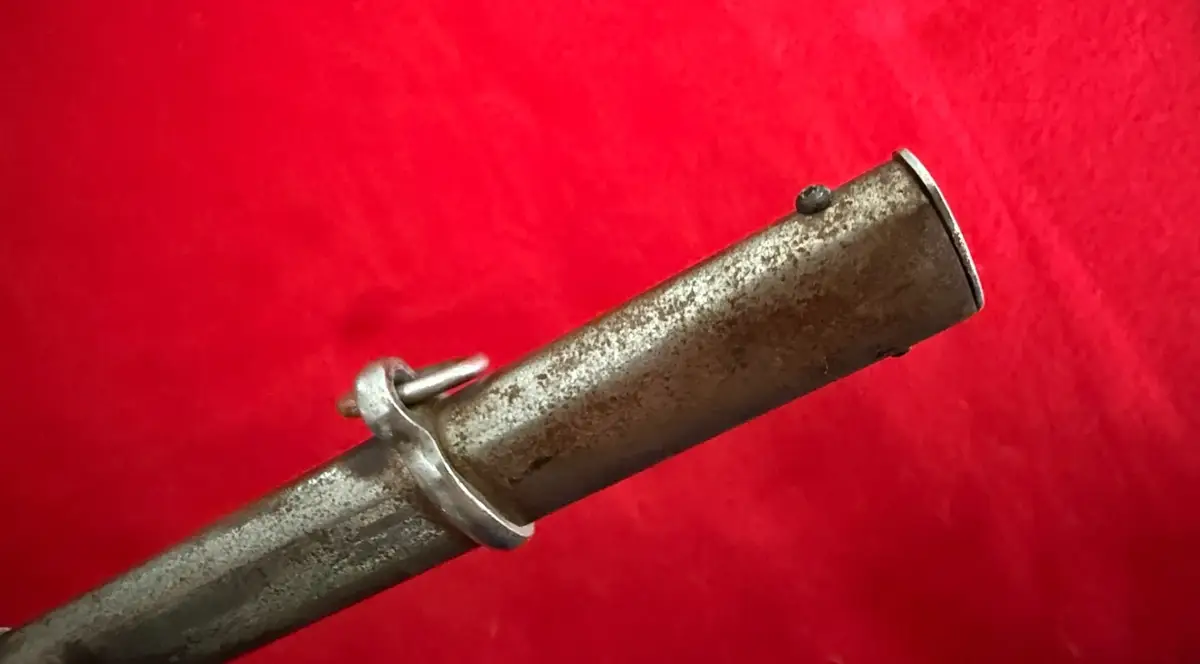
- The scabbard throat and drag, which were specified per pattern and are often the fastest way to place a blade that carries no mark at all.
- A unit stamp — a regiment, a squadron and a weapon number — which dates a piece to the years that unit carried that pattern.
- The tang, where it can be seen: a hand-forged tang and a peened pommel belong to a different era of manufacture from a threaded tang and a nut.
- Whether the seller's own description, kept in full on every product page here, mentions a date that never reached the specifics table.